




Every few years, somebody announces that editing ruins photography. First it was filters, then Photoshop, and now AI. Tate Modern shows about 200 vintage prints and a working darkroom. The message? We’ve been having this argument since the 1880s.
“Light and Magic: The Birth of Art Photography” opened at Tate Modern on October 14 and runs through February 21, 2027. Tate calls it the first major exhibition to explore pictorialism as a global photographic movement. The show gathers about 200 rare vintage prints by more than 80 artists, from the 1880s into the 1960s.
And right there in the galleries sits a functioning darkroom. That’s awesome.
So What Was Pictorialism?
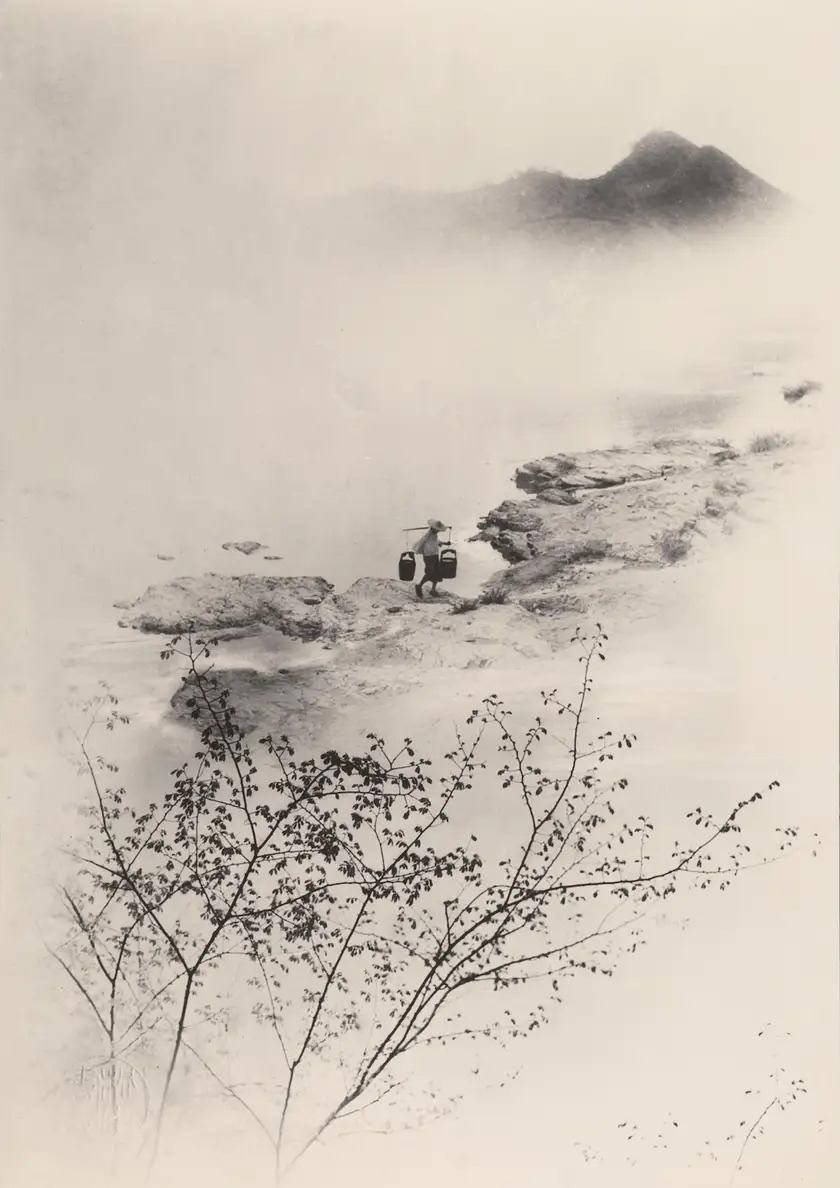
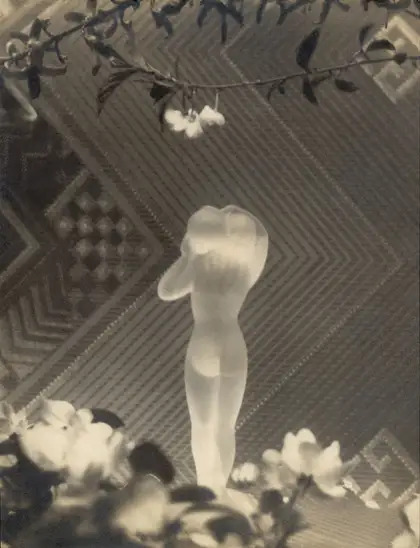
Starting in the 1880s, a group of photographers set out to prove that a camera could make art. They used soft focus, textured papers, hand-worked prints, scratched negatives and layered exposures. They staged scenes and borrowed freely from impressionism and symbolism.
Tate’s large-print guide describes the movement as a declaration that photography is a true art form.
Camera clubs carried this idea around the world. The Linked Ring in London, the Photo-Club de Paris, Stieglitz’s Photo-Secession in New York, the Vienna Camera Club, Guangshe in Shanghai and the Photographic Society of Singapore all mailed prints to salons on other continents. Even Soviet constructivist Aleksandr Rodchenko sent pictures to the club shows.
If you’ve ever burned in a sky or dodged a face under the enlarger, you’ve done what these folks were trying.
The Darkroom Gets the Spotlight
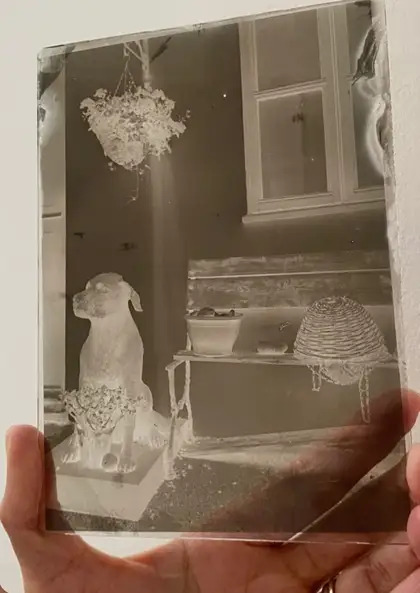
Most photo shows hang the prints and call it a day. This one shows you how they got made. A working darkroom sits in the printmaking section, and a corridor between the two halves of the show walks you through developing and printing methods from the late 1800s on, according to Time Out.
The show also pairs prints made from the same negative, so you can see how paper, process and handwork change the final picture. Peter Henry Emerson’s “A Norfolk Boat-Yard” (1886) is one of them. Tom May at Digital Camera World summed up the pictorialist mindset: they treated “the darkroom, not the lens, as the mother of authorship.”
Want to get your hands wet? Tate is running The Art of the Darkroom, a series of hands-on process courses with Sustainable Darkroom, through February.
A Much Bigger Map
Curator Charmaine Toh, Acting Head of Curatorial at Tate Modern, wrote her PhD on pictorialism in her home city of Singapore. She worked on the show with Assistant Curator Genevieve Barton. Toh told The Art Newspaper this is “probably our first ever revisionist photography exhibition.”
The textbook version says pictorialism was a Western style that faded by the 1920s. Toh points to photographers around the world who kept making the work into the 1950s and 1960s.
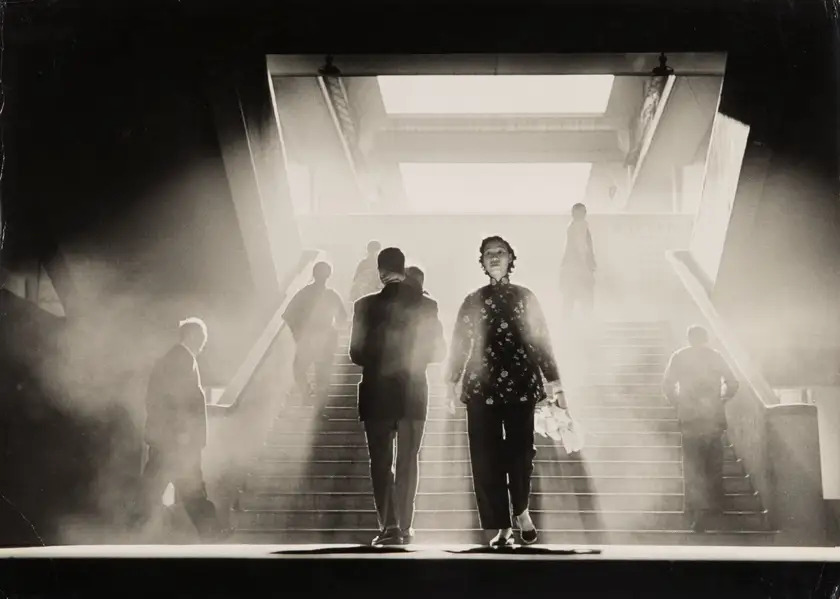
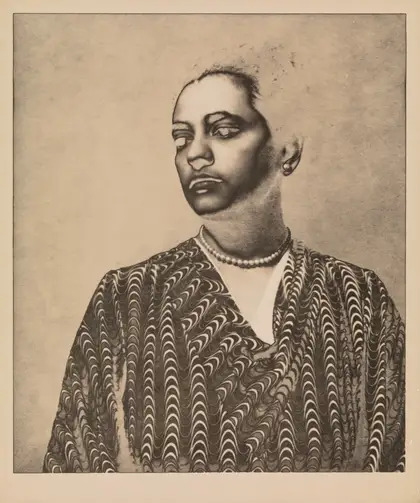
So you’ll find Olive Cotton, Max Dupain and Harold Cazneaux from Australia, Lionel Wendt’s solarized portraits from Sri Lanka, Shigeru Onishi’s experimental 1950s work from Japan, Fan Ho from Hong Kong, and Gertrudes Altschul and Geraldo de Barros from Brazil. They hang alongside Käsebier, Steichen, Stieglitz, Strand and Weston.
The final room makes a fun argument. Toh sees pictorialism and modernism as tangled together, and puts it this way: “It is as though Modernism needed Pictorialism to be what it wasn’t.”
The Critics Are Split
Time Out gave it three stars. The review likes the global range, but says it gets hard to tell what counts as pictorialism once modernists like Stieglitz, Strand and Steichen show up. The Observer‘s Laura Cumming called the show “massive, miscellaneous and frequently marvellous” and asked where Julia Margaret Cameron and Gustave Le Gray went.
We’ll take it. Arguing about what counts as art is a photographer’s favorite pastime.
Our Take
A hand-worked gum print and an AI-generated image still raise different questions about authorship, evidence and disclosure, and this show stops at the 1960s. But it reminds us that interpretation has always been part of the craft.
We mostly look at pictures on screens now. This show puts 200 real prints in front of you, each one made by hand. Fun bonus: photography turns 200 this year.
Plan Your Visit
- Where: Tate Modern, Eyal Ofer Galleries, Natalie Bell Building, Bankside, London
- When: through February 21, 2027. Open daily 10:00-18:00, until 21:00 on Fridays and Saturdays. Closed December 24-26.
- Tickets: £20, £19 concessions, £5 for ages 16-25 through Tate Collective, free for Tate Members (book here)
- Audio guide: £5, and it plays on your phone, so bring headphones
- Catalog: “Light and Magic: The Birth of Art Photography,” edited by Charmaine Toh, Tate Publishing
Go Make Some Choices
If you’re anywhere near London before February, go. Stand in front of a print from the 1890s and you’ll see a photographer making choices, the same ones you make at the enlarger or in Lightroom.
And next time someone tells you editing is cheating, let them know that argument is 140 years old.
Sources and Links
- Tate: Light and Magic press release
- Tate: Light and Magic exhibition page and tickets
- Tate: Light and Magic exhibition guide
- Tate: Light and Magic large-print guide (PDF)
- Tate: The Art of the Darkroom courses
- The Art Newspaper: Tate Modern exhibition explores pictorialism
- Time Out: Light and Magic review
- The Observer: Laura Cumming on Light and Magic
- Digital Camera World: People were arguing about “real photography” a century before Instagram
- IanVisits: Light and Magic listing
Elevate Your Vision


You may also like