



There are so many good cameras out there! How do we possibly say what’s best out there? Is it a difference of megapixels that makes a camera special? No – we believe it’s finding the right camera system for your style and matching the system to how you actually shoot.
The right camera for you can absolutely make a difference in your work.
The landscape camera market in 2026 is really exciting and excellent across the board BUT that also makes it confusing. Is there a best out there?
This round-up tries to cut through the noise and focus on what may align with your style.
What Matters in a Landscape Camera
Before we get into specific bodies, let’s talk about important things to think about when selecting a camera for landscape work:
- Sensor resolution and size – Higher resolution gives you more room to crop and the ability to make large, detailed prints. 45-60 MP full-frame is the sweet spot for lots of serious shooters.
- Dynamic range at base ISO – Shadow recovery without banding or noise is really important when you expose for a bright sky and need to lift a dark foreground. Base ISO 64 bodies like the Nikon Z7 II are specifically valued for exactly this reason.
- Weather sealing and build quality – You’re going to be outside in real conditions. Good sealing, reliable buttons, and a usable EVF matter certainly makes the shoot more stress free.
- Stabilization and tripod flexibility – Strong IBIS doesn’t replace a tripod, but it does mean you’re not chained to one on every shot and improve your “hit” rate.
Autofocus speed and burst rates are impressive on paper. For slow, deliberate landscape work, they’re not a big deal – BUT if you’re thinking about shooting wildlife it’s definitely something to think about.
Canon – The Refined All-Rounder
EOS R5 Mark II
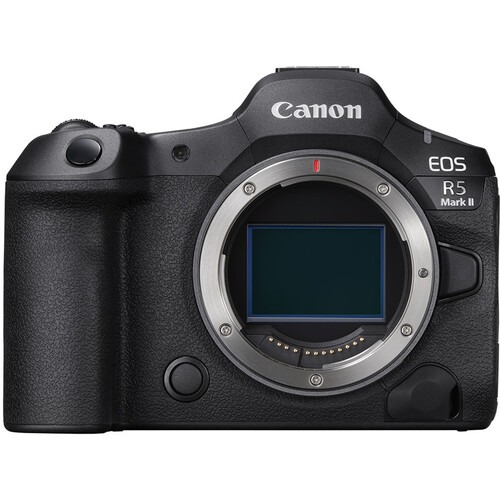
The R5 platform has always been a natural fit for landscapes, and the Mark II shows how things keep getting better.
It keeps the 45 MP full-frame sensor and adds a back-illuminated stacked design with better noise handling. That should mean cleaner files for difficult shots taken at blue hour and twilight, and give more flexibility when trying to recover deep shadows.
Two features stand out for landscape use specifically:
- “Neural Network Noise Reduction” – First off, I love the alliterative marketing speak! I think it’s fun to think about people who’s job it is to name features on products. The Neural Network Noise Reduction feature is supposed to do in-camera processing that produce cleaner files. This should be really useful in low-light conditions like shooting around dawn and dusk
- In-Camera Upscaling – generates effective 179 MP files in-camera, which is really useful if large prints or heavy cropping into distant detail is part of your workflow – does this take away the medium format advantage?
Canon adds up to 8.5 stops of image stabilization with their compatible lenses, and the R5 Mark II becomes a body that can really make an argument to not using a tripod.
Who is this for? Photographers who want a single body that excels at landscapes and also handles serious video work. If you print big, crop into distant ridgelines, or need low-light flexibility, this is Canon’s strongest landscape option right now – seems to be ahead of everything else in their lineup. Hard to beat.
Nikon – Dynamic Range and Quiet Confidence
Nikon’s mirrorless bodies DO compete on image quality, dynamic range, and durability – all which are important for landscape work.
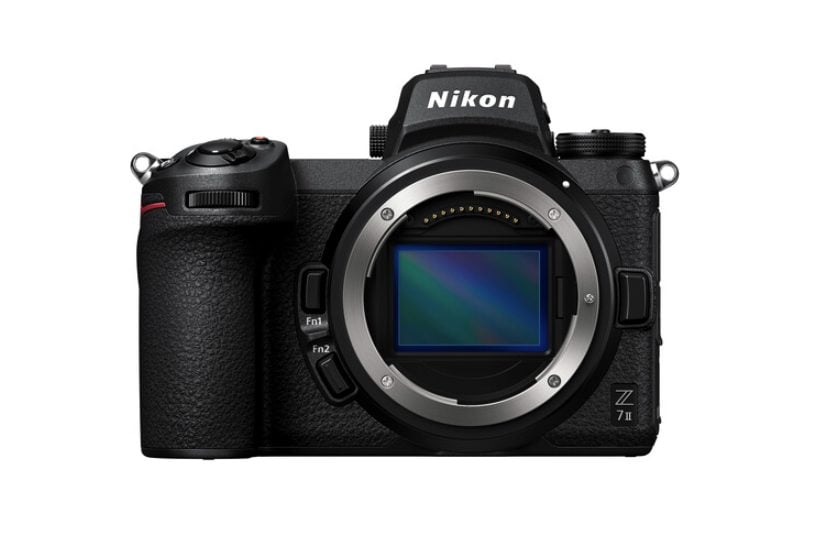
Z7 II
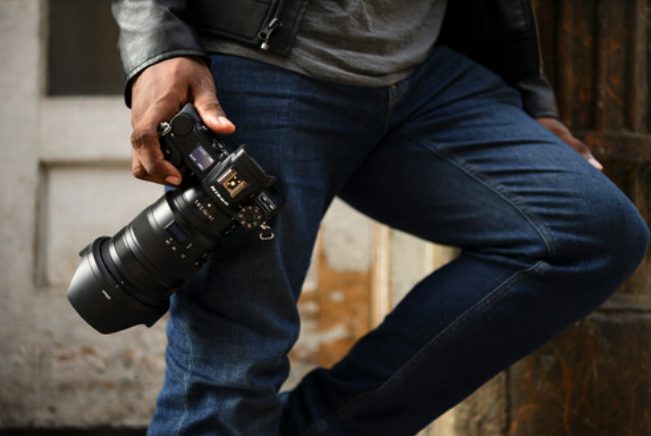
Many landscape-focused folks still recommend the Z7 II over the newer Z8 and Z9 for several big reasons: it delivers 45 MP, with excellent dynamic range, and solid weather sealing at a really great price point.
Its base ISO of 64 is an advantage – lower native sensitivity means cleaner files and the ability to drag shutter speeds for water motion and cloud blur with maybe not having to use an ND filter.
Z8 and Z9
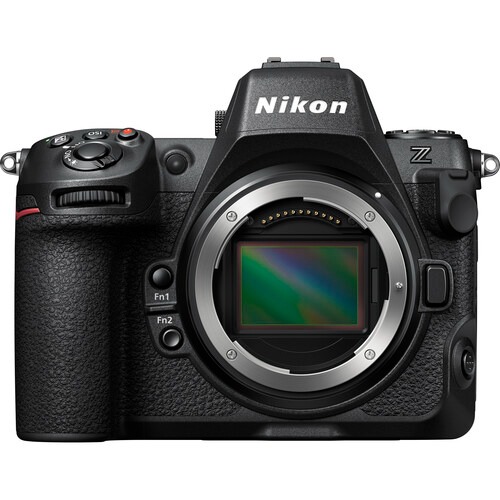
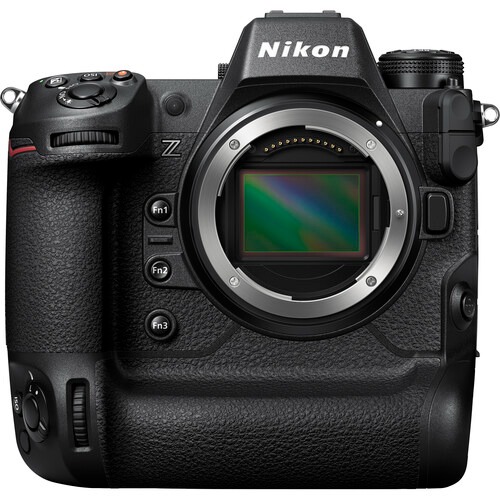
Both are exceptional cameras. The Z8 is often cited as one of the best all-around bodies you can buy. For pure landscape work, though, the trade-off may not be worth it – you’re paying a ton more for autofocus performance and shooting speed that a tripod-based landscape shooter may not use much.
Who is this for? If landscapes are your primary focus and image quality per dollar is the priority, the Z7 II is the most logical Nikon choice in 2026. If you also shoot wildlife or action seriously, the Z8 earns its price. So think about it, and maybe ask – is it worth it to pay for speed if you won’t use it?
Sony – Resolution, Detail, and Ecosystem Depth
Sony continues to lead in sensor technology, and that really makes a difference in landscape image quality.
a7R V
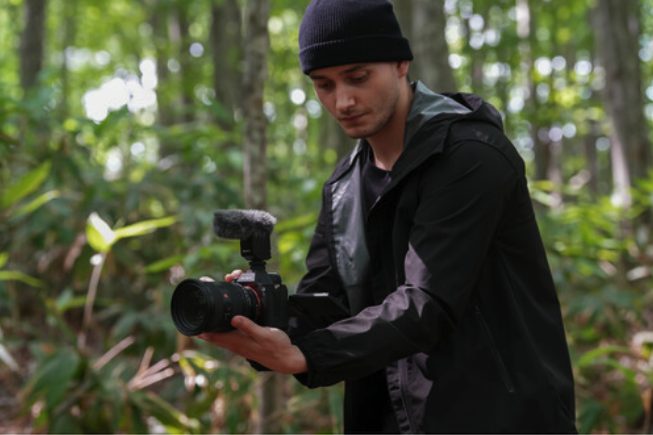
Multiple respected buying guides identify the Sony a7R V as the strongest all-around landscape body currently available – not just in the Sony lineup, but across all manufacturers. Its 61 MP full-frame sensor delivers large resolution and wide dynamic range, and lab comparisons show it performing at or near other top rivals like the Nikon Z8 in resolution and dynamic range.
This is the body for photographers who want the highest resolution full-frame option, period.
a7 IV
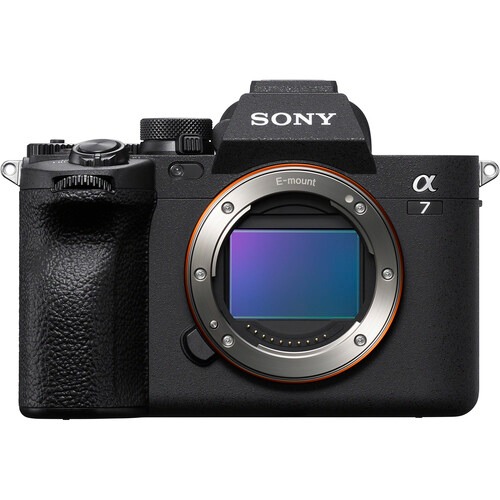
The a7 IV keeps appearing in landscape recommendations for a different reason – it’s balanced. At 33 MP, it produces more than enough resolution for large prints all with smaller file sizes, lower cost, and a more flexible all-purpose hybrid shooting profile.
For photographers who split time between landscapes, travel, and everyday shooting, the A7IV makes it a strong choice.
Who is this for? If you print large, crop heavily, and prioritize ultimate detail in foliage, rock texture, and tonal gradations, the a7R V is the benchmark. If you want one body that handles landscapes alongside everything else and on a budget, the a7 IV is a smart long-term choice.
Fujifilm – APS-C Precision and Medium Format Excellence
Fujifilm operates in two distinct spaces in the landscape world, and both deserve us taking a look.
X-Series (X-T5, X-T50)
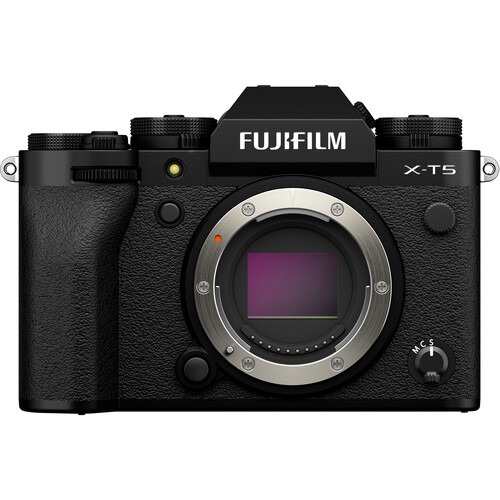
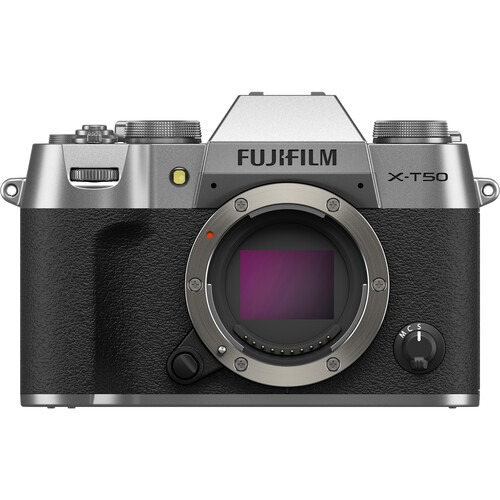
The X-T5 and X-T50 continue to be recommended as some of the best crop-sensor options for landscape photography. 40 MP on an APS-C sensor is impressive, and Fujifilm’s famous film simulations offer a creative starting point out of camera.
Fuji makes choosing a look and style easy which is perfect for landscape shooters and travel photographers who tend to shoot and post their images right away.
With weather sealing, interchangeable compact lenses, and excellent color rendering makes this a strong travel and hiking kit. For more compact shooting, Fuji X100VI rangefinder remains very popular and has us thinking about finding a used one for our camerabag seeing how portable it is.
GFX 100S II
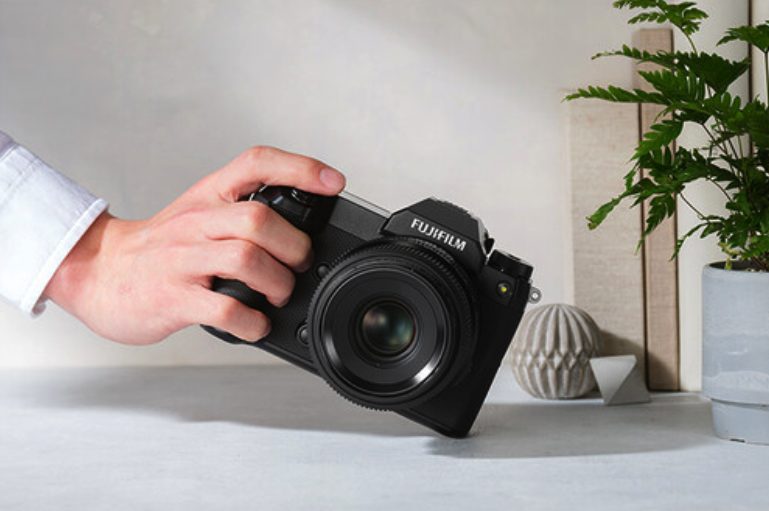
When the conversation turns to what’s the best image quality for landscape photography, the GFX 100S II is usually a part of that conversation. Its 102 MP medium-format sensor produces a level of microcontrast, tonal depth, and resolution that full-frame cameras don’t match.
Lab data shows it outperforms full-frame competitors in both resolution and overall image quality. What’s significant is that it manages to do this in a body that’s compact enough for field use.
Who is this for? The X-Series is the right call for hikers, travelers, prolific social media posters, who all want serious image quality in a lighter, more nimble kit. The GFX 100S II is for photographers who have decided that maximum image quality is the priority and are prepared to invest accordingly in both budget and the heft of weight they’re willing to carry.
Smaller Players Worth Knowing
OM System OM-1 II
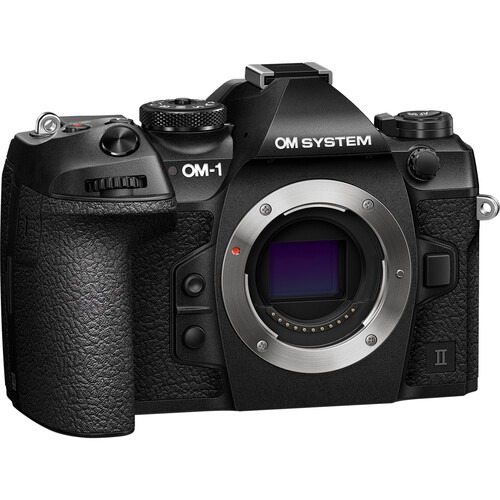
The OM-1 II (Micro Four Thirds) appears repeatedly in landscape lists under “best for hiking” because it really is. Rugged build, weather sealing, and a compact lens ecosystem make it really attractive for long days and nights outdoors. Its multi-shot high-resolution mode can produce very large files when the scene is stable – a super smart solution to the resolution limits of a smaller sensor.
Leica Q3
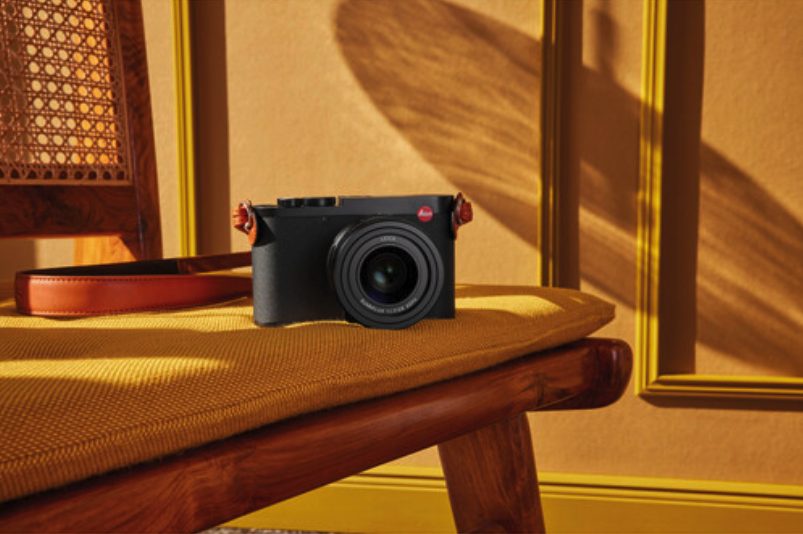
Lots of travel and landscape roundups include the Leica Q3 as a fixed-lens option worth considering – full-frame sensor, exceptional optics, weather sealing, and a form factor that makes it easy to carry all day. You give up zoom versatility entirely making you frame with your feet.
The form factor of a compact 60 mp on a full frame sensor can capture incredible results.
What you gain is simplicity, reliability, and a particular rendering quality that certain photographers find compelling. It’s a beautiful camera if it’s in your budget and you’re okay with a fixed lens. We’re thinking it would be a fun camera to rent before going on a trip.
Panasonic S5 II / S5 IIX
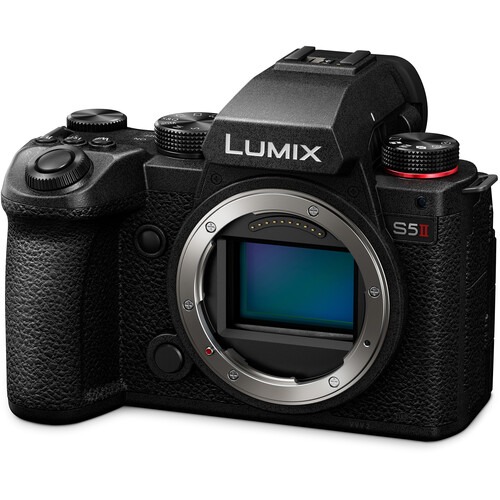
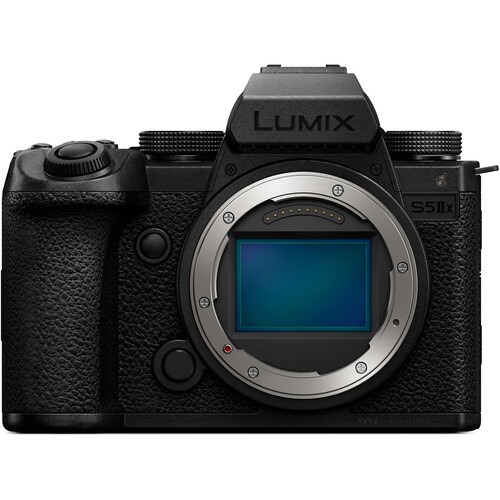
If budget matters and you’re not locked into an existing ecosystem, the Panasonic S5 II and S5 IIX are consistently flagged as underrated. Good camera system to start building up your L-mount glass.
Panasonic has strong color science, excellent IBIS, and a good price-to-performance ratio – good value for photographers who prioritize hybrid stills and video.
Leica SL3
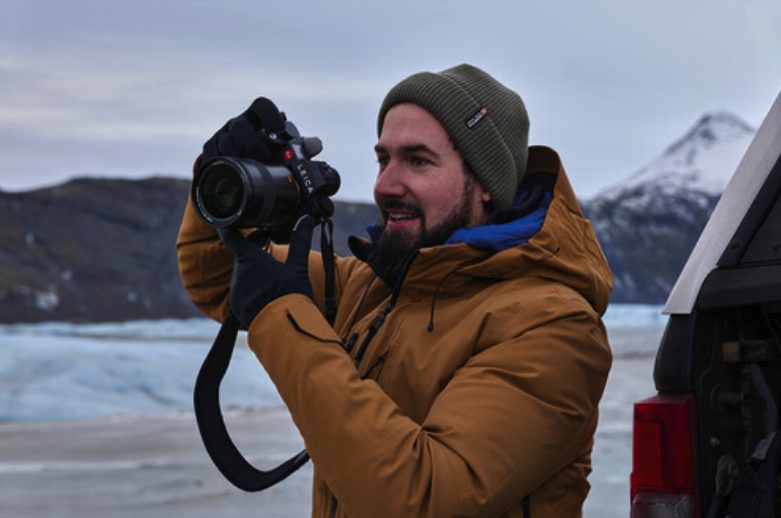
The Leica SL3 is Leica’s take on the high‑resolution, do‑everything landscape and hybrid body: a 60 MP full‑frame BSI sensor with “Triple Resolution” output (60, 36, or 18 MP), up to 15 stops of dynamic range, IBIS, and 8K video, all wrapped in a weather‑sealed metal shell. Tremendous specs!
It uses the L‑Mount, so you can pair Leica’s own SL glass with Panasonic and Sigma lenses, giving you everything from exotic APO primes to very practical zooms in one lens mount system.
At low ISO, the SL3 files have exceptional detail and shadow recovery, pulling four to five stops in dark regions, which makes it versatile for those high‑contrast scenes.
It’s not a bargain, it’s for the landscape photographer who wants that Leica color and build quality with modern autofocus, stabilization, and lens flexibility. The SL3 is the best SL‑series to date. To note, it’s a solid camera and considerably bigger than the Leica Q3.
Phase One: A True Dedicated Landscape System
Phase One describes the XT as “the world’s only purpose‑built camera dedicated to landscape photography,” a minimalist field camera built around their 150 MP medium‑format digital backs to capture nature “in the highest fidelity possible.”
The XT system combines those backs with Rodenstock lenses and integrated shift movements, giving up to 24 mm of shift on both axes so you can correct perspective or build stitched panoramas with really precise control.
Backed by Phase One’s medium‑format sensors offering up to 151 MP, with around 15 stops of dynamic range, and deep color fidelity, the Phase One system sit at the very top of what’s currently possible in landscape image quality, but with a price, weight, and workflow that for many make them the choice for dedicated print‑makers and rental‑only “big trips”.
Hasselblad: Portable Medium Format
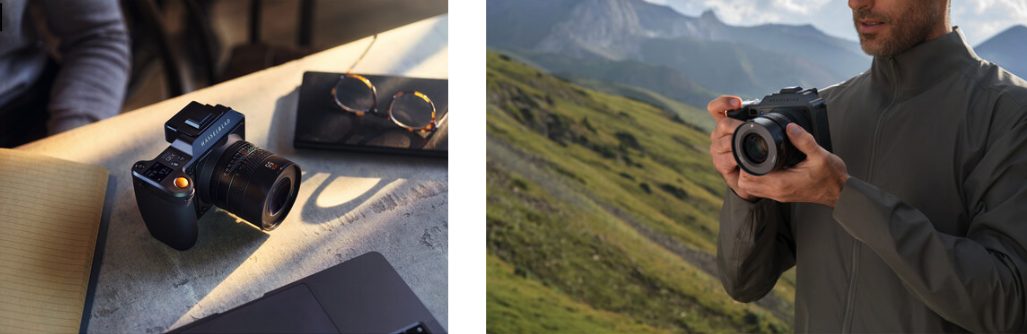
Then we’ve got Hasselblad!
Hasselblad’s X System has portable medium format bodies like the X2D 100C and X2D II that are built specifically to make use of that Hasselblad color and tonality in landscape.
So many features. The X2D 100C pairs a 100 MP BSI medium‑format sensor with 16‑bit color and roughly 15 stops of dynamic range. Those specs are amazing.
A solid camera with amazing 5‑axis in‑body stabilization rated up to 7 stops. And a built‑in 1 TB SSD – seems handy.
Hasselblad leans hard on its Natural Colour Solution, and they are praised how close the RAW files feel to what they saw on location, especially in the skies and foliage.
This is not a fast camera in the sports shooting sense. The autofocus and responsiveness are tuned for tripod‑friendly work – but these latest bodies are some of the most portable medium format Hasselblad to date with crazy good stabilization.
Which Camera Fits You?
Instead of asking “what’s the best landscape camera?”, ask a more useful question: where does my current kit actually fail me in the field?
If your prints need more size, detail, and cropping room:
If your kit is too heavy for serious hiking:
If your shadows fall apart when you lift them:
- Prioritize bodies with strong base-ISO dynamic range: Z7 II, a7R V series, GFX 100S II, Phase One, Hasselblad X2D
If you need one body for landscapes and everything else:
So these seem to be the best landscape camera in 2026 out there. Let us know your thoughts or if we missed one at [email protected]
If you’re in the market for a camera – think about how that camera directly addresses how you shoot: your terrain, your target print size, how much weight you want to carry, and how much you depend on clean shadows.
AND…as we all know what the best camera out there is?
The one that you have with you!
References:
Zach Nicholz – “The Best Cameras for Landscape Photography in 2026”
Amateur Photographer – “Best cameras for landscape photography in 2026”
Photography Life – “Best Camera for Landscape Photography in 2026”
RTINGS – “The 6 Best Cameras For Photography of 2026”
Tatakis – “Best Cameras for Photography (2026): The Honest, BS-Free List”
Digital Camera World – “The best cameras for landscape photography”
PetaPixel – “The Best Camera for Photography in 2026”
B&H Explora – “Canon EOS R5 Mark II In Use: Landscape Photography”
Photography Life – “Nikon Z8 vs Sony a7R V”
We3Travel – “10 Best Cameras for Professional-Looking Landscape Photos (2026)”
The Cotswold Photographer – “Best Cameras 2026”

Elevate Your Vision


Read this story and all the best stories on The Luminous Landscape
The author has made this story available to Luminous Landscape members only. Upgrade to get instant access to this story and other benefits available only to members.
Why choose us?
Luminous-Landscape is a membership site. Our website contains over 5300 articles on almost every topic, camera, lens and printer you can imagine. Our membership model is simple, just $2 a month ($24.00 USD a year). This $24 gains you access to a wealth of information including all our past and future video tutorials on such topics as Lightroom, Capture One, Printing, file management and dozens of interviews and travel videos.
- New Articles every few days
- All original content found nowhere else on the web
- No Pop Up Google Sense ads – Our advertisers are photo related
- Download/stream video to any device
- NEW videos monthly
- Top well-known photographer contributors
- Posts from industry leaders
- Speciality Photography Workshops
- Mobile device scalable
- Exclusive video interviews
- Special vendor offers for members
- Hands On Product reviews
- FREE – User Forum. One of the most read user forums on the internet
- Access to our community Buy and Sell pages; for members only.
You may also like