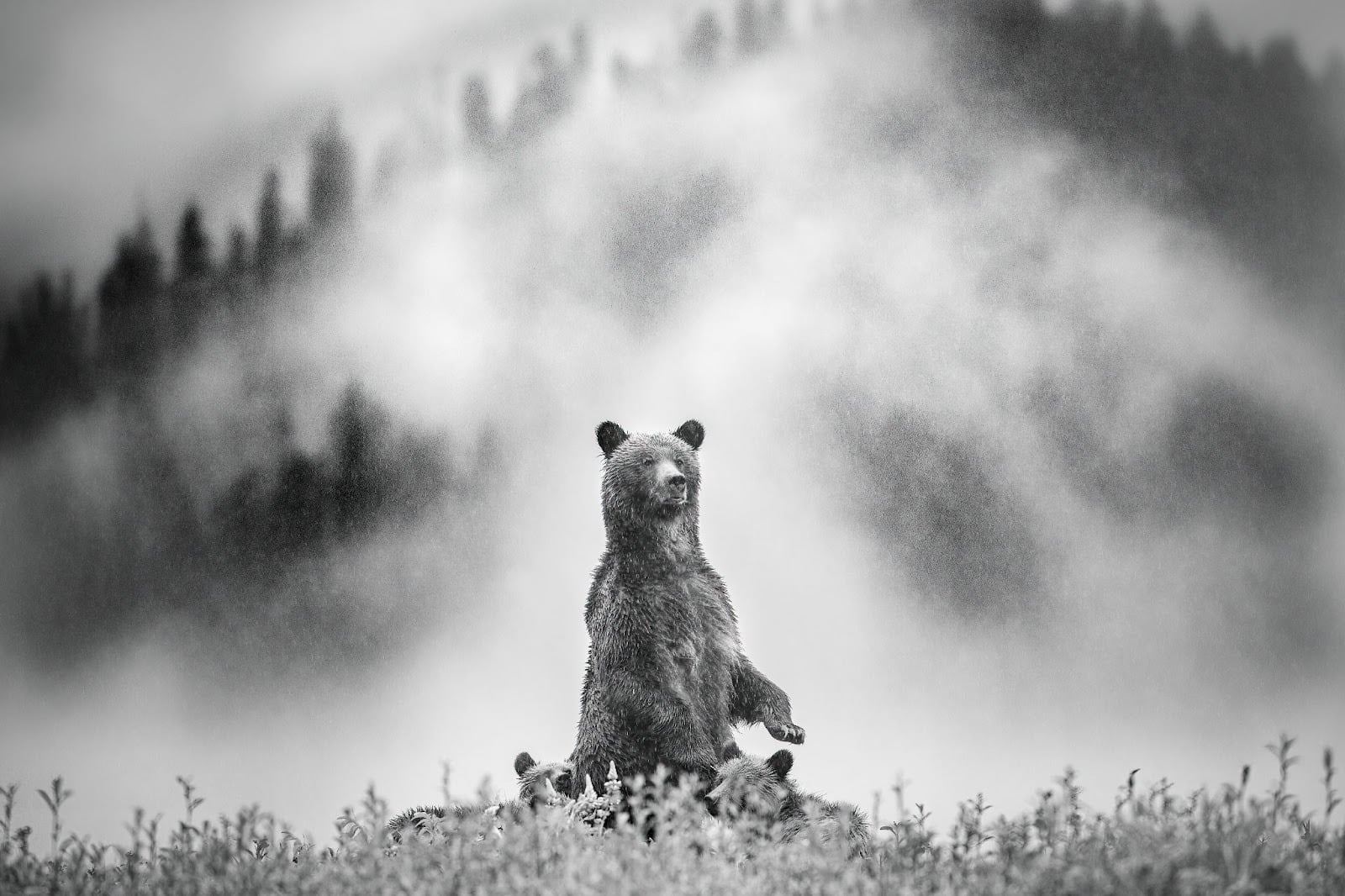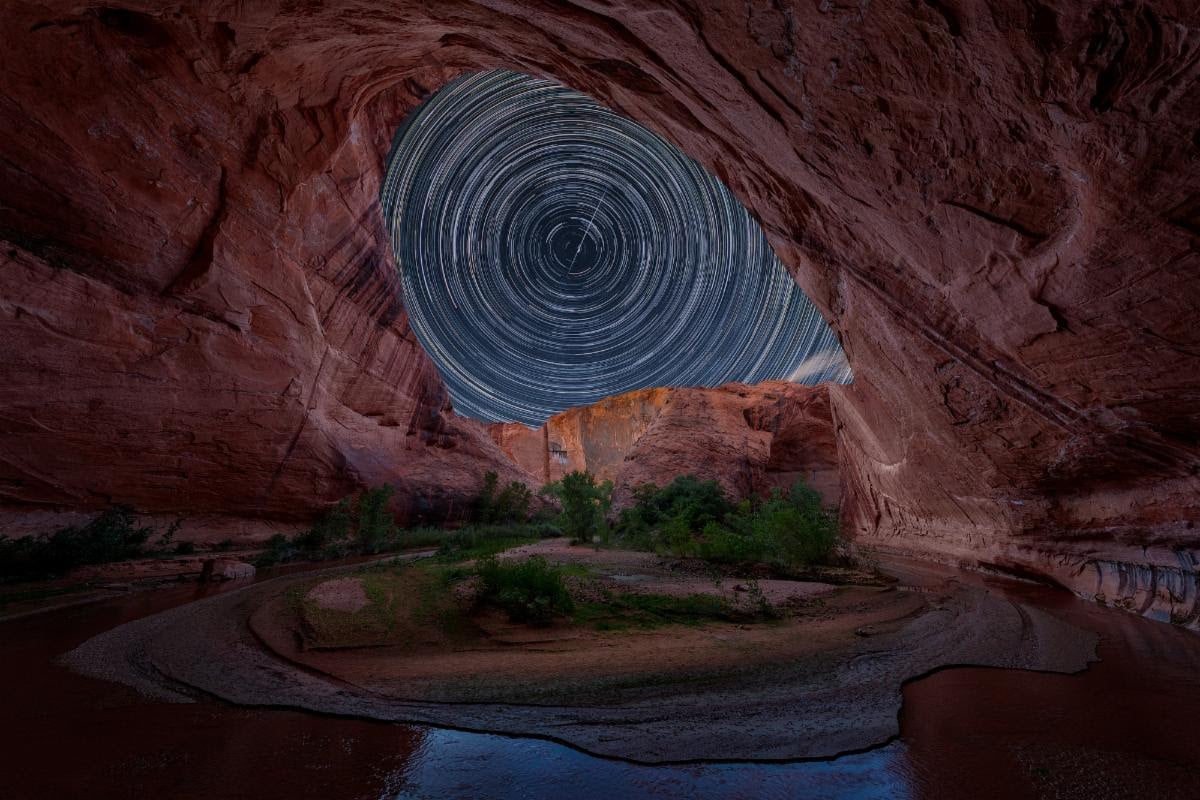




Some stories start with a camera. This one starts with a kid flipping through a magazine.
In 2011, a teenager named Jack Plant came across a National Geographic cover featuring the Great Bear Rainforest – a vast, ancient coastal temperate rainforest in British Columbia. The photograph on that cover was made by Paul Nicklen, and it stopped Jack cold. The image showed a world most people will never see – a place where white-furred bears move like ghosts through moss-covered old growth, where wolves hunt along shorelines and humpback whales feed in channels so narrow you can hear them breathe.
That cover set something in motion. More than a decade later, Jack Plant has published Spirit of the Great Bear – an immersive photographic book that documents the rainforest, its wildlife, and the Indigenous communities who have protected it for millennia. But the story of how he got there is just as compelling as the photographs themselves.
And here’s the part that might surprise you: when Jack first set foot in the Great Bear Rainforest, he had never picked up a camera in his life.
A Camera, a River, and a Black Bear
Jack was working as a guide in the rainforest when his friend and fellow guide, Philip Charles, noticed his curiosity about photography. One day, Philip handed Jack his Canon T5i and told him to give it a go.
“On my first day out with it, I found myself walking alongside an old black bear in a river, snapping photos and mostly just winging it,” Jack recalls. “I came away with one frame that, at the time, I thought was a National Geographic front cover nominee. Turns out it wasn’t, but I did fall in love with photography that day.”
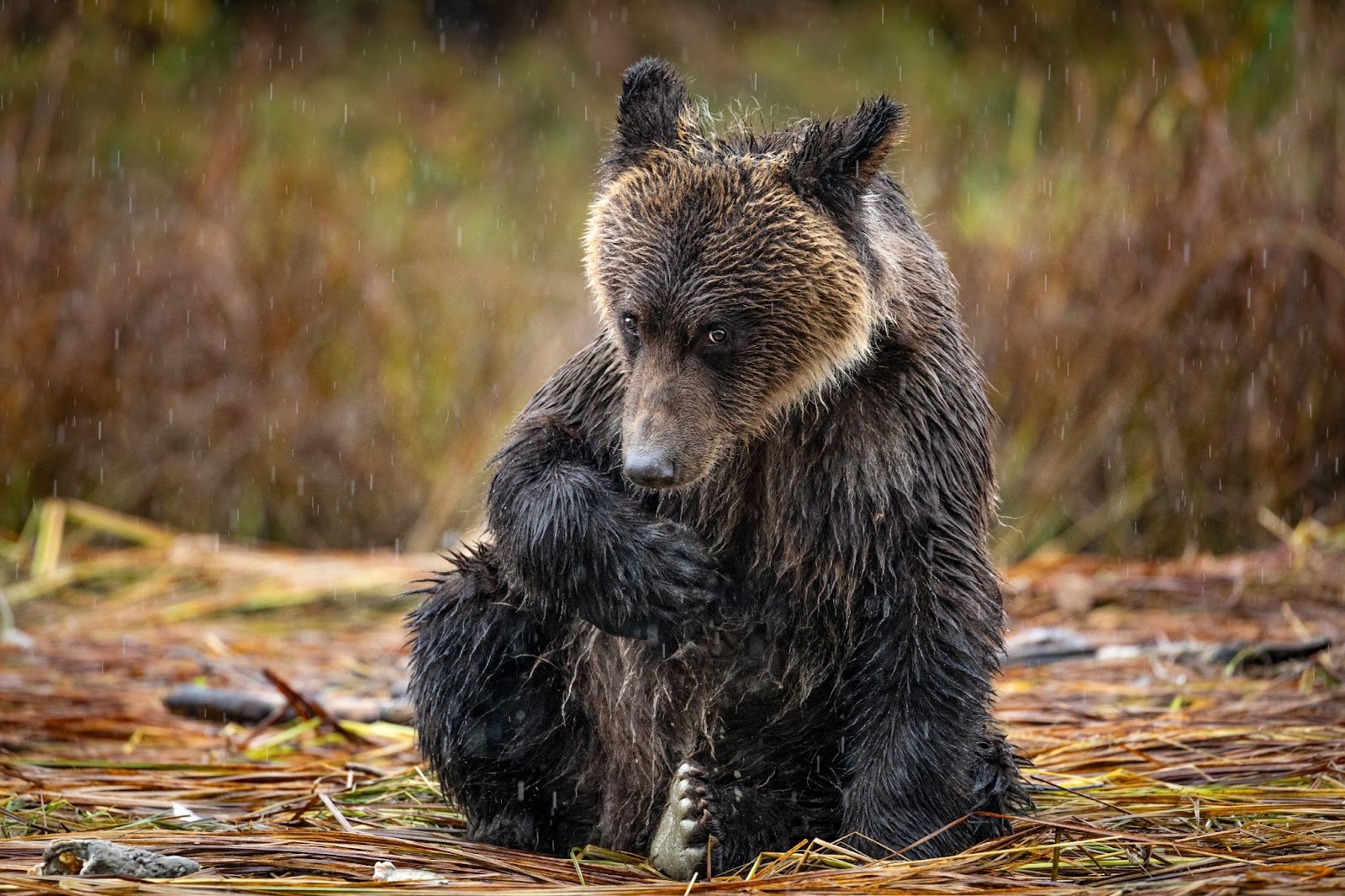
That love turned into purpose when Jack and Philip documented an entangled humpback whale – anchor lines wrapped around her mouth, tail, and body, cutting deep into her skin. The response time was over ten hours, with another three to four hours to free her. They’re still not sure if she survived.
“Both Philip and I had taken photos of the entanglement. They were used in multiple news sources and it sparked outrage on social media, and local coastal communities decided to train their own response teams for entanglements,” Jack says. “I feel that our photos played a large role in ensuring action was taken on that dark day. That helped me realize what a powerful tool I had in the palm of my hands.”
This is the moment the work became about more than making beautiful images. The camera became a tool for change.
Learning by Doing
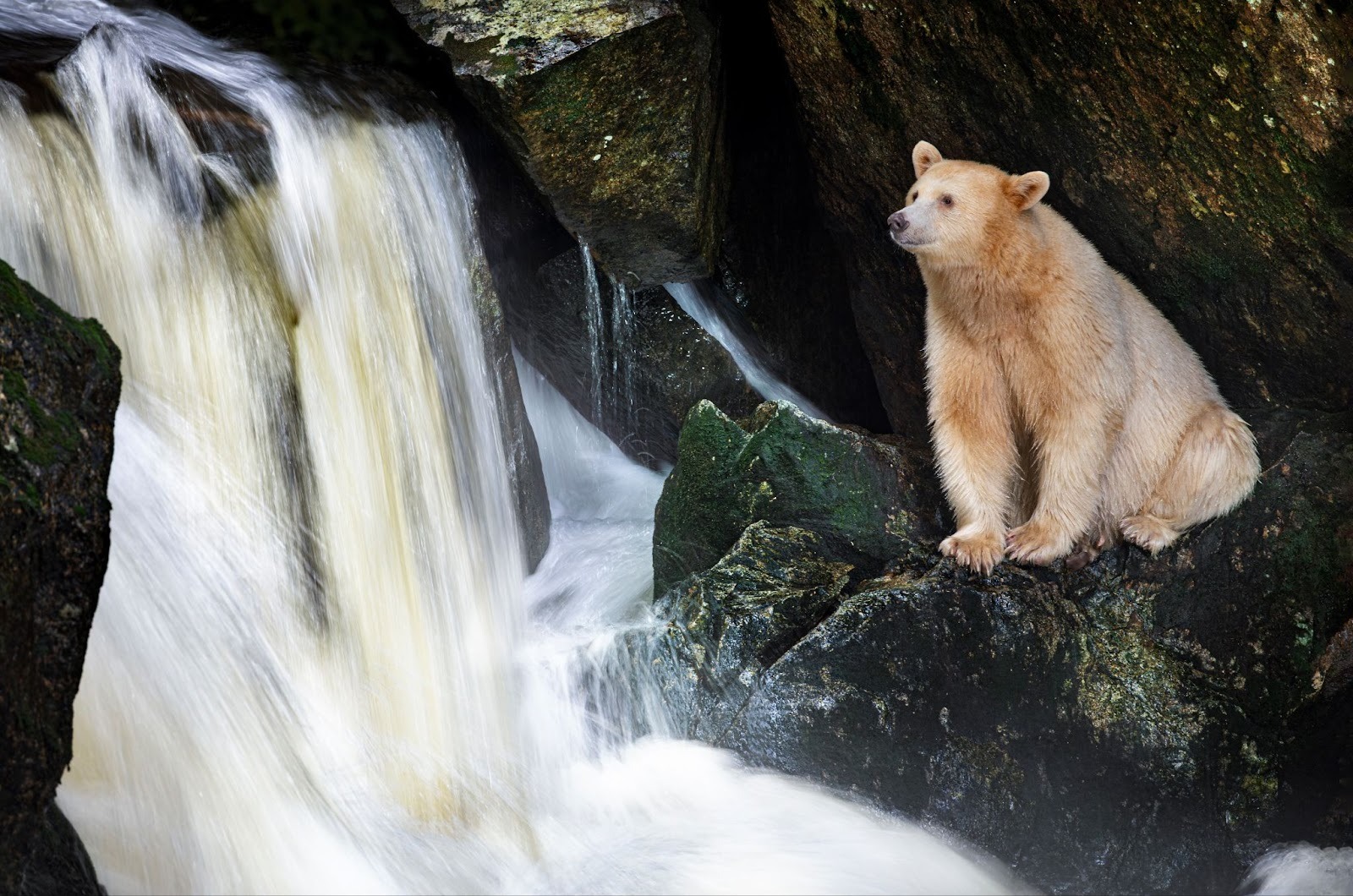
Ask most photographers about their training, and you’ll hear about workshops, online courses, maybe a degree in fine art. Jack’s classroom was a temperate rainforest full of bears.
“Honestly, I’m not very technical and I never took any courses or lessons,” he admits. “I’ll still have to call a tech-savvy friend every once in a while to figure out a setting on my camera. I just started and figured it out.”
What Jack lacked in formal training, he made up for with two things that are hard to replicate: access to incredible mentors, and time with his subjects that most wildlife photographers can only dream of.
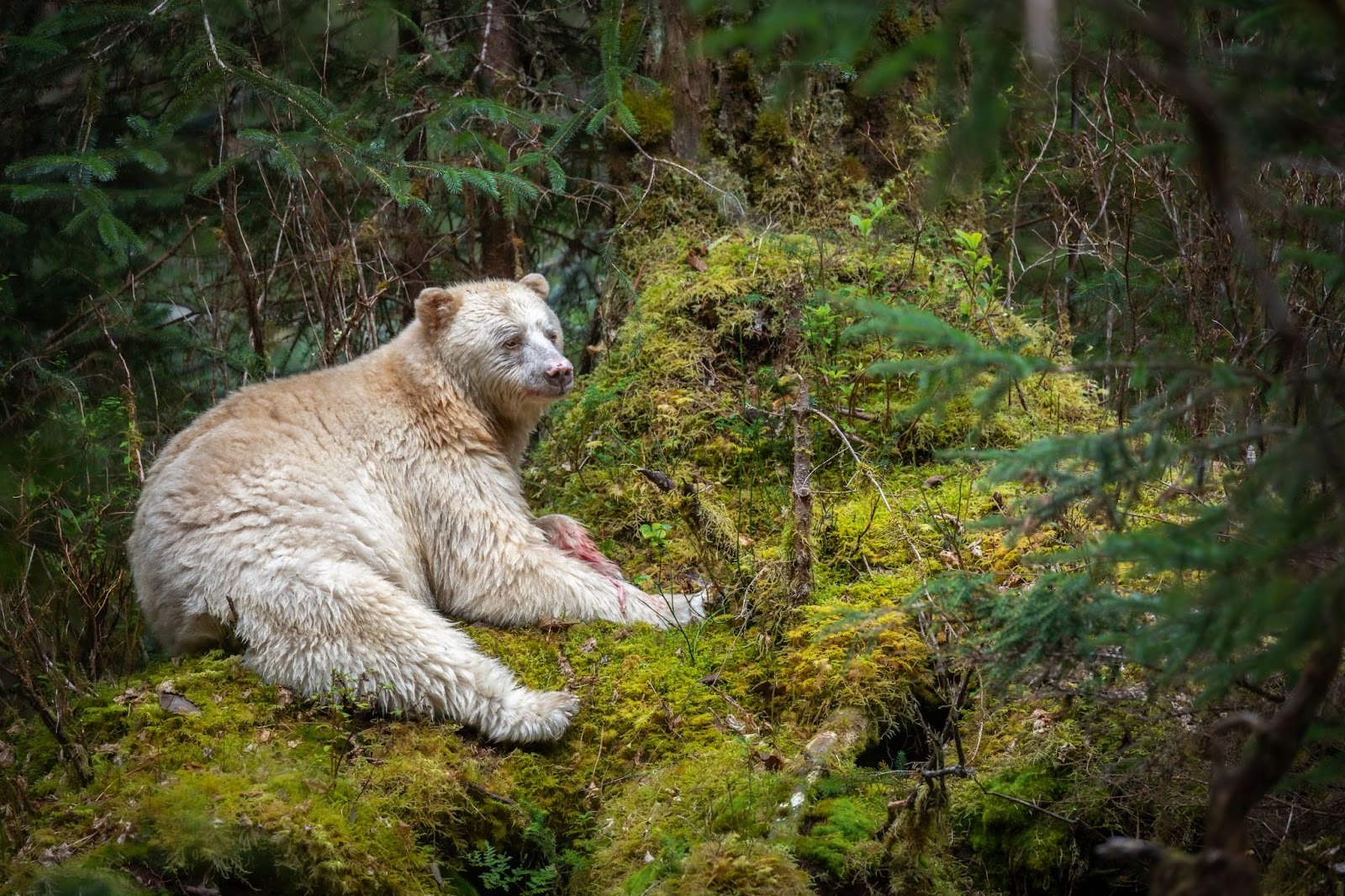
“Anyone that is fortunate enough to see a spirit bear will likely never see another one ever in their life, so it’s important for them to capture ‘safety’ shots – as in, just make sure they get some solid, sharp shots to go home with,” he explains. “I have spent hundreds of hours with spirit bears, so there was lots of room to experiment with different settings and frames, and I really learned how bears act, think, and generally behave – that helps a lot.”
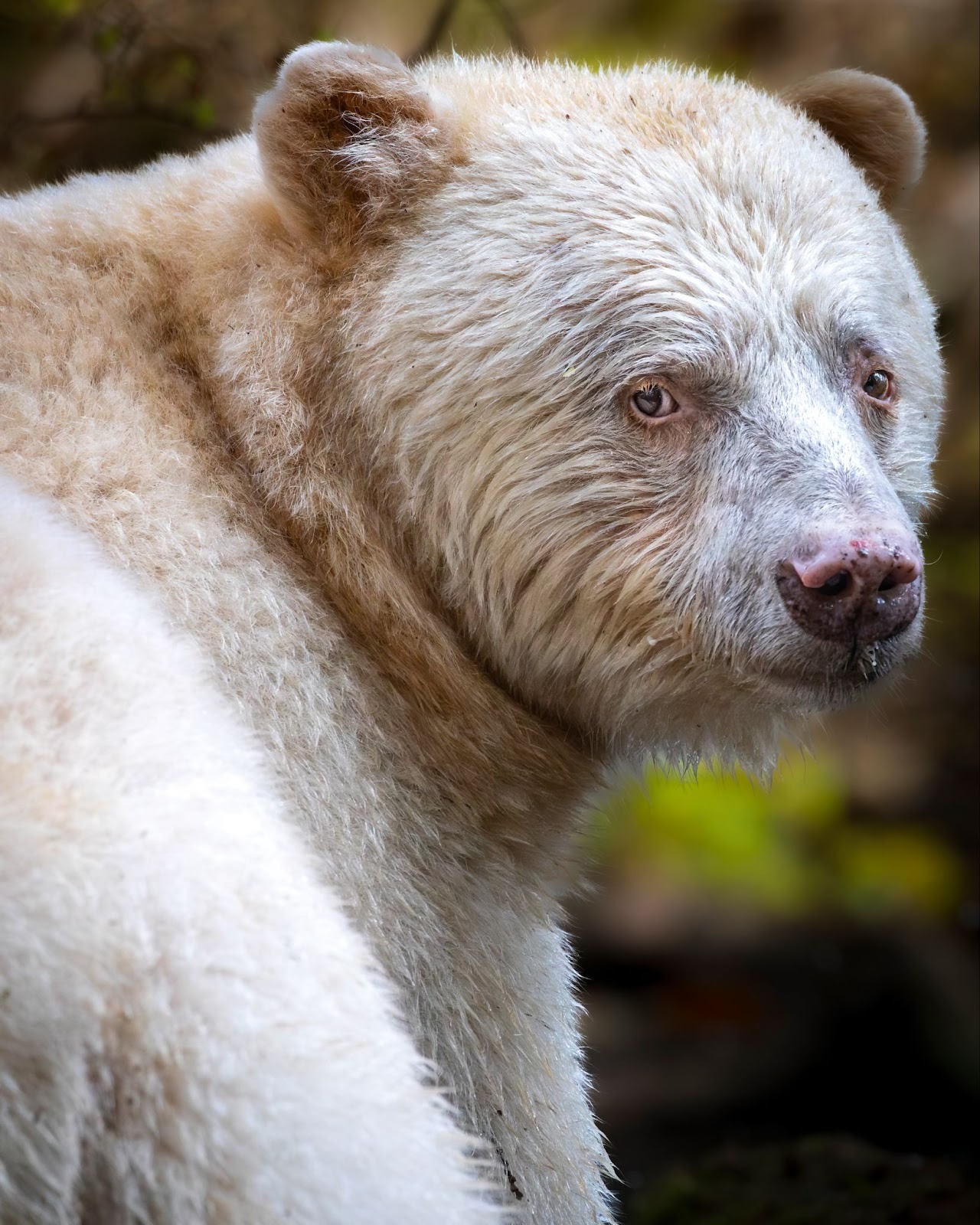
There’s a lesson here for all of us. The subject you can return to again and again – the one in your backyard, your neighborhood, your local park – that’s where your best work will come from. Jack just happened to have one of the rarest animals on Earth as his repeat subject.
Keep It Simple, Shoot in the Rain
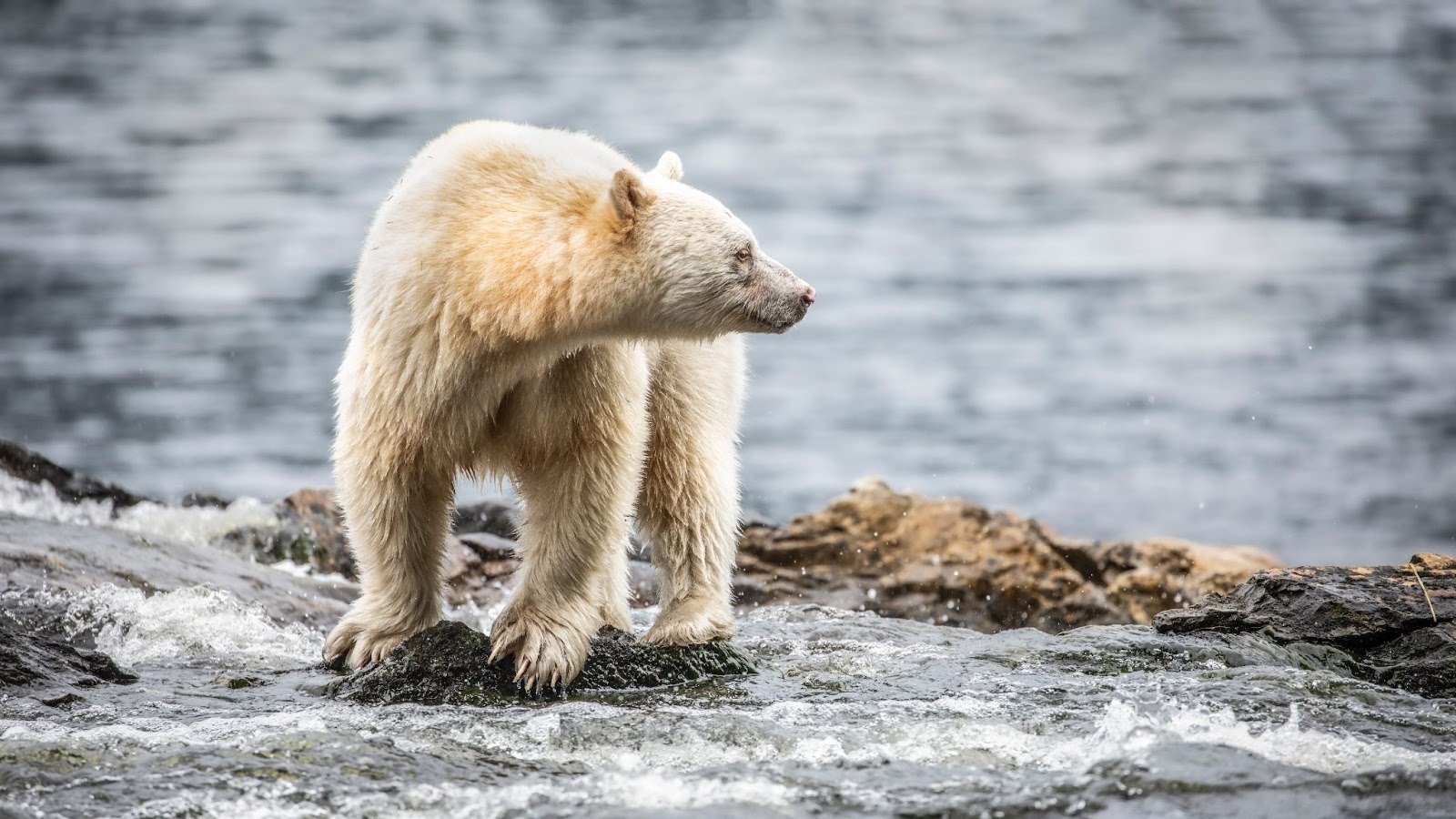
Our readers always want to know what’s in the bag. Jack keeps it refreshingly simple.
“Gear-wise, I keep it simple. The lighter my pack, the easier it is to get around, and I’ll also have to carry things like a first aid kit, food and water, radio, and maybe some layers,” he says. “Generally, I’m carrying my Sony A1 with either a 100-400mm or 200-600mm lens. This is the workhorse kit. In some cases, I’ll bring along a wider lens like a 24-70mm on my Sony A7R4 for the shots that are complemented by capturing more of the environment.”
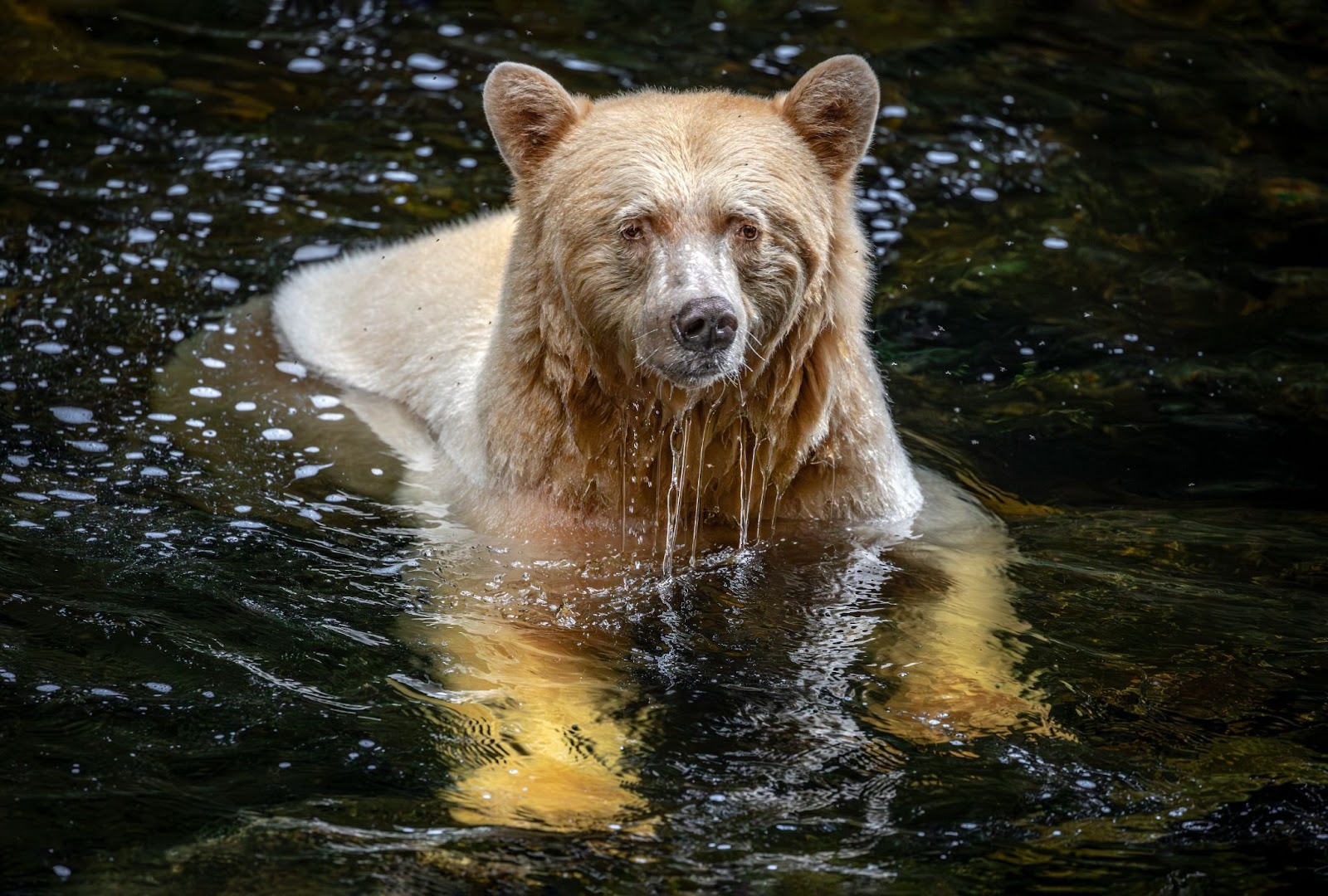
No tripod. When he wants a longer exposure, he uses a rock, a log, or the ground. It’s not conventional, but it works for him.
And then there’s the rain – which, in a rainforest, is constant.
“It’s smart to put your gear away when it’s pouring, but rain just creates such a tremendous atmosphere for wildlife photos. It’s risky, but I usually shoot in the rain if it feels worth it,” Jack says. “I don’t encase my camera within a bag or cover because moisture will eventually find its way in. I find it’s more effective to just rest a lightweight raincoat over myself and the camera and try to get the shots relatively quickly.”
Fog, Light, and a Chef’s Kiss
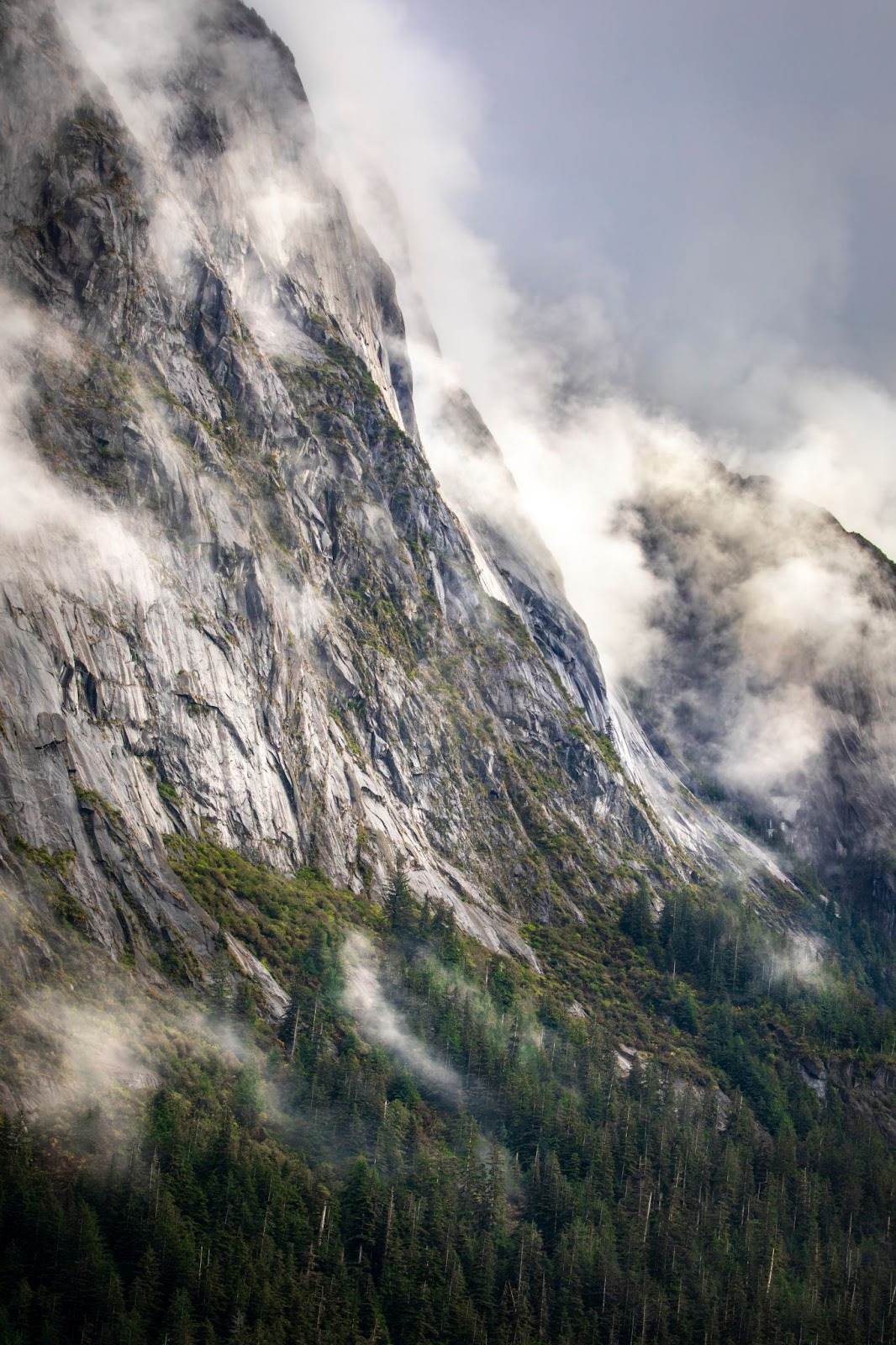
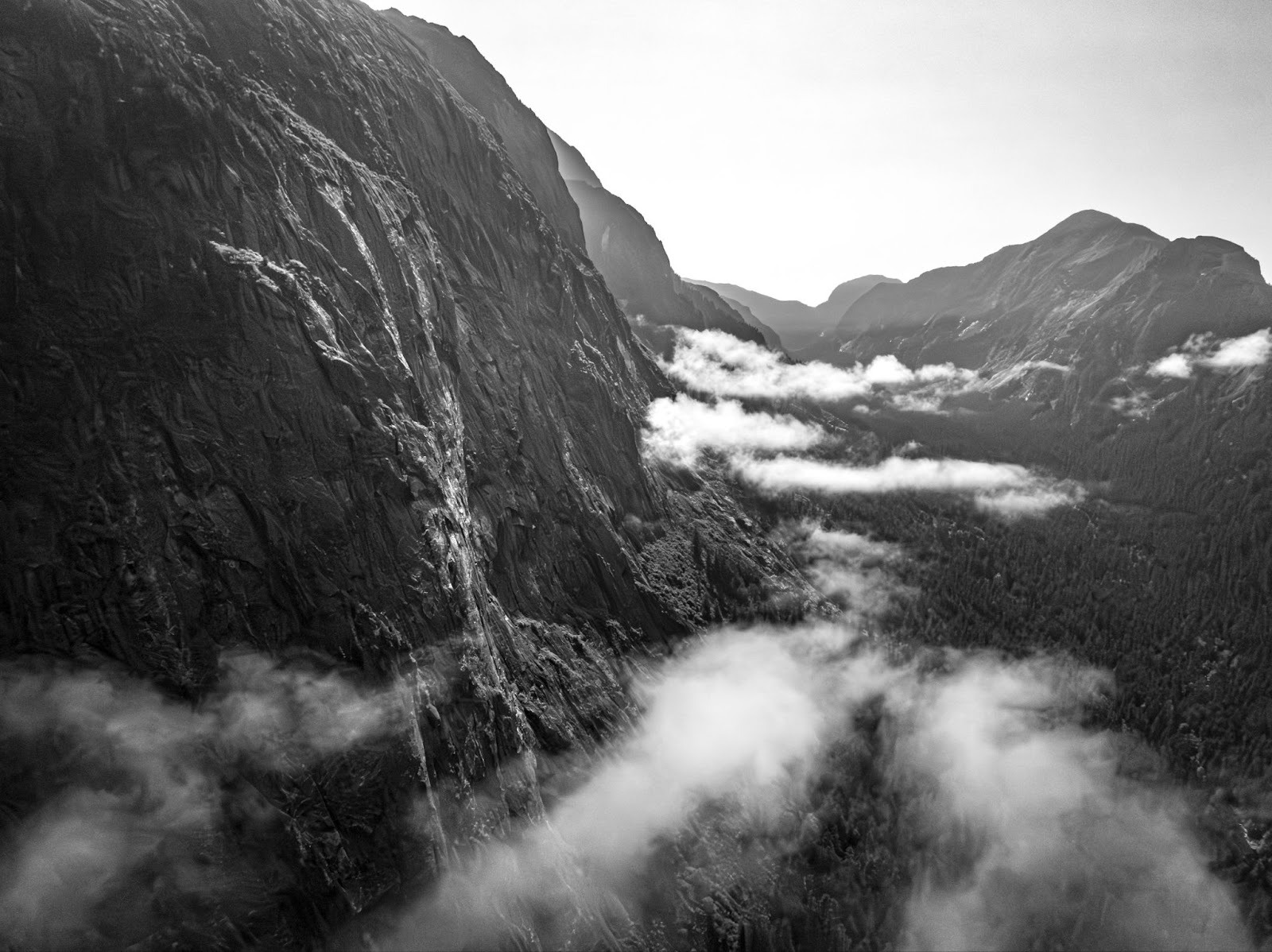
Let’s talk about light. The Great Bear Rainforest offers some of the most dynamic – and difficult – shooting conditions on the planet. Coastal fog, deep canopy shade, sudden clearings. Jack has learned to read all of it.
“Oh man, one of the most incredible lighting conditions is when the thick fog is dampening the sunlight,” he says. “It generally happens in the morning, in the fall. It’s like studio light outdoors. If you pair this with a killer whale or a humpback, it’s a chef’s kiss moment. Once the fog lifts, it’s followed by a harsh light that isn’t great for shooting. That morning September fog is so beautiful.”
Inside the canopy, it’s a different challenge entirely.
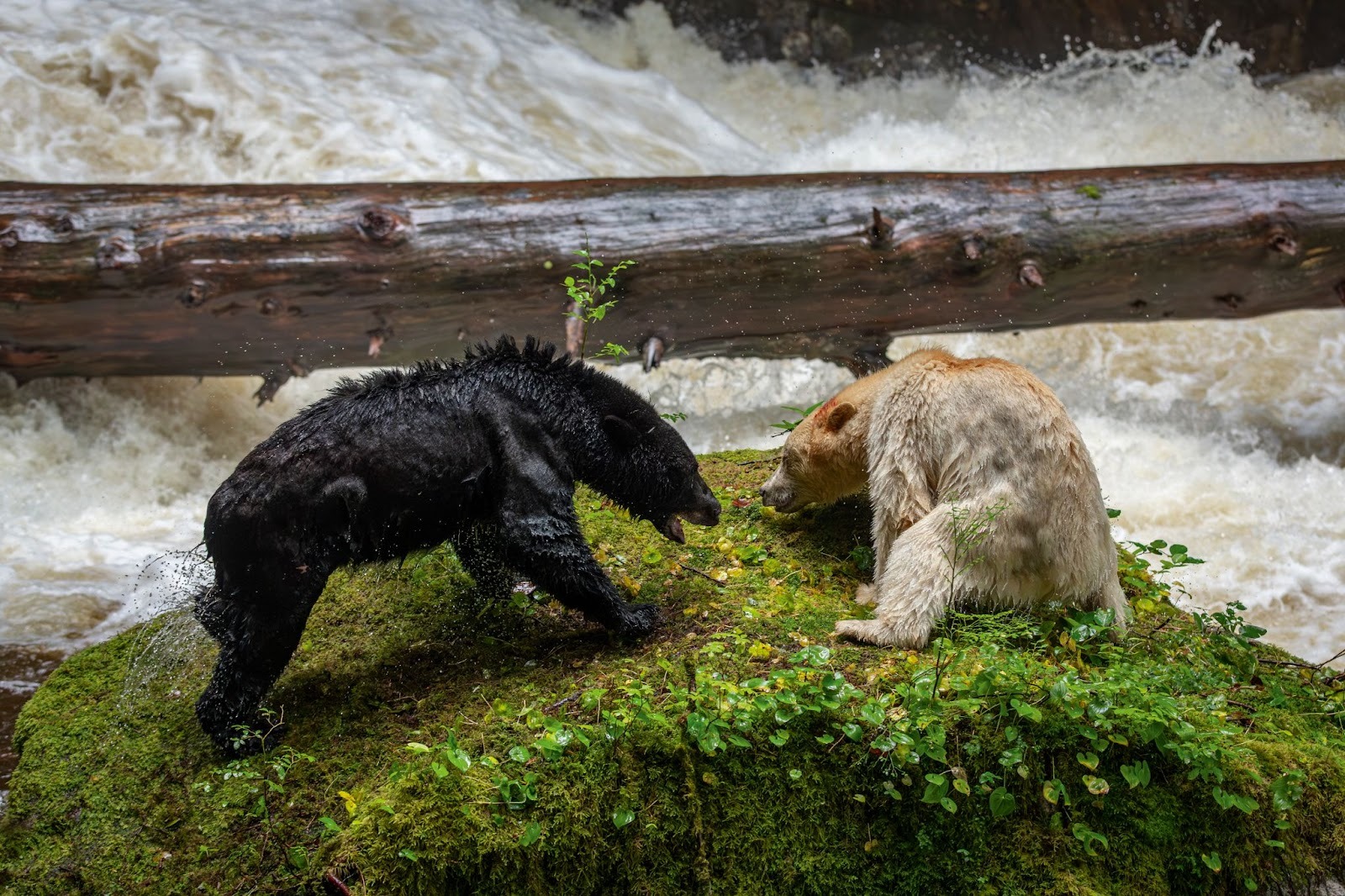
“Lots of shadows and inconsistencies. Especially when your subject moves around – it’s like the bears don’t know I’m trying to photograph them!” Jack laughs. “But because spirit bears are white, they’re quite easy to capture in terms of light, because they’re so contrasted to their environment. Whereas black bears are difficult to photograph in the darker parts of the forest. Having a black bear and spirit bear in the same frame, exposing for both, can be a real challenge but – pretty darn fun.”
What the Land Taught Him
The craft of wildlife photography isn’t just about camera settings and composition. It’s about understanding the world you’re working in – and for Jack, that education came from the people who have known the Great Bear Rainforest longer than anyone.
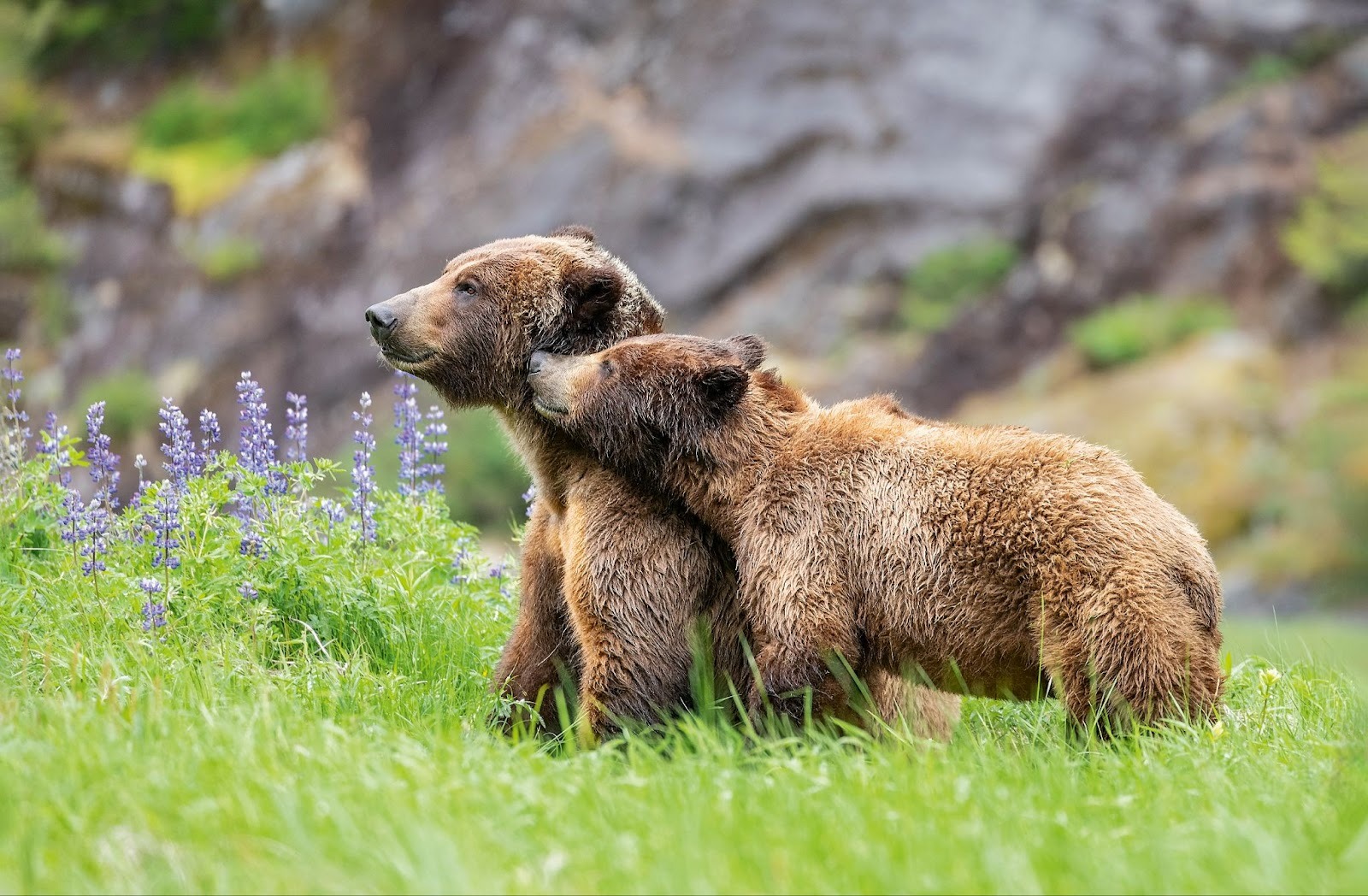
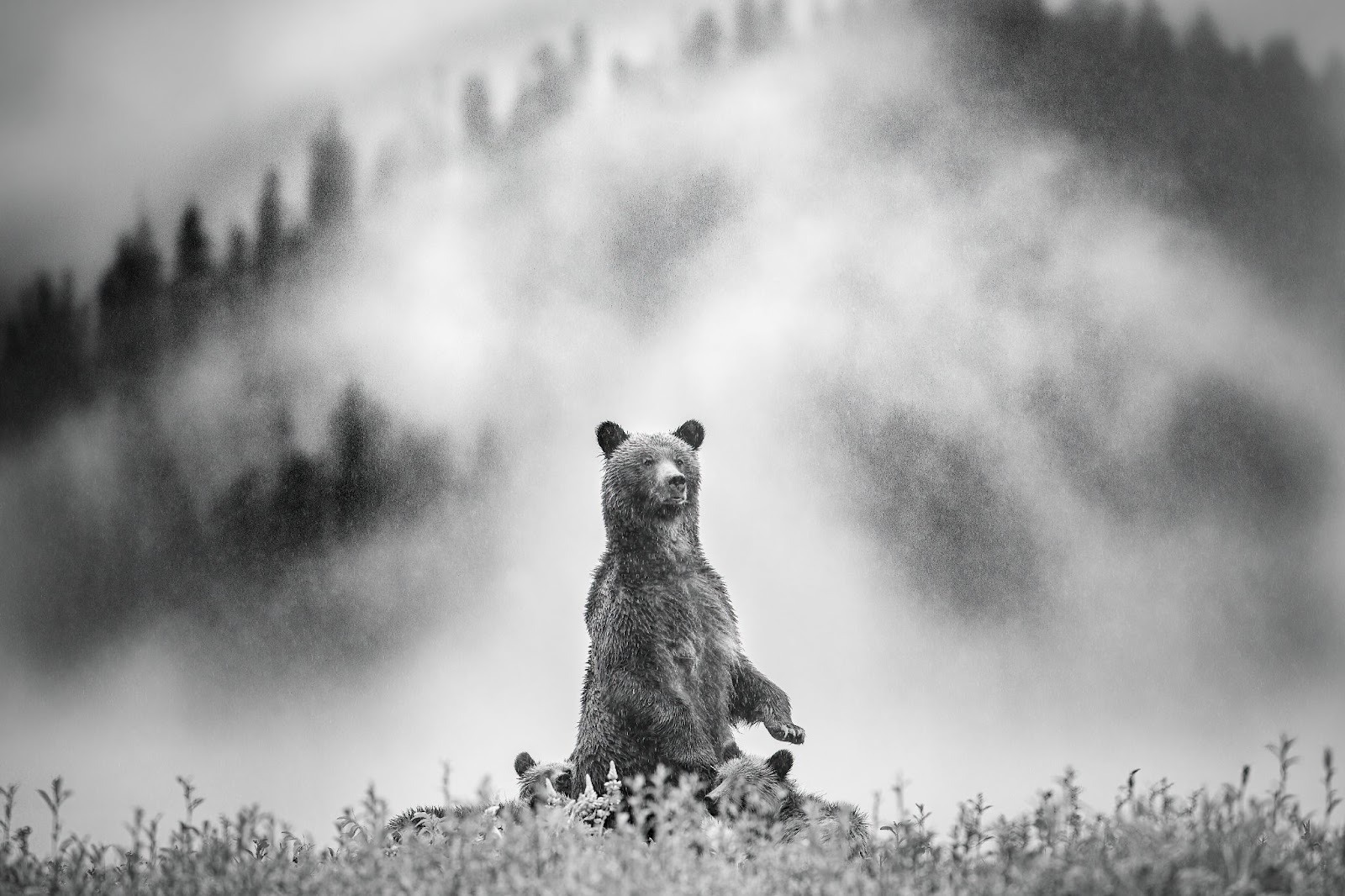
“The more you know about an animal, the better you’ll be at photographing it,” Jack says. “You start to understand when to get closer and when to give space. How to move around grizzlies, how to read a mother bear’s cues. Once you get to that point, you don’t need to force anything. You can wait, let them come to you, and the encounters feel natural.”
That knowledge came directly from the Kitasoo/Xai’xais Nation. Doug Neasloss, who wrote the afterword for Spirit of the Great Bear, first taught Jack how to be around bears. Chief Charlie Mason showed him how to navigate narrow passages where rocks weren’t charted or on GPS.
“When I first stepped into the Great Bear Rainforest, I didn’t know any of this,” Jack reflects. “Learning it gave me a much deeper connection to the place than I would have had otherwise. I like to think that comes through in my photographs.”
The Image That Means the Most
Every photographer has the one image that carries more weight than the rest. For Jack, it’s called Survivor.
“I tell the full story in the book, so I don’t want to spoil it,” he says. “I was given the honour of guiding a gentleman in search for a spirit bear. He had about five years to live and it was one of his dying wishes. Needless to say, we found one, and the encounter was rather… exciting. I will leave it at that.”
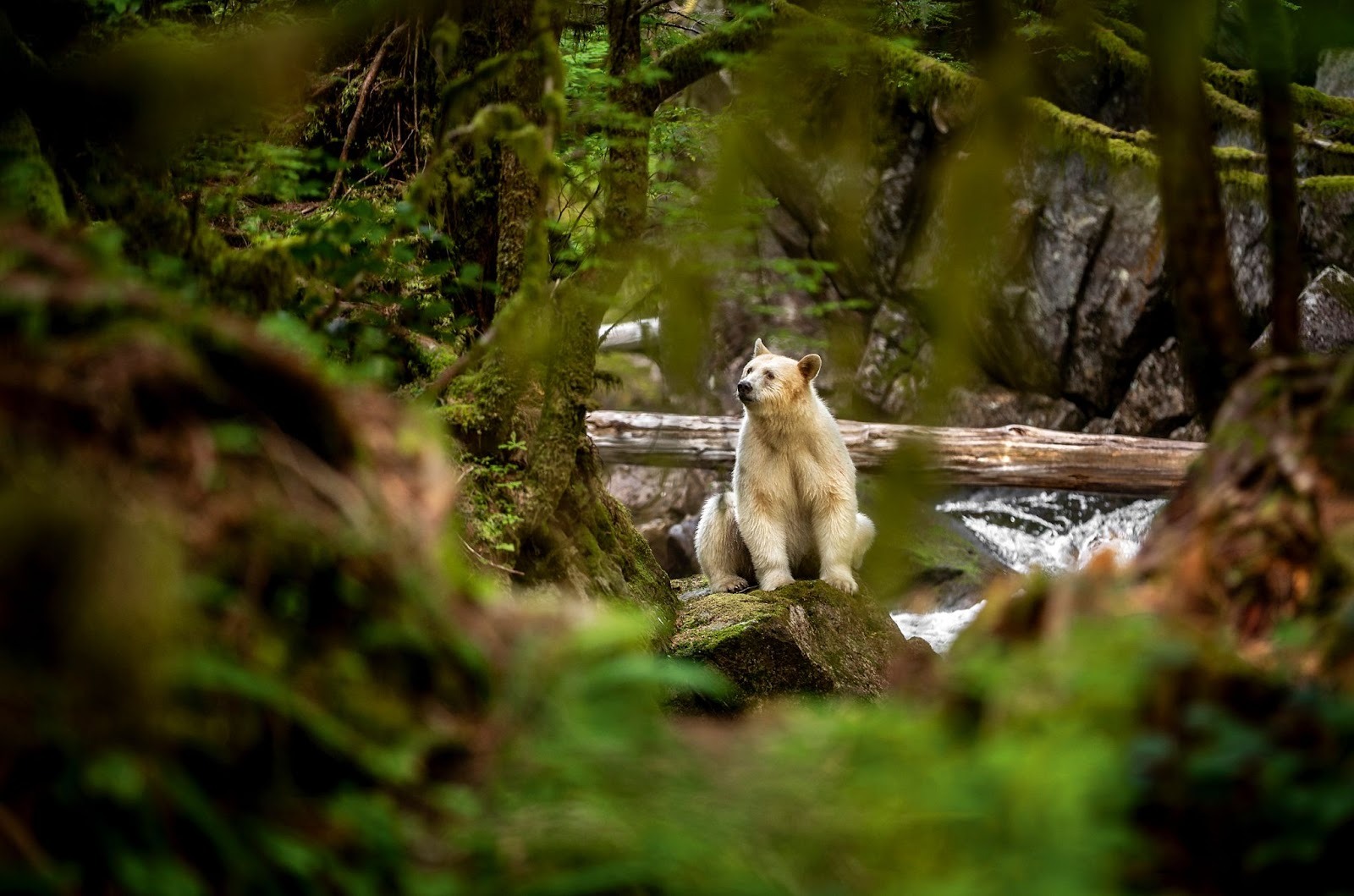
The photograph itself is of a spirit bear perched on a rock, looking upward as if pondering life, framed by rainforest flora.
“Even without the memory behind it, it still would be one of my favourites,” Jack says. “But images with powerful stories are always the most prominent. For me, it’s never about the best image in terms of composition and technical skill. It’s about the emotion I felt in the moment. Sometimes, if you’re lucky, that feeling comes through to someone else.”
The Honest Advice
We asked Jack for his honest advice for photographers who dream of long-term, immersive wildlife work. His answer wasn’t about gear or Instagram followers. It was about commitment, humility, and bumblebees.
“Find a subject that you can access all the time. It might be squirrels in your local forest. Or bumblebees in your garden during the summer. Get the best bumblebee shot anyone’s ever seen by photographing and experimenting every day.”
He also recommends seasonal guiding as a way in – working in the field alongside experienced photographers and learning the craft through real experience. But with a caveat.
“If you go into these places with photography being your priority, that might not go down well. You should make sure it’s okay to take photos while on tour, but you’re there to keep people safe and make sure they’re having an incredible trip. There will be many times where you should put down your camera and be present.”
And his final piece of advice might be the most important.
“Reach out to the people that inspire you the most. Send them a photo that is inspired by them, write to them, let them know they’ve affected your world positively. Their response could be life-changing.”
What’s Next
Spirit of the Great Bear was supposed to close a chapter. The rainforest had other plans.
“It keeps pulling me back, and of course I can’t help but head out there with my camera,” Jack says. He’s currently working on an ebook about photographing bears – a practical guide for people heading out on a once-in-a-lifetime trip who want solid tips before they go.
But the bigger mission remains.
“I still meet North Americans who have never even heard of the Great Bear Rainforest, which is wild to me,” he says. “I feel a responsibility to get the word out more. To show people what this place really is, and what’s at stake if we don’t support the Indigenous communities working to protect one of the most important habitats on Earth.”
Jack Plant walked into the Great Bear Rainforest as a young guide with no camera and no plan. He came out with a body of work that stands as both art and advocacy – proof that sometimes the most powerful thing a photographer can do is simply show up, pay attention, and keep coming back.
Spirit of the Great Bear is available for pre-order now. You can learn more about Jack’s work and the book at [https://bnccatalist.ca/scrollview.aspx?id=382587].
Elevate Your Vision


Read this story and all the best stories on The Luminous Landscape
The author has made this story available to Luminous Landscape members only. Upgrade to get instant access to this story and other benefits available only to members.
Why choose us?
Luminous-Landscape is a membership site. Our website contains over 5300 articles on almost every topic, camera, lens and printer you can imagine. Our membership model is simple, just $2 a month ($24.00 USD a year). This $24 gains you access to a wealth of information including all our past and future video tutorials on such topics as Lightroom, Capture One, Printing, file management and dozens of interviews and travel videos.
- New Articles every few days
- All original content found nowhere else on the web
- No Pop Up Google Sense ads – Our advertisers are photo related
- Download/stream video to any device
- NEW videos monthly
- Top well-known photographer contributors
- Posts from industry leaders
- Speciality Photography Workshops
- Mobile device scalable
- Exclusive video interviews
- Special vendor offers for members
- Hands On Product reviews
- FREE – User Forum. One of the most read user forums on the internet
- Access to our community Buy and Sell pages; for members only.
You may also like