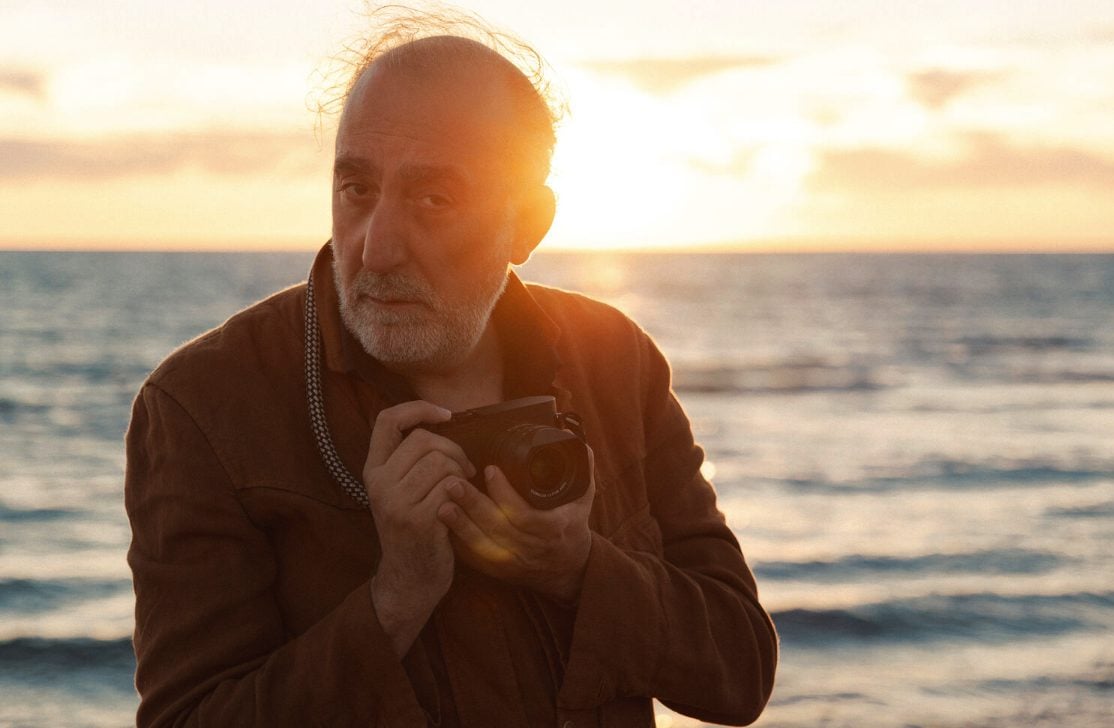




My good friend David – a LuLa member and Canon R5 II shooter – called me the other day with a question every photographer faces. He’s heading to Japan with his family in a couple of months and wants to bring a camera. But not his whole camera kit.
Maybe you know the scenario. You’re traveling with people who don’t want to wait for you to swap lenses and get all “fiddly” with camera gear.
Your bag already has snacks, a water bottle, jackets, and exactly zero room for a full mirrorless kit. BUT – you also refuse to rely solely on your phone because – well – you’re a photographer. You know what you’re missing – you’re only here once.
David shoots everything when he travels. Street scenes, architecture, landscapes, family moments. He wants something small enough to carry without complaints, capable enough to deliver images he’ll actually want to print, and simple enough that he’s not fiddling with settings while his family walks ahead without him.
Oh, and he’d prefer not to upset the “family accountant”. So while he could technically afford a $10,000 camera, the diplomatic choice is to keep it reasonable.
Before we talked, I did some homework. I pulled some specs, compared bodies, read reviews, and talked to photographers who actually use these cameras. What started as advice for David turned into something I thought was worth sharing with everyone.
The Field: Six Serious Travel Compacts
The fixed-lens compact camera has had a real resurgence. Manufacturers have figured out that plenty of photographers want a single lens, a great sensor, and a body they can carry all day. The question is which trade-offs we’re willing to accept.
I narrowed it down to six cameras that represent the best of what’s available right now. Each one takes a different approach to the same problem – serious image quality in a portable package.
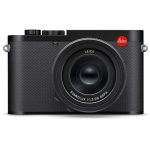
- Leica Q3 – 60.3MP full frame, 28mm f/1.7 Summilux, optical IS, IP52 weather sealed, 8K video. The prestige play.
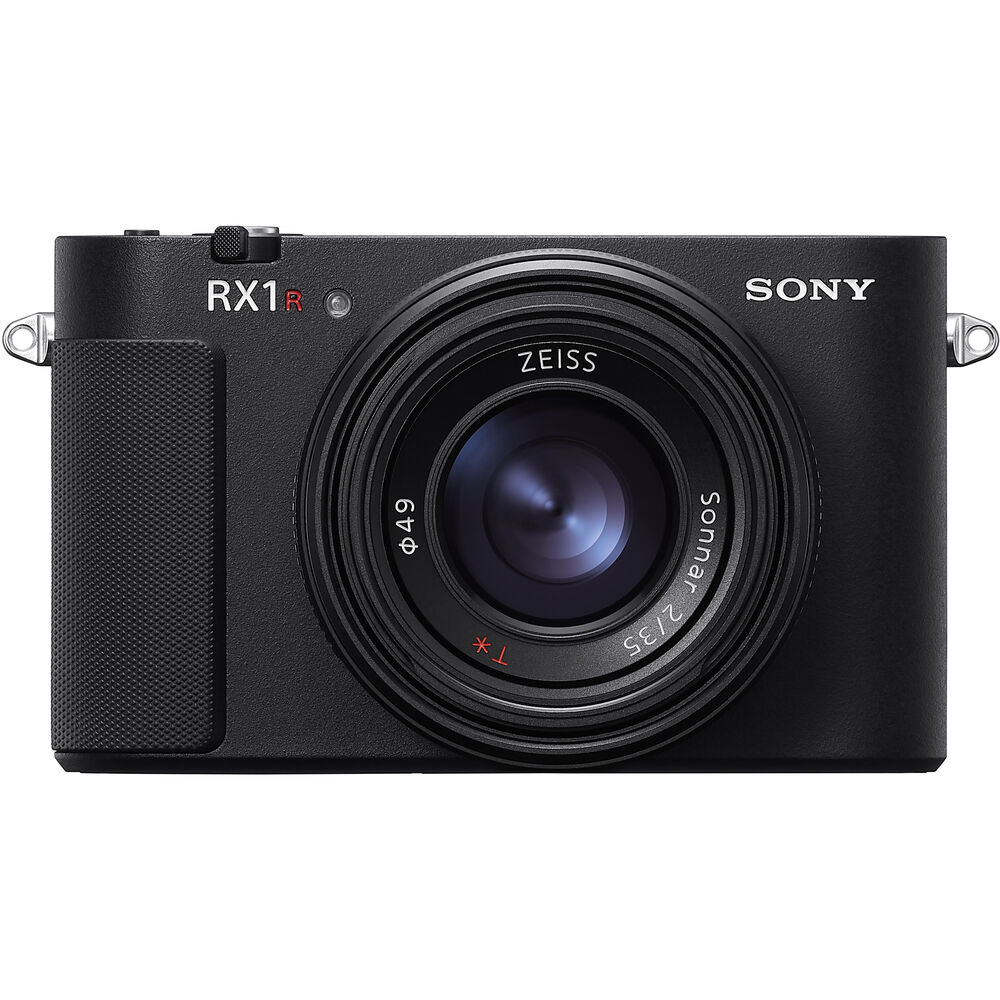
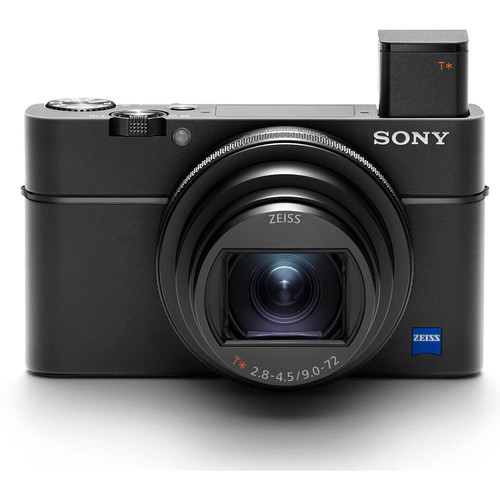
- Sony RX1R III – 60MP full frame, 35mm f/2 Zeiss Sonnar, no IBIS. The purist’s compact.
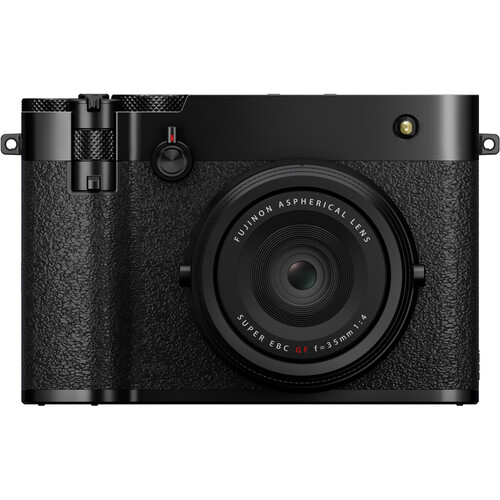
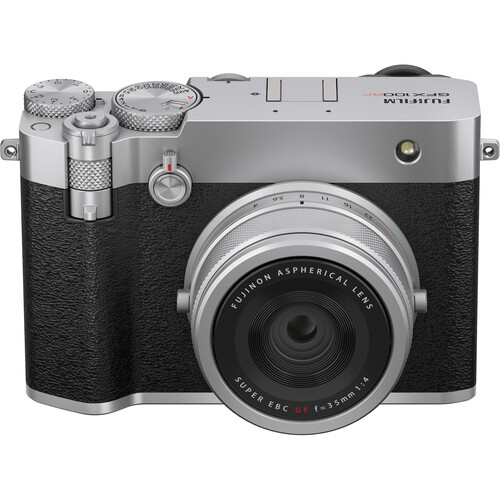
- Fujifilm GFX100RF – 102MP medium format (44x33mm), 35mm f/4 (28mm equiv), no IBIS. The resolution monster.
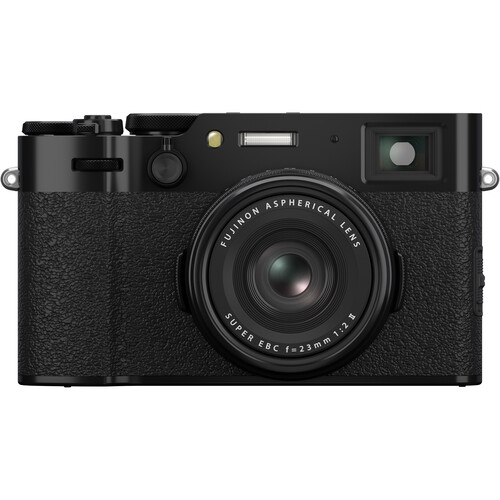
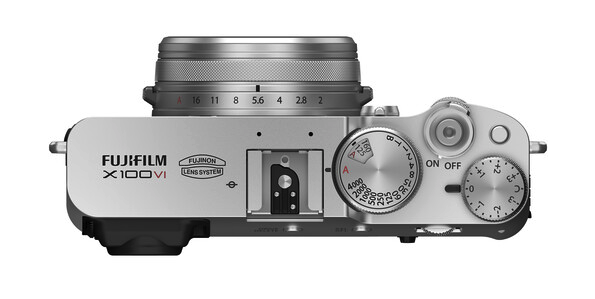
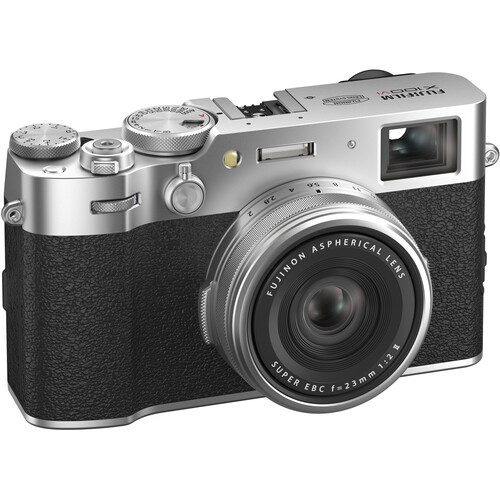
- Fujifilm X100VI – 40.2MP APS-C, 23mm f/2 (35mm equiv), 5-axis IBIS, hybrid OVF/EVF. The people’s champion.
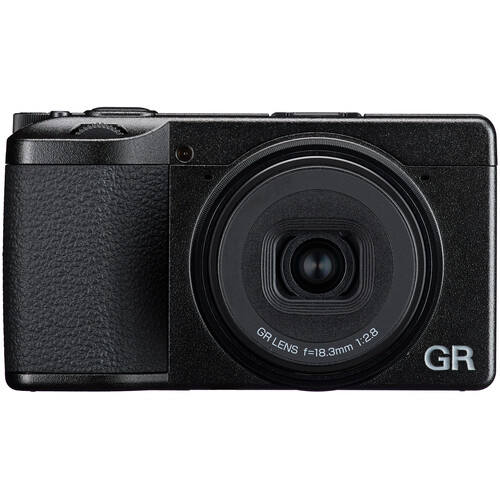
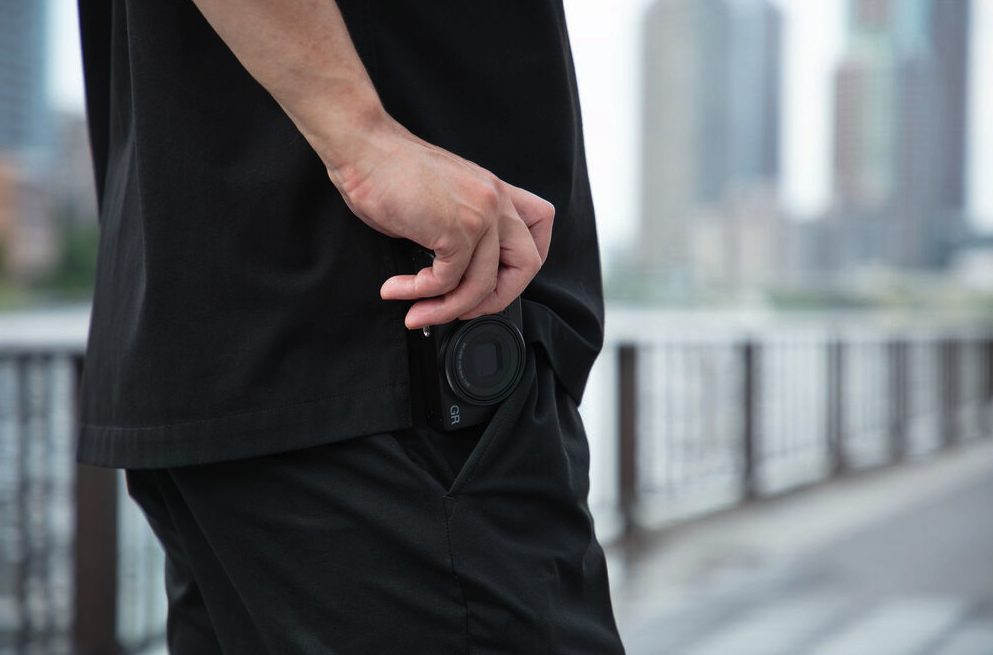
- Ricoh GR IV – 25.7MP APS-C, 18.3mm f/2.8 (28mm equiv), 5-axis IBIS, 262g. The pocket rocket.
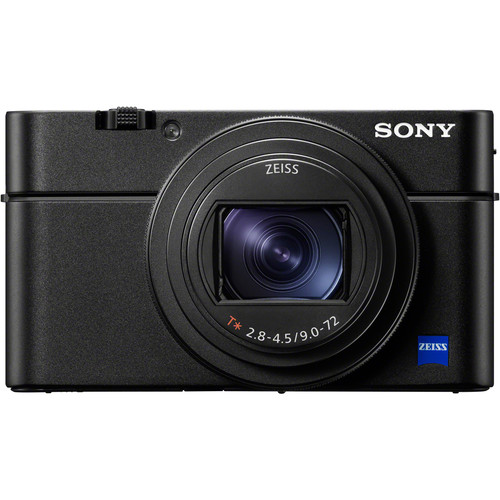
- Sony RX100 VII – 20.1MP 1-inch sensor, 24-200mm zoom, optical IS. The versatility pick.
Let’s look at each one that matters – and which ones made the final cut for David.
Core Specs at a Glance
Before we get into the narrative, here’s the raw comparison. The numbers set the stage…
Sensor and Lens
| Camera | Sensor | Sensor | Aperture | Stabilization | Weight |
|---|---|---|---|---|---|
| Leica Q3 | FF, 60.3MP | 28mm | f/1.7 | Optical IS | 743g |
| Sony RX1R III | FF, 60MP | 35mm | f/2 | Electronic only | 498g |
| Fuji GFX100RF | MF 44×33, 102MP | 28mm equiv | f/4 | None | 735g |
| Fuji X100VI | APS-C, 40.2MP | 35mm equiv | f/2 | 5-axis IBIS | 521g |
| Ricoh GR IV | APS-C, 25.7MP | 28mm equiv | f/2.8 | 5-axis IBIS | 262g |
| Sony RX100 VII | 1-inch, 20.1MP | 24-200mm zoom | f/2.8-4.5 | Optical IS | 302g |
Size and Weight
| Camera | Dimensions (approx) | Weight with Battery | Pocketable? |
|---|---|---|---|
| Leica Q3 | 130 x 80 x 93mm | 743g | No – small bag camera |
| Sony RX1R III | 113 x 68 x 88mm | 498g | Large jacket pocket |
| Fuji GFX100RF | 135 x 91 x 76mm | 735g | No – small bag camera |
| Fuji X100VI | 128 x 75 x 55mm | 521g | Sling or small bag |
| Ricoh GR IV | 109 x 61 x 34mm | 262g | Yes – pant pocket |
| Sony RX100 VII | 102 x 59 x 43mm | 302g | Yes – pant pocket |
Current Pricing (2025-2026)
| Camera | Typical New Price (USD) | Context |
|---|---|---|
| Leica Q3 | $5,995 – $6,295 | Premium pricing; holds resale value well |
| Sony RX1R III | ~$5,100 | Similar tier to Q3 at launch |
| Fuji GFX100RF | $4,899 – $5,499 | Medium format for under $5.5K |
| Fuji X100VI | ~$1,599 | High demand, limited availability |
| Ricoh GR IV | ~$1,499 | Jump over GR III but still accessible |
| Sony RX100 VII | $1,000 – $1,300 | Often cheaper used; mature product |
Image Quality: What Matters on the Road
Let’s be clear about something. The difference in image quality between these cameras – in real travel shooting conditions – is smaller than the spec sheets suggest.
All six cameras produce images that are dramatically better than any smartphone. The gaps show up in specific scenarios: large prints, heavy crops, extreme low light, and shallow depth of field.
Resolution and Sensor Size
The GFX100RF‘s 102MP medium format sensor sits at the top of the resolution chart. If you’re making gallery prints or cropping aggressively, nothing here touches it. The Leica Q3 and Sony RX1R III both deliver around 60MP on full frame – more than enough for virtually any travel scenario and plenty of room for digital cropping.
The X100VI‘s 40.2MP APS-C sensor sounds like a step down on paper, but in practice it resolves beautifully. Fuji’s X-Trans sensor design and excellent lens create files that hold up to scrutiny. The Ricoh GR IV at 25.7MP is more modest but still perfectly capable for large prints and reasonable crops.
The RX100 VII‘s 1-inch sensor at 20.1MP is the compromise candidate. It won’t match the others in dynamic range or high-ISO performance, but it delivers results that is surprising from a shirt-pocket camera.
Lens Character and Field of View
This is where personal preference really takes over. The cameras split into two camps: 28mm-equivalent (Q3, GFX100RF, GR IV) and 35mm-equivalent (RX1R III, X100VI). The RX100 VII stands alone with its 24-200mm zoom.
28mm is wide enough for architecture, street scenes, and environmental portraits. It’s the classic travel focal length. 35mm feels more natural and documentary – closer to how most people actually see. Neither is wrong. It’s about how you see.
The Q3’s f/1.7 Summilux gives it an advantage in background separation and low-light capability compared to the GFX100RF’s f/4 or the GR IV’s f/2.8.
But several of these cameras offer digital crop modes that help extend their reach – the Q3 can crop to 35, 50, 75, and 90mm equivalents while still maintaining very usable resolutions from that 60MP sensor.
Stabilization and Low Light
For handheld travel shooting, stabilization is very helpful.
The X100VI leads here with 5-axis IBIS rated at up to 6 stops – you can handhold this camera in lots of conditions that others won’t do as well. The GR IV also packs 5-axis stabilization, which is remarkable given its size.
The Q3 uses optical stabilization in the lens, which paired with that f/1.7 aperture makes it extremely capable when the light gets low. The RX1R III and GFX100RF have no IBIS at all – a notable limitation. Personally, I think the next GFX100RF will probably have some IBIS. At 60MP and 102MP respectively, camera shake becomes visible fast. You’ll need to be more conscious and deliberate with shutter speeds.
For travel photography where you’re often shooting handheld in museums, restaurants, narrow streets at dusk – stabilization is very useful and raises your “hit” count.
Portability: The Whole Point
David’s primary concern – and probably yours if you’re reading this – is size and weight. He’s done with hauling gear while traveling with family and quick trips. This is where the field separates.
The Ricoh GR IV at 262 grams is absurdly light. It fits in a pant pocket. You might forget it’s there. The RX100 VII at 302 grams is similarly pocketable, and its collapsible body is great.
The X100VI and RX1R III occupy the middle ground. At 521g and 498g respectively, they’re not pocketable for most people, but they ride comfortably in a small sling bag, cross-body, or camera strap. You can carry either all day without feeling it.
The Q3 and GFX100RF are the outliers at 743g and 735g. These are totally compact compared to a full mirrorless kit with lenses. BUT they feel like smaller cameras, not pocket cameras. For David’s Japan trip – where he’ll be walking for hours through temples, markets, and city streets – that weight difference matters.
I mentioned the GFX100RF to David for completeness, but we ruled it out fairly quickly. The 735g weight plus the $5,000+ price tag pushed it past what made sense for his use case. If you’re a GFX shooter you know about the sensor – brilliant choice.
But as a standalone travel compact recommendation, the weight and cost are prohibitive for most photographers.
The “Little Fuss” Factor
David wants to raise the camera, shoot, and get a great result without navigating menus or managing settings while his family is ten steps ahead.
The X100VI shines here. Fuji’s physical aperture ring, shutter speed dial, and exposure compensation dial mean you can set everything by feel without looking at a screen. The hybrid OVF/EVF lets you switch between optical and electronic viewfinding on the fly. And Fuji’s film simulations – more on those in a moment – mean your straight-out-of-camera JPEGs can look stunning with zero post-processing.
The Q3 delivers a similarly tactile experience with clean manual controls and Leica’s minimalist interface. There are some SOOC (Straight out of Camera) looks to work with. Weather sealing does add peace of mind in unpredictable conditions. But the menu system has its own logic that takes some learning.
The GR IV is the fastest draw in the group. Pull it from your pocket, raise, shoot. Snap focus modes let you pre-set a focus distance and fire without waiting for autofocus. For street photography, this is wonderful. The trade-off is no EVF – you’re composing on the rear screen, which can struggle in bright sun.
The RX1R III appeals to purists who love that Zeiss Sonnar rendering, but the lack of IBIS, modest battery life, and absence of weather sealing may add friction for casual travel. It rewards more careful, deliberate shooting – which isn’t always compatible with family travel pace.
The RX100 VII has strong autofocus and an intuitive zoom, but the small body means small controls. Menu diving is part of the Sony experience. It’s capable, but not exactly “little fuss.”
Straight Out of Camera: The Fuji Secret Weapon
This was a big factor for David. He doesn’t want to spend his evenings in a hotel room editing RAW files. He wants to shoot, get great results, and share a few to his phone.
And this is where Fuji’s film simulation ecosystem becomes a competitive advantage.
The X100VI ships with Fuji’s full suite of film simulations – including the newer REALA ACE – produce beautiful, ready-to-share JPEGs. To note, the real magic is the community that’s built up around custom recipes. Sites like Fuji X Weekly offer hundreds of recipes that emulate specific film stocks, color grades, and moods. You dial in a recipe before you shoot, and the camera does the rest.
One recipe that’s gained a huge following is Reggie’s Porta 160 – a custom recipe designed to mimic the warm, slightly faded tones of Kodak Portra 160 film. It’s become a go-to for travel and street photographers who want that analog feel without touching Lightroom.
No other camera in this group has this kind of straight-out-of-camera culture. Leica and Ricoh both produce excellent JPEGs, but the Fuji recipe ecosystem is in a league of its own for photographers who want beautiful results with minimal processing. Tip: shoot raw as well in case you change your mind on a “recipe” later.
What I Told David
After walking through everything – the specs, the trade-offs, the price, the Japan trip logistics – I told David to get the Fujifilm X100VI.
Here’s why it made sense for him:
- At 521g with a compact body, it’s light enough to carry all day without complaint
- The 35mm-equivalent focal length works for everything he shoots – streets, temples, food, family portraits
- 5-axis IBIS means he can shoot handheld in dimly lit shrines and restaurants
- Film simulations and recipes like Reggie’s Porta 160 give him gorgeous JPEGs without any post-processing
- At $1,599-2200, it doesn’t upset the family accountant
- If something happens to it on the road, it stings – but it doesn’t ruin the vacation budget
My second recommendation was the Ricoh GR IV. If David wanted something even smaller – truly pocketable, grab-and-go at 262 grams – the GR IV is hard to argue with. There are some big fans out there of the Ricoh. The 28mm focal length is a touch wider, the f/2.8 lens is a stop slower, and there’s no viewfinder. But the image quality from that APS-C sensor is excellent, the new 5-axis stabilization is a big upgrade, and the size factor is amazing. You can bring this camera everywhere because it goes everywhere.
For photographers who need focal length flexibility – birding from a temple balcony, zooming into distant details on a mountainside – the RX100 VII remains a strong option. That 24-200mm range in a pocketable body is unique. The 1-inch sensor is the smallest here, but it still produces results that shame most phones.
A Personal Confession
I should probably mention that while researching all this for David, I’ve been thinking about the Fuji myself.
I’ve been scrolling Facebook Marketplace for the past two months looking for a used X100VI. The demand for this camera is still so strong – Fuji released it a while back and they remain genuinely hard to find.
A few weeks ago, I spotted one under $2,000 and hesitated just long enough. Gone. If I’d pulled the trigger, I could shoot with it and probably soon could have turned around and sold it for a profit. That’s how hot this camera still is.
The hunt continues.
When Does It Make Sense to Spend More?
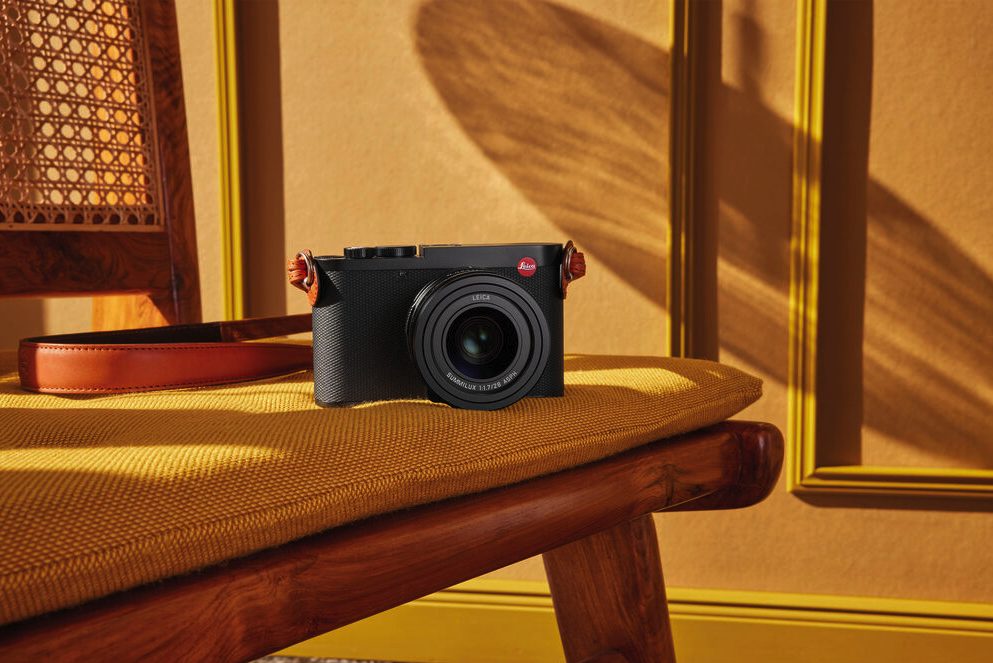
Look – the Leica Q3, Sony RX1R III, and Fuji GFX100RF are phenomenal cameras. I’m not dismissing them. But recommending them requires specific circumstances:
- Leica Q3 – Makes sense if you want the absolute best full-frame compact experience, value weather sealing and build quality, and the Leica ecosystem and resale value matter to you. Also excellent if you’re adding it to an existing Leica kit.
- Sony RX1R III – Ideal if you demand full-frame 60MP in the smallest possible body and you shoot deliberately. Purists who love that Zeiss rendering will accept the trade-offs. But the lack of IBIS and weather sealing are real limitations for travel.
- Fuji GFX100RF – The only choice if you specifically want medium format rendering and 102MP resolution in a portable body. For fine art and landscape photographers who make large prints, the GFX look is distinctive and worth the investment. For general travel, it’s overkill.
For most photographers wanting a high-quality travel companion that balances image quality, portability, ease of use, and price – the X100VI hits the sweet spot. The GR IV is right behind it for those who value pocket size above all else.
The Right Camera is the One You Bring
We all know that the best camera is the one you have with you. It’s a cliche because it’s true.
The most expensive, highest-resolution camera in the world is worthless if it’s sitting in the hotel room because you didn’t feel like carrying it.
David’s going to Japan with his family. He wants to capture the light falling through bamboo groves in Kyoto, and the organized chaos of Shibuya crossing. He needs a camera that works as fast as life happens.
The X100VI does that. And it does it beautifully.
Now if you’ll excuse me, I have some Facebook Marketplace refreshing to do.





Elevate Your Vision


Read this story and all the best stories on The Luminous Landscape
The author has made this story available to Luminous Landscape members only. Upgrade to get instant access to this story and other benefits available only to members.
Why choose us?
Luminous-Landscape is a membership site. Our website contains over 5300 articles on almost every topic, camera, lens and printer you can imagine. Our membership model is simple, just $2 a month ($24.00 USD a year). This $24 gains you access to a wealth of information including all our past and future video tutorials on such topics as Lightroom, Capture One, Printing, file management and dozens of interviews and travel videos.
- New Articles every few days
- All original content found nowhere else on the web
- No Pop Up Google Sense ads – Our advertisers are photo related
- Download/stream video to any device
- NEW videos monthly
- Top well-known photographer contributors
- Posts from industry leaders
- Speciality Photography Workshops
- Mobile device scalable
- Exclusive video interviews
- Special vendor offers for members
- Hands On Product reviews
- FREE – User Forum. One of the most read user forums on the internet
- Access to our community Buy and Sell pages; for members only.
You may also like