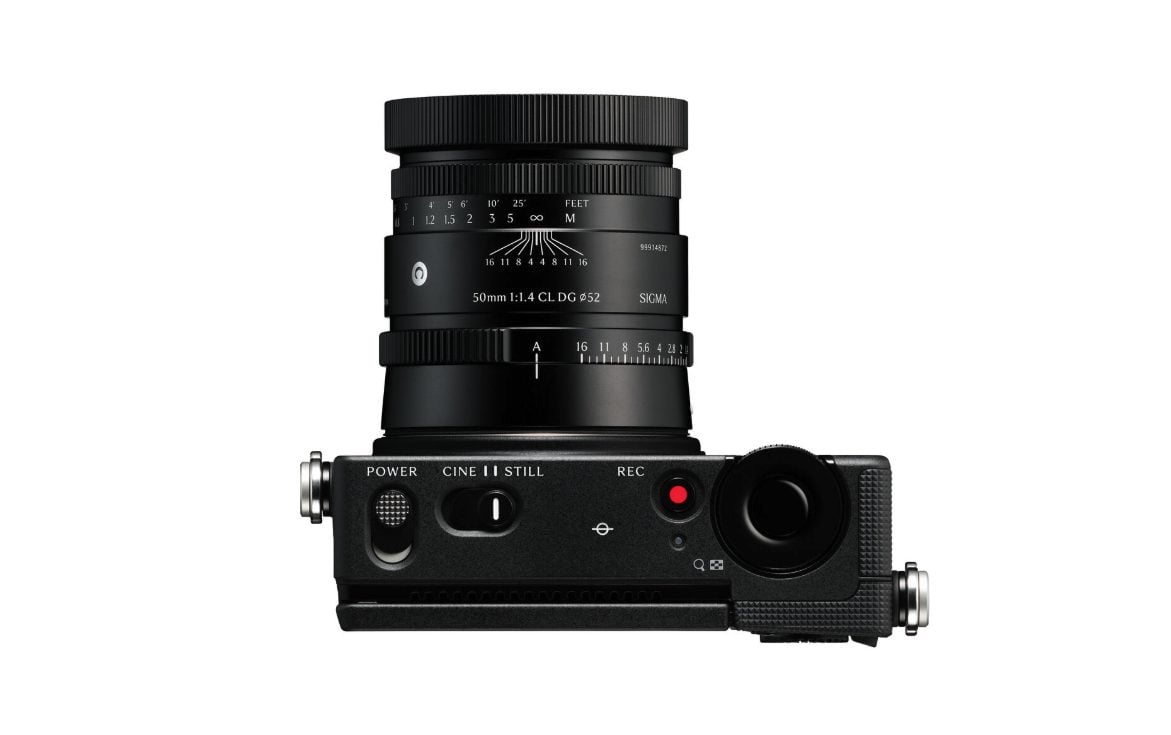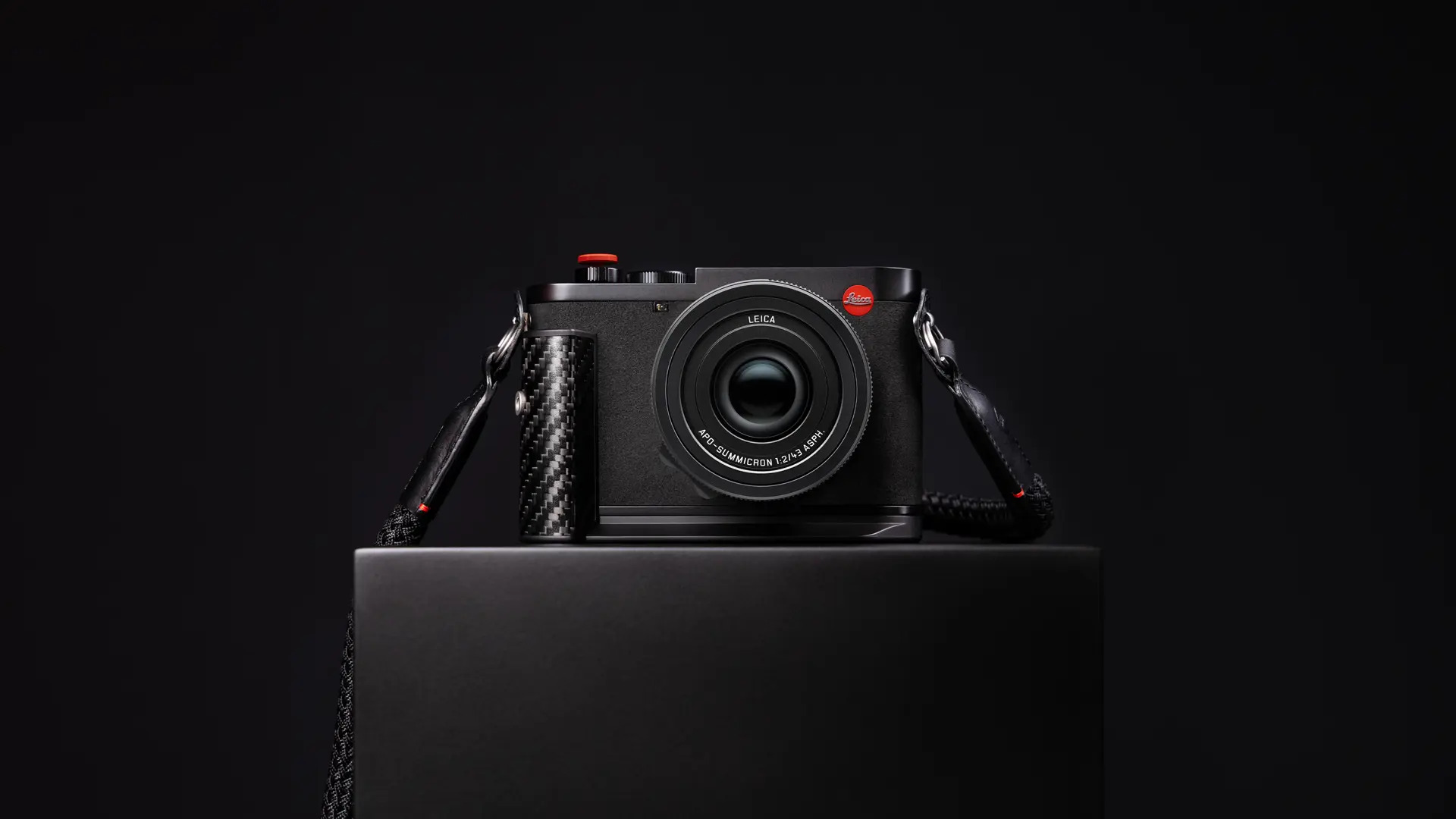






Sony has introduced the FX5, a new cinema camera placed between the FX3 and FX6 in its lineup. It’s not a still photography camera even though it may look like a still photography camera.
The FX5 arrived in July 2026 and is positioned as a more advanced video-focused tool than the FX3. The most important change is simple: the FX5 does not include a photo mode. It is designed for video only.
That single decision defines the camera’s focus.
The Short Version

For photographers who also shoot video with the same camera, this is not for you, the FX5 is not a hybrid tool. It doesn’t capture still images.
For dedicated videographers, the FX5 is a big step forward. It introduces internal RAW recording, full-sensor Open Gate capture, and a faster stacked sensor design.
For FX3 users considering an upgrade, the decision depends on workflow and your budget. Standard 4K production probably doesn’t require the FX5. The framing flexibility will be helpful for an all around video camera. You’ll have to buy new batts and memory cards.
Work involving RAW, reframing, or anamorphic lenses will benefit directly from it.
What Sony Built
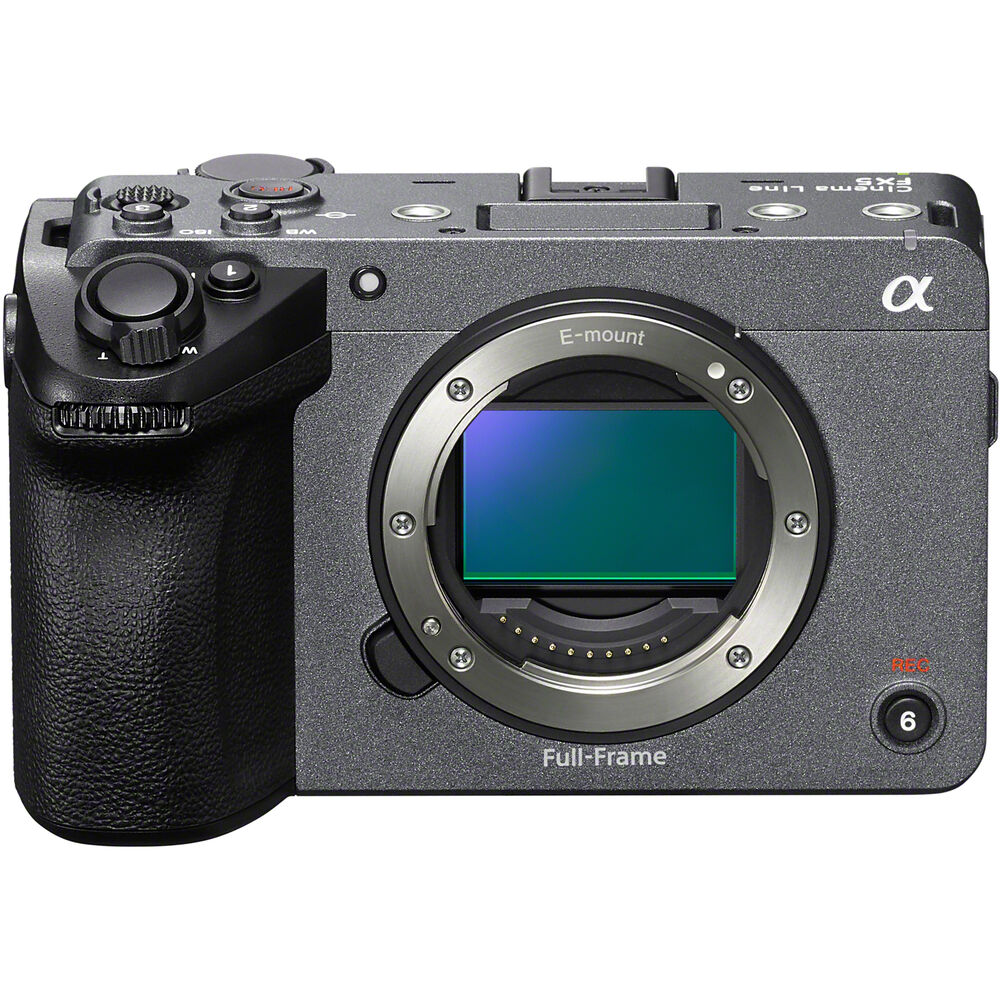
The FX5 sits in Sony’s Cinema Line between the FX3 and FX6. It is priced at $4,899.99 for the body, or $5,499.99 with the new XLR-H2 audio handle. It began shipping in the US in mid-2026.
The Deets:
Stacked 16.6MP full-frame sensor
The stacked design allows for a faster readout, which is supposed to reduce rolling shutter during movement and fast camera pans.
5K 3:2 Open Gate recording (up to 60p)
The full sensor area is used for recording. This supports vertical reframing, cropping flexibility, and anamorphic workflows. Good if you need that flexibility.
Internal 16-bit X-OCN RAW recording
The FX5 records RAW internally to CFexpress Type A cards. This removes the need for external recorders and should simplify production setups for higher end productions.
Three base ISO settings (800, 4,000, 12,800)
The added mid ISO improves performance in mixed and low-light environments. Very versatile. Great Doc camera.
Dual Gain mode
This mode increases dynamic range by combining two exposure readings, improving highlight and shadow detail in controlled shooting conditions. Great idea.
Improved autofocus system
The FX5 uses updated subject tracking for people, animals, and birds.
Larger display and optional EVF
A 3.5-inch high-resolution monitor is included, along with an optional high-resolution electronic viewfinder.
Built-in monitoring tools
Waveform, false color, and vectorscope tools are included for accurate exposure control. It’s been reported that the tools are a little bit small on screen.
32-bit float audio support
With the XLR-H2 handle, the FX5 records high-dynamic-range audio with reduced risk of clipping.
A Video-Only Design
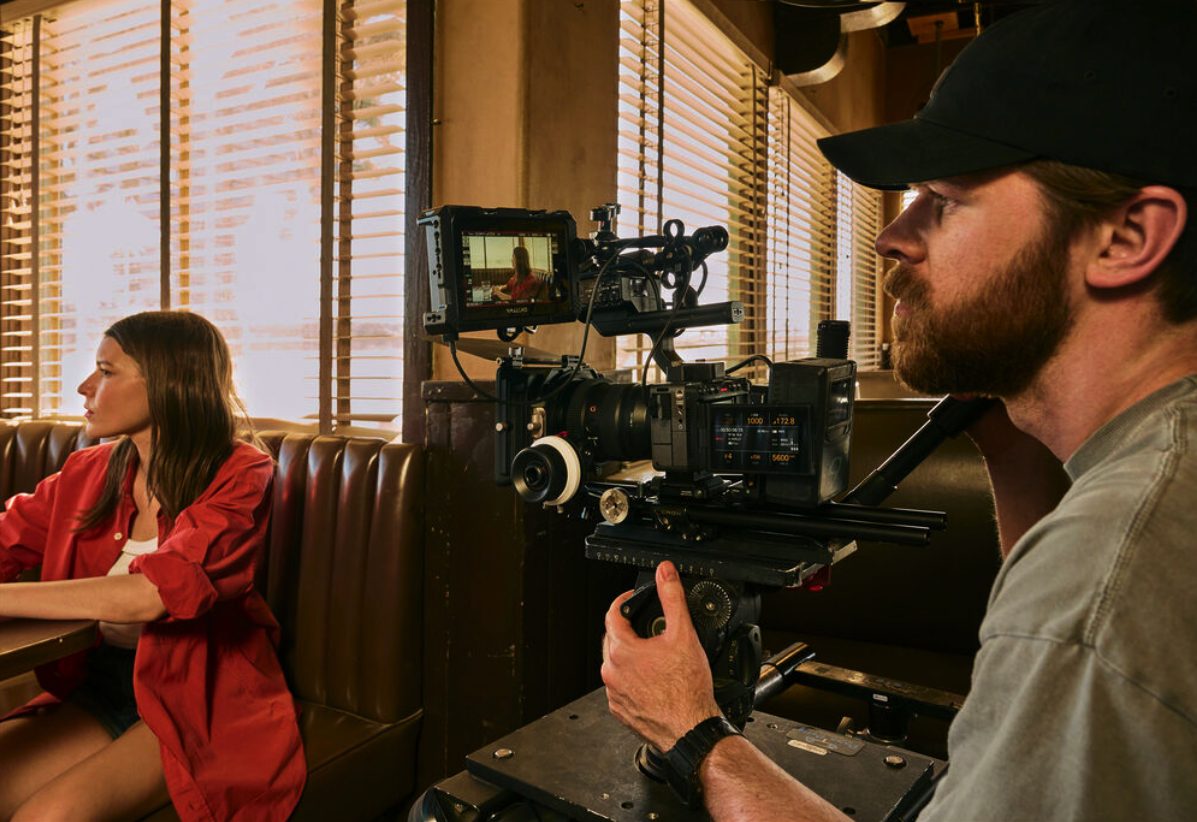
The shutter button only starts and stops the video recording. No click click.
The camera’s interface, cooling system, and accessory design all support long-form video work. A future firmware update is expected to add a frame-grab functionality, but that’s not really equivalent to true still photography. Or is it?
Big Question: Will the stills from a RAW video recording work as a solution for those hybrid shooters who need high quality still photos?
Sensor Performance
The stacked sensor provides a fast readout in standard 4K mode, which helps reduce rolling shutter. In Open Gate and Dual Gain modes, the readout speed changes depending on the selected setting.
The camera offers two operational styles:
- Faster readout for handheld and action work
- Higher dynamic range for different lighting environments
Users select the mode based on shooting needs.
System Cost and Accessories
The FX5 requires a new battery system and a new XLR-H2 audio handle. Existing FX3 batteries and audio accessories are NOT compatible.
It also uses high-performance CFexpress Type A cards for RAW recording.
It’s essentially a new system moving away from the FX3.
Design Limitation
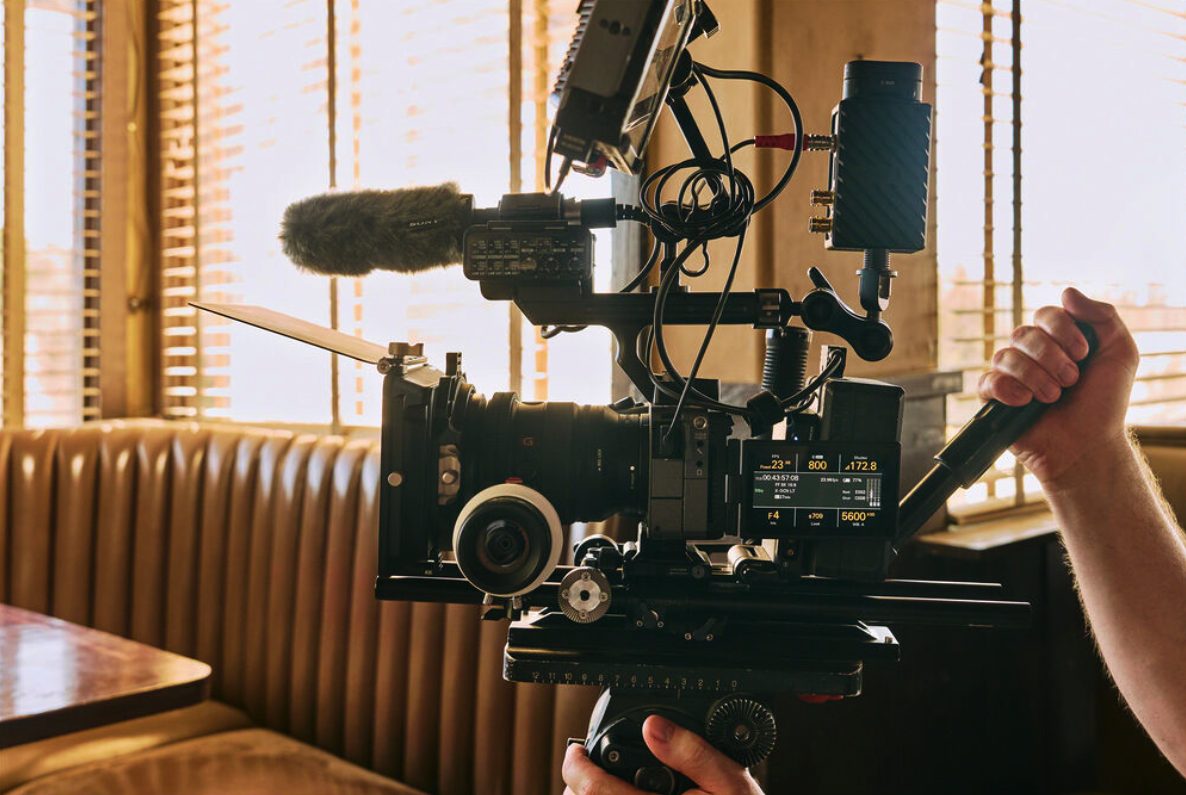
The FX5 includes both an optional EVF and an XLR audio handle, but they cannot be used at the same time because they share the same mounting interface. Users must choose between monitoring or advanced audio in certain setups. That could be a pain point on some projects.
Missing Features
Some features are not included in this generation:
- No internal electronic ND filter
- No SDI or Genlock output
- No still photography mode
Roadmap Features
Sony has also announced future updates for this camera planned for 2027, including:
- Higher frame rate recording modes
- Expanded Open Gate recording formats
- A vertical shooting interface
- Frame-grab functionality improvements
These features were not available at launch.
Who the FX5 Is For
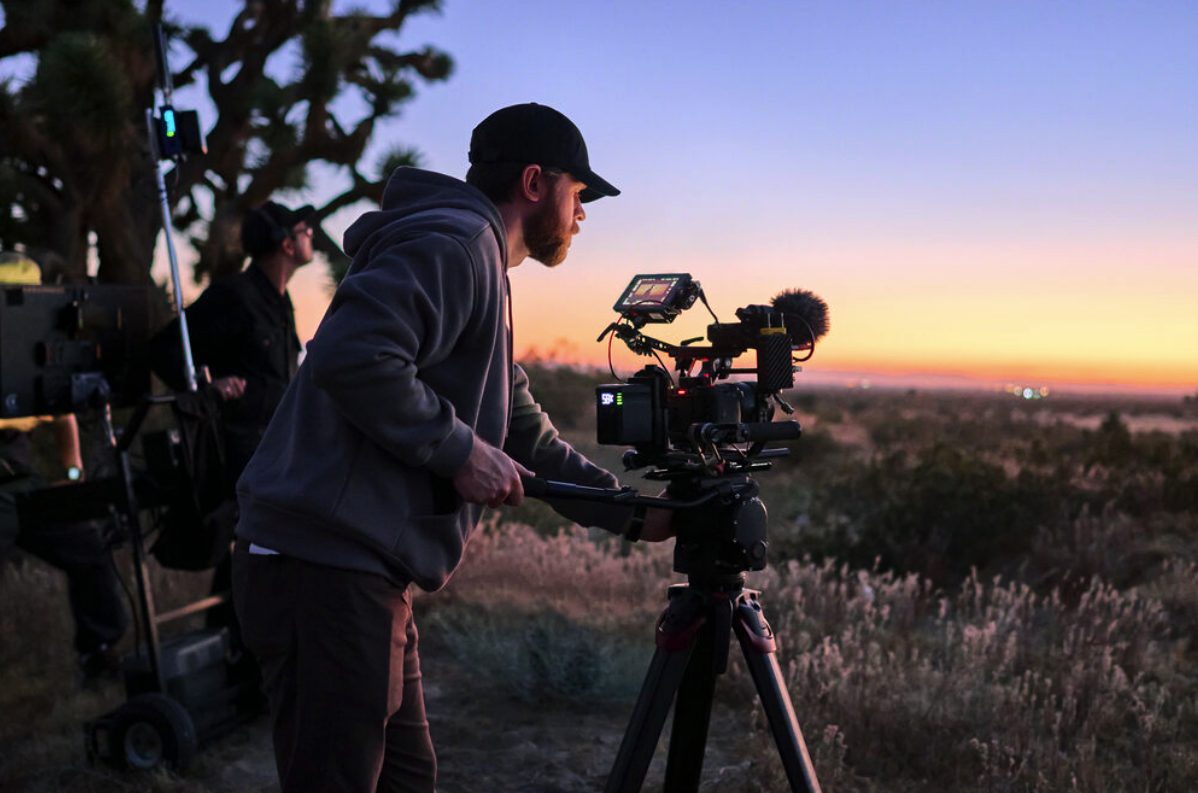
NOT Photographers
The FX5 is not designed for still photography. A hybrid camera system remains more suitable until a post workflow is worked out.
FX3 users
The FX3 remains a strong option for standard 4K video work. The FX5 becomes more relevant when RAW, Open Gate, dynamic range, or advanced post-production flexibility is required.
Documentary shooters
The FX5 offers strong benefits through internal RAW, improved autofocus, reframing, and simplified audio workflows.
Commercial and narrative filmmakers
The FX5 supports more advanced production needs, especially when using anamorphic lenses or working in controlled environments.
Event shooters
The FX3 may remain more practical due to lower storage demands and simpler workflows.
Lens Compatibility

The FX5 uses Sony E-mount, so existing lenses remain fully compatible.
Common pairings include:
- 20–70mm F4 for general use
- 24–105mm F4 for flexible coverage
- 85mm F1.4 for portraits and interviews
Anamorphic and cinema lenses are also supported through adapters.
Personal Take
Sony has decades of experience building video cameras with internal ND. The FX5 somehow arrives without it.
Sony built the FX5 in the form of a stills camera, yet it doesn’t take still photos.
This is confusing and dare I say “uncool”.
I also find the reliance on future firmware updates a little frustrating.
That said, I can’t deny it: I will absolutely use this professionally. The image quality, Sony autofocus, lens mount adaptability, RAW workflow, and Open Gate flexibility are all “cool” reasons to use this camera.





Elevate Your Vision


You may also like