



When I started planning for the partial solar eclipse of August 12, 2026, I wasn’t simply looking for a good location from which to photograph it. I was looking for something more specific: a high viewpoint where I could place the eclipsed Sun above an alpine landscape and watch it interact with the evening light.
That combination was what made the event particularly exciting to me. As a landscape photographer, I am used to photographing sunsets in the mountains. I wanted to see what would happen when an astronomical event became part of that familiar landscape.
I have photographed hundreds of sunsets over the years, but I had never photographed an eclipse before, so I had no idea what the evening would bring. I did not know which techniques would work, how the light would change, or what my final images would look like. That uncertainty made me genuinely excited to see what the evening might bring.
Mount Niesen was my first choice. Rising more than 2,300 metres above sea level, it is one of my favourite places for photographing sunsets. It is also my home mountain, so I know its views and surrounding peaks very well. From the summit, the landscape opens towards the west, offering an expansive view across the Bernese Prealps and the alpine foothills beyond.
I arrived at the summit at around 7 pm and settled into my chosen position. Within minutes, the spectacle was already beginning.
The weather was almost perfect. The sky towards the west was completely clear, while powerful thunderstorms were developing far to the east. The contrast created a dramatic atmosphere even before the eclipse became the main event.
Planning the shot
I had spent time planning the composition before coming to the mountain. Using PeakFinder, I could study the position of the Sun and surrounding peaks and virtually explore how the landscape would look from the summit.
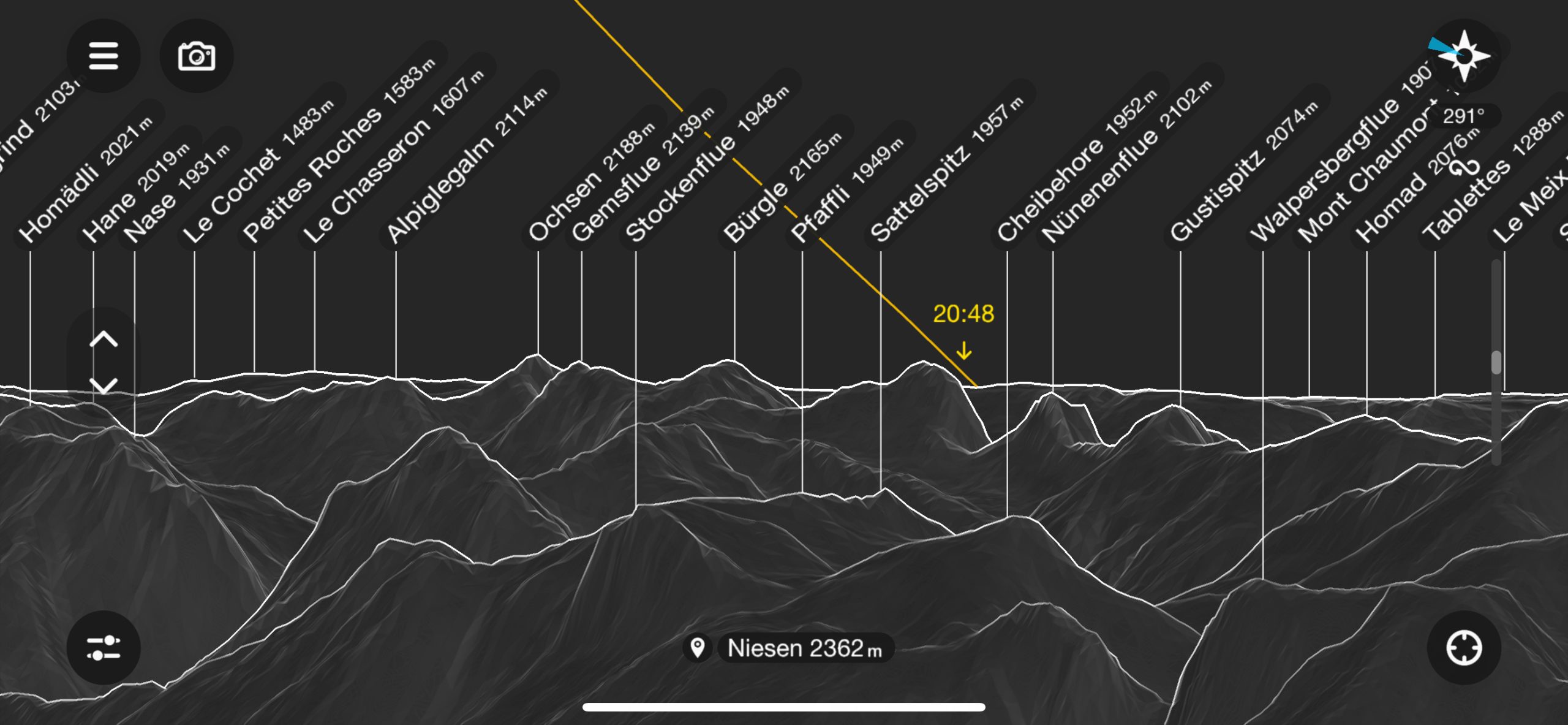
My goal was to place the Sun relatively low above the mountain range, rather than photographing it high in an otherwise empty sky. As a landscape photographer, I always want the landscape to remain an essential part of the photograph, not just a backdrop for the main subject.
There was also a technical challenge: I don’t own a solar filter.
Rather than attempting to photograph the eclipse while the Sun was still high and intense, I decided to approach it more like a landscape sunset. I would wait until the Sun was low enough above the horizon to integrate it naturally into the composition.
For the shoot, I brought my 70–200mm telephoto lens and a tripod. Throughout the evening, I worked with several focal lengths, exploring different relationships between the solar crescent and the surrounding mountains.
Early on, the strong backlight required exposure-bracketing sequences. As the light softened and became more balanced, individual exposures were sufficient.
When the landscape began to change
In Switzerland, around 93 percent of the Sun was obscured at maximum eclipse.
As the Moon gradually covered the solar disk, the character of the light began to change.
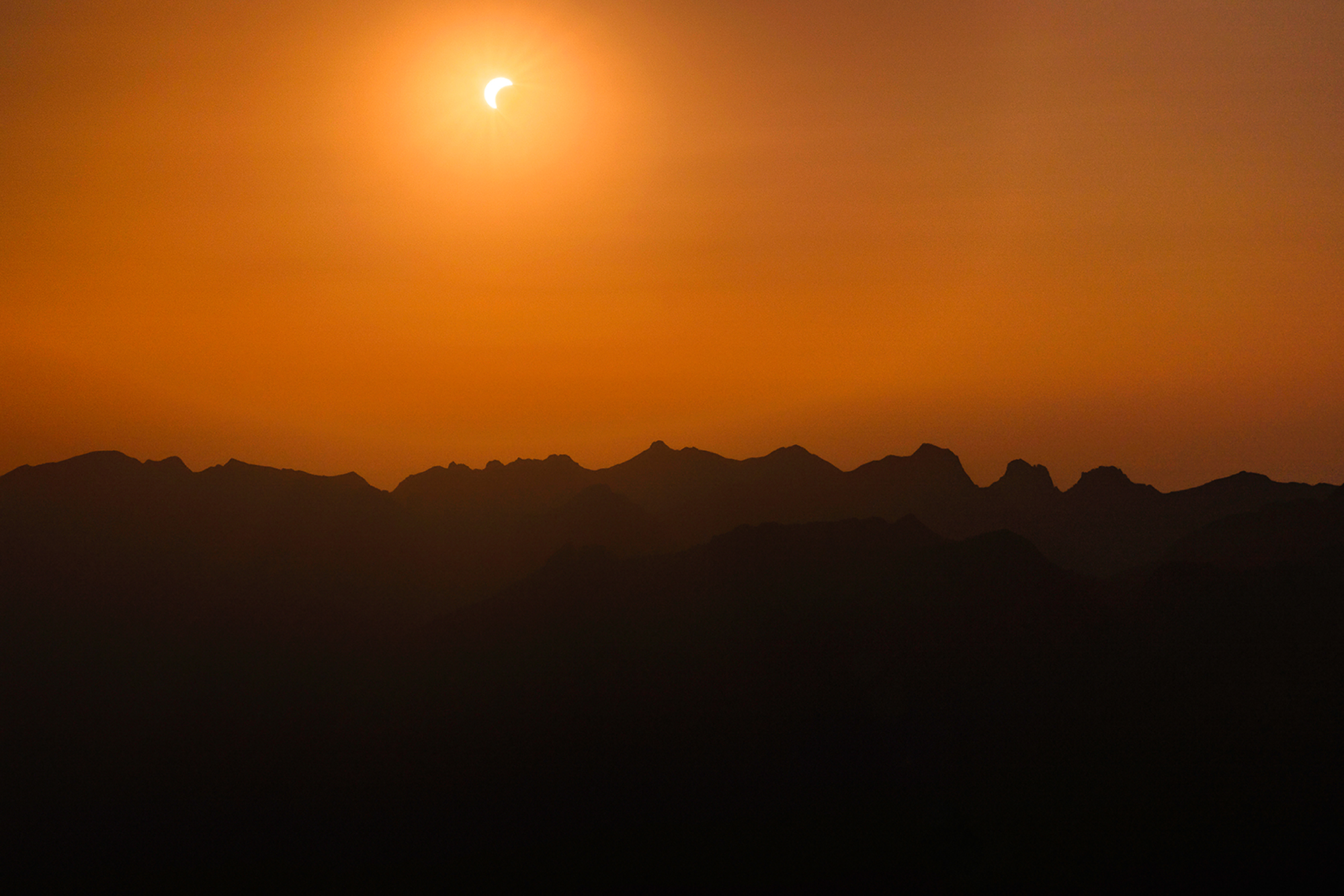
Even with roughly 93 percent obscured, the remaining crescent was surprisingly bright. The landscape was gradually transformed by a strange, muted warmth. It wasn’t simply darker; the quality of the light itself seemed different – almost like a hazy dream.
The mountains were almost pure silhouettes against the bright sky.
At maximum eclipse, the remaining crescent was still remarkably bright. Even such a small portion of the solar disk was capable of illuminating the scene far more than I had expected. I therefore had to work with slightly underexposed images and exposure bracketing to keep the intense highlights under control.
The colours of the Sun were extraordinary – a mixture of orange, yellow and red unlike anything I had experienced before.
The double sunset
The real highlight for me came after the peak of the eclipse.
From my position on Mount Niesen, I could continue watching the Sun long after it would have disappeared from view at a lower elevation. After reaching maximum eclipse, it continued its slow journey towards the mountain range.
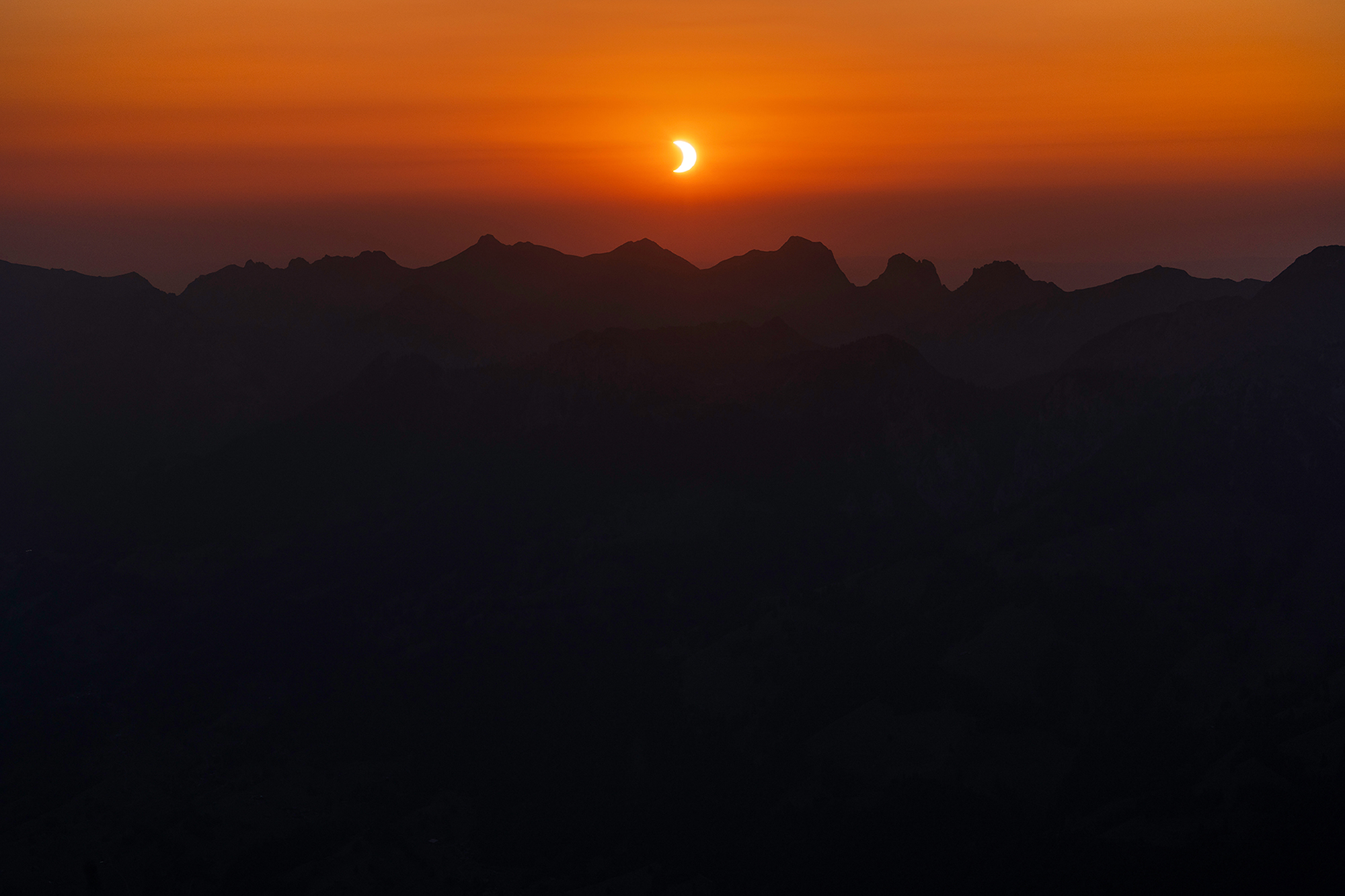
As the Sun became weaker and lower, the balance between sky and landscape gradually changed. Subtle details began to emerge in the mountain ranges that had previously been lost in the intense backlight.
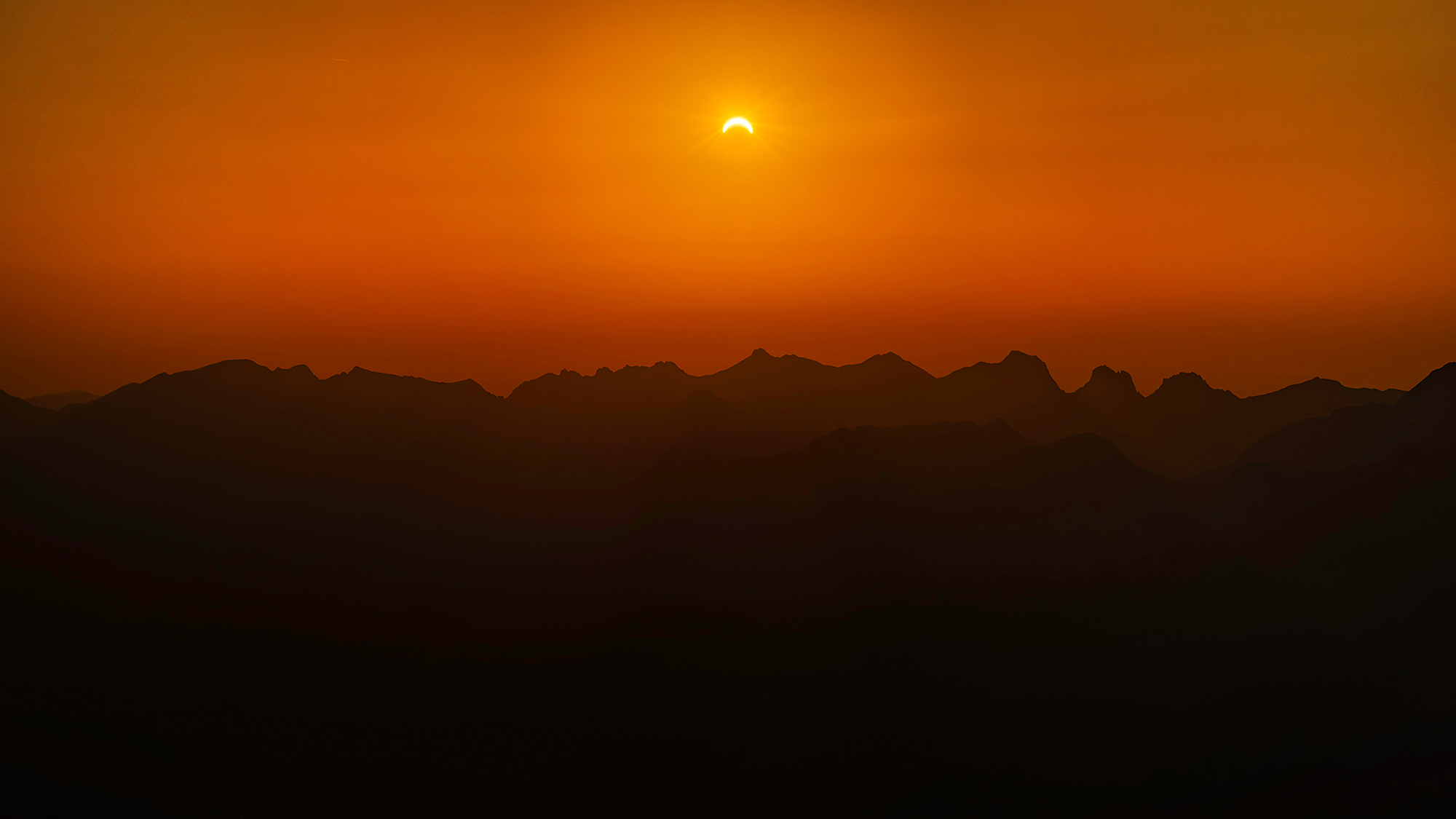
Then, as the eclipsed Sun approached the mountains, a thin, continuous band of cloud appeared along the horizon. When the remaining crescent entered the cloud, it took on an extraordinary gradient of colour. At the same time, the landscape became more evenly illuminated, while the eclipsed Sun remained clearly visible through the thin cloud. For the last few minutes, I could even see the eclipsed Sun with the naked eye, while it had already become too dim to see clearly through the eclipse glasses.
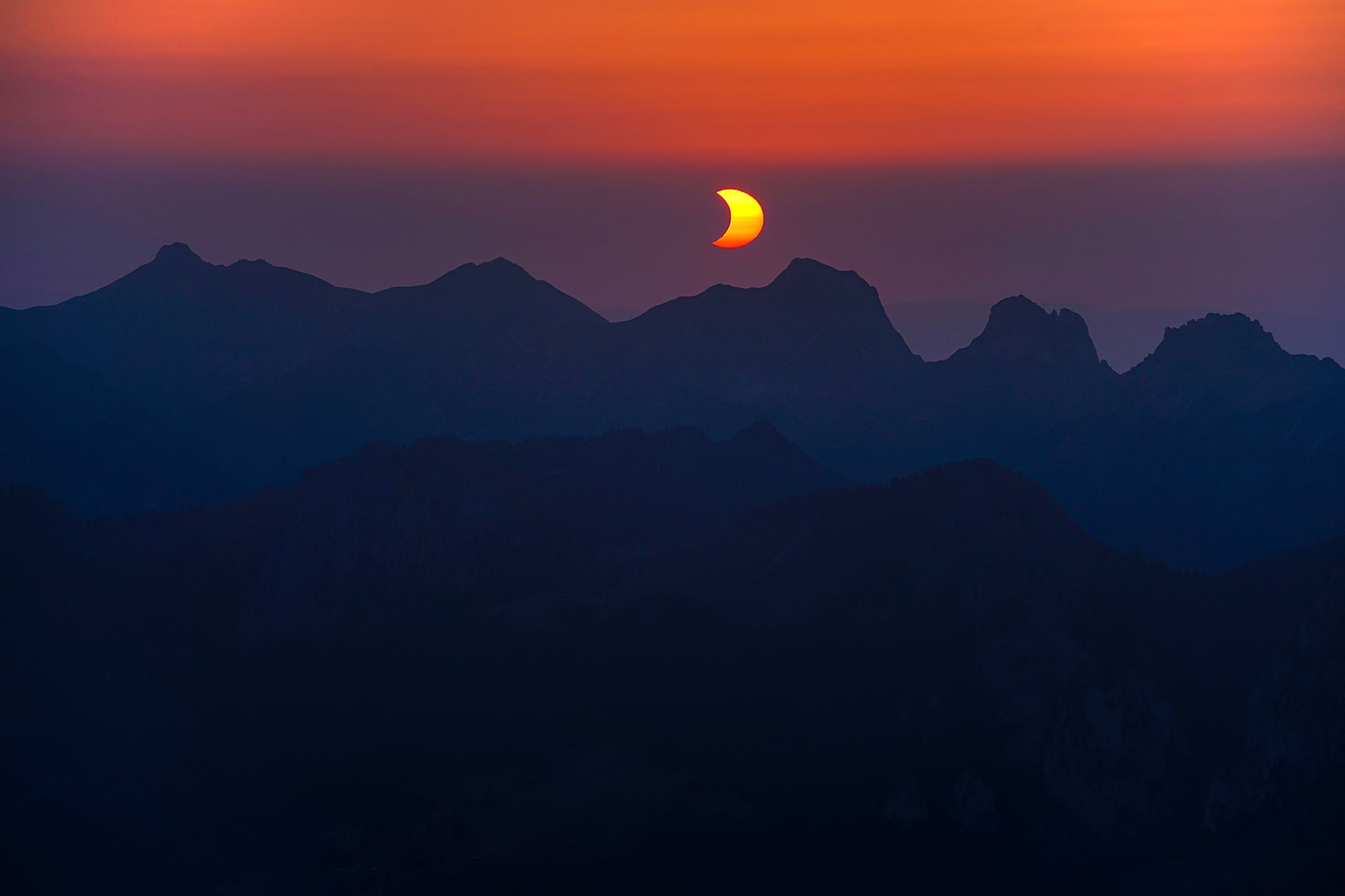
And then I realised what I was witnessing: the Sun appeared to set twice.
The first sunset was created by the eclipse itself. With the Moon covering almost the entire solar disk, the Sun seemed to disappear into the evening landscape long before it actually reached the horizon. The second came when the remaining crescent finally descended behind the mountains.
The eclipsed Sun continued its journey towards the mountains, and the familiar rhythm of sunset slowly returned. As the Moon moved away from the Sun, the crescent gradually grew again, revealing more of the solar disk before it finally disappeared behind the mountain range.
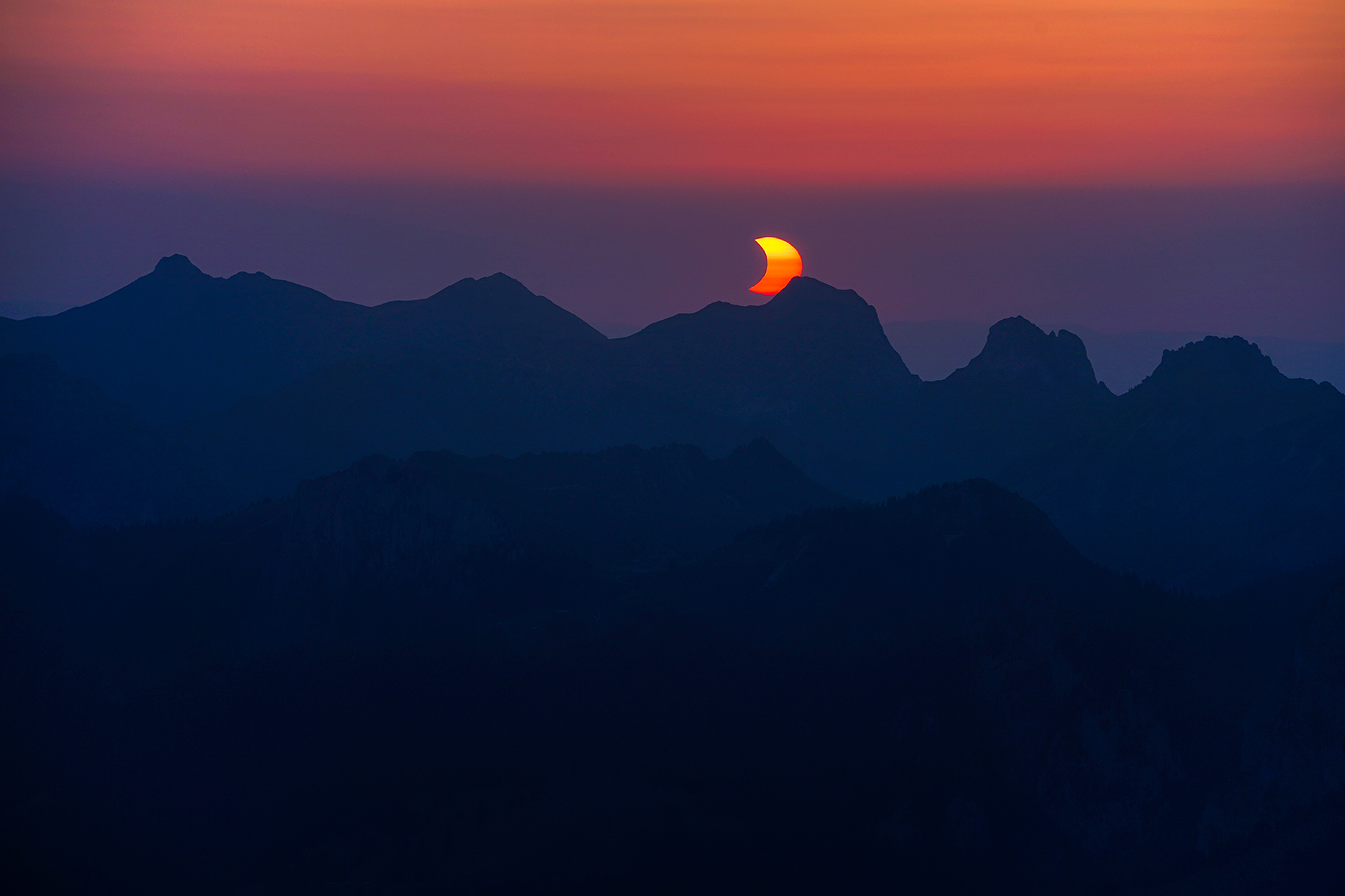
For a landscape photographer, it was an extraordinary sight.
I have photographed countless sunsets in the Alps, but never one like this. The eclipsed Sun, the unusual quality of the light, the changing colours, the silhouetted mountains and, finally, the return of a familiar sunset combined into something I had never experienced before.
I had gone to the Niesen looking for a way to photograph a solar eclipse as part of a landscape. Instead, I witnessed something I had never seen before.
But the evening still had one final surprise.
As soon as the Sun had disappeared completely behind the mountains, I packed up my equipment and quickly repositioned myself towards the east. The thunderstorms I had been watching earlier had developed into towering clouds, now illuminated by the last light of the evening. Against the darkening sky, they were glowing in deep orange and pink tones, creating a spectacular final scene on the opposite side. Under normal circumstances, a scene like this would already have been enough to make the photo trip worthwhile. But on this unforgettable evening, it was just an unexpected bonus shot.
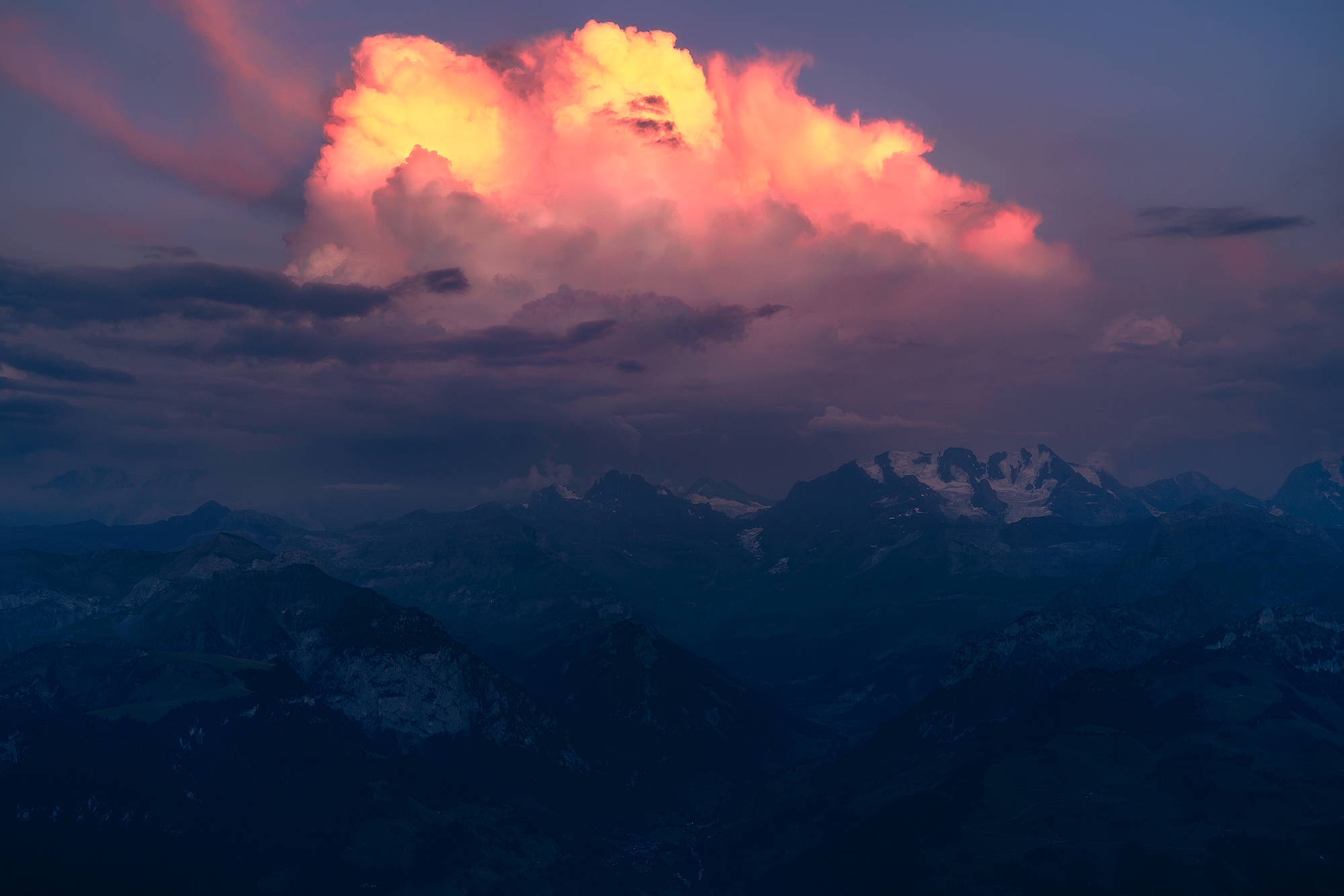
Being able to experience such a rare astronomical event in my own home region, under such favourable conditions, was something I felt incredibly grateful for. The photographs are important to me, but the memory of watching the landscape transform in front of me will probably stay with me even longer.
About the Photographer
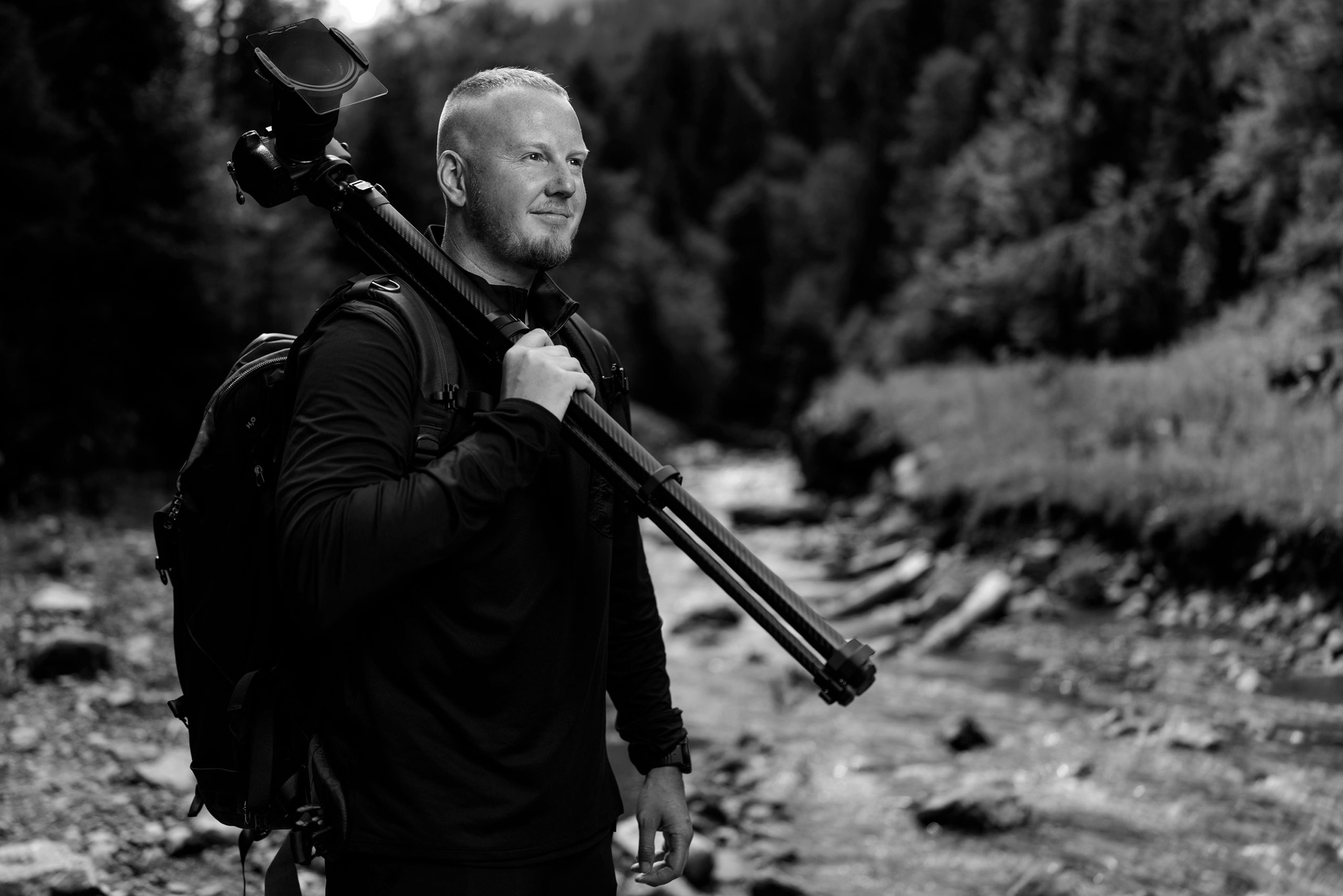
Simon Schuhmacher is a landscape photographer based in the Swiss Alps, fascinated by untouched nature and its ever-changing moods. He is passionate about mountain landscapes and atmospheric moments, where changing light, passing weather and seasonal transitions come together to create endlessly unique atmospheres.
More of my work: www.simonschuhmacher.com

Elevate Your Vision


You may also like