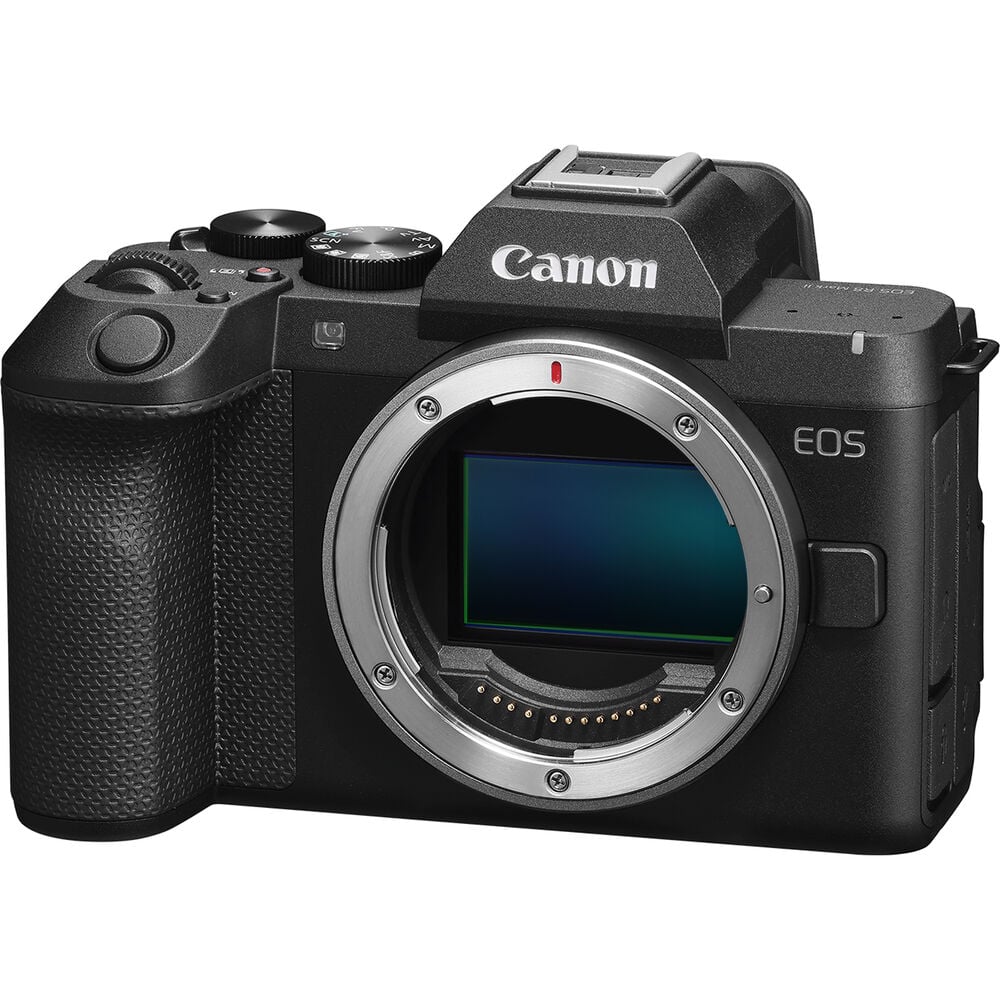



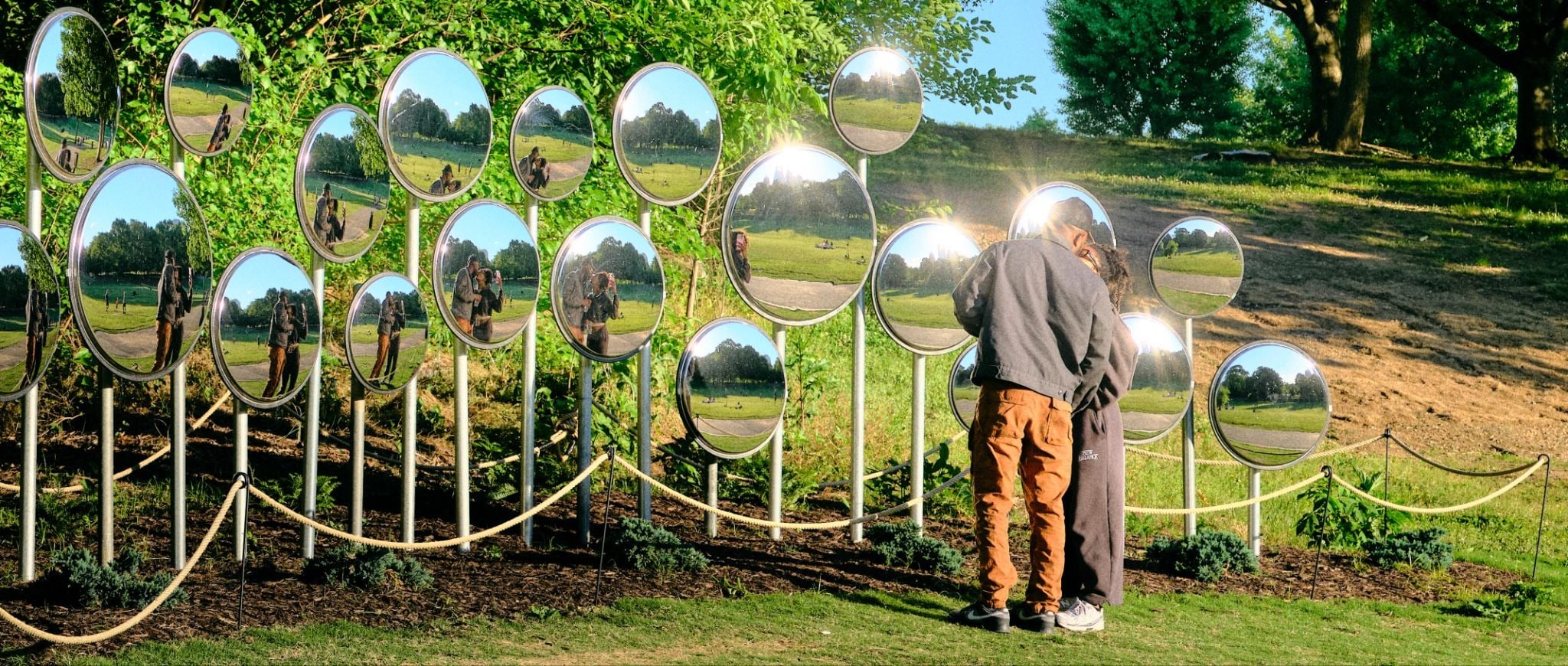


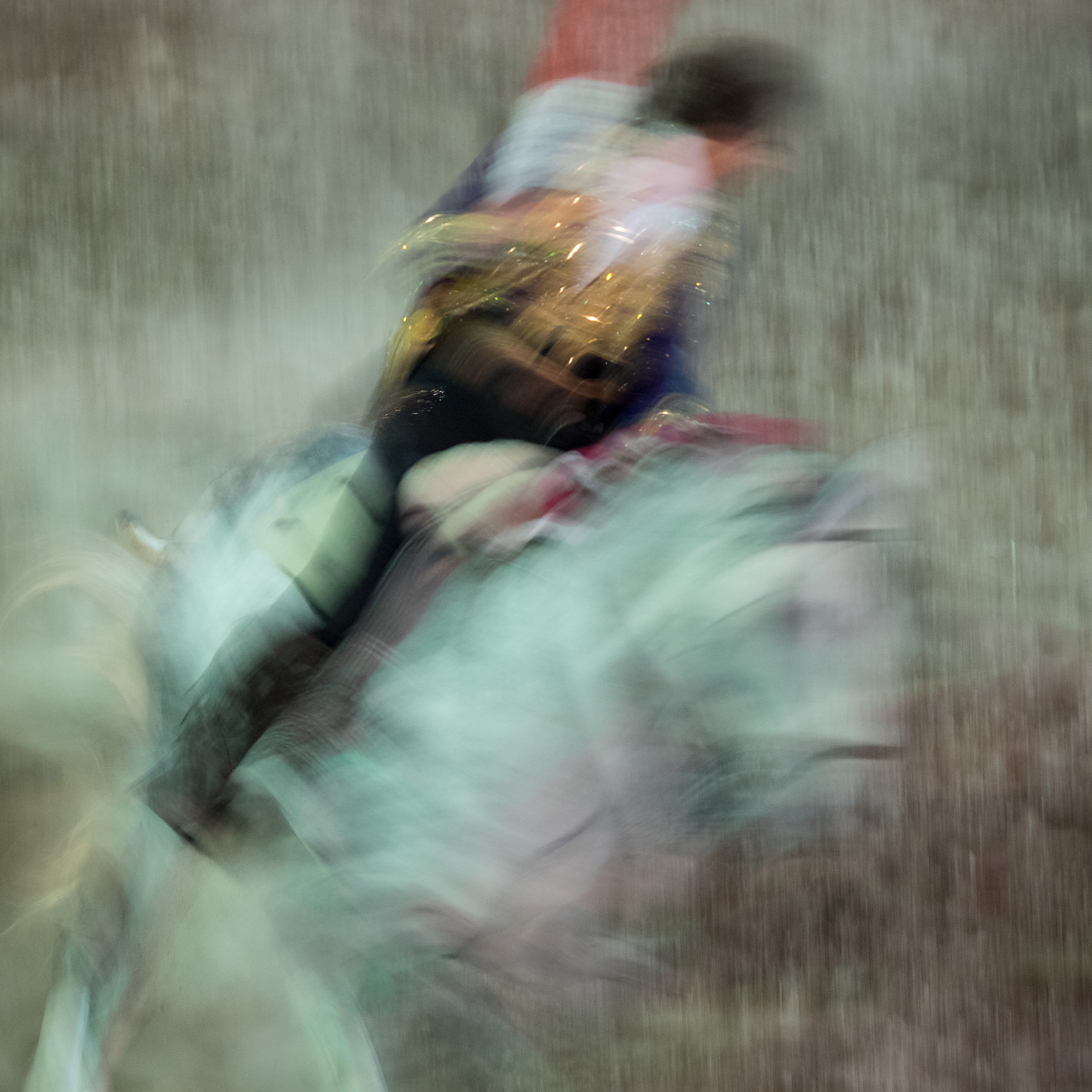
Let me be real with you. When B&H loaned us the GFX 100RF for a couple of weeks, I was excited. A compact medium format camera with a fixed lens, 102 megapixels, and that iconic GFX sensor? Yes, please! I took it to a music festival, an evening out, an indoor market, and a cloudy day walk – enough time to get a real feel for it without running it through every extreme scenario.
Here’s where I landed: it’s a good camera with a great idea behind it. But I’m not buying one new. Not yet.
First Impressions – What Actually Works
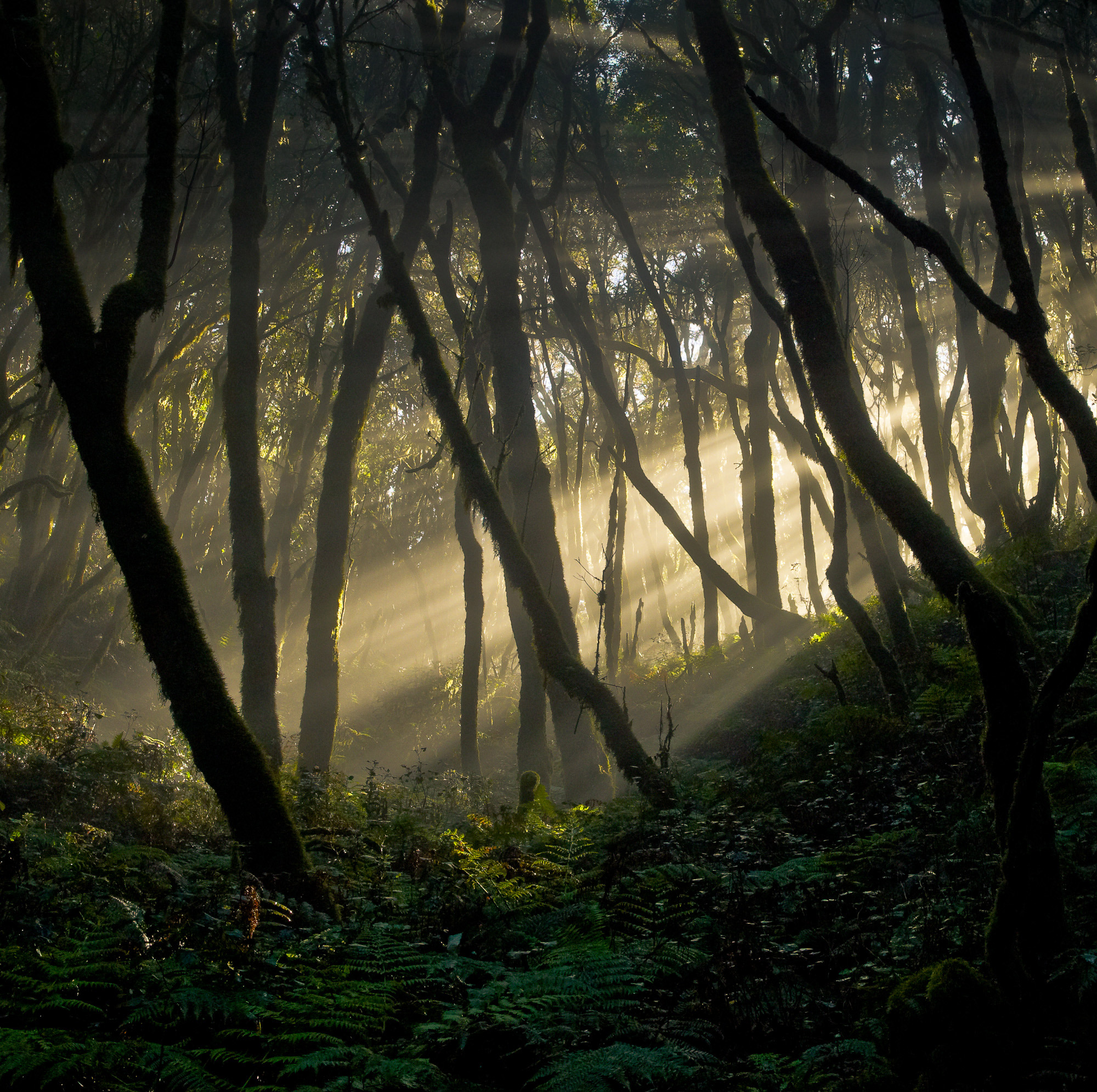
The sensor is, as you could’ve guessed, spectacular. This is the same 102MP medium format sensor that anchors the GFX line, and image quality is also exactly what you’d expect. Files are rich, shadow recovery is generous, and the color rendition in both RAW and JPEG is exactly why people like this system.

The film simulation recipes are wonderful suggestions and starting points. If you’re a Fujifilm shooter, you already know the appeal – but having them on a camera this portable makes you want to experiment more.
One underused feature worth knowing: recipe bracketing. The camera can shoot the same frame across multiple recipes simultaneously, which is a great way to see your options before committing in post. Personally, I always play with images in post, and shooting straight out of camera isn’t my thing – but for using as a starting point for possible looks and edit, bracketing is a smart tool to have in the workflow.
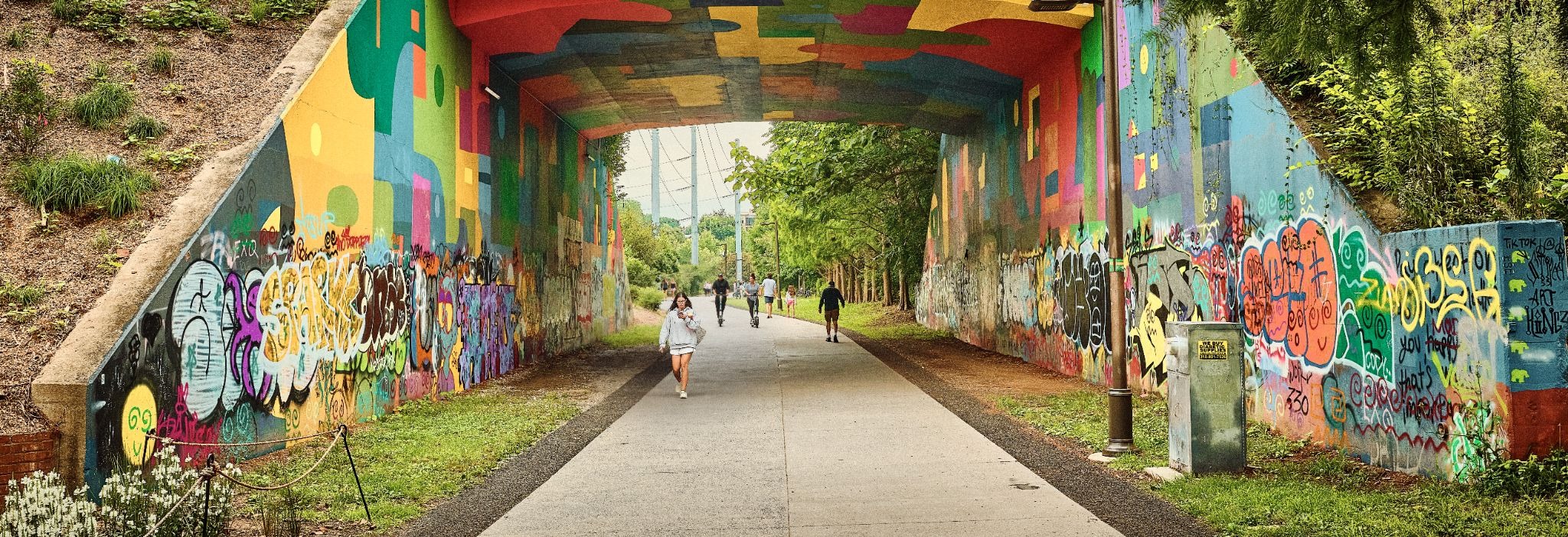
The aspect ratio dial is a standout feature. It sounds gimmicky on paper, but in practice it shifts how you think about composition. Physically rotating a dial to move between 1:1, 65:24, or 3:2 without touching a menu is good design. It slows you down in the right way and it’s fun to frame a certain way from the beginning.
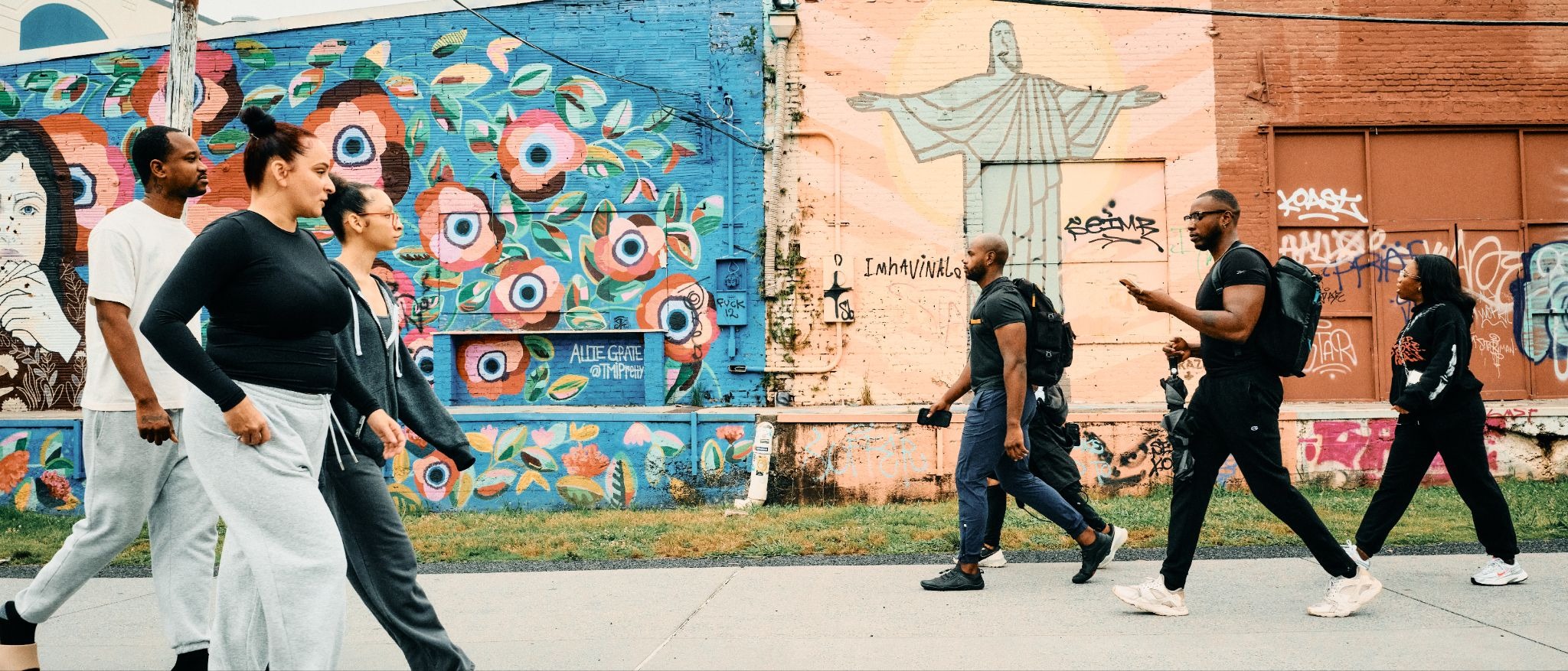
The build is solid. The camera ships with a strap, but I swapped it immediately for my Peak Design, which lets me go from single hand strap to around-the-neck depending on the situation. That flexibility is great for a full day of shooting.
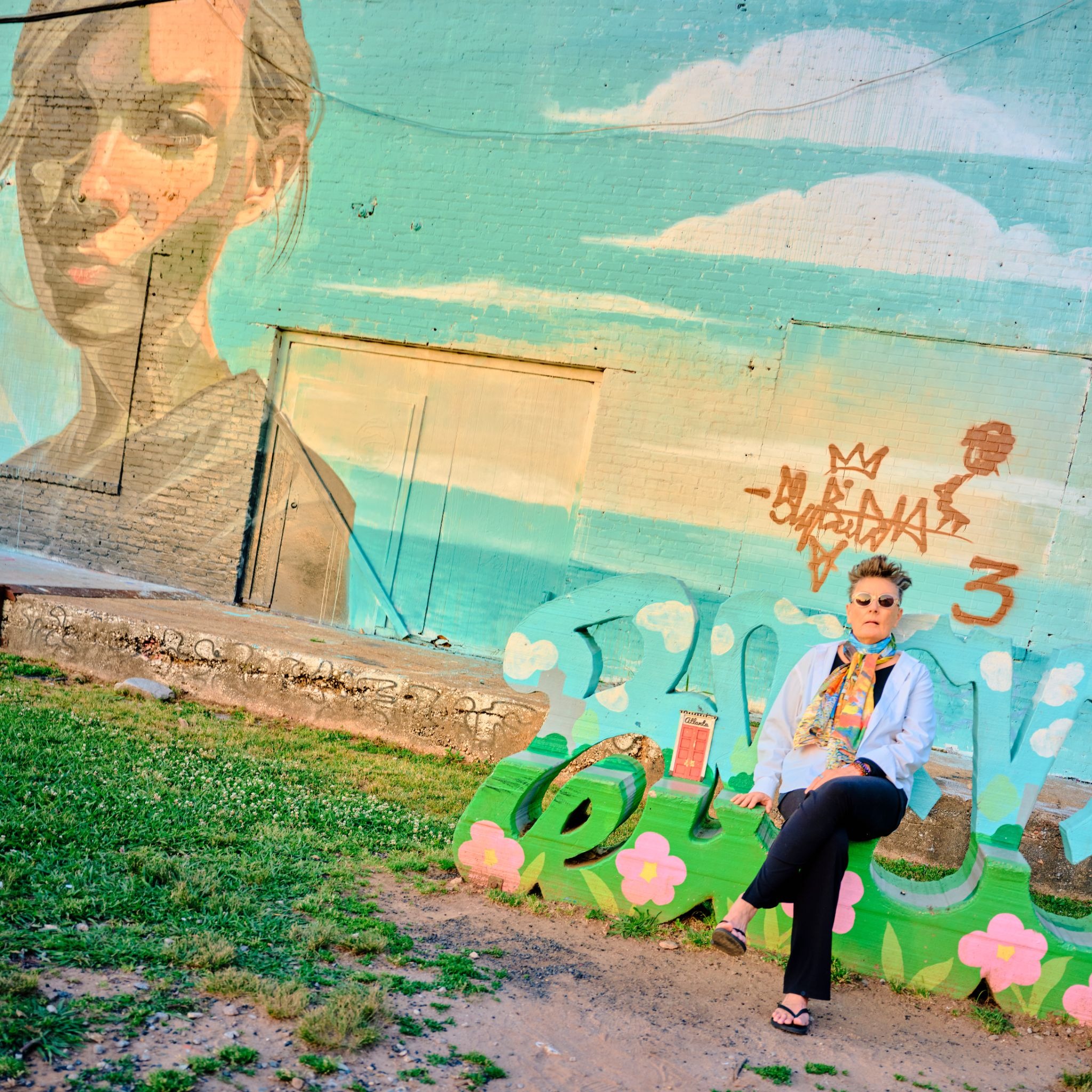
Where It Gets Real
The camera is heavier than it looks. Not GFX-with-a-big-zoom heavy, but heavier than you expect for something marketed as a compact walkabout. After a full day at a music festival, you feel it.
It’s also slippery without an add-on grip or hand strap. The body is smooth, the lens is fixed, and there’s not a lot to hold onto.
One quirk that caught me off guard early: if you turn the camera ON with the lens cap still attached, you get a “FOCUS ERROR” in big red letters. The fastest fix is to turn it off, remove the cap, and power back on. It’s a small thing, but it disrupts the quick-draw habit most of us have – lens cap off and power on almost simultaneously with one hand. It made me rethink my startup routine every single time, and that sort of friction adds up when you’re trying to catch something fast.
Then there’s IBIS – or the lack of it. Going in, I thought it wouldn’t bother me. I’ve been shooting handheld for years and figured well enough to work around it. But I missed more shots than I wanted to. At the music festival it was daytime, not a low light situation, but the environment was slightly unstable and I wasn’t watching my shutter speed closely enough. IBIS would have covered those misses. Without IBIS, you have to be more deliberate than the camera’s “just walk around and shoot” personality suggests
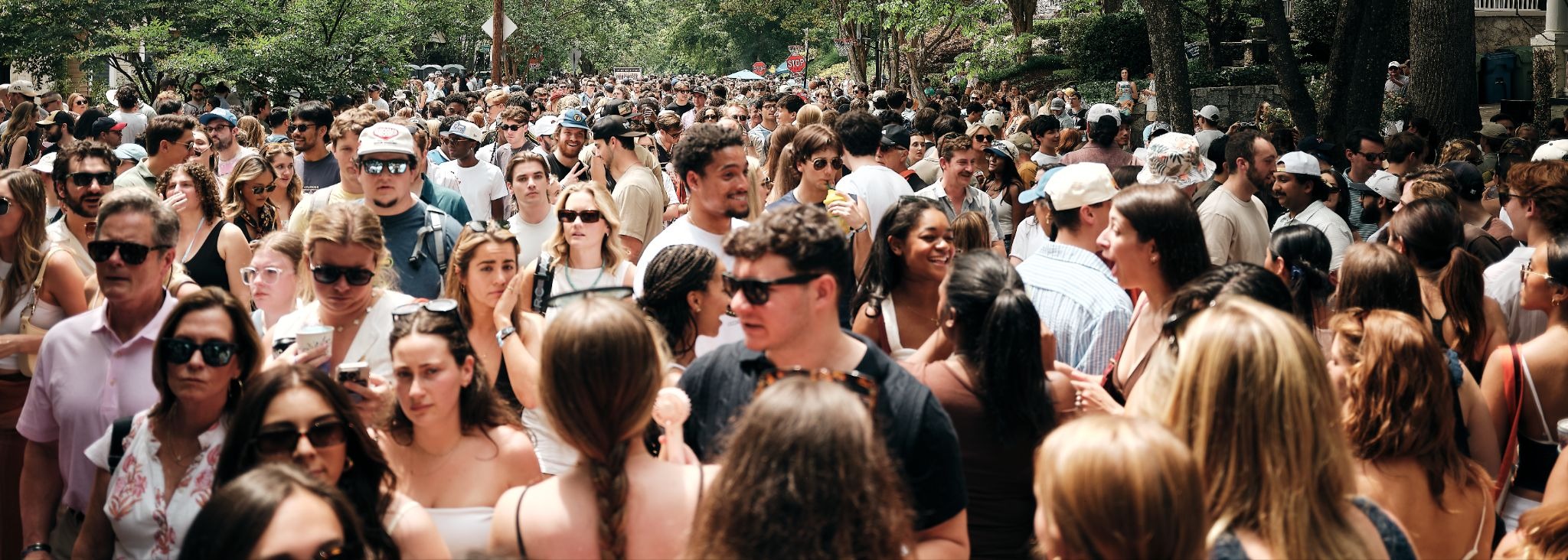
The digital crop rocker is more trouble than it’s worth for my shooting. The bigger frustration is that when you power back on, the camera defaults to the last crop setting instead of snapping back to the widest full frame. More than once I was shooting and didn’t realize I was cropped in. The good news: if you’re in RAW, all the data is still there. But it adds a hurdle if composing quickly. Capture One reads the crop metadata and shows you the full frame. I didn’t test any other software with the GFX files.
The Lens – Wide by Design
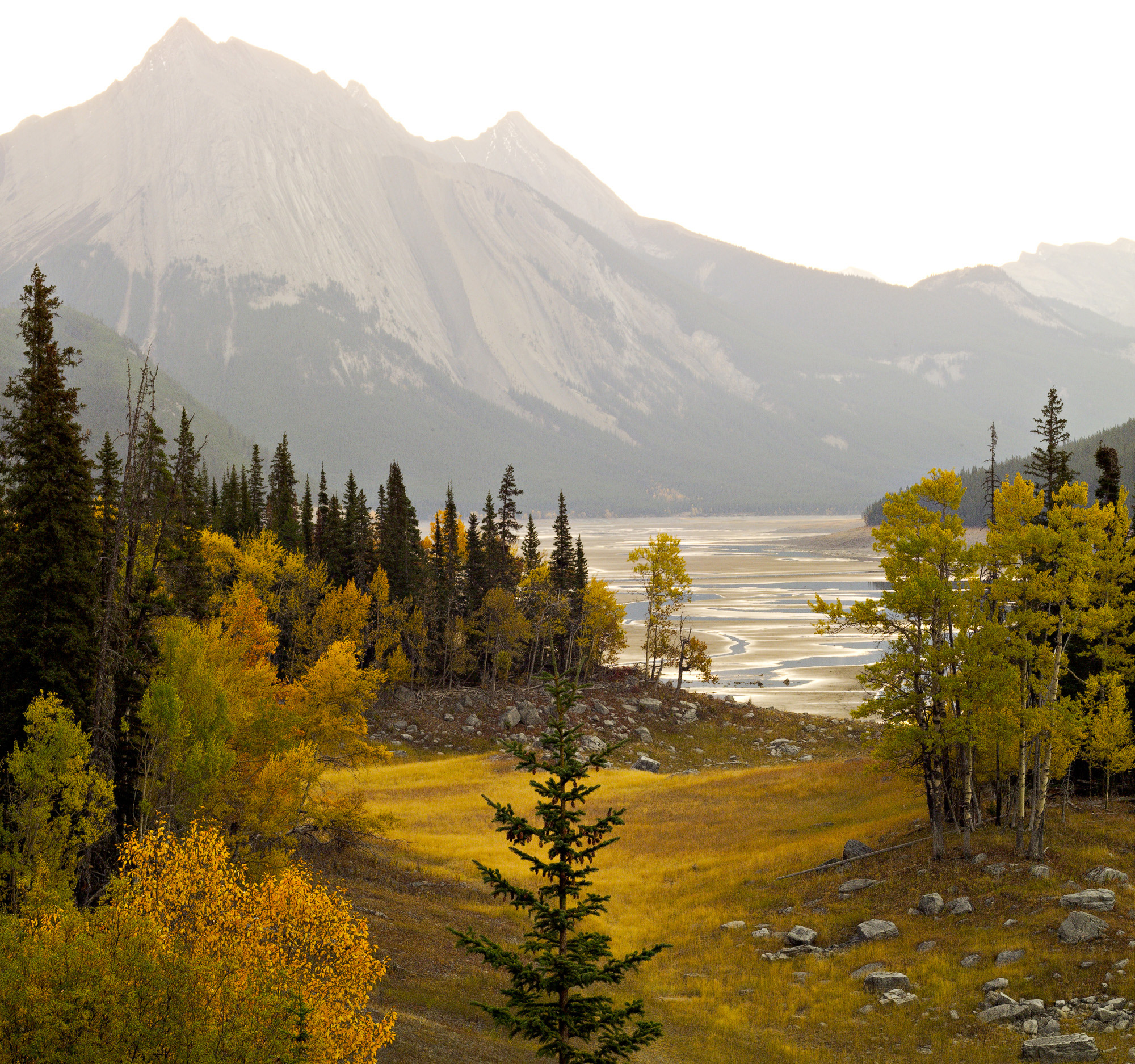
The RF ships with a fixed 35mm GFX lens, which translates to roughly 28mm in full frame terms. That’s wide. Wide enough that landscape photographers should think about it – 102 megapixels at 28mm equivalent gives you an enormous amount of room to crop, reframe, and still walk away with a file that holds up at large print sizes. For that use case, this camera is a serious option.
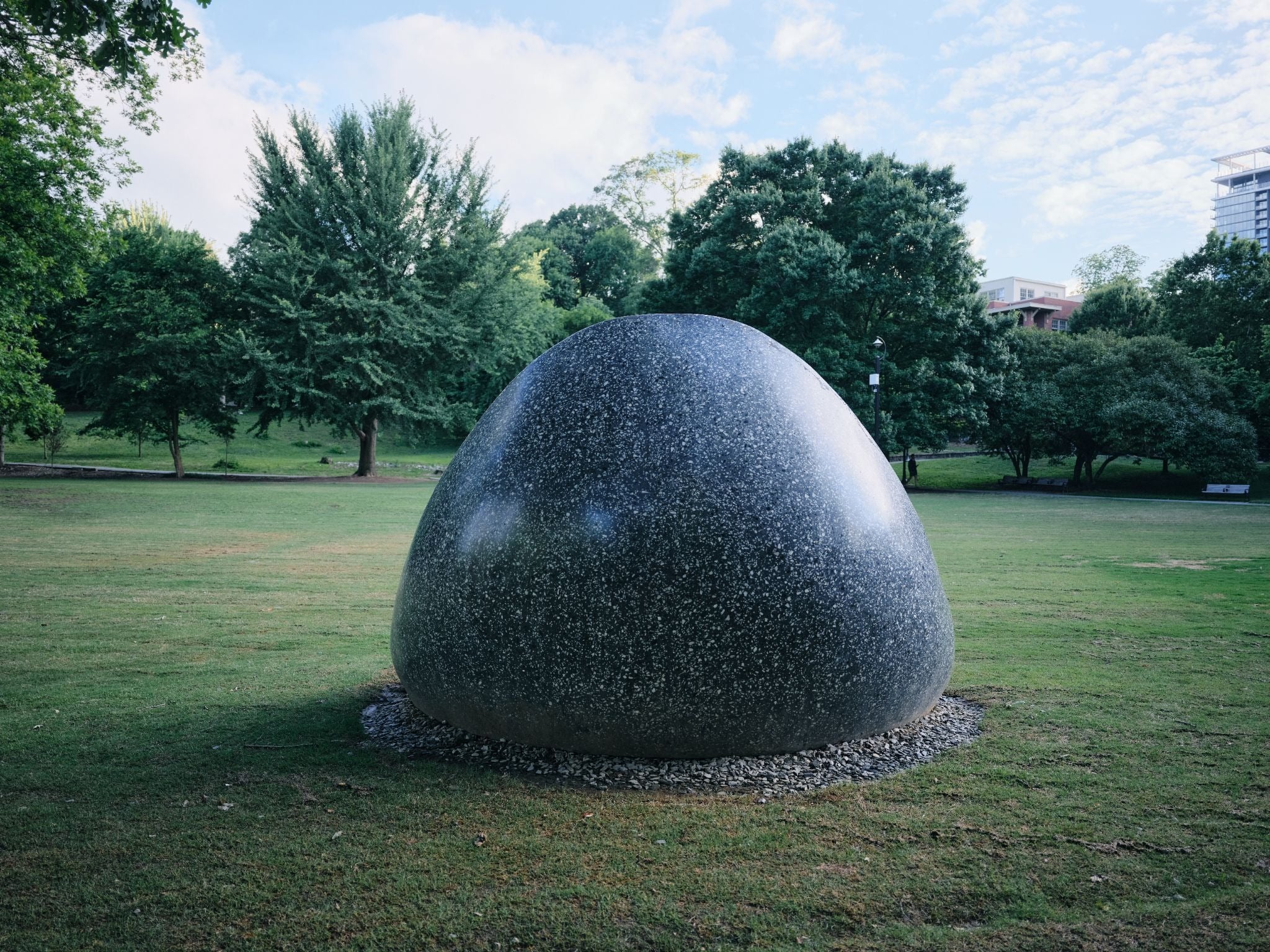
For portrait work it’s a different story. The RF only really makes sense if you accept the wider focal length as part of your look – because even when you crop in, it retains that wide-angle feel. There’s a certain poppy, environmental quality to it that works well for fashion or editorial where that aesthetic is intentional. But for family sessions or weddings where you need classic portrait compression and subject separation, this isn’t the tool – unless that wide, “poppy” look is specifically what you’re going for.

It’s a bit more obtrusive than you’d expect. A big black box coming at a subject reads differently than a camera that blends in. If you’re considering the RF for people work, the silver version probably reads as less imposing than the all-black body. (In my opinion!)
The Aperture Question
Here’s my honest take on the 35mm f/4: it’s too slow for what this camera wants to be.
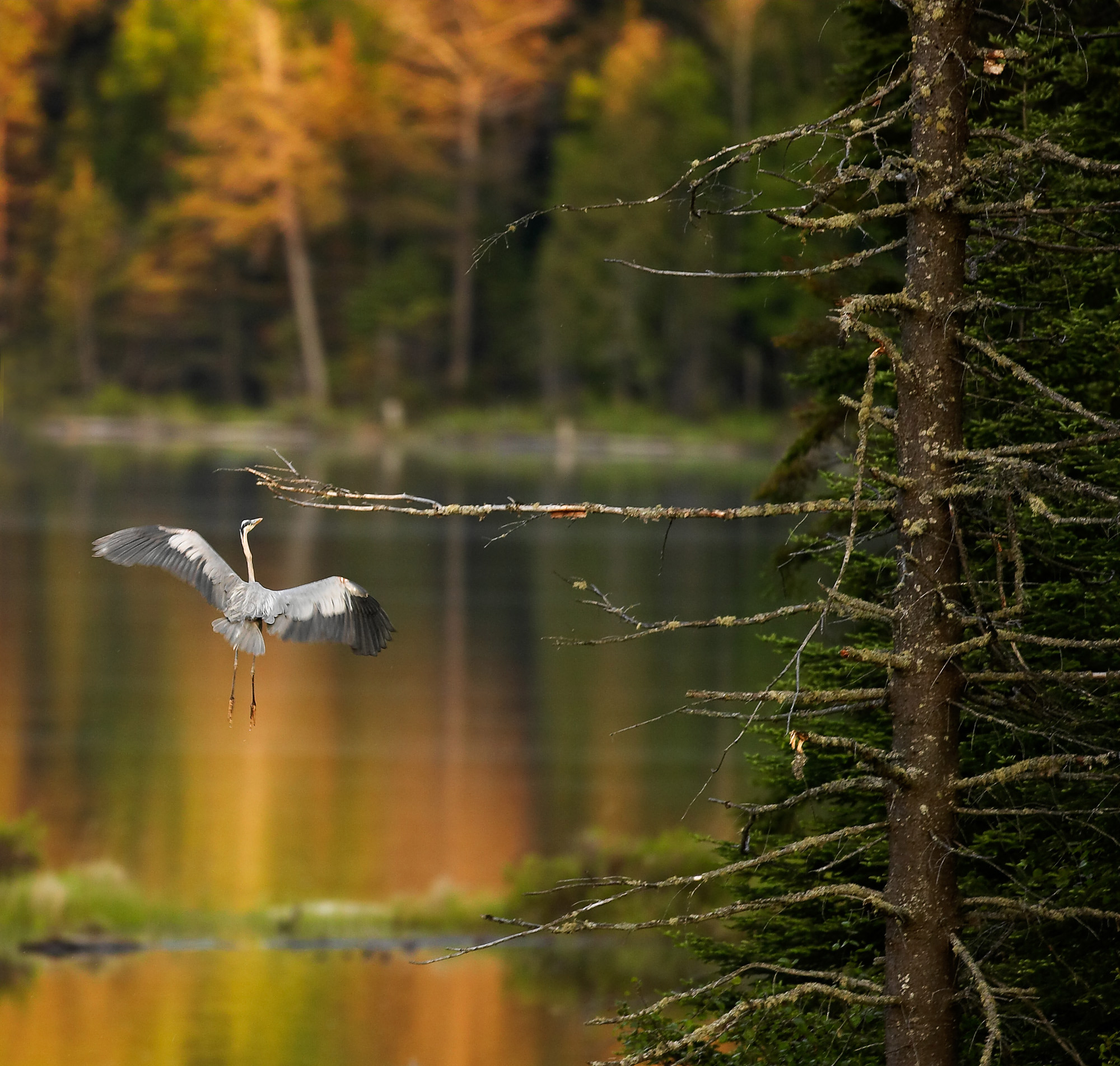
One of the main reasons photographers pursue medium format is subject separation – that dimensional rendering you get from a large sensor at faster apertures. At f/4 on a 28mm full frame equivalent, you’re not really getting that. You’re getting incredible resolution and the characteristic GFX tonal quality, but the medium format look that makes people willing to carry a bigger, more expensive system – it’s not fully there.
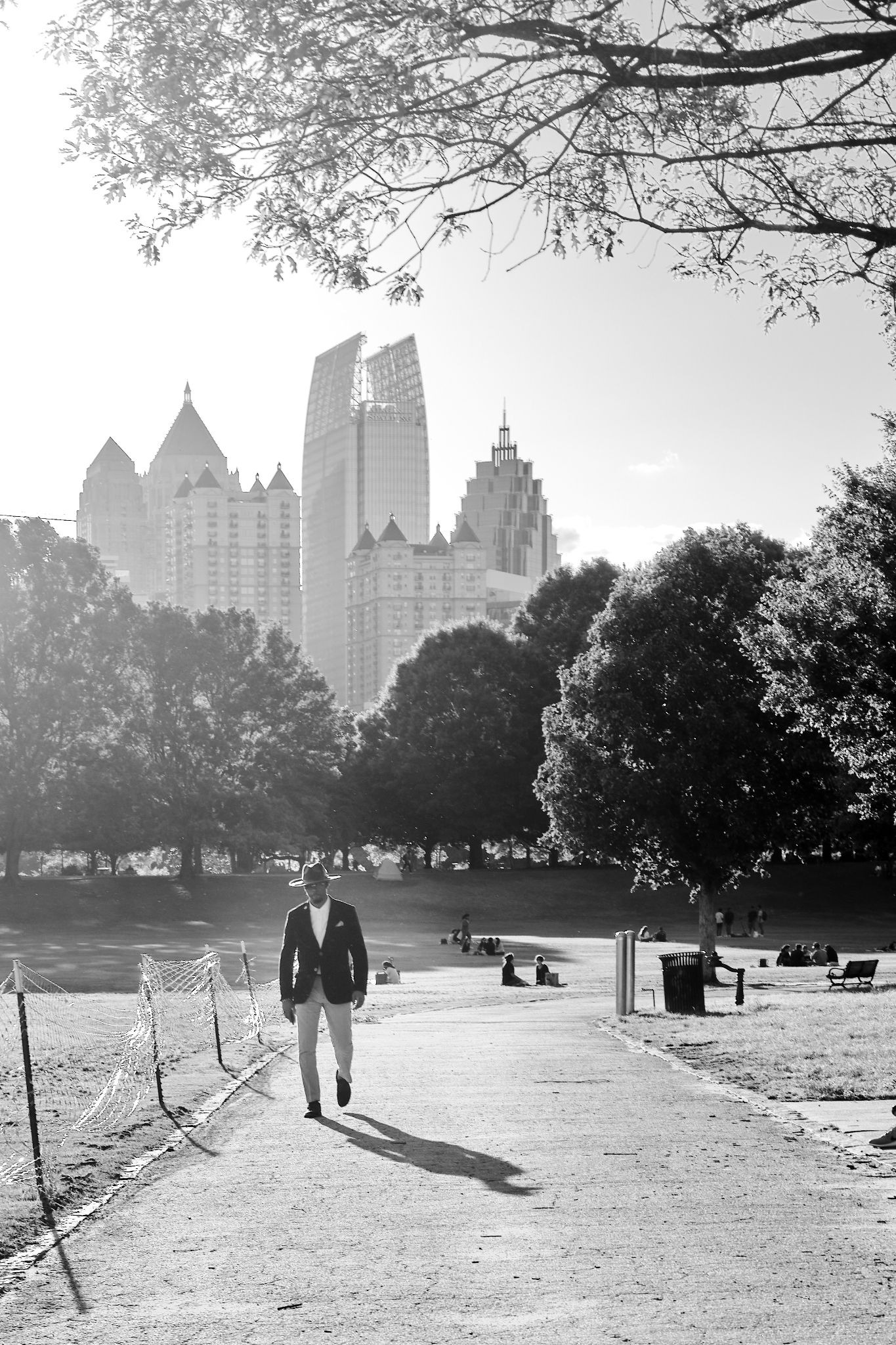
I understand the physics. A wider lens on a larger sensor requires a more complex optical design (more glass!) to hit fast apertures, and this lens is already impressive for what it is. But faster glass in a future version would change the conversation completely. That’s also where the missing IBIS compounds – a faster lens at a slower shutter would at least give you options.
Right now you don’t have either – in a hefty camera.
Who This Camera Is Actually For
After two weeks, the GFX 100RF makes the most sense for:
- Landscape photographers who want maximum resolution at a widish angle with plenty of room to reframe in post
- Photographers coming from a rangefinder or street shooting backgrounds who want medium format image quality in a more discreet package
- Editorial and fashion shooters who want a wide, environmental, slightly poppy aesthetic
- Photographers curious about the GFX line who want one body and one lens as an introduction
- Fuji X100 users who like Fuji Recipes and one lens as an E.D.C
- Shooters who work primarily in good light and are disciplined about shutter speed
It’s a harder case for:
- Anyone expecting classic medium format subject separation wide open
- Wedding or family portrait photographers unless the wide look is part of the brief
- Low light or mixed-light event work
- Photographers who already own a GFX body and are considering this as a second
My Advice
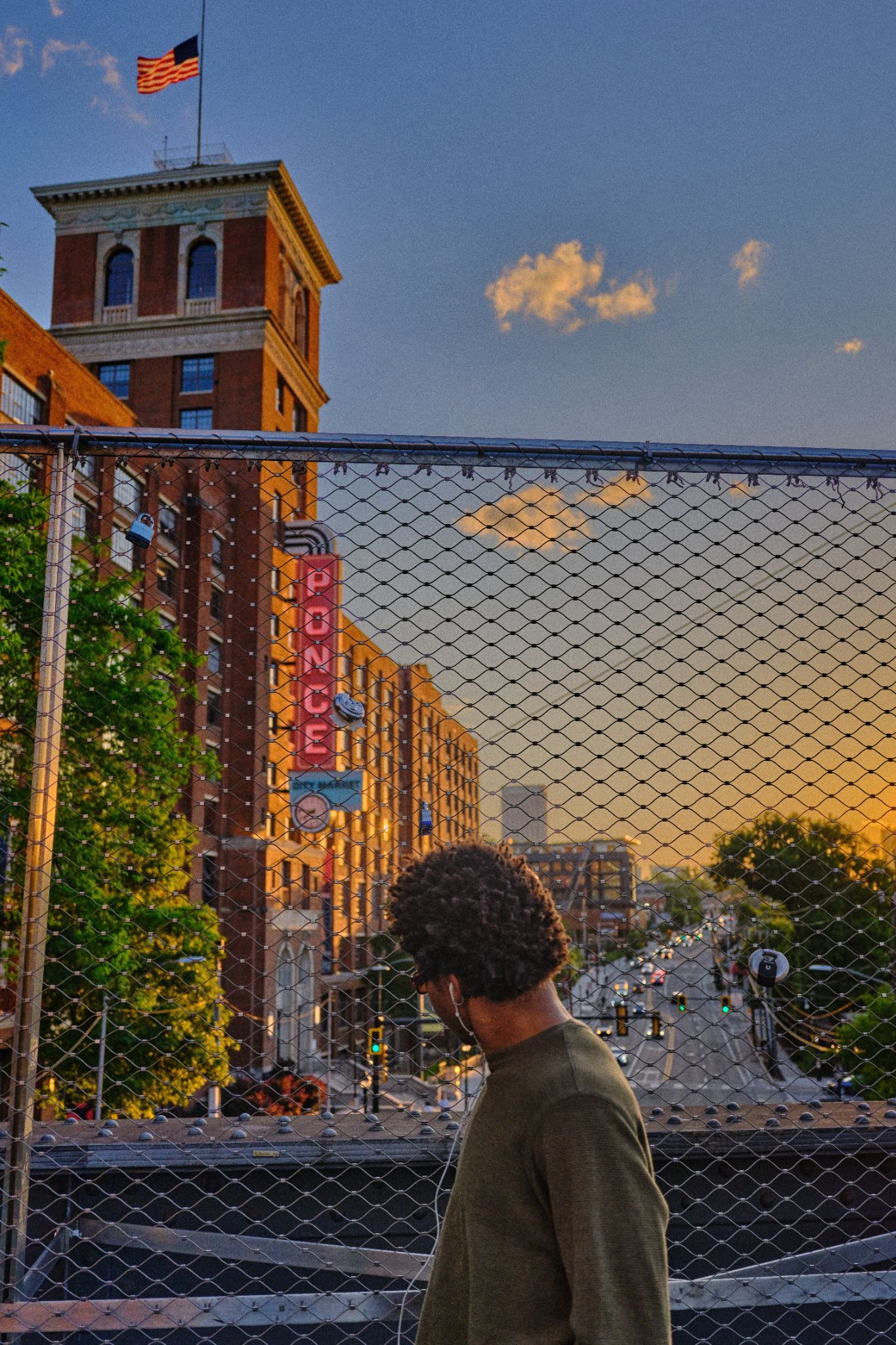
If you find a used one at the right price, snap it up. The sensor alone is worth it, the recipes are fun starting points, and the aspect ratio dial is one of those features you didn’t know you wanted.
New, at full price, right now? I’d wait. The GFX line keeps getting better with each generation – Fujifilm is clearly refining this system. This first version of the RF is a strong proof of concept, but a follow-up with faster glass and IBIS would be a completely different proposition. Generation two is going to be something. I’ll be first in line to test one.
A Note on RAW Files and Compression
Worth knowing if you’re new to the GFX system: file size differences between compression modes don’t automatically mean quality differences.
- Uncompressed RAW gives you maximum data and the largest files
- Lossless compressed RAW is essentially identical quality with significantly smaller files
- Compressed RAW is the only mode where you’re making a real tradeoff
For most shooting, lossless compressed is the smart default. Switch to uncompressed 16-bit when you know you’ll be pushing files hard in post.
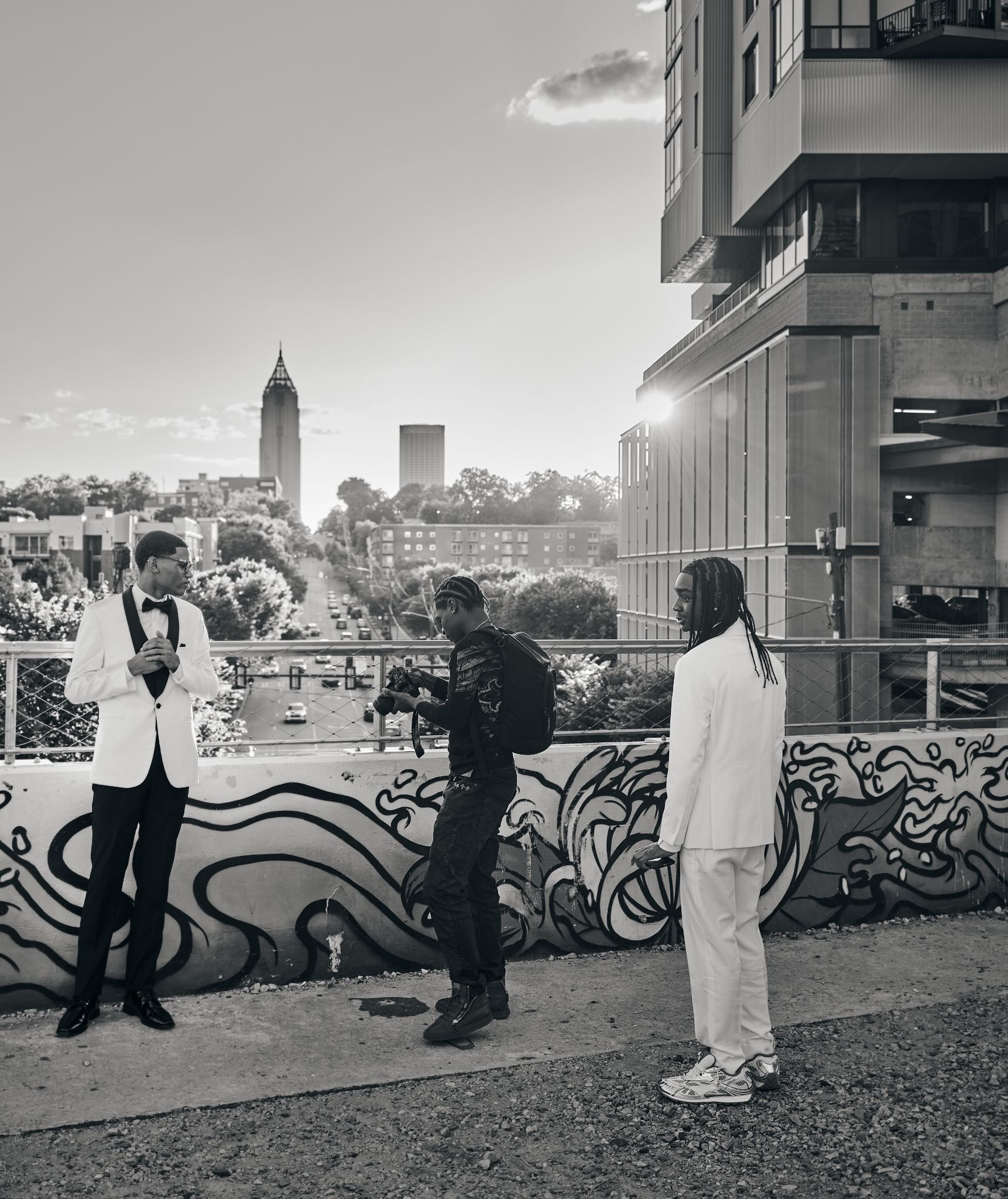
The GFX 100RF is a camera I respect more than I love. The image quality is real, the shooting experience has moments of joy, and the concept is worth pursuing.
But no IBIS, a slower fixed lens, a bigger camera, and a body that needs accessories to feel right in the hand keep it from being the all-day, every-day companion we want it to be.
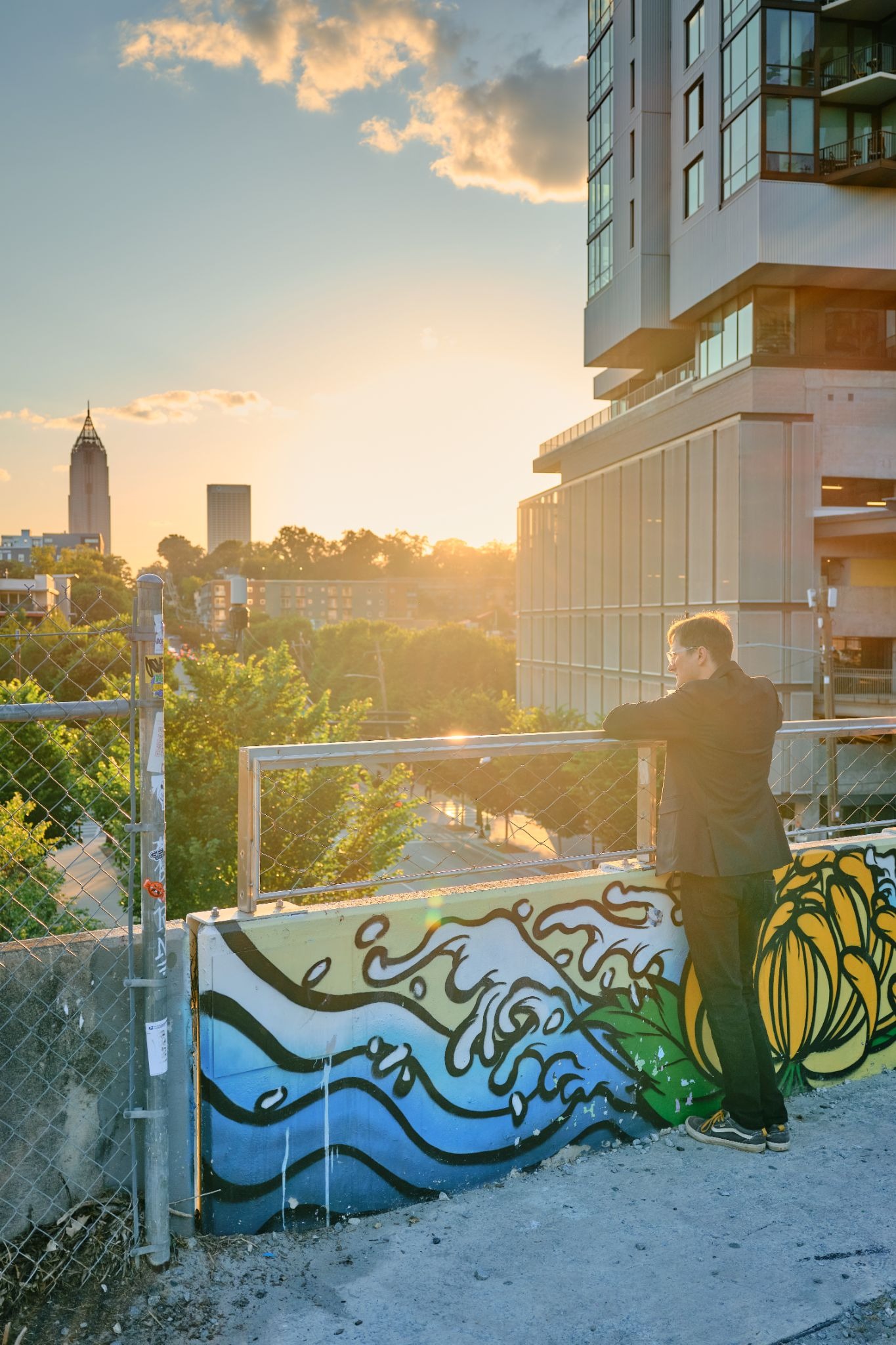
The GFX 100RF was loaned to Luminous Landscape by B&H Photo. All observations reflect approximately two weeks of field use across multiple shooting conditions. All images were shot here by Jon Swindall on the GFX100RF and edited in Capture One.

Elevate Your Vision


Read this story and all the best stories on The Luminous Landscape
The author has made this story available to Luminous Landscape members only. Upgrade to get instant access to this story and other benefits available only to members.
Why choose us?
Luminous-Landscape is a membership site. Our website contains over 5300 articles on almost every topic, camera, lens and printer you can imagine. Our membership model is simple, just $2 a month ($24.00 USD a year). This $24 gains you access to a wealth of information including all our past and future video tutorials on such topics as Lightroom, Capture One, Printing, file management and dozens of interviews and travel videos.
- New Articles every few days
- All original content found nowhere else on the web
- No Pop Up Google Sense ads – Our advertisers are photo related
- Download/stream video to any device
- NEW videos monthly
- Top well-known photographer contributors
- Posts from industry leaders
- Speciality Photography Workshops
- Mobile device scalable
- Exclusive video interviews
- Special vendor offers for members
- Hands On Product reviews
- FREE – User Forum. One of the most read user forums on the internet
- Access to our community Buy and Sell pages; for members only.
You may also like