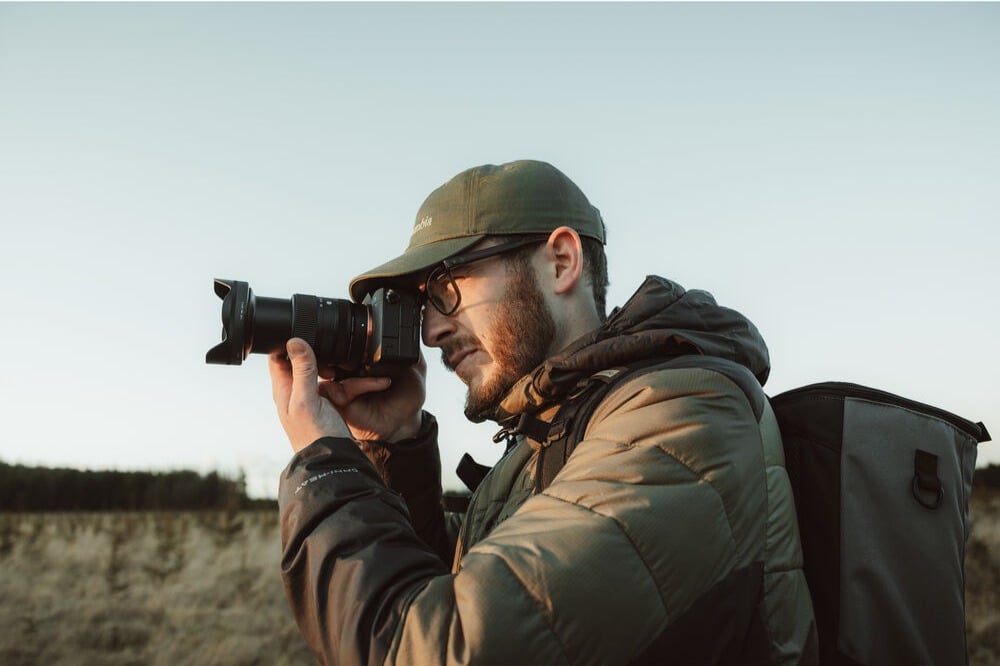



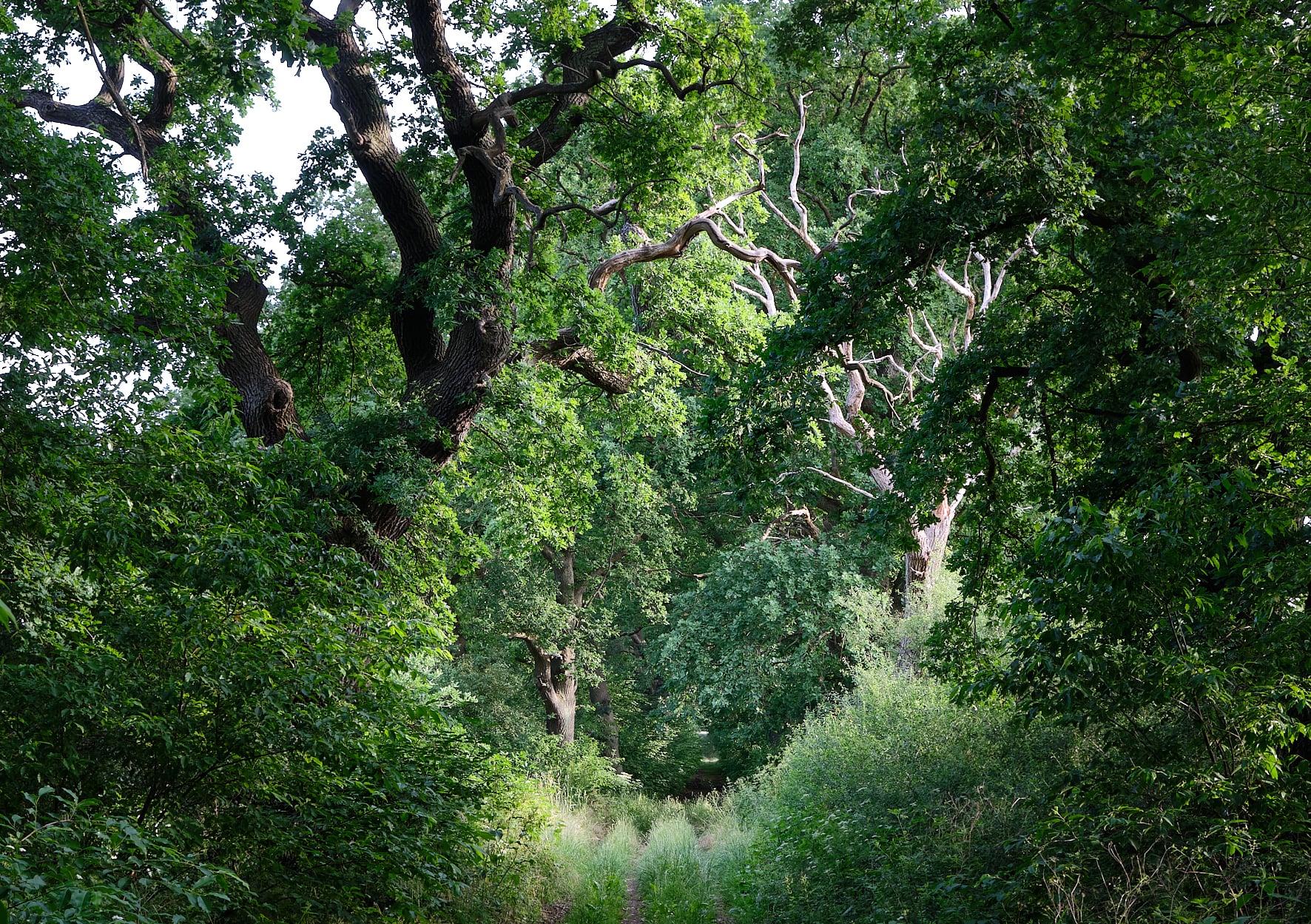


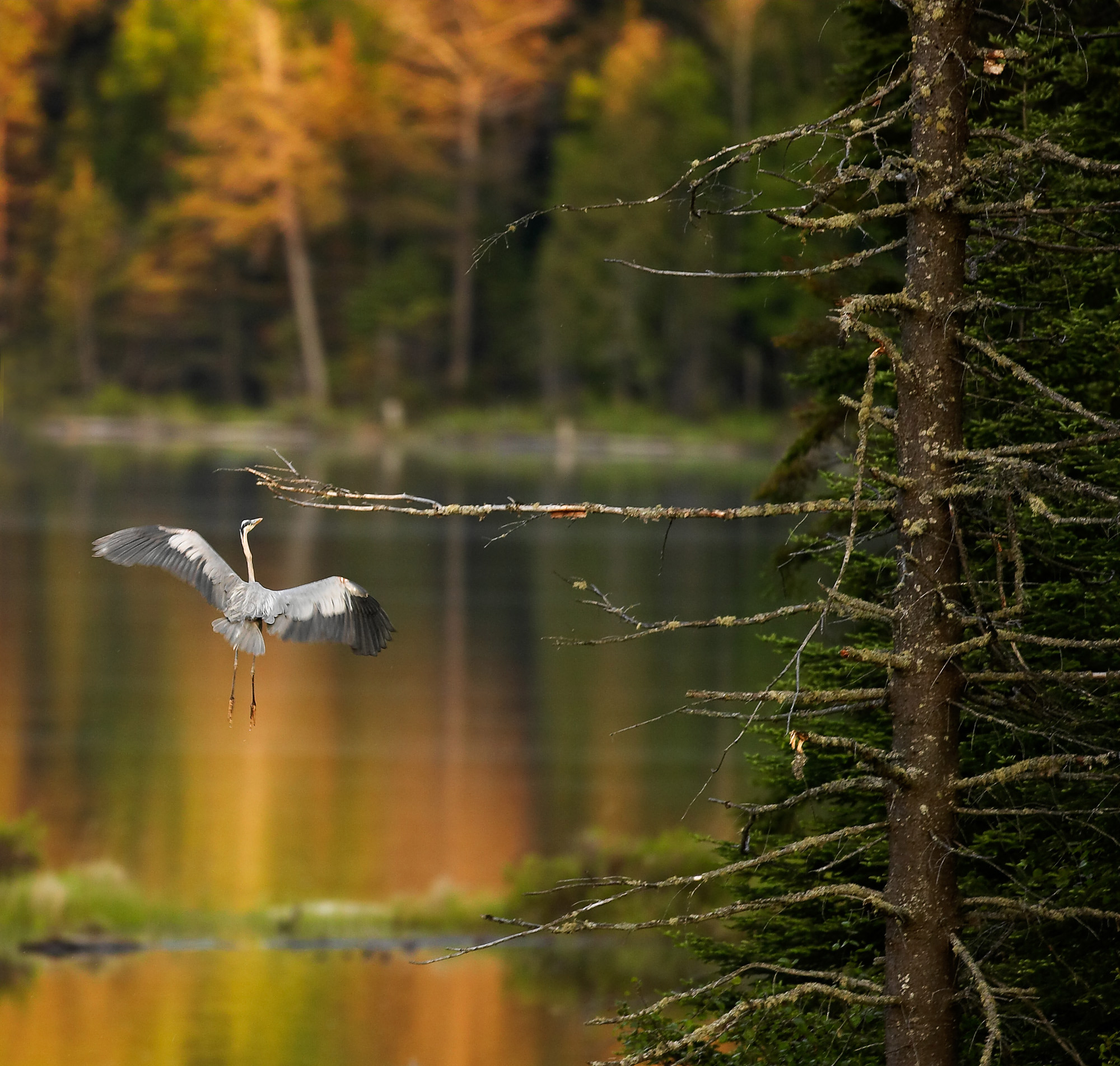
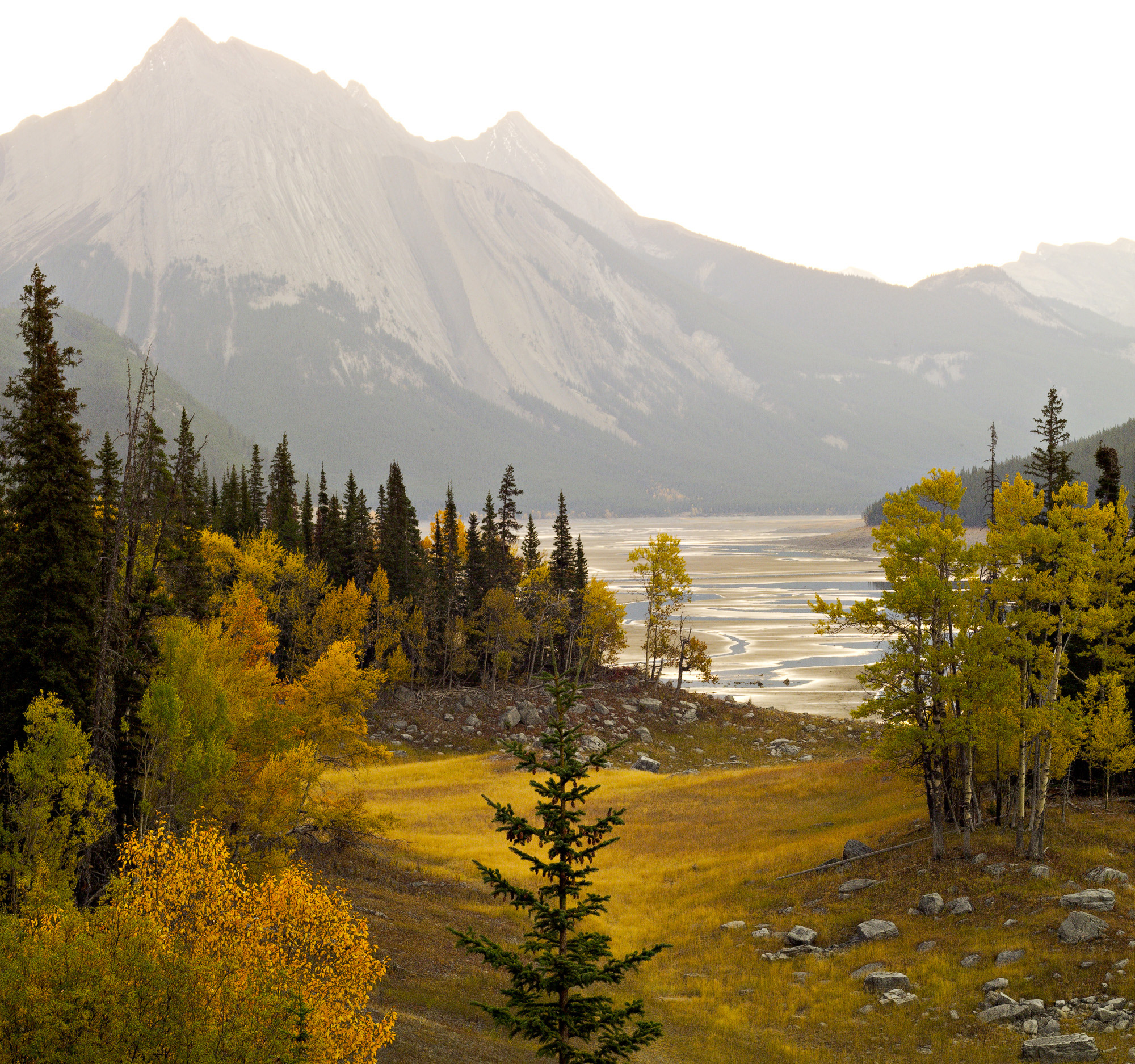
“Genius loci – forest sites” investigates how we encounter the forest through its specific places—sites where human presence meets nature and a relationship with the forest emerges in the immediacy of the present moment. My photographs arise from such moments of encounter, when light, atmosphere and perception converge. They are not documents of landscape but traces of a singular situation that can never be repeated in exactly the same way. By acknowledging the irreducible uniqueness of each moment, the work invites reflection on the nature of place itself and on the ways places shape our perception and emotional experience.
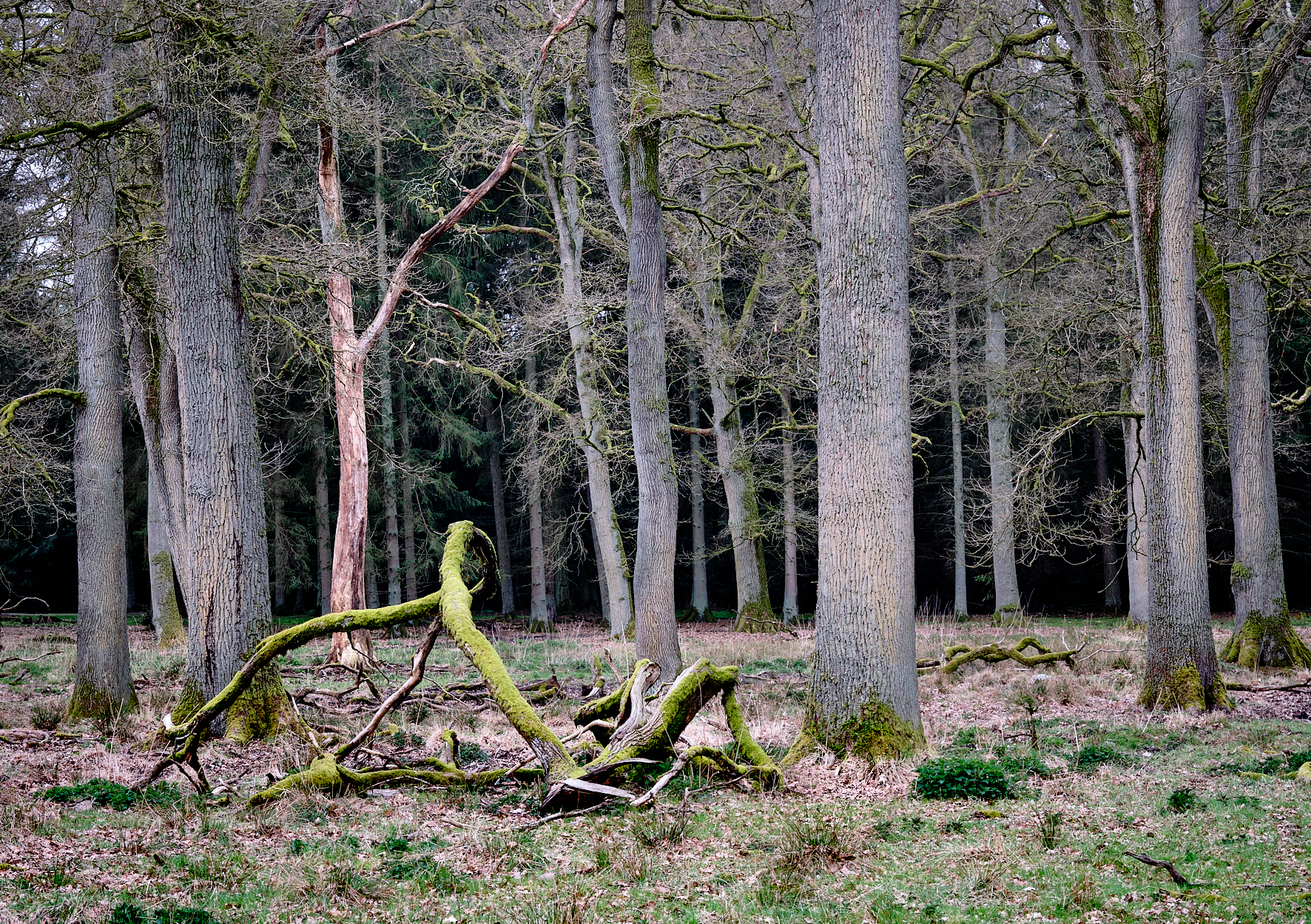
Humans need nature.
The theme of the exhibition is highly relevant today: our forests are under increasing pressure from climate change and must undergo profound transformation. Public debates about this transformation are often reduced to simple categories: production forest or protected forest? Timber harvesting, biodiversity, or climate protection?
What is frequently lost in these discussions is the recognition of what the forest means to us emotionally as human beings. Instead of genuine nature, we are often left with park-like landscapes and well-intentioned visitor management along fenced paths.
The exhibition “Genius loci – Forest Sites” reflects on what may be lost in this process: the forest as a space for an authentic experience of nature. When we enter it, the forest surrounds us, receives us, and engages all our senses. It offers moments of inner retreat and small escapes from the pressures of contemporary life. At the same time, it strengthens our inner resilience—something we urgently need, as there are more than enough reasons today to take a stand and show conviction.
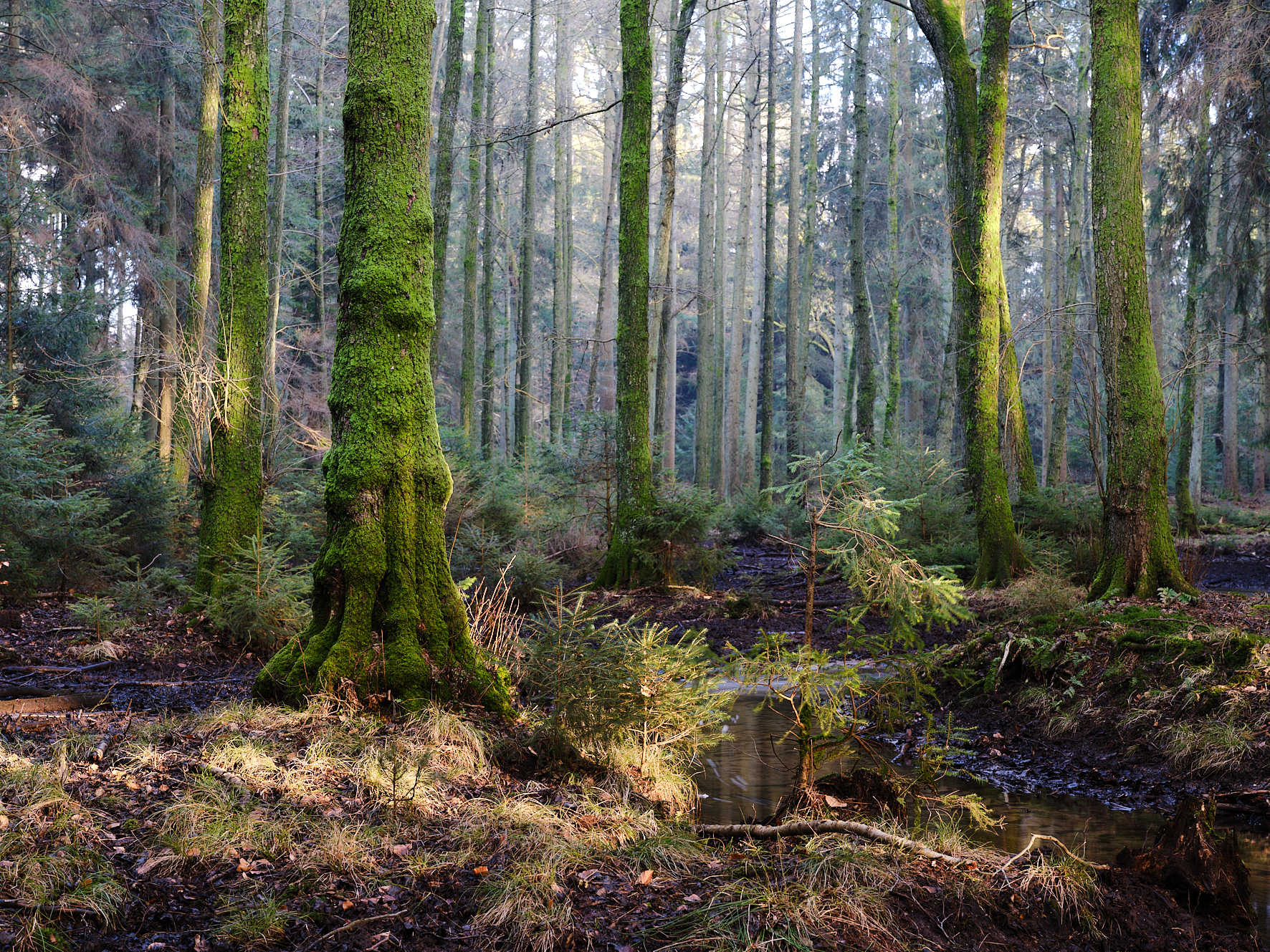
Sublime is still relevant to us.
Most of the photographs in my exhibition originate from a feeling of the sublime. But can an enlightened person still experience the sublime today? I believe we must. The sublime fills us with a sense of dignity and reverence—qualities we have largely lost in our relentless assault on nature. Humanity has placed itself above nature, and we are now beginning to face the consequences. It is high time to seek reconciliation.
To experience the sublime again, we must allow nature to touch us.
The philosopher Jean-François Lyotard once suggested that anyone who experiences the sublime incurs a responsibility to give form to that experience. With the forest photographs in my exhibition “Genius loci – Forest Sites”, I attempt to respond to that obligation.
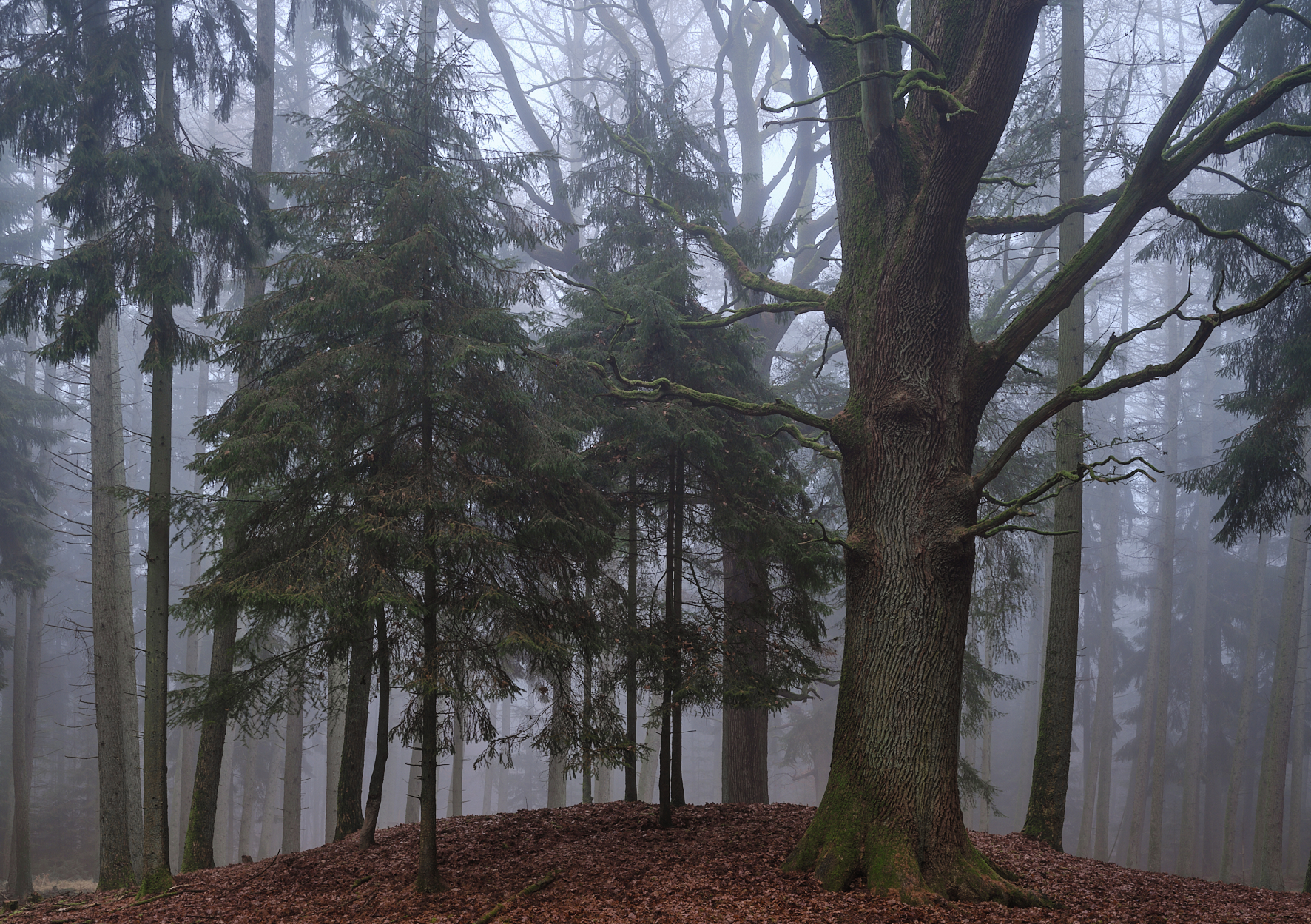
A photograph is always subjective.
My images are meant to resonate emotionally and speak to our longing for nature. In this sense, they share certain affinities with the tradition of landscape painting.
Yet there is a fundamental difference between painting and photography. A painter is not bound to reality; a painting may arise entirely from imagination and inspiration. As a photographer, by contrast, I work with what is given. I must try to wrest a small idyll from a reality that can sometimes appear sober, even bleak, since the lens of my camera can initially show only what is actually there.
But is that really true?
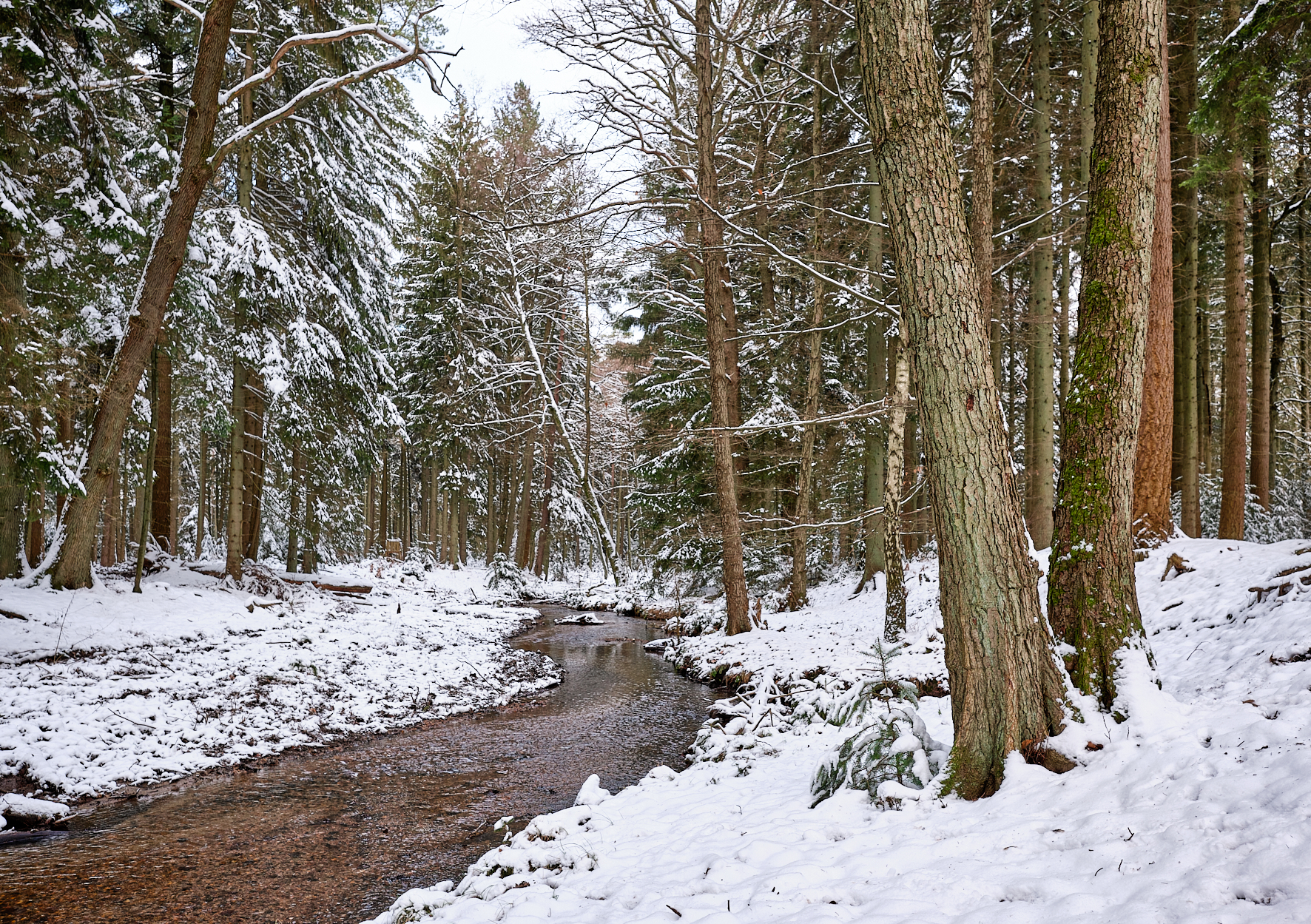
In truth, every photograph is highly subjective.
As a photographer, I decide what appears in the image—and what does not. I choose the location, the angle, the framing, the season, and the precise moment of capture. I decide whether the image is taken in sunlight, rain, or fog, and whether I use the harsh midday light or the soft streaks of morning or evening.
It is therefore up to me whether I depict a section of forest as a monotonous spruce plantation, draw attention to a carelessly discarded beverage can, or focus my gaze on a quiet pond at its center.
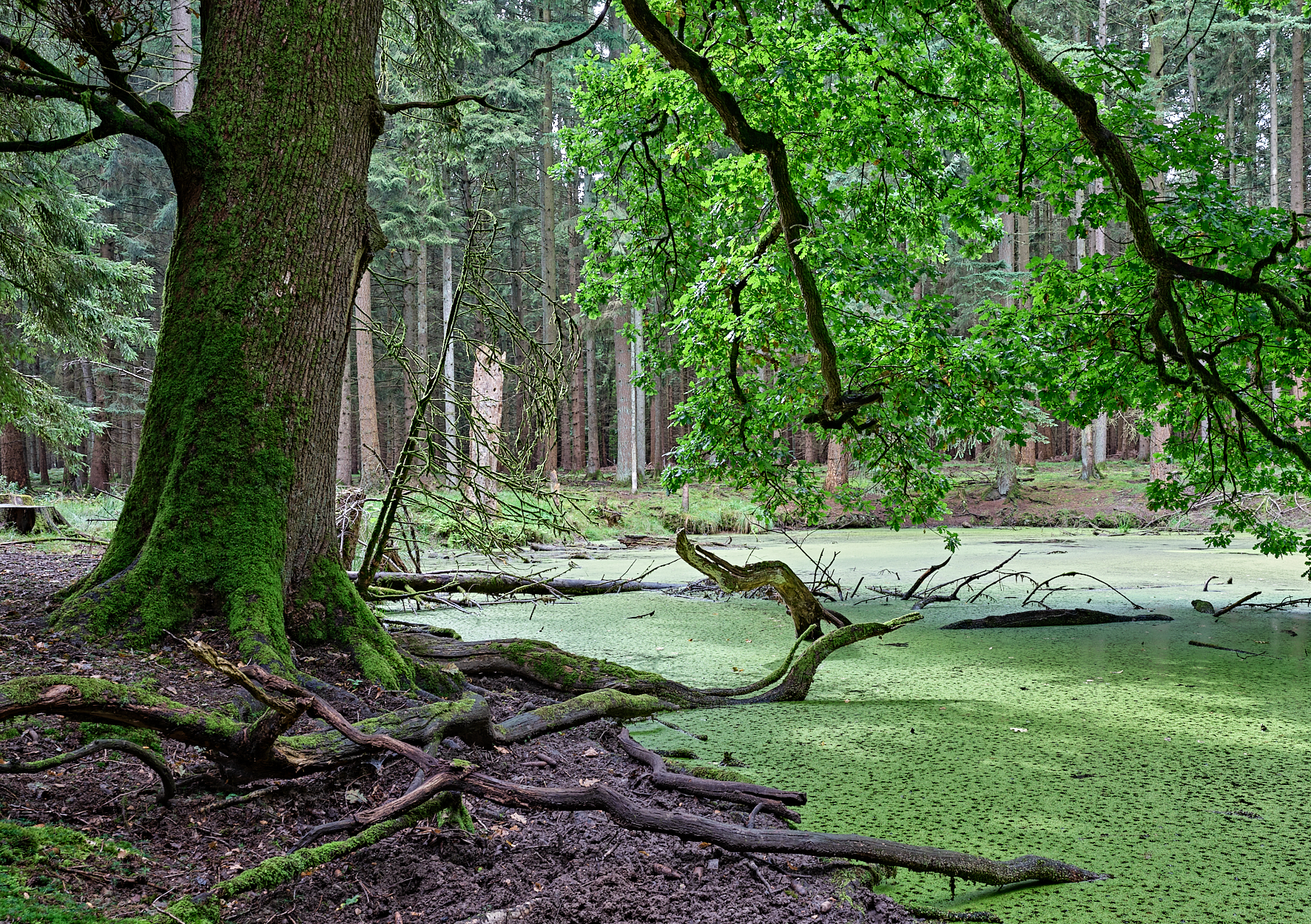
Can we force inspiration?
Am I, then, the sole master of the scene? Could I simply walk into the forest at any time and return with a successful photograph? I wish it were so—then I would have my creativity fully under control.
The reality is different. On many excursions through the Sachsenwald, I return without a single usable image. Places that once yielded compelling photographs now appear empty to me. No connection forms, no associations arise, no inspiration comes. And without these, no image can emerge that conveys my forest experience and moves others emotionally.
This brings me to the central question of my forest photography: what makes an ordinary spot in the woods an inspiring place?
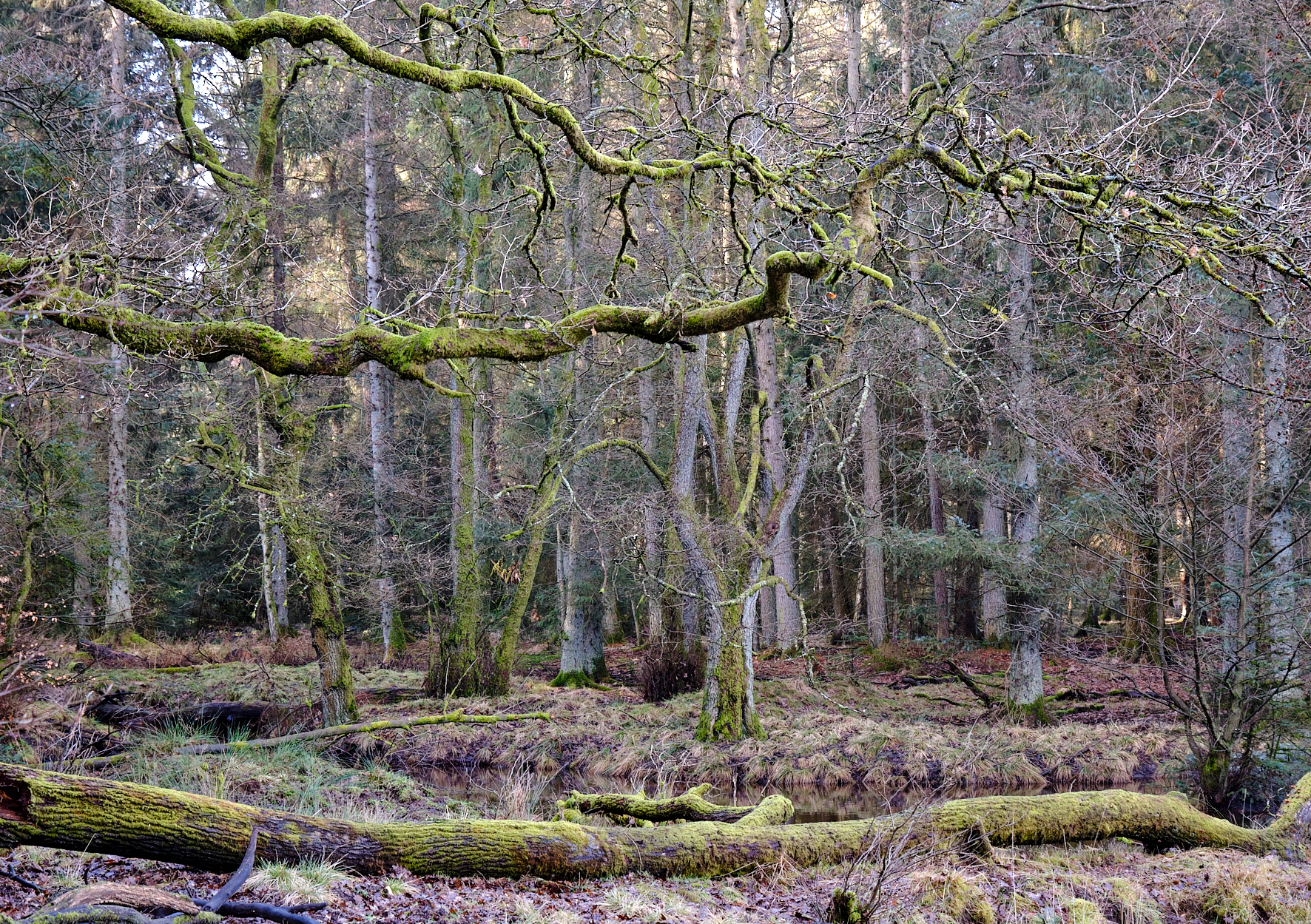
We always belong to a place.
My personal answer to this I have found in the concept of the “place” (german: Ort) itself. The philosopher Martin Heidegger wrote:
„Originally, the name ‚Ort‚ means the tip of the spear. In it everything comes together. The Ort gathers to itself the highest and the outermost. The gathering pervades and penetrates everything. The Ort, the gathering, draws in what is brought to it, preserves what has been gathered, but not like a closed capsule, rather so that the gathered shines through and resonates, and thereby is released into its being.“
It is worth reading Heidegger’s sentence carefully, for it offers a definition of a place that includes us as participants and grants the place a being, an identity.
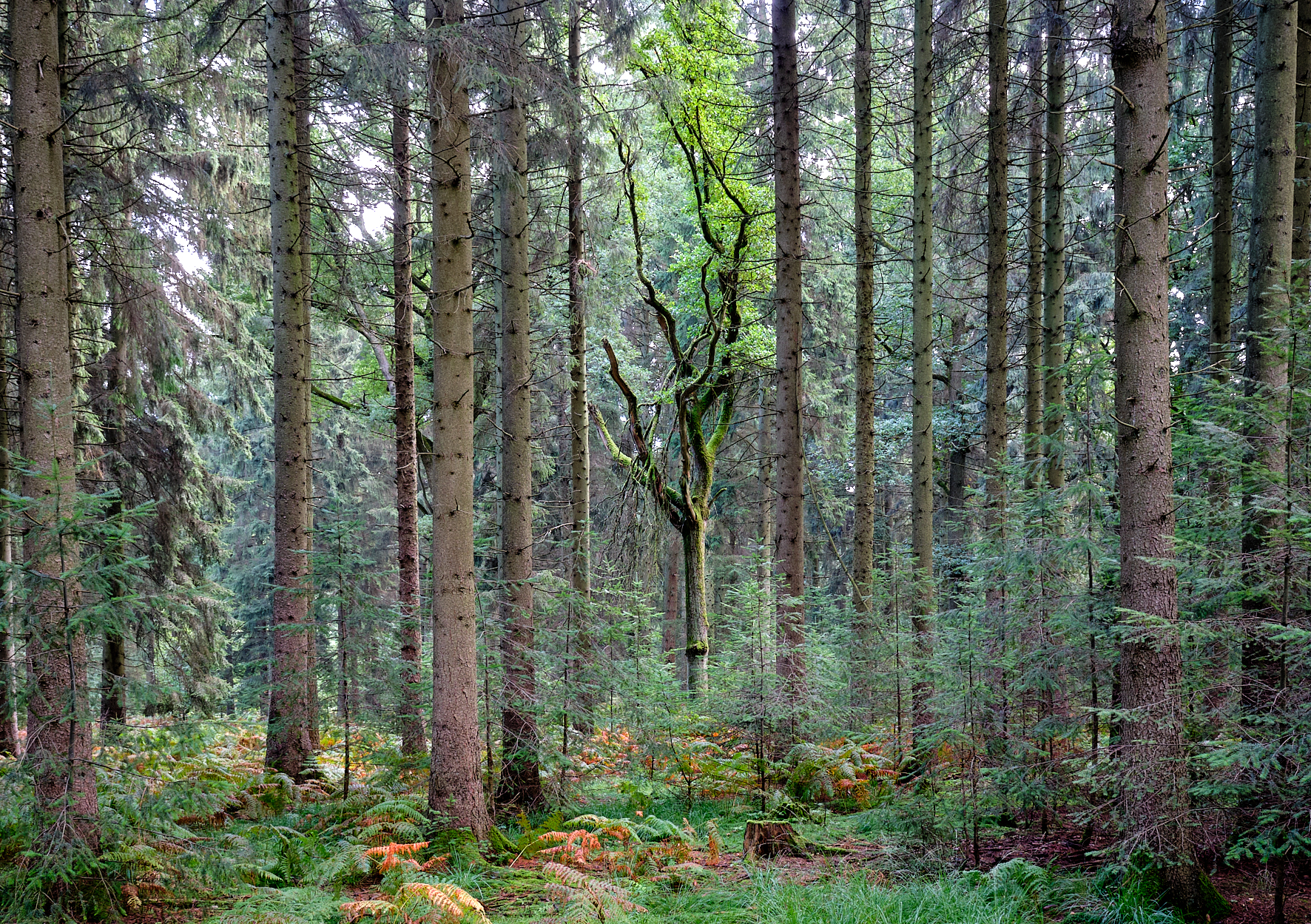
Heidegger does not describe a place as a mere location, but as the coming together of everything that is present. In my images, soil, water, trees, light, and weather converge into a scene, into which I, as the photographer, enter.
In Heidegger’s sense, the photographer then also belongs to the place: their presence, mood, gaze, and choices in composing the image. Without the photographer as witness—and without the photograph as testimony—this place would not exist.
In this way, the photographer becomes a part of their own image.
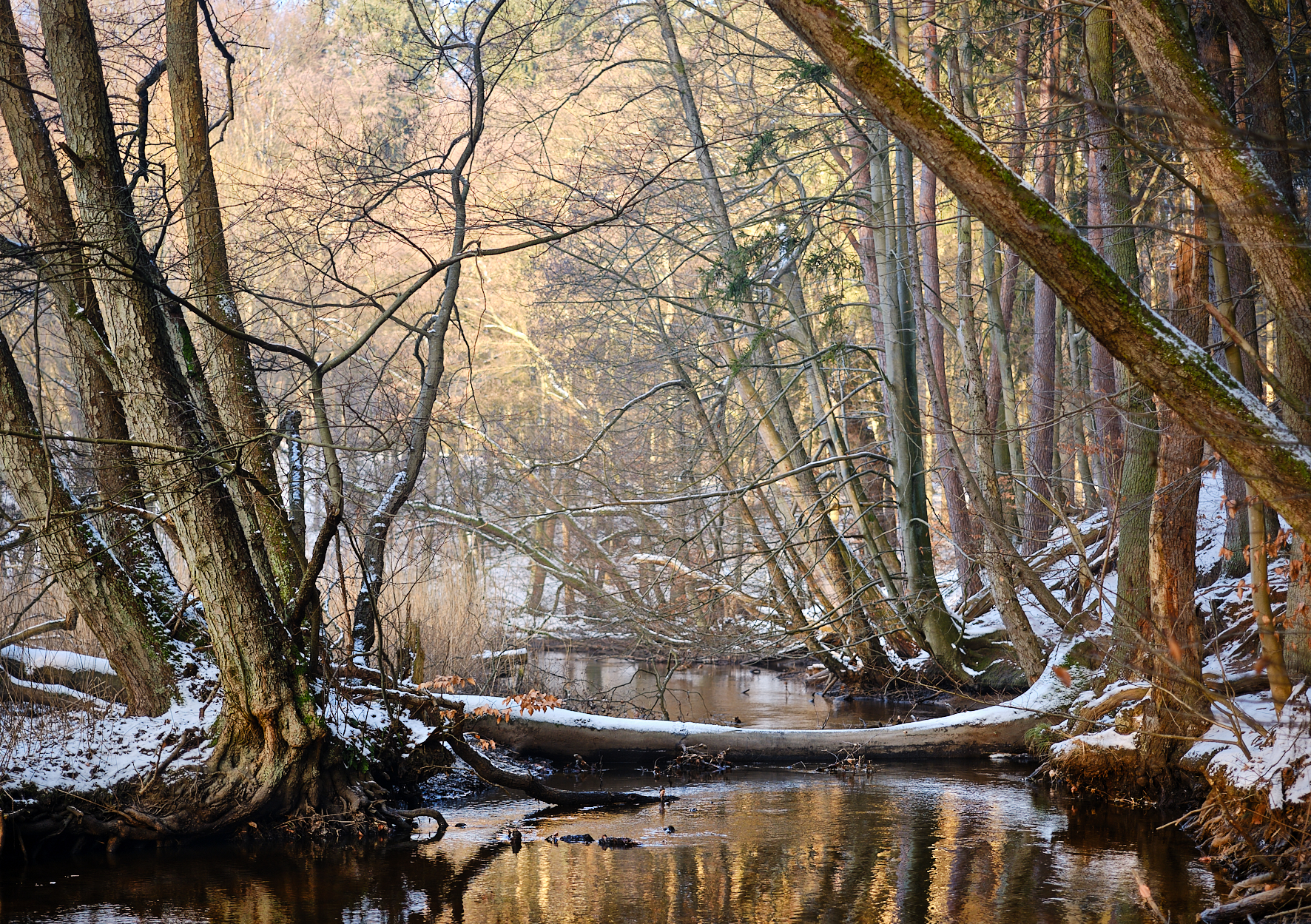
Genius loci – The spirit of a place
But who, if not the photographer, gathers the place—who is the subject? Is it mere chance, or the workings of higher powers? I do not know. Yet until I do, I rely on the Genius loci, the spirit of the place. It sparks my associations and grants me inspiration. It allows me to perceive my motif within the infinite abundance of the forest and invites me to become part of the place in order to create an image of it.
To this benevolent Genius loci I have dedicated my exhibition.
Equipment
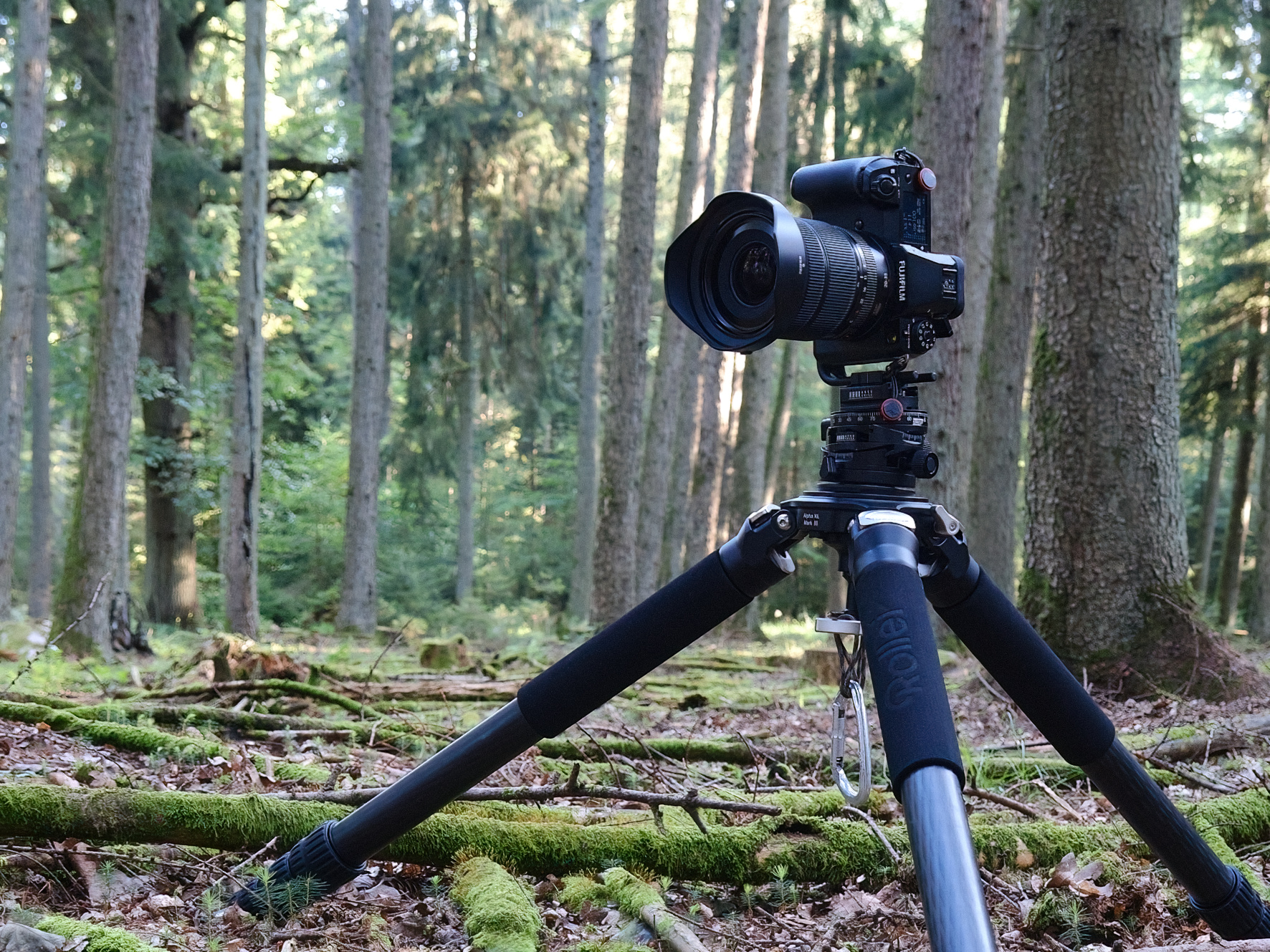
Forest photography is a demanding discipline. Light in the forest is notoriously difficult to control—sometimes scarce, sometimes overwhelming—and during the growing season there is almost always a color cast. Exposure times are often critical. Space is frequently limited as well, which often necessitates the use of wide-angle lenses. Combined with the forest’s pronounced vertical structures, this places high demands on precise camera handling. A tripod is therefore essential.
The build quality of a camera system also plays a crucial role in forest photography. Anyone who worries excessively about their gear or insists on keeping it in pristine, showroom condition may be better off choosing a different subject. Those who stay at home when it rains miss out on magical light that creates a truly special atmosphere. It’s reassuring when a camera system continues to perform reliably under such conditions. And even with the greatest care, a camera will occasionally knock against a tree, fall to the ground, or be subjected to other mechanical stress.
I have discussed the specific requirements of forest photography in detail on my blog; those interested can find further information there.
For my own forest photography, I rely on an extensive Fujifilm setup.
My X‑Pro2 paired with the XF 23mm f/2.8 is always with me. It excels during scouting thanks to its compact size and ruggedness. On the trail, it serves as my visual notebook. I love shooting with the optical viewfinder, which pairs beautifully with the 23mm pancake lens, and the image quality is more than sufficient even for 17‑inch prints.
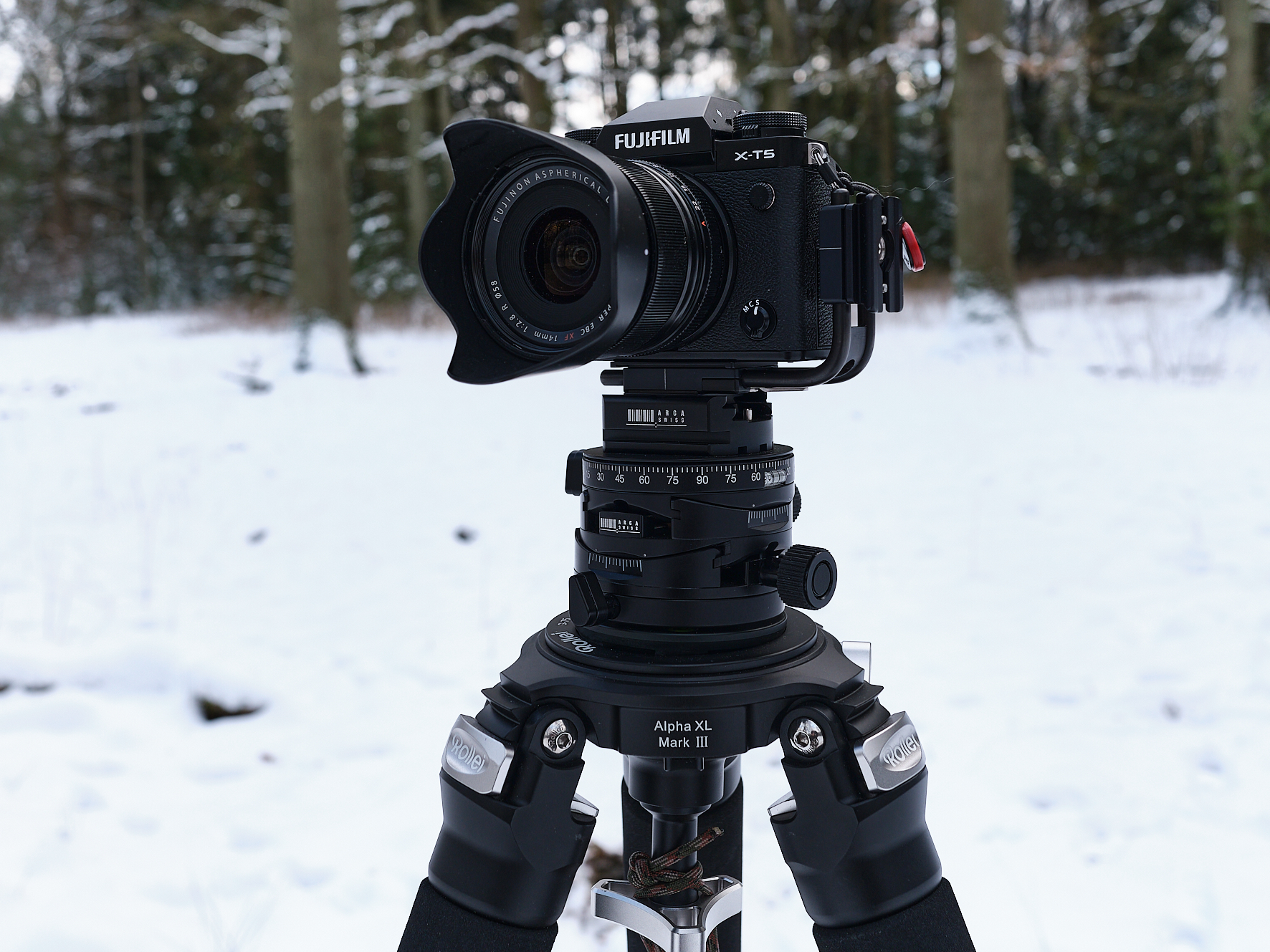
I have been working with cameras from the X‑T series for nearly fifteen years. Currently, I use two X‑T5 bodies, and the new XF 18mm f/1.4 and XF 33mm f/1.4 are my favorites. Isolating subjects amid the visual chaos of the forest often requires shooting wide open, quickly pushing zoom lenses to their limits. These two primes deliver crisp sharpness, high local contrast, and a beautifully harmonious fall‑off in focus.
For the past three years, I have increasingly been using a GFX 100S, most often with the GF 20–35mm F4 and GF 45–100mm F4 zoom lenses. When the subject allows, I turn to the GF 55mm F1.7 or the GF 80mm F1.7—both exceptional lenses offering tremendous subject‑separation potential.
Because I dislike using ball heads on a tripod, my cameras rest on an Arca Swiss Core Leveler 75, a geared head I would never want to be without.
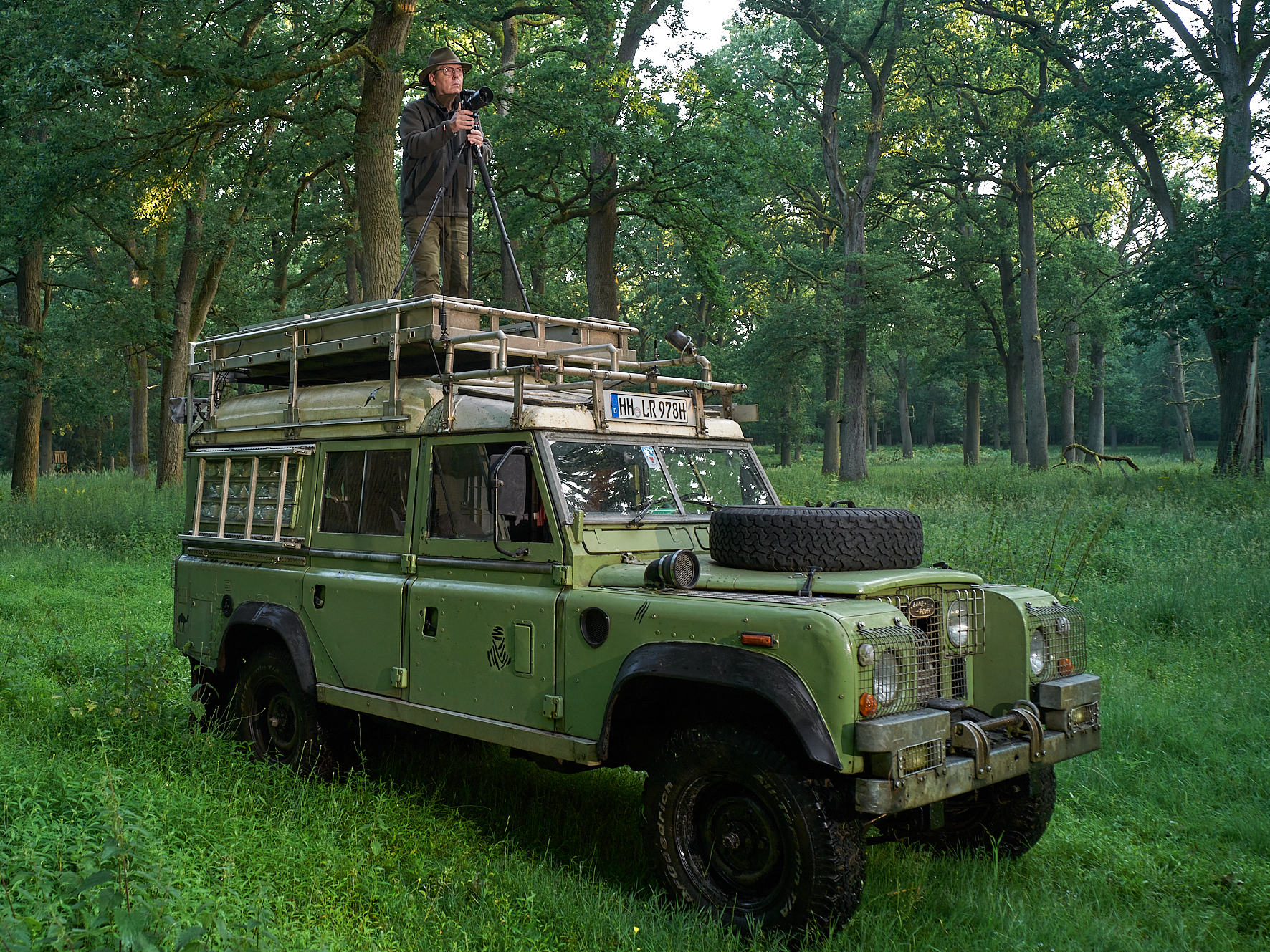
Harald Lemke
Hamburg-based computer scientist Harald Lemke has been photographing nature and landscapes since his youth. Since retiring five years ago, he has devoted himself almost entirely to forest photography, with a particular passion for the Sachsenwald. Lemke documents his work on his Sachsenwald blog and presents his forest photographs in numerous exhibitions throughout his home region.
Elevate Your Vision


You may also like