



I’m going to preface this with the following: I’m actively working on improving my own photography. This advice may or may not be the best thing for your particular situation. Please drink responsibly.
I’ve been taking photos for most of my life, using little 110 film cameras, 35mm film cameras, and eventually working as a professional portrait photographer. I’ve also been fortunate to travel around the world some and take photos of the most breathtaking scenes that my brain could imagine.
But the question of what makes a good photograph from a bad one and how to improve my own work has been a constant question for me.
Often the advice that is given is shoot more photographs. Or find a photographer that you really like the work of and try to emulate them for a while. Both can be useful, but neither one explains why improvement happens.
Improvement usually relies on a loop:
Practice → Feedback → Reflection → Adjustment → Repeat.
This can be a tedious process, and the middle parts, feedback, reflection, and adjustment, are often the first to get abandoned. Instead, we fall back on repetition alone. We keep doing the thing and hope volume will somehow become improvement. Often it doesn’t. We just get more variations of the same mistake.
Feedback:
Feedback is probably the most difficult part of improvement. It requires that we are open to hearing something we may not want to hear. Most crucially, social media likes are audience response, not critique.
Self evaluation:
Looking at your prior work and noticing trends. Was the outcome of the photo what you intended? Why or why not? Can you repeat successes or are they random? Are you repeating a success, or merely repeating a look?
Outside Evaluation:
Outside evaluation is most useful when it comes from someone who doesn’t feel obligated to protect you. This person doesn’t even have to photograph in your style, but they should be able to articulate things like where their eyes go first and how the photograph reads to them. Don’t explain the photograph before they’ve had a chance to encounter it. Don’t tell them what you meant, what was difficult, or what you hope they notice. Let them give you a cold read first. Context can come later.
Good feedback is specific enough to be useful and detached enough to be honest.
Reflection:
Once you have your feedback, what happens then? This is a good time to just listen and reflect on what you have learned. You may not agree with the feedback, and may be uncomfortable with what you received. This is often where the opportunity for growth is greatest. Once you have digested the information, this is a good time to ask questions. Was the feedback fair? Did it make you think? Was your intention reflected back or did something catch you off guard? Try to remain open to learning instead of becoming defensive. After you have learned all that you can from this encounter, then the next step is adjustment. Feedback isn’t about agreement. It’s about getting an honest read of your work through another set of eyes.
Adjustment:
Now with this information, you have choices. Will you continue with how you’ve been doing things or are you going to try something different? It doesn’t have to be a radical change in what you’ve been doing. Perhaps it’s just how you perceive light, or shapes. Did the feedback reveal a disconnect between what you thought was important in the frame and what they actually noticed? Is something in that frame too bright or dark to see the details that you thought were important? What you do with that feedback is your choice.
Repeat:
Now, with a fresh eye and a better understanding of what your work is doing, you can go out and shoot again. Enjoy the new connections that you’ve made. Repeat the cycle often enough, and your photographs should begin to reflect your decisions more clearly rather than simply your habits.
Artist Statement
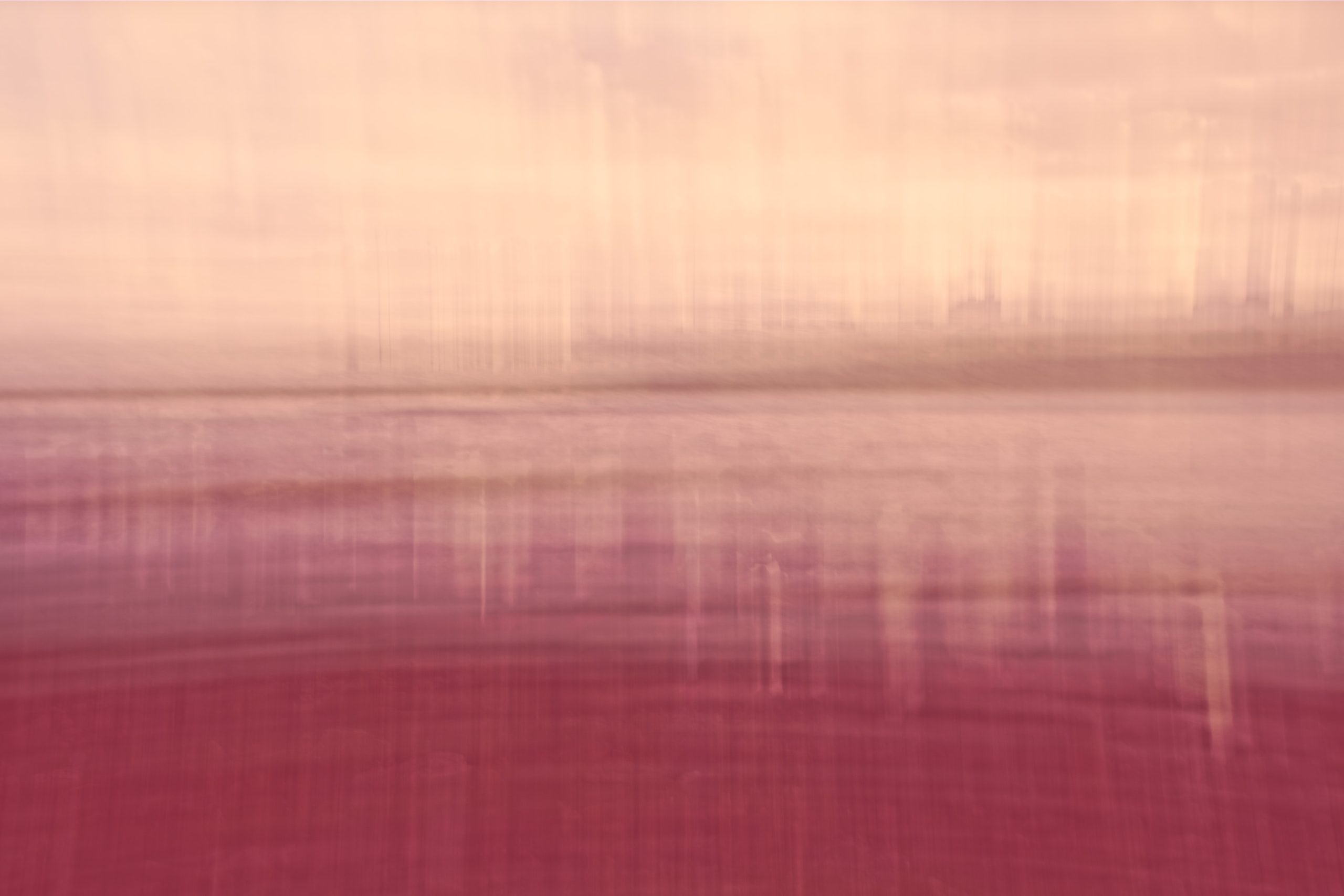
I photograph moments that interrupt my attention: surfaces, accidents of light, and ordinary scenes that briefly feel unfamiliar.
A photograph is never reality. It is a fragment shaped by choice—where to stand, what to include, and how the image is guided through editing. My work does not try to explain what is seen. It preserves the experience of noticing.
I hope the images slow the viewer down long enough for a response of their own to emerge.
Contact
Escalador de la Vida
Website: https://escaladordelavida.art/
Email: [email protected]
Instagram: @escaladordelavida

Elevate Your Vision


Read this story and all the best stories on The Luminous Landscape
The author has made this story available to Luminous Landscape members only. Upgrade to get instant access to this story and other benefits available only to members.
Why choose us?
Luminous-Landscape is a membership site. Our website contains over 5300 articles on almost every topic, camera, lens and printer you can imagine. Our membership model is simple, just $2 a month ($24.00 USD a year). This $24 gains you access to a wealth of information including all our past and future video tutorials on such topics as Lightroom, Capture One, Printing, file management and dozens of interviews and travel videos.
- New Articles every few days
- All original content found nowhere else on the web
- No Pop Up Google Sense ads – Our advertisers are photo related
- Download/stream video to any device
- NEW videos monthly
- Top well-known photographer contributors
- Posts from industry leaders
- Speciality Photography Workshops
- Mobile device scalable
- Exclusive video interviews
- Special vendor offers for members
- Hands On Product reviews
- FREE – User Forum. One of the most read user forums on the internet
- Access to our community Buy and Sell pages; for members only.
You may also like