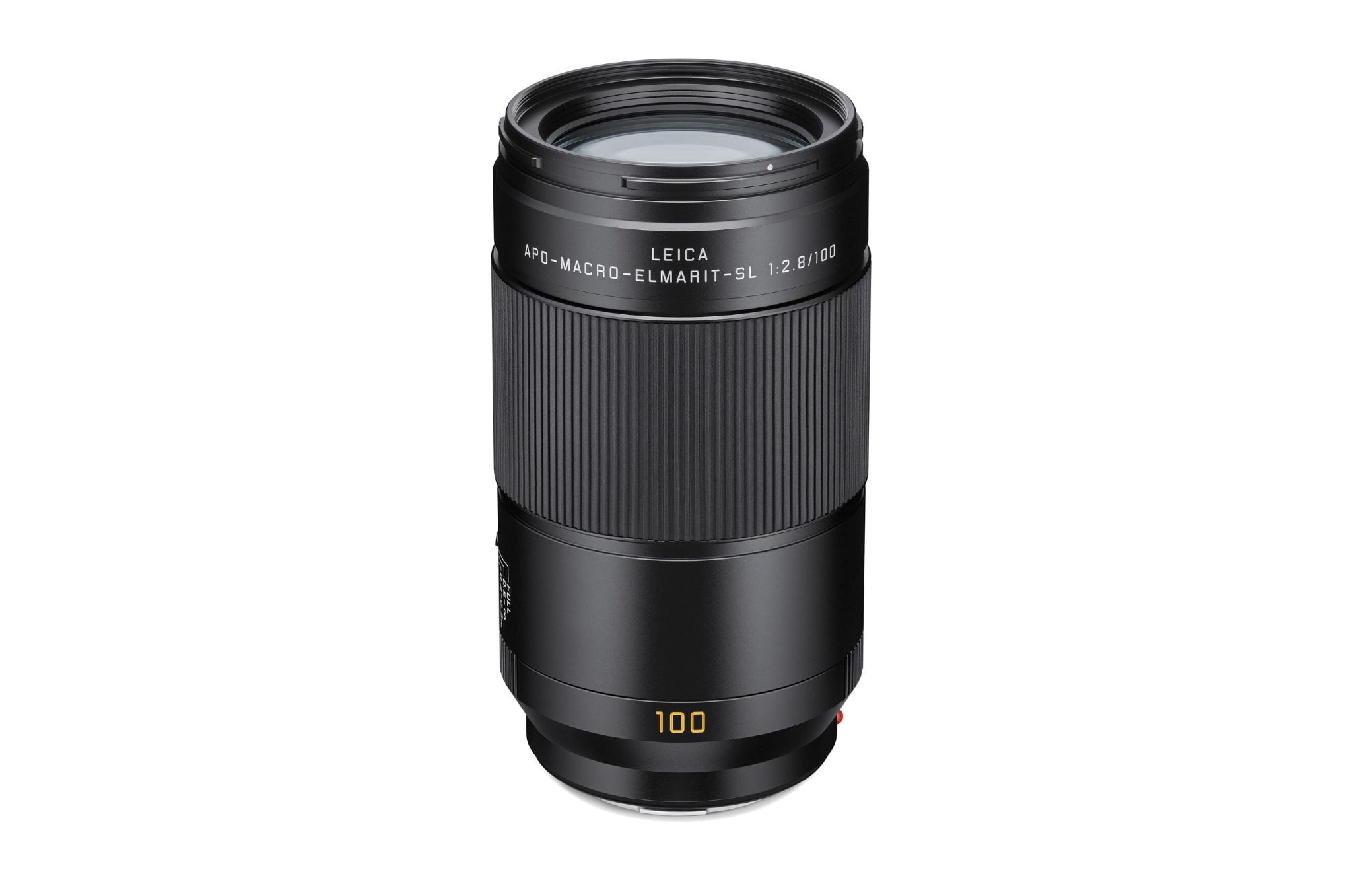





What does a lens have to do to justify $2,700 where there are cheaper macro lenses on the market?
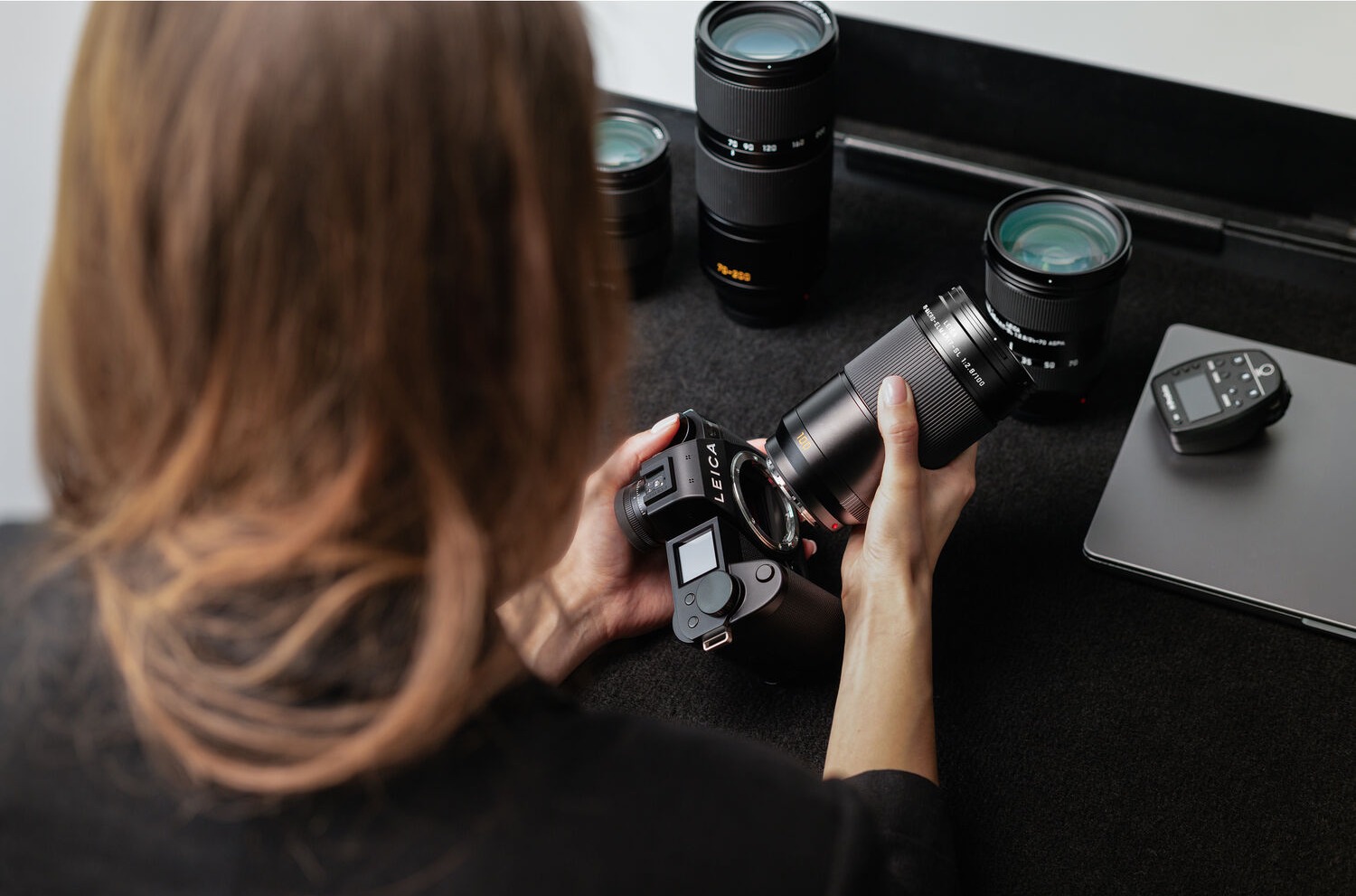
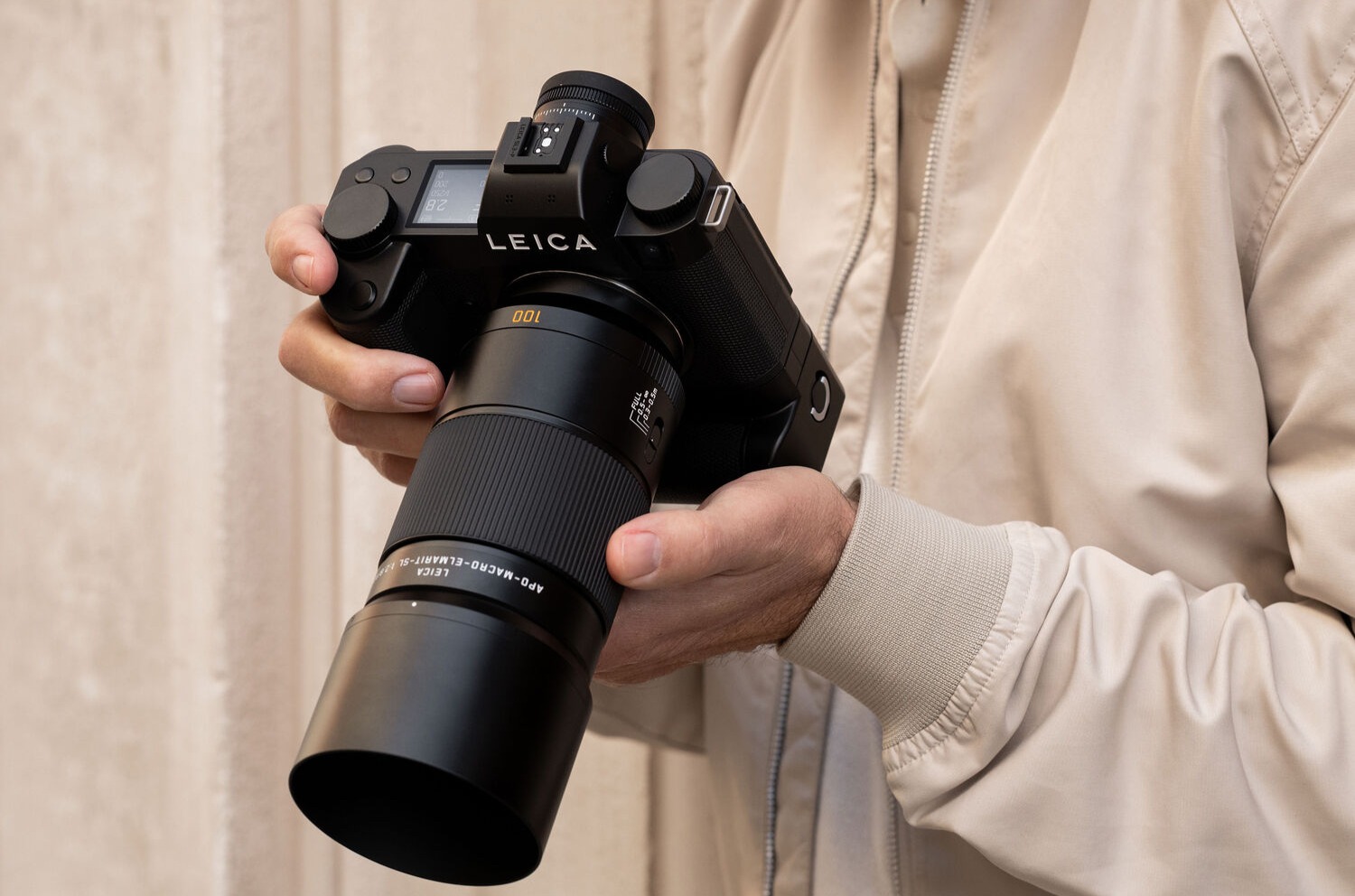
We’re talking about Leica’s APO-Macro-Elmarit-SL 100 f/2.8, which was announced alongside the SL3-P. 100mm, f/2.8. Life-size reproduction.
It’s a lens built around an idea Leica has gone for since the 1980s: one optic that excellently renders macro subjects like a postage stamp and stunning portraits.
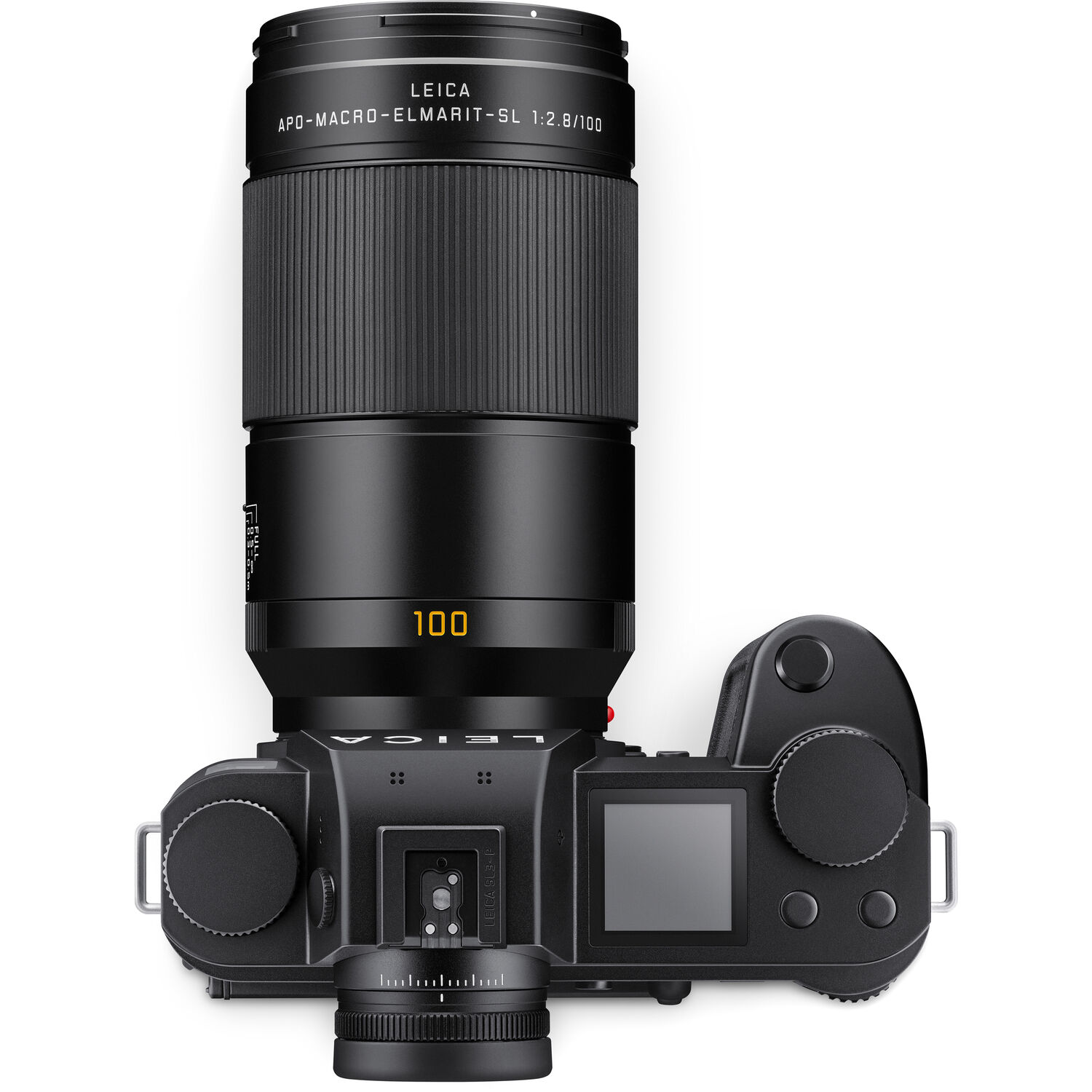
The Lens at a Glance
- Focal length and aperture: 100mm, f/2.8 to f/22
- Maximum magnification: 1:1 life size (Leica lists 1:0.997)
- Minimum focus: 0.29m, about 11.4 inches, measured from the sensor plane
- Optical design: 17 elements in 12 groups, apochromatic, all-spherical
- Diaphragm: nine blades
- Focus: autofocus with a three-position limiter (full range, 0.3 to 0.5m, 0.5m to infinity)
- Build: anodized aluminum, dust and splash protection, Aqua-Dura coating on the outer glass
- Size and weight: about 137 x 77mm and 801g, or 862g with the hood
- Filter thread: 67mm
- Extenders: Leica L 1.4x and 2.0x
- Price: $2,700 in the U.S., €2,450 in Europe
A Lens Legacy Tribute
In 1987, Leitz released the APO-Macro-Elmarit-R 100mm f/2.8 for its R-series SLRs. It used eight elements in six groups, focused to 0.45m and reached 1:2 on its own.
For life size, you screwed the dedicated ELPRO 1:2-1:1 close-up lens onto its 60mm filter thread. Leica built more than 20,000 of them before the R system ended in 2009.
The R lens earned its reputation once it went through correction. It combined an apochromatic design, distortion close to zero and contrast that held from center to edge at f/2.8. Photographers bought it for macro and kept it on the camera for portraits, architecture details and copy work. Plenty of them still adapt it to SL and M bodies today.
The new SL lens keeps that idea and updates everything around it. Here’s how the two compare.
- Focus: manual on the R, autofocus with a limiter on the SL
- Native magnification: 1:2 on the R, 1:1 on the SL
- Path to life size: ELPRO accessory on the R, built in on the SL
- Close focus: 0.45m on the R, 0.29m on the SL
- Optics: 8 elements in 6 groups on the R, 17 in 12 on the SL
- Weight: about 760g on the R, about 801g on the SL
What’s pretty amazing is that Leica doubled the native magnification and added focus motors, electronics and weather sealing, and the new lens only weighs 41 grams more than the previous one.
One accuracy note for anyone who thinks about such things. This is Leica’s first native full-frame macro for the SL system. Leica’s first L-bayonet macro arrived in 2016 as the APS-C APO-Macro-Elmarit-TL 60 f/2.8 ASPH., a 1:1 lens that mounts on SL bodies in crop mode.
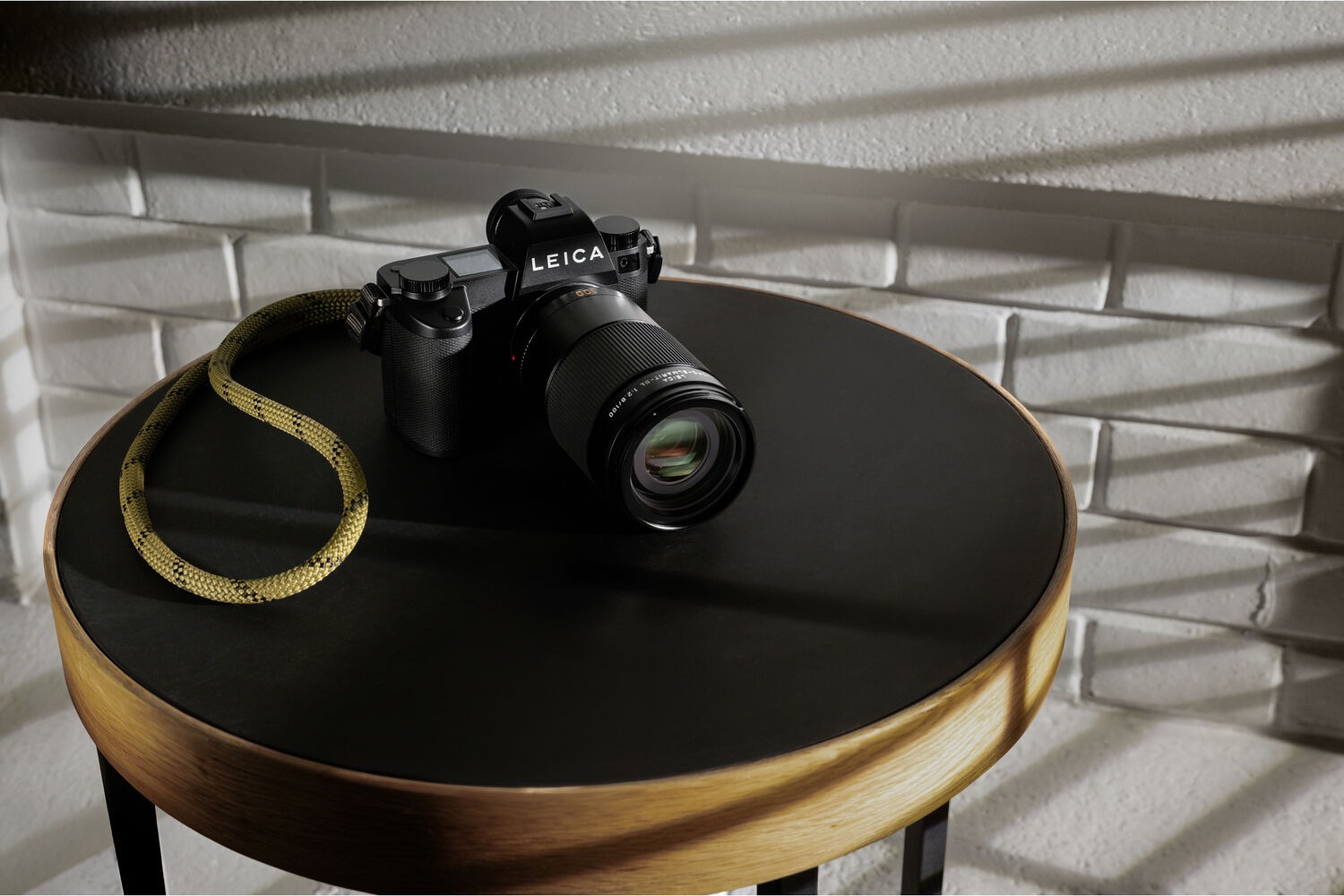
Why APO helps in Macro
APO stands for apochromatic.
Every lens bends red, green and blue light by different amounts, so each color wants to focus at a different distance. The result is longitudinal chromatic aberration.
We see it as magenta fringing in front of the focus plane and green fringing behind it. An apochromatic design brings three wavelengths to a common focus, which smoothes those transitions.
Macro is where you can really see it. At 1:1, depth of field shrinks to fractions of a millimeter, so nearly every part of the frame sits in a transition zone. An APO lens keeps those transitions clean.
Portrait shooters collect the same reward around eyelashes, flyaway hair and catchlights. You spend less time in the fringe-removal sliders and more time with the picture.
Here’s the detail I find most interesting. According to Red Dot Forum’s launch coverage, Leica reached this level of correction with an all-spherical design, relying on highly corrected glass types in place of aspherical elements.
That’s an old-school path to a modern result, and it echoes how the R lens did it in 1987.
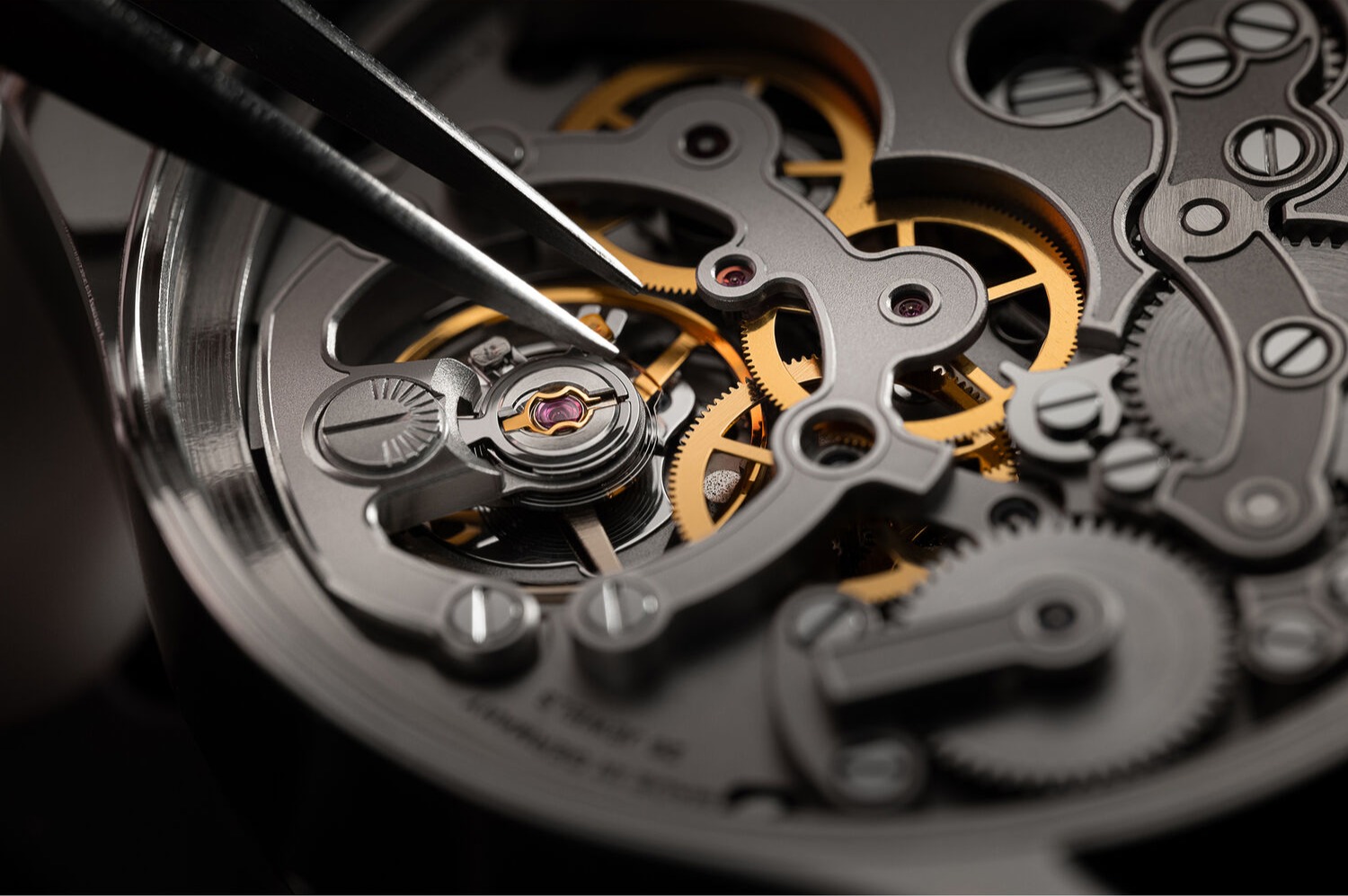
Effective aperture at 1:1
Leica’s technical data shows the f/2.8 setting delivering about f/5.75 worth of light at life size. That’s close to two stops. Every macro lens pays this toll, because focusing closer spreads the same light across a larger projected image. Plan for it with flash power, ISO or shutter speed, and expect the viewfinder to dim as you close in.
Extenders
Leica lists the 1.4x and 2.0x L extenders as compatible. With the 2x, you get a 200mm field of view and up to 2:1 reproduction at the same minimum focus distance. You also give up two more stops of light on top of the macro loss.
Stabilization and aperture
The lens relies on in-body stabilization, which the SL3 and SL3-S provide. Aperture lives on the camera’s dials. Sigma owners get a physical aperture ring with a click and de-click switch, while Leica keeps the barrel clean and simple. Which you prefer could depend on whether you also shoot video.
The Portrait Lens Inside
100mm has framed faces well for decades. It gives you flattering compression, a comfortable working distance and clean separation from the background at f/2.8. Nine aperture blades keep out-of-focus highlights round.
The L-Mount Macro Competition
The SL 100mm arrives in a mount that already has some great 100mm-class macros.
- Sigma 105mm f/2.8 DG DN Macro Art. At $879 and 715g, the Sigma 105mm f/2.8 DG DN Macro Art is the hardest value challenge. It reaches 1:1 at 0.295m, accepts Sigma’s L-mount teleconverters and adds an aperture ring, an AFL button and a focus limiter. Amateur Photographers gave it five stars for sharpness and chromatic aberration control.
- Panasonic Lumix S 100mm f/2.8 Macro. At 298g and 82mm long, the Lumix S 100 Macro is the mobility champion. It focuses to 0.204m, uses a dual-phase linear motor and matches the size of Panasonic’s f/1.8 prime family, which makes it a natural fit for gimbals and hybrid shooters.
- Laowa 100mm f/2.8 2x Ultra Macro APO. At $499, the Laowa reaches 2:1 without accessories. It’s manual focus with a manual aperture ring, which suits the specialist who lives at high magnification on a focusing rail.
So where does the Leica win? On total refinement. Corner performance from f/2.8, distortion near zero, APO correction, a full-metal sealed barrel and native SL integration all arrive in one package.
I’ll hold off on claiming it out-resolves the Sigma or the Panasonic until someone runs all three on the same body at the same distance. That head-to-head is the test I’d want to see.
The Price Question
$2,700 is about three times the Sigma and more than five times the Laowa. So what does the money buy? I see four reasons.
- Performance. Lab results show strong correction across the frame, low fringing and negligible distortion.
- Two lenses in one. This lens can replace both a premium 100mm portrait prime and a macro, which changes the G.A.S. math for anyone who would buy both.
- Build and system. Full-metal, sealed construction and first-party support target long-term professional ownership.
- Lineage. It continues a specific, respected Leica 100mm APO macro line.
A lens can earn its price and still sit outside the market’s best value. Sigma and Panasonic prove that excellent autofocus 1:1 macro work in L-mount costs far less than $2,700. The Leica makes its case to photographers who want the most complete first-party version of the 100mm macro idea and who value refinement, build and history enough to pay for them.
Who Should Buy It
Strong fit
- SL3, SL3-S and SL3-P owners who want a first-party macro and telephoto prime
- Product, jewelry, watch, food and reproduction photographers who need clean edges, straight lines and repeatable color
- Fine-art nature photographers who want life-size detail with refined background rendering
- Portrait and editorial shooters who move between faces, hands, garments and objects on assignment – maybe a lens for a wedding
- Owners of the R100 who’ve waited years for its autofocus successor
Better look elsewhere
- Travelers and hikers counting grams, who’ll love the 298g Panasonic
- Value-focused L-mount shooters, the Sigma delivers superb 1:1 results
- Video-first creators who prioritize low weight and gimbal balance
- Extreme-macro specialists who want 2:1 without an extender, a job for the Laowa
Yes – up close and close-ups. Very versatile.
Join the discussion in the forum.
Sources
- Leica Camera, APO-Macro-Elmarit-SL 100 f/2.8 product page
- Digital Camera World, Leica APO-Macro-Elmarit-SL 100mm f/2.8 review (Sebastian Oakley, Sept. 28, 2026)
- Digital Camera World, Leica launches its first-ever macro lens for its SL system
- Red Dot Forum, Leica Introduces the APO-Macro-Elmarit-SL 100 f/2.8
- PetaPixel, The Leica 100mm f/2.8 Is a Modern Revival of an R-Mount Lens From 1987
- L-Camera Forum, APO-Macro-Elmarit-SL 100 f/2.8: 1:1 macro and portrait tele
- B&H Photo, Leica APO-Macro-Elmarit-SL 100mm f/2.8 (11125)
- Leica Wiki, 100mm f/2.8 APO-Macro-Elmarit-R
- Thorsten Overgaard, Leica 100mm APO-Macro-Elmarit-R f/2.8
- Lens-DB, Leica APO-Macro-Elmarit-R 100mm f/2.8
- Leica Camera press release, APO-Macro-Elmarit-TL 60 mm f/2.8 ASPH. (2016)
- Sigma, 105mm F2.8 DG DN Macro Art specifications
- B&H Photo, Sigma 105mm f/2.8 DG DN Macro Art (L-Mount)
- Amateur Photographer, Sigma 105mm F2.8 DG DN Macro Art review
- Panasonic, LUMIX S 100mm F2.8 MACRO (S-E100) specifications
- Macfilos, Review: Panasonic Lumix S 100mm f/2.8 Macro (Aug. 28, 2026)
- Venus Optics, Laowa 100mm f/2.8 2X Ultra Macro APO
- Foto Erhardt, Laowa 100mm f/2.8 2:1 Ultra Macro APO L-Mount specifications




Elevate Your Vision


Read this story and all the best stories on The Luminous Landscape
The author has made this story available to Luminous Landscape members only. Upgrade to get instant access to this story and other benefits available only to members.
Why choose us?
Luminous-Landscape is a membership site. Our website contains over 5300 articles on almost every topic, camera, lens and printer you can imagine. Our membership model is simple, just $2 a month ($24.00 USD a year). This $24 gains you access to a wealth of information including all our past and future video tutorials on such topics as Lightroom, Capture One, Printing, file management and dozens of interviews and travel videos.
- New Articles every few days
- All original content found nowhere else on the web
- No Pop Up Google Sense ads – Our advertisers are photo related
- Download/stream video to any device
- NEW videos monthly
- Top well-known photographer contributors
- Posts from industry leaders
- Speciality Photography Workshops
- Mobile device scalable
- Exclusive video interviews
- Special vendor offers for members
- Hands On Product reviews
- FREE – User Forum. One of the most read user forums on the internet
- Access to our community Buy and Sell pages; for members only.
You may also like