



There’s a conversation happening in photography right now, and most of the companies building AI tools for photographers are being quiet about it.
The question: Is AI here to help photographers, or replace them?
It’s a fair question. And for working photographers – people who’ve spent decades building a craft, a client base, a way of seeing the world – the anxiety is turning to dread. AI tools are getting faster, smarter, and more capable every year. Lots of those tools are built by tech companies with investors who care about margins, not artistry. When you’re a photographer trying to understand what this all means for your work, silence from the software people building these tools isn’t reassuring.
Aftershoot wanted to speak up.
The photo culling and editing software company recently published a public commitment. It’s what they’re calling a “photographer-first AI pledge” – stating that their tools will be built to support the creative work photographers do. The company has processed over 8.8 billion images and rising – so that’s a big statement.
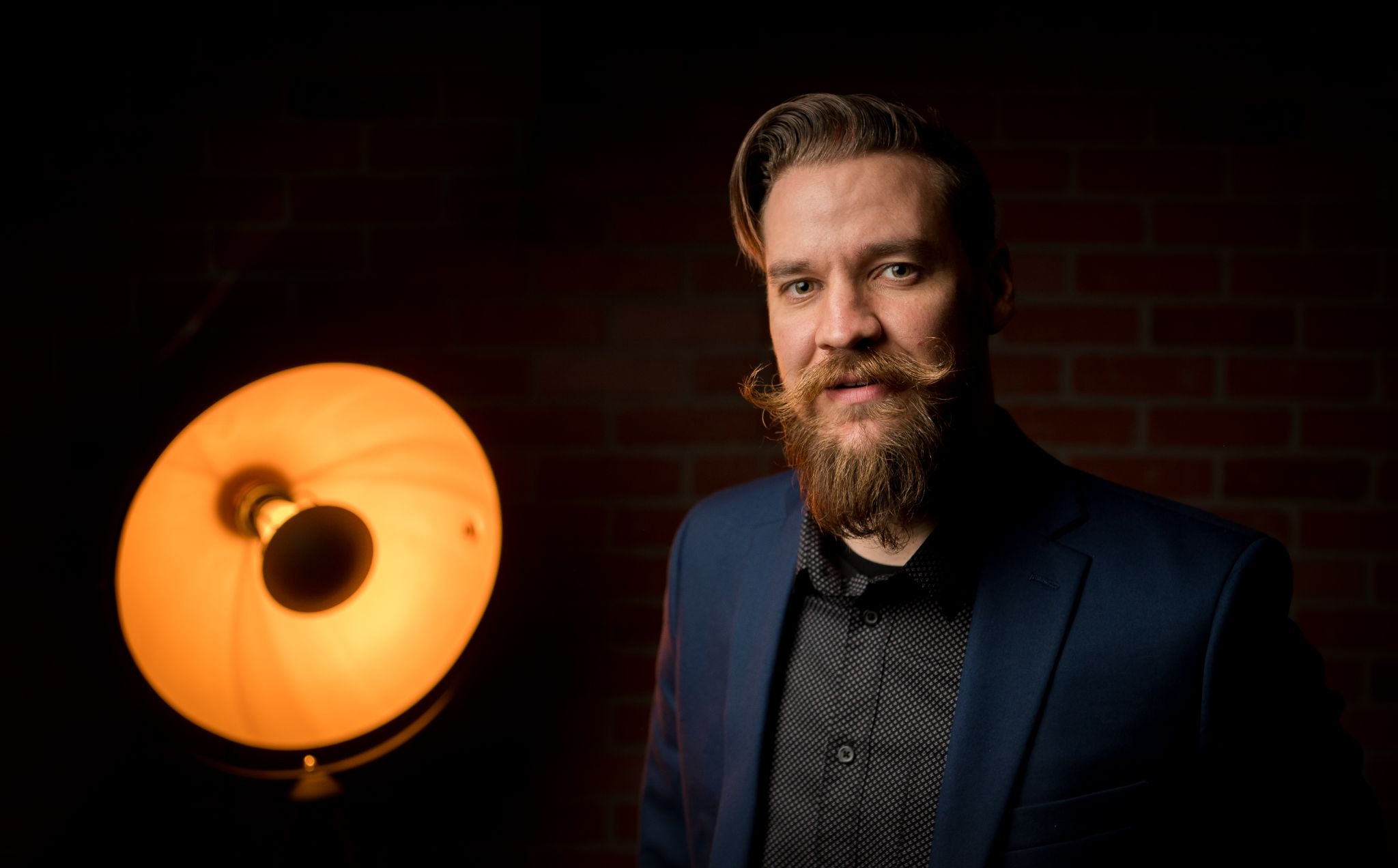
Justin Benson is a photographer and the founder of Aftershoot. He’s been shooting for 15 years. His perspective is strong – he’s asking good questions about what AI in photography should look like.
Why Now
LuLa: You’re a photographer first. What moment made you feel like you needed to draw a public line on what Aftershoot’s AI would and wouldn’t do?
Justin Benson: We felt we needed to come forward after a recent incident with another brand. From our foundation we’ve always been different in our approach – unlimited pricing, local processing instead of cloud, and the tools we choose to build. As a photographer myself, it was important we built something that uplifts the industry and supports photographers, versus looking to replace them. Knowing how different we are, and seeing what others were doing in the space to try and replace photographers, we felt it was important we became vocal about our positive impacts.
LuLa: Most AI companies in the photo space have stayed quiet on the replacement question. Why do you think that is?
Justin: It’s all about ownership. The companies backed by big money are always going to be looking at the bottom line. Speaking out isn’t in their favor because at some point, they may also be looking at replacing photographers if the money is better. For us, it will never be that. We are a photography company. We are here to help grow the art and support photographers.
Where the Line Is
This is the part that matters to working photographers. It’s easy to say you support the craft. It’s harder to define exactly where the tools end and the photographer begins.
LuLa: You’ve committed to never building features that compete with the creative work clients hire photographers for. Where is that line? How do you decide what crosses it?
Justin: The line between competing and helping is very clear. It comes down to accessibility and intent. For every feature and product, we ask – does this help a photographer deliver better images faster? Is it a mundane task that eats up a photographer’s time? If the AI is about generation or creation, you’ve lost the plot on what a photographer needs. A photographer will not generate or create something that didn’t start with their camera.
That distinction – between automating the tedious and replacing the creative – is the clearest framework we’ve heard from any AI company in this space. Aftershoot’s tools are built around the images you make. The camera still has to come first.
The Local Processing Question
One of Aftershoot’s most talked-about features is that all the processing happens locally on your machine. Your images stay on your computer. For photographers with client work – weddings, portraits, commercial shoots – that’s great.
LuLa: What’s the tradeoff we’re making by keeping it local instead of cloud-based?
Justin: To be honest, there isn’t really a big tradeoff. A cloud processor would be able to use your images to make algorithms better for everyone – kind of group AI building. While that sounds great, I personally do not think that’s a tradeoff I’d want, because I would not want my images being used to train anything for anyone, nor would my clients. Aftershoot is fast, accurate, and still learns and adapts to you as a user – not on a global level. Being local is just fine for my business.
The cloud-versus-local debate comes down to one question: who benefits from your data? With local processing, your workflow gets smarter based on your own editing patterns, and that intelligence stays with you.
The Business Model
Here’s a question: how does a company make money while promising to keep your images private?
Aftershoot has processed 8.8 billion photos. They say none of it has been sold or shared.
LuLa: How does Aftershoot actually make money then?
Justin: Our commitment has always been to serve photographers. Our money comes from our subscription model. It allows us to keep developing new tools and algorithms and keep the lights on. So long as photographers keep loving what we build and using what we build, we get to keep building more. Our biggest reward as a company is developing features that users love and keeps them subscribed or brings new users. It’s a simple business model, but it keeps us pushing forward to build the best tools we can.
When a company’s revenue depends entirely on photographers choosing to keep paying for the product, the incentive structure stays honest. They have to keep earning it – we have to keep wanting to come back.
Built by Photographers, Shaped by Photographers
LuLa: Your Founders Community gives photographers direct input on the product. How does that actually work in practice?
Justin: It all starts with a feature request button. Users get to ask for things they feel could make Aftershoot better. We review every one of those. A great example is our culling tool’s survey mode. Multiple users came forward and gave us different concepts of what they wanted survey mode to do. So we took all of the ideas, sat in a room, and looked at how we could incorporate as many of the requests as possible. Now we have a window that shows you all the similar images, lets you zoom equally across them all, and even uses a spray can tool to click on images to select or deselect them. A simple feature – but directly impacted by users’ requests.
They seem to be listening to photographers – that’s useful. That’s how trust gets built.
A Word to the Skeptics
If you’ve been shooting for 30 or 40 years, the idea of handing any part of your workflow to an algorithm feels a little wrong. That instinct is worth respecting. The craft took time to build. Here’s how Justin addresses that:
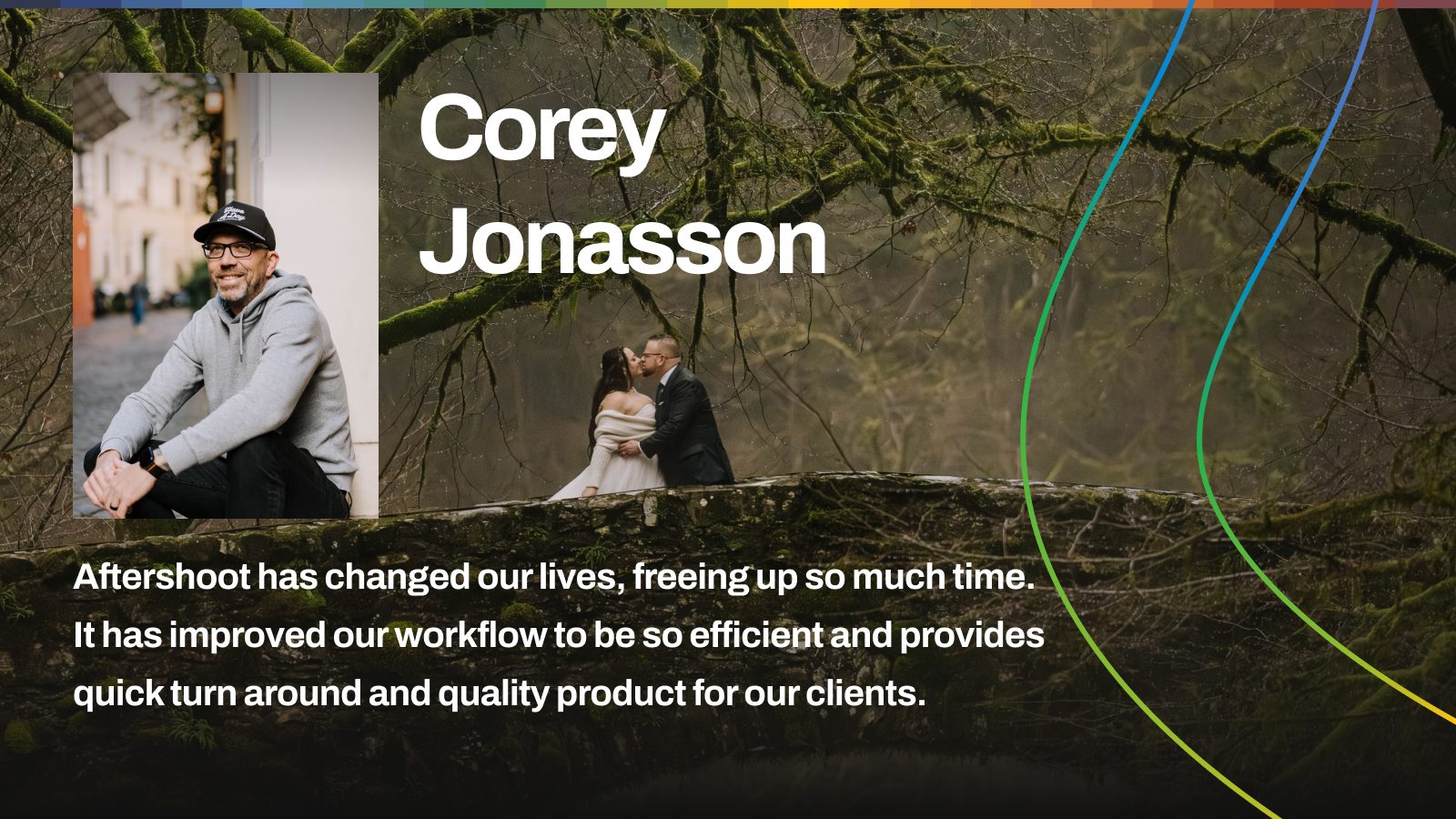
Justin: I really did embrace the idea of AI helping back in 2019 because I knew there was a better way. Even if it’s not perfect, having tools that can make some of the slower parts of your job go faster will add up over time. Every few seconds you shave off reviewing images adds up. If you are processing thousands of images a year, seconds turn into hours, days, weeks of time. I have never met anyone who said “no, I am happy spending extra time doing mundane things that don’t actually make me a better photographer, a better business, a better creative.” It’s not replacing you – it’s helping you do it faster and giving you more time to focus on being a photographer.
What This Actually Means
The conversation around AI in photography is getting louder. More tools are coming. More companies are entering the space. Some will be built by people who see photographers as a market to serve. Others will see them as a step in the process to someday skip.
What Aftershoot did – putting their position in writing and being direct about where the line is – gives photographers something solid to reference. It raises the questions we the photographer should be asking about every AI tool they use: Who benefits from my data? What is this actually doing?
Is the company behind it thinking about my work the way I think about my work?
These are worth asking. Let’s keep asking them.
Aftershoot is available at aftershoot.com. You can read their full photographer-first AI pledge on their website.
Luminous Landscape members can get 15% off Aftershoot using the code: luminouslandscape15
Curious how others see AI in photography? Feel free to share your thoughts on the forum.
Elevate Your Vision


Read this story and all the best stories on The Luminous Landscape
The author has made this story available to Luminous Landscape members only. Upgrade to get instant access to this story and other benefits available only to members.
Why choose us?
Luminous-Landscape is a membership site. Our website contains over 5300 articles on almost every topic, camera, lens and printer you can imagine. Our membership model is simple, just $2 a month ($24.00 USD a year). This $24 gains you access to a wealth of information including all our past and future video tutorials on such topics as Lightroom, Capture One, Printing, file management and dozens of interviews and travel videos.
- New Articles every few days
- All original content found nowhere else on the web
- No Pop Up Google Sense ads – Our advertisers are photo related
- Download/stream video to any device
- NEW videos monthly
- Top well-known photographer contributors
- Posts from industry leaders
- Speciality Photography Workshops
- Mobile device scalable
- Exclusive video interviews
- Special vendor offers for members
- Hands On Product reviews
- FREE – User Forum. One of the most read user forums on the internet
- Access to our community Buy and Sell pages; for members only.
You may also like