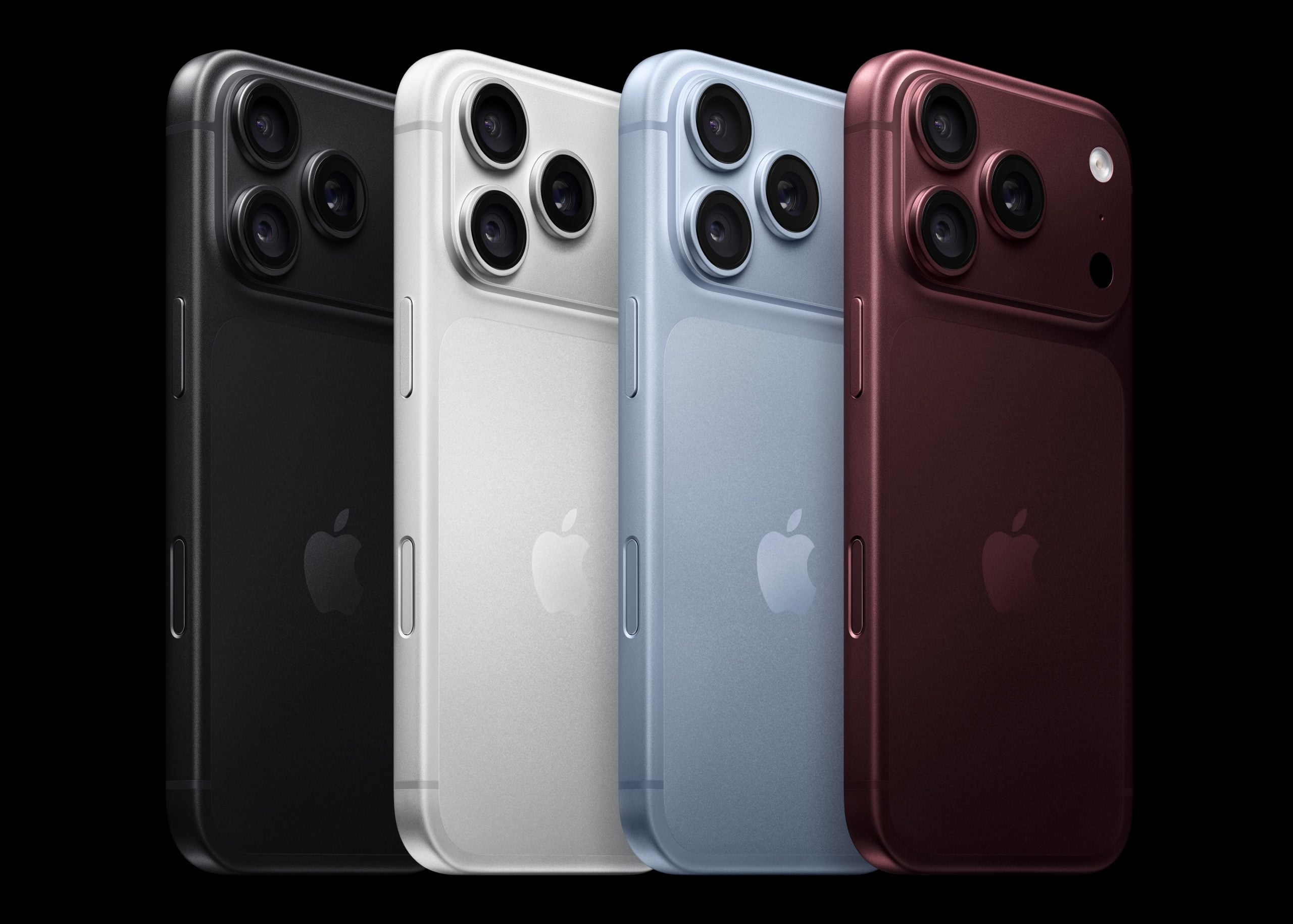





What happens when the world’s most popular camera starts speaking the language of f-stops?
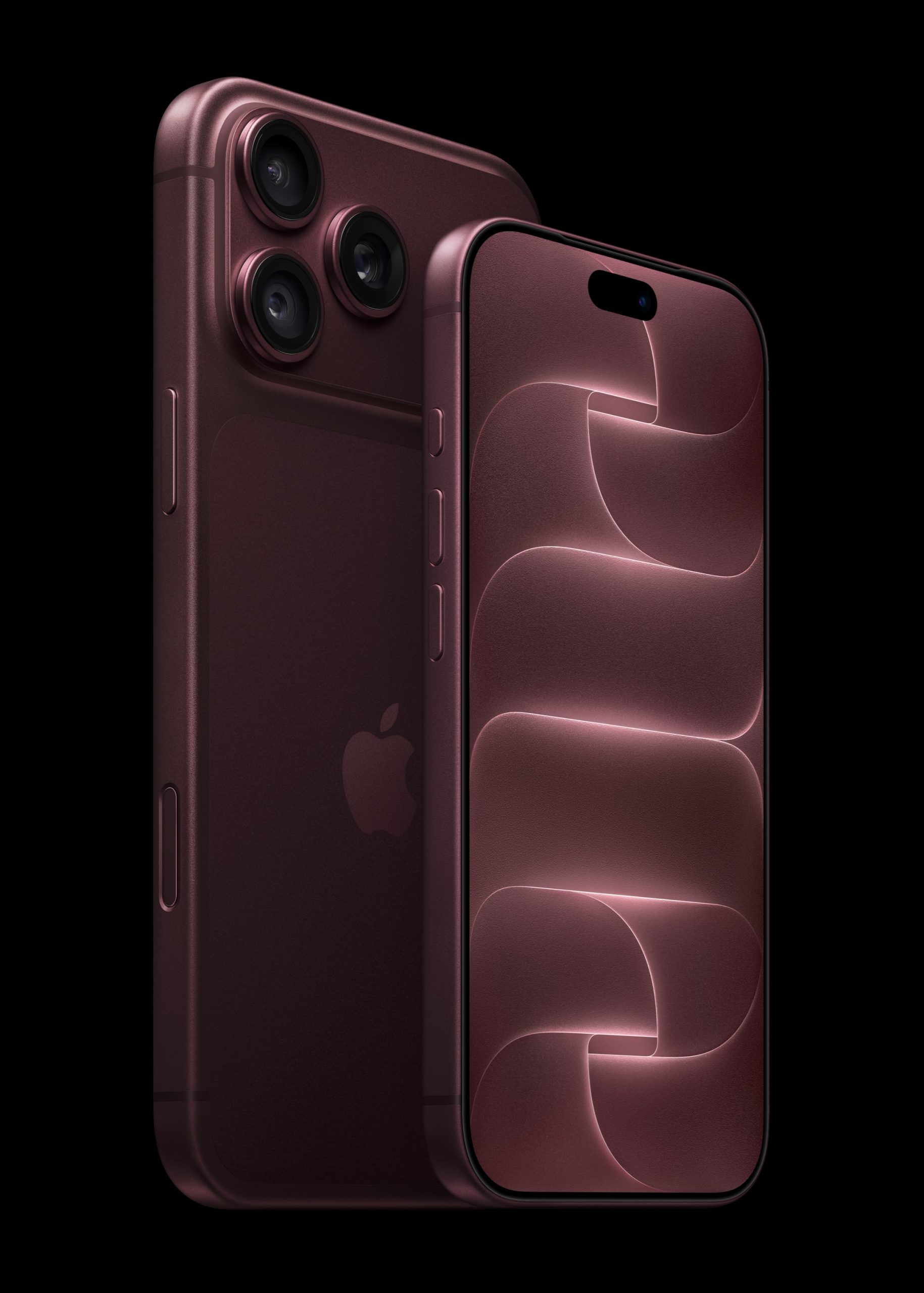
We’re about to find out. The iPhone 18 Pro and Pro Max, on sale since September 18, put a physical, moving iris inside the Main camera. Six laser-cut blades shift the lens between f/1.48, f/1.8, f/2.8, and f/4.
Add manual shutter speed, white balance, and a live histogram in the stock Camera app, and the iPhone now covers most of the exposure triangle on its own.
Of course – there’s no knobby ring around the lens. You set the aperture on screen. But the change happens in glass and metal. Real blades change the size of the opening that lets light reach the sensor. Portrait mode fakes blur with software. This is optics.
That’s exciting. It’s also smaller than “variable aperture” sounds to anyone raised on full-frame lenses. Let’s look at both sides.
What Apple Built
The hardware is focused and specific. Here’s the rundown.
- One camera gets the iris. Variable aperture lives on the 48MP, 24mm-equivalent Main camera. The 13mm-equivalent Ultra Wide stays fixed at f/2.2, and the 100mm-equivalent Telephoto stays at f/2.8.
- Four settings, stills and video. Choose f/1.48, f/1.8, f/2.8, or f/4, or let the Camera app pick for you.
- Pro Controls ties it together. Photo, Video, Cinematic, Slo-mo, and Time-Lapse modes all get aperture, shutter speed, white balance, and a histogram, inside Apple’s own computational pipeline.
- Smart Focus Tracking. Pick a subject and the phone holds focus, then reacquires it when the subject leaves the frame and comes back.
- Open to developers. Apple built an aperture API, and Blackmagic Camera already supports it.
The Catches
Manual ISO is missing. Apple told PetaPixel that a single ISO value fits awkwardly with a still pipeline that blends multiple frames. Photographers will adapt. Video shooters working in Apple Log, who want to sit at base ISO and protect their highlights, will feel it most.
The Verge found a subtler wrinkle. Set a manual shutter speed and the phone switches to a single-frame capture instead of its usual multi-frame composite. You trade some dynamic range for a cleaner, less processed file.
This means that “manual” on a computational camera changes how the image gets built, along with how you control it. That’s a fascinating trade, and one that needs some testing.
Why This Is Cool
Phone apertures have been around for a while. Samsung’s Galaxy S9 switched between f/1.5 and f/2.4 back in 2018. Xiaomi’s 14 Ultra offered a stepless, six-blade f/1.63 to f/4 iris on a 1-inch-type sensor. Apple’s contribution is scale. It will put the idea in a phone millions of people will carry and in a system that makes sense to them.
Here’s where it pays off.
- More light. f/1.48 gathers about half a stop more light than the iPhone 17 Pro’s fixed f/1.78 lens. That buys a faster shutter, lower noise, or a shorter handheld Night mode exposure. Reviewers describe the gain as visible and subtle.
- Close subjects. Food, products, documents, or a small group standing on different planes all benefit from f/4, which keeps more of the scene acceptably sharp. Stopping down also creates true diffraction stars around point lights.
- Video exposure. Going from f/1.48 to f/4 cuts nearly three stops of light. That helps you hold a natural-looking shutter speed, around 1/50 second at 24fps (the classic 180-degree shutter rule). You’ll still want an ND filter in bright sun, but you’ll swap filters less on exterior-to-interior moves. For creators shooting walk-throughs, behind-the-scenes, interviews, or social content, the full package matters more than the iris. Locked white balance prevents color shifts mid-shot. Manual shutter gives you deliberate motion. The histogram warns you before the windows clip. Tracking keeps your subject sharp as they move.
The Physics Check
Aperture controls exposure the same way on every format. Depth of field is a different story, because it depends on the physical focal length and sensor size too.
The iPhone reaches its 24mm-equivalent view with a small sensor and a very short lens. So even f/1.48 produces deep focus. Reviewers estimate it looks like about f/5 on full frame, and the full f/1.48 to f/4 range behaves like f/5 to f/14 for depth of field.
That means the phone won’t give you the look of a 24mm f/1.4 on a full-frame body. At normal portrait or street distances, the change in background blur stays modest. It becomes easy to see when the subject sits close and the background sits far away.
The optics carry trade-offs across the range too.
- PetaPixel found peak sharpness at f/2.8, cleaner results at f/1.8 than wide open, some corner softness at f/1.48, and a small diffraction penalty at f/4.
- Fstoppers found the four settings close enough that most viewers would struggle to name the aperture in a finished photo, and saw little daylight image-quality gain over the iPhone 17 Pro. The automatic mode will probably be the feature’s real success. Most people will never pick an f-stop. The phone can open to f/1.48 in low light, sit near f/1.8 for everyday shooting, and stop down for close text or subjects spread across different distances. The best consumer camera tech works when its user never has to think about it.
The Bigger Story
The aperture grabs the headlines. Pro Controls is the story.
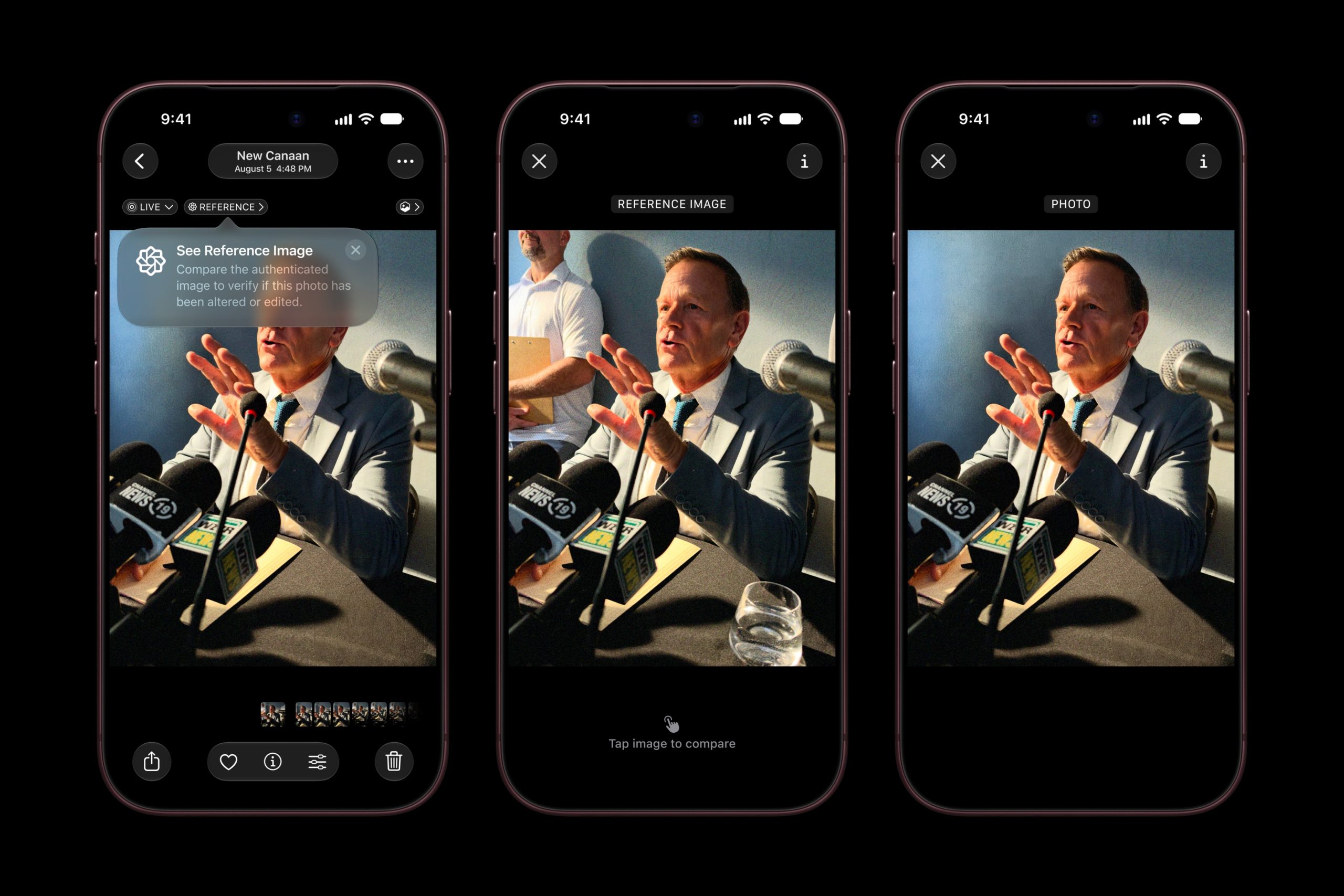
For years, Apple’s stock Camera app treated photographic decisions as friction. Serious shooters turned to third-party apps, and sometimes gave up parts of Apple’s computational imaging, stabilization, Cinematic mode, or Audio Mix to get there.
The iPhone 18 Pro brings aperture, shutter speed, white balance, focus tools, and a histogram into the native app people already trust.
Plenty of people will learn what an f-stop does from a phone screen, and we think that’s wonderful.
A mirrorless body still owns the big advantages: sensor area, lens selection, physical controls, a flash system, swappable batteries, and a predictable single-exposure workflow.
What the iPhone 18 Pro does is that you can now make intentional exposure and focus decisions while keeping the computational features that made the iPhone useful in the first place.
Should You Upgrade?
Your answer depends more on the phone in your pocket than on six tiny blades. The iPhone 18 Pro starts at $1,199 with 256GB, and the Pro Max starts at $1,299.
- iPhone 17 Pro or Pro Max: skip it for now. Daylight image quality is very similar, and the Ultra Wide, Telephoto, and front cameras carry over. Upgrade only if native manual controls, low-light 1x shooting, or video exposure control will improve paid work.
- iPhone 16 Pro or Pro Max: consider it. The aperture and native controls add real value. How much depends on whether your phone works as a serious production camera or a companion camera.
- iPhone 15 Pro, Pro Max, or older: strong upgrade for creators. Several generations of camera, processing, battery, thermal, and video-workflow improvements stack up. The new controls become part of a broader leap.
- Recent Android camera flagship: decide on ecosystem. Earlier Android flagships already offered variable aperture, some with finer control. Let video workflow, color, app support, and file handling drive the choice. Coming from an iPhone 14 Pro Max? The 18 Pro is an easy recommendation. The appeal lies in the cumulative jump, with more of the professional video chain in one compact device: Log, ProRes, manual shutter, locked white balance, histogram, tracking, and now aperture. At $1,199, variable aperture alone makes a very thin case for an upgrade. If your phone already serves as a B-camera, gimbal camera, location scout, social content rig, or always-in-pocket notebook, the full control package can justify the move.
The Verdict
The variable aperture lands right in the middle, a useful tool with some limits. Phone physics keeps it modest as a depth-of-field tool, and the same f-numbers mean far less blur than a full-frame shooter expects. As an exposure tool, especially for low light, close subjects, and video, it earns its place.
The iPhone 18 Pro might turn millions of phone owners into more deliberate photographers.
Sources
- Apple Newsroom: Apple debuts iPhone 18 Pro and iPhone 18 Pro Max
- Apple: iPhone 18 Pro and 18 Pro Max technical specifications
- Apple: iPhone 18 Pro product page, including Pro Controls
- MacRumors: iPhone 18 Pro gains manual aperture, shutter speed controls, and more
- PetaPixel: Apple iPhone 18 Pro camera review, small changes, big differences
- PetaPixel: Apple explains why the iPhone 18 Pro has a variable aperture
- The Verge: The iPhone 18 Pro’s big camera update is all about the small gains
- Fstoppers: I tested every aperture on the iPhone 18 Pro
- CineD: Blackmagic Camera for iOS 3.5 adds iPhone 18 Pro support and variable aperture control
- Samsung: Galaxy S9 Dual Aperture camera
- Xiaomi: Xiaomi 14 Ultra specifications




Elevate Your Vision


You may also like