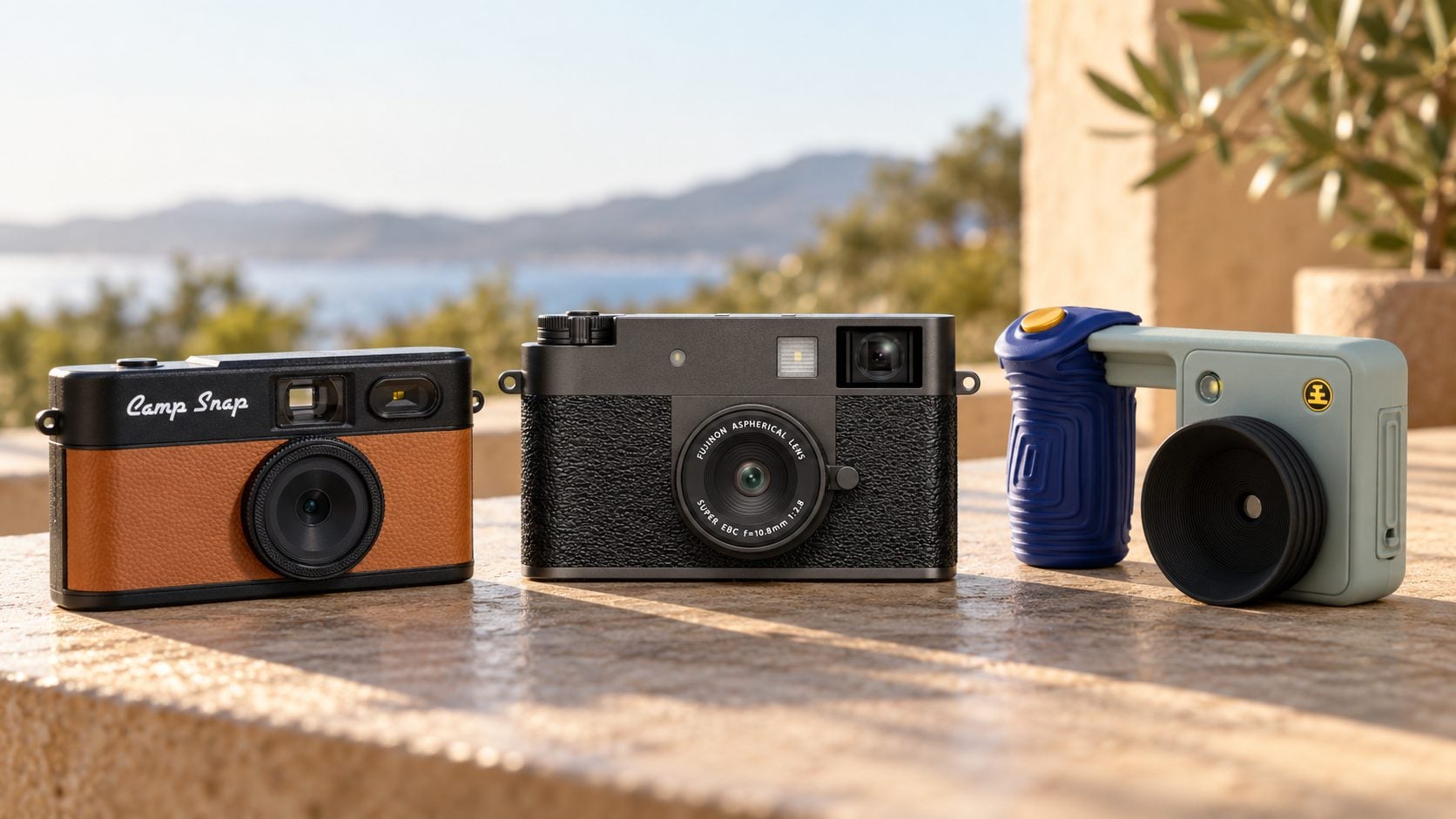





When did you last take a photo and not look at the back of the screen? Not a glance, no quick review to see if you got it. For most of us, that would be terrible. Or would it?
A small wave of cameras wants to bring that feeling back. Camp Snap built a cult following with a $70 screenless point-and-shoot. Fujifilm gave the idea a retro premium polish with the X half and its Film Camera Mode.
And in October, outdoor optics brand Nocs Provisions joined in with the Portal AFN7, a $179 rugged compact that doesn’t show you the photo you just took.
A disposable, not disposable camera. Digital files, film-style choices
What’s driving this madness, and should we pay attention?
The Appeal: Putting Your Phone Down
Your phone is a great camera. It’s also is huge distraction. Your inbox, your bank, your group chat. If you’re staring at your phone you’re missing the experience going on around you.
A dedicated camera does one job. Take a picture. Grab that moment and put it in your pocket for later.
Then there’s the missing screen. Photographers have a name for the shoot-check-shoot-check cycle: chimping. It makes sense for a wedding processional. At a birthday dinner, it takes you out of the room.
A screenless camera keeps us at the table – connected with everyone else.
There’s also the reveal. Anyone who’s shot film knows the excitement of thinking about your prints and seeing them a week later.
You come home full of surprises, a few misses, and usually one photo you love.
And they’re unassuming and “chill”. Point a full-frame body with a 70-200mm at strangers and the energy totally shifts – awkward!
These cameras are a toy-like box that looks harmless. People stay relaxed. Street and family shooters might get into this.

Three Disposable Not-Disposable Cameras
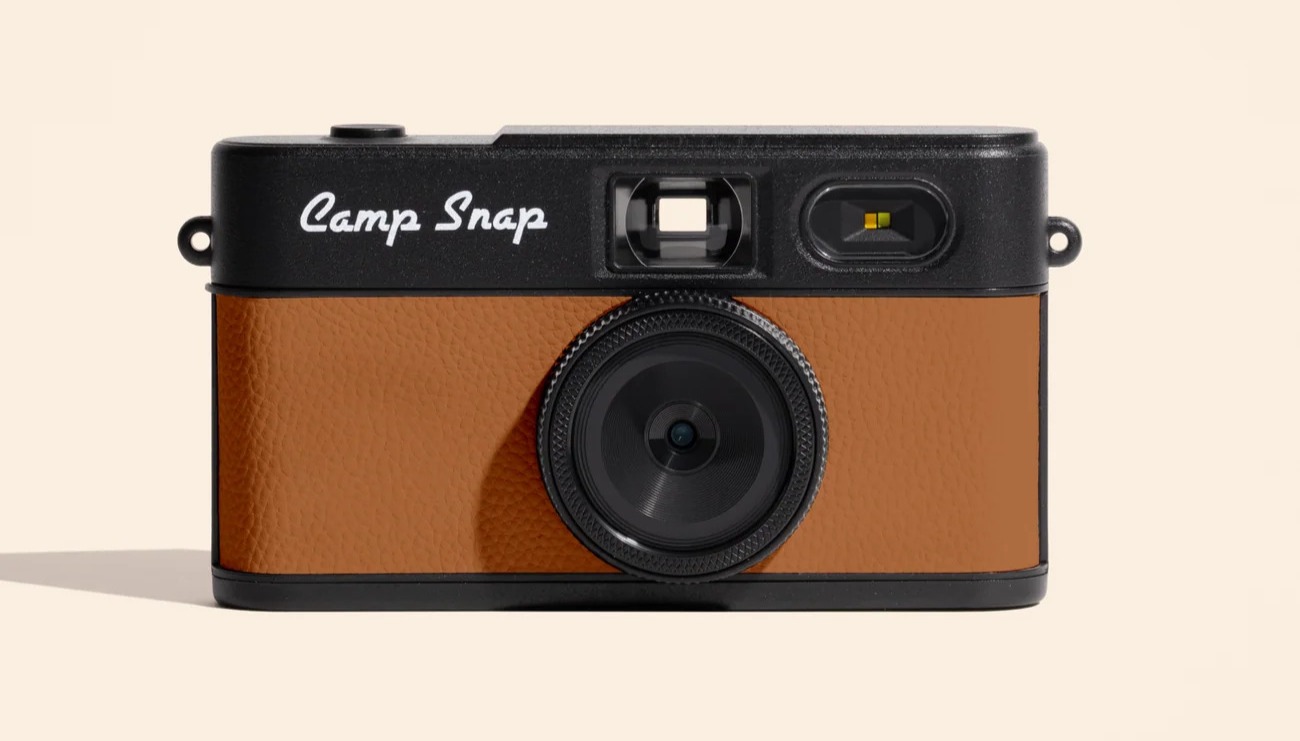
Camp Snap 2: The Gateway
- Around $70, with a 4GB microSD card included
- 8MP sensor, optical viewfinder, LED flash
- Six filters, selected with a button on the back
- Roughly 500 shots per charge over USB-C
- New in version 2: a 30.5mm filter thread and a tripod socket
Camp Snap is the closest thing to the yellow Kodak cardboard cameras from your sister’s wedding. A shot counter replaces the screen. Image quality sits below a modern phone, but people and the company embrace that.
This is a fun-time party camera, a first camera for a kid, a vacation pocket buddy. If you want more, the CS-Pro steps it up to 16MP and a xenon flash.
Fujifilm X half: Refined Recipes
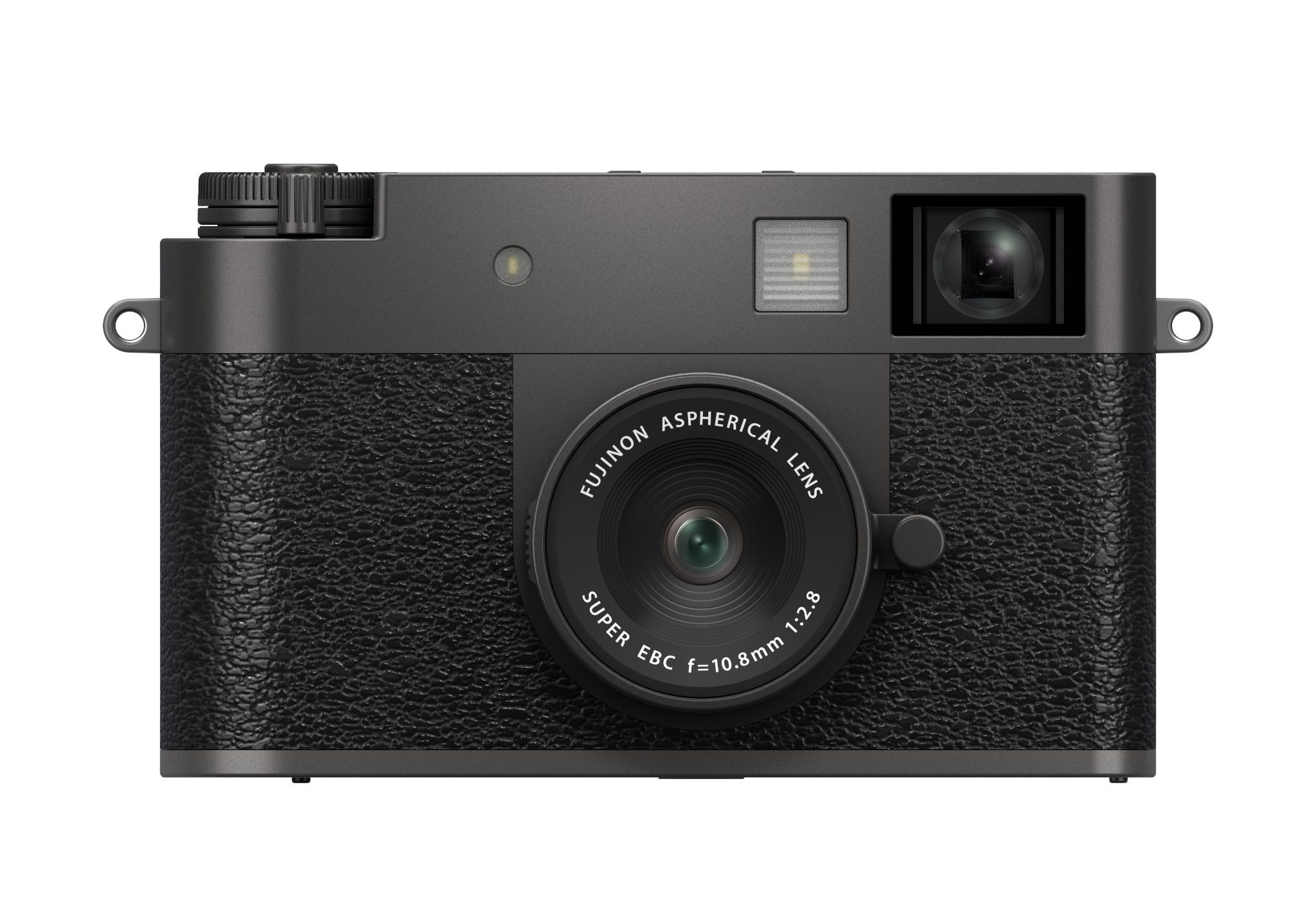
- Around $650 at US retailers
- 18MP 1-inch sensor, oriented vertically for 3:4 frames
- 32mm-equivalent f/2.8 lens
- Film Camera Mode: pick one Film Simulation and a 36, 54 or 72-frame “roll,” then see results only after you “develop” them in the app or on a computer
- A frame advance lever you crank between shots
The X half keeps a rear screen, so going screenless is a choice you make. bThat flexibility is the whole pitch. Its 1-inch sensor has roughly seven times the surface area of the Portal’s, and Fujifilm’s Film Simulations draw on decades of the company’s own film color science. Of course you pay for it.
Nocs Portal AFN7: The Outdoor Specialist
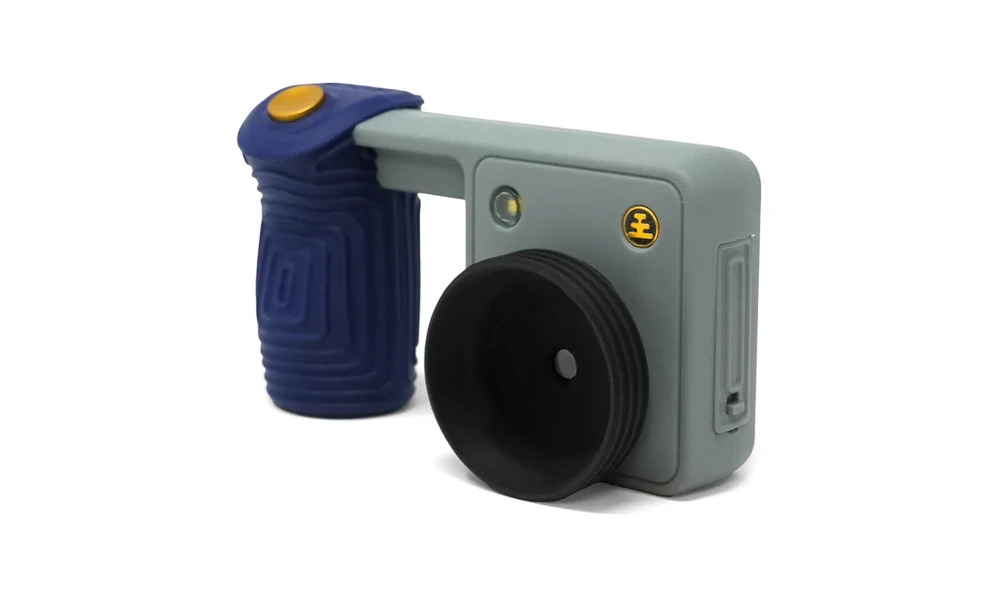
- $179
- 16MP Type 1/3.06 sensor
- Wide-angle f/2.2 fixed lens with fixed focus from about 1 meter to infinity
- Electronic viewfinder plus a small OLED settings display, with NO image playback
- Six film-inspired presets plus an unfiltered mode
- 4K video at 30fps
- Weather-resistant body, armored grip, 140g (4.9oz)
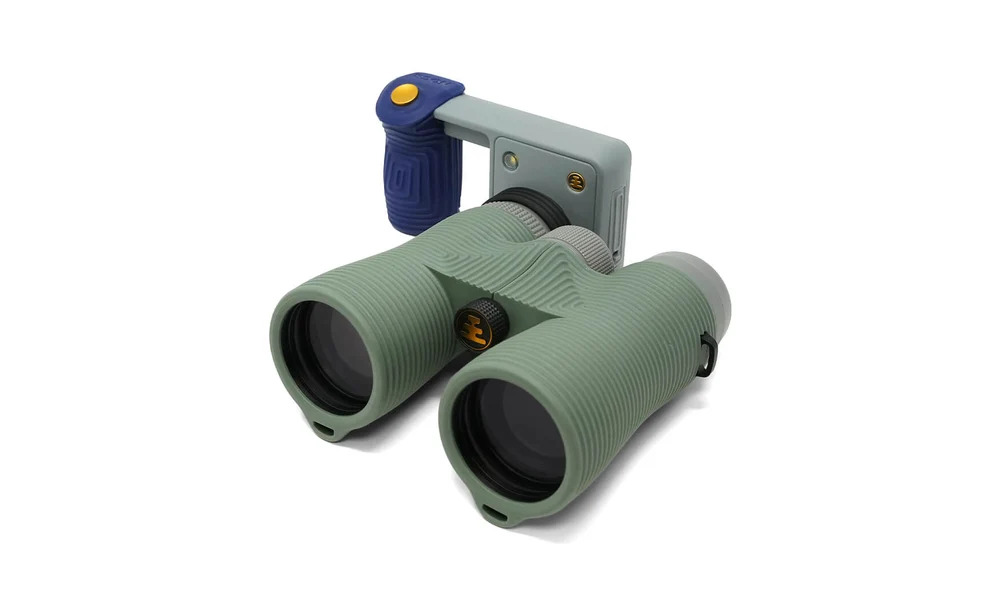
- Included NocDoc shroud for shooting through Nocs binoculars and monoculars
The Portal was made by Nocs, which makes binoculars for hikers and birders, and this camera carries over what they learned. It has physical controls that work with gloves. A body that does fine in a little rain.
And the NocDoc, which helps line the camera up behind a binocular eyepiece so you can photograph what you’re watching. That technique is called digiscoping, and birders have been doing it with phones and duct tape for years.
One clarification. “Screenless” is partly a slogan here. The electronic viewfinder is a tiny screen, and it previews your chosen preset and composition guides. What the Portal removes is the review. You see the scene, but you don’t see the result until you’re home.
What’s the trade off?
The Portal’s Type 1/3.06 sensor is small, smaller than the main sensor in most current flagship phones. Smaller sensors gather less light, which means more noise at dusk and more blown highlights. These images should shine on phone screens and in 4×6 prints. BUT – big prints belong to bigger sensors.
The fixed focus brings its own tradeoff. It’s going to be hard getting those flower close-ups. Anything closer than about three feet goes soft.
The binocular trick deserves testing before we get too excited. Seems like it would be difficult to get something usable.
Digiscoping takes practice: alignment, vignetting at the edges, and overcoming shake that multiplies with magnification. A distant static ridgeline is one thing. A warbler jumping and hopping about between branches is another. And the 8x zoom is digital, which is essentially cropping.
So Who Is Each One For?
- Camp Snap 2: parties, kids, travel, and anyone who wants the experience but no fuss
- Fujifilm X half: photographers who want the ritual, better files, and a screen in reserve
- Nocs Portal: hikers, birders, and current Nocs owners who want a tough pocket camera that works and adapts to their optics
These cameras sell a feeling, and give an opportunity to take a lot of fun candid photos and maybe some birds.
Join the discussion in the forum.
Sources
- PetaPixel: The Portal Is a Screenless, IP58 Camera with Kodak-Inspired Film Simulations
- TechRadar: The Screen-Free Portal AFN7 Attaches Directly to Binoculars
- Digital Camera World: A Binocular Brand Just Built a Screen-Free Compact Camera
- Camp Snap 2 (manufacturer page)
- Notebookcheck: Camp Snap 2 Retro-Styled Compact Camera Launches for $69
- Digital Camera World: Camp Snap 2 Arctic Frost Edition
- Camera Jabber: Fujifilm Launches X half

Elevate Your Vision


You may also like