



Luke Oppenheimer went to Kyrgyzstan for one month. He stayed four years.
We don’t get many chances to sit down with a photographer mid-career and ask how four years in the mountains changes a person. Oppenheimer gave us that chance. He’s a private guy, deep in the work, and not chasing interviews. So when his publisher agreed to pass along our questions, Luke took the time to answer them in full and we are excited to share with you his thoughts and work. Thanks for sharing with LuLa the story behind Ottuk.
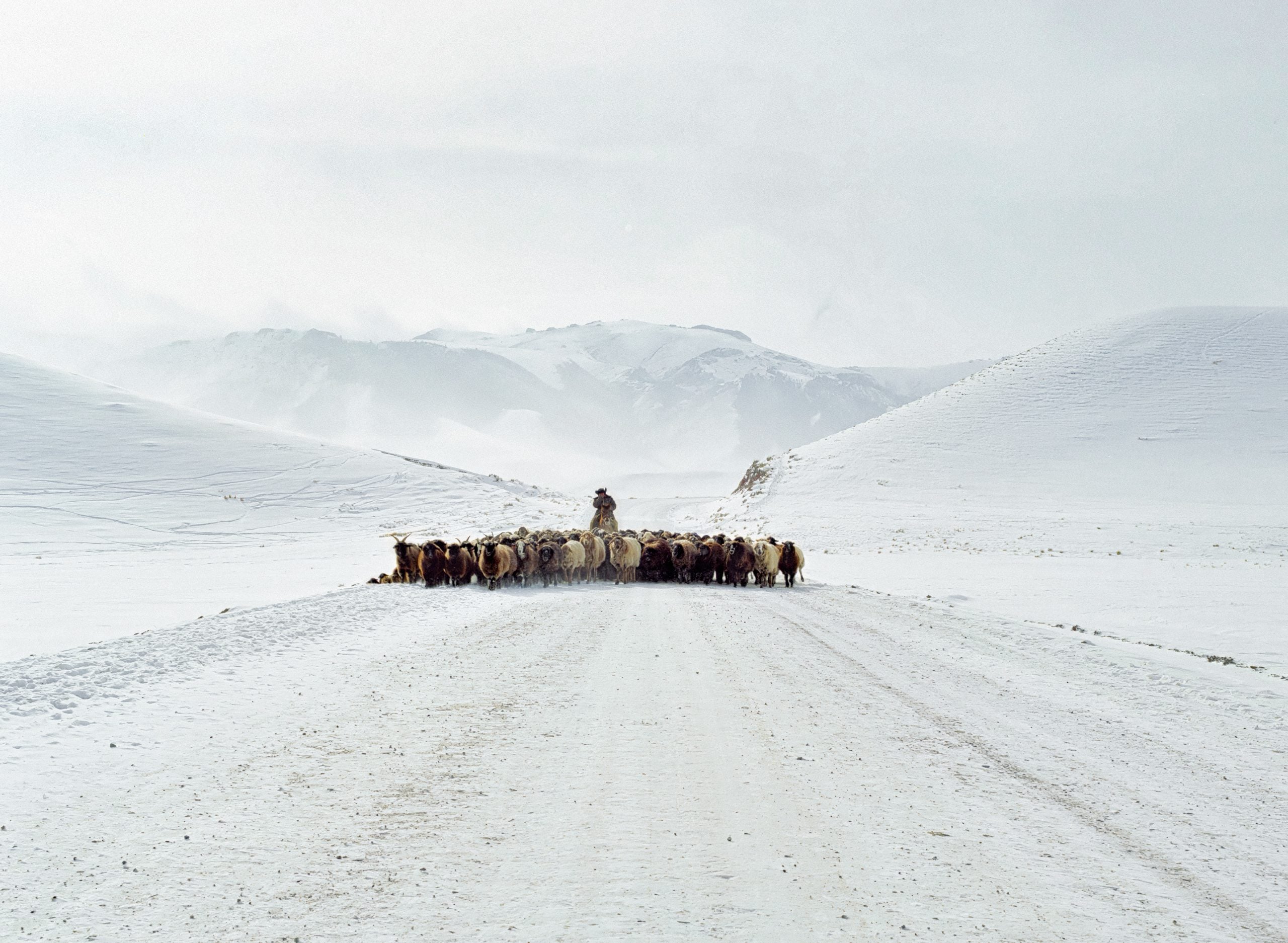
The assignment started small for Luke. Document the wolves preying on livestock in Ottuk, a shepherd village tucked into the Tien Shan mountains. Every year, wolves kill dozens of horses and countless sheep there, forcing the village’s men into the surrounding mountain peaks during the harshest months to hunt and protect what’s left of their herds.
That story was supposed to be the whole trip. Instead, it opened the door into something Oppenheimer never expected to find.
How Ottuk Found Him
Oppenheimer grew up in rural Oklahoma. Horses, farm work, hunting, the kind of life that teaches you patience.
Central Asia pulled and called at him early. His mother’s family traces back to Russia, and in that lineage, Central Asia and Siberia have always carried the weight of the frontier, the place at the edge of the map where the real stories of adventure live.
He made his first trip to Kyrgyzstan in 2018 to photograph a nomadic family. That experience stuck with him.
In 2020, a Kyrgyz friend named Ruslan reached out looking for work. Oppenheimer hired him to help with research. Together, they found Ottuk and its ongoing war with the wolf population. Two weeks after first contact with the villagers, Oppenheimer was on his way into the mountains.
He knew the story of the people ran deeper than a magazine assignment that very first trip. He was drawn to the lifestyle and the people.
“The real glue that attached me to these individuals was pure chance of personalities aligning,” he told us. “I would say that this last part is sheer luck. We simply got along very well.”
By the time he left, he knew he’d be back. The wolves were the introduction and the real story was just beginning.
It Only Takes One Frost
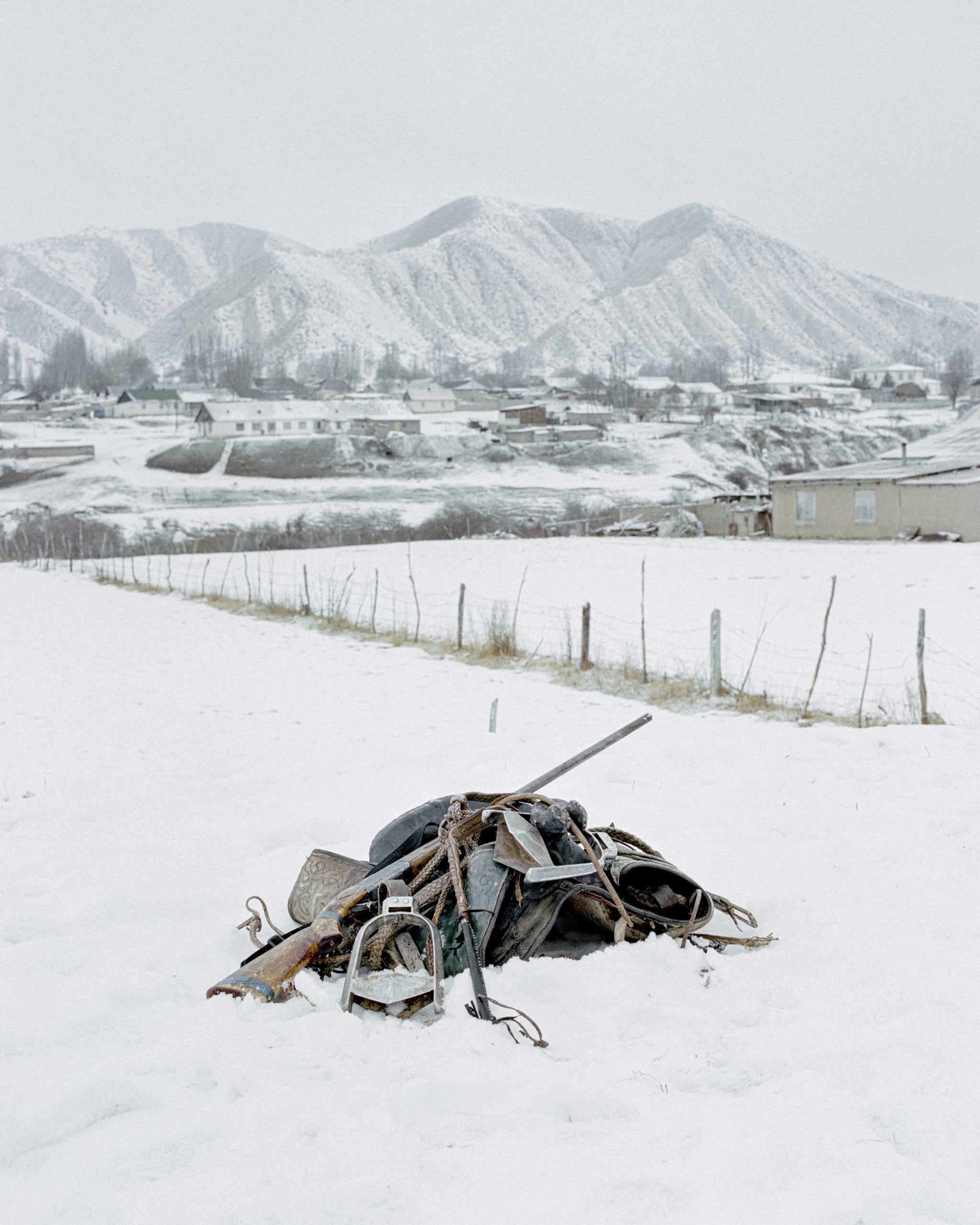
A Kyrgyz saying anchors the entire project: it only takes one frost.
One bad night, and a family loses everything they’ve built. In a subsistence economy – that’s their whole foundation gone. No insurance. No safety net. No crop to fall back on when the animals die.
The moment it became real for him happened on horseback, riding a mountain trail behind his close friend Nadir.
Nadir’s horse hit a patch of ice. Its legs splayed out and it started sliding toward a drop of nearly five hundred meters. One of Nadir’s boots came free of the stirrup. The other caught, and his horse’s full weight began dragging him toward the edge.
“With only a few inches left to go before his horse went over, he freed his other foot, hopped to a patch of snow, and pulled his horse along the ice back to dryer ground,” Oppenheimer told us. “It all happened very quickly, but it felt like it lasted an hour.”
That’s the fragility the saying warns you about. A frost. An illness. A few inches of ice on a mountain pathway – any one of them can end a family’s fortune in seconds.
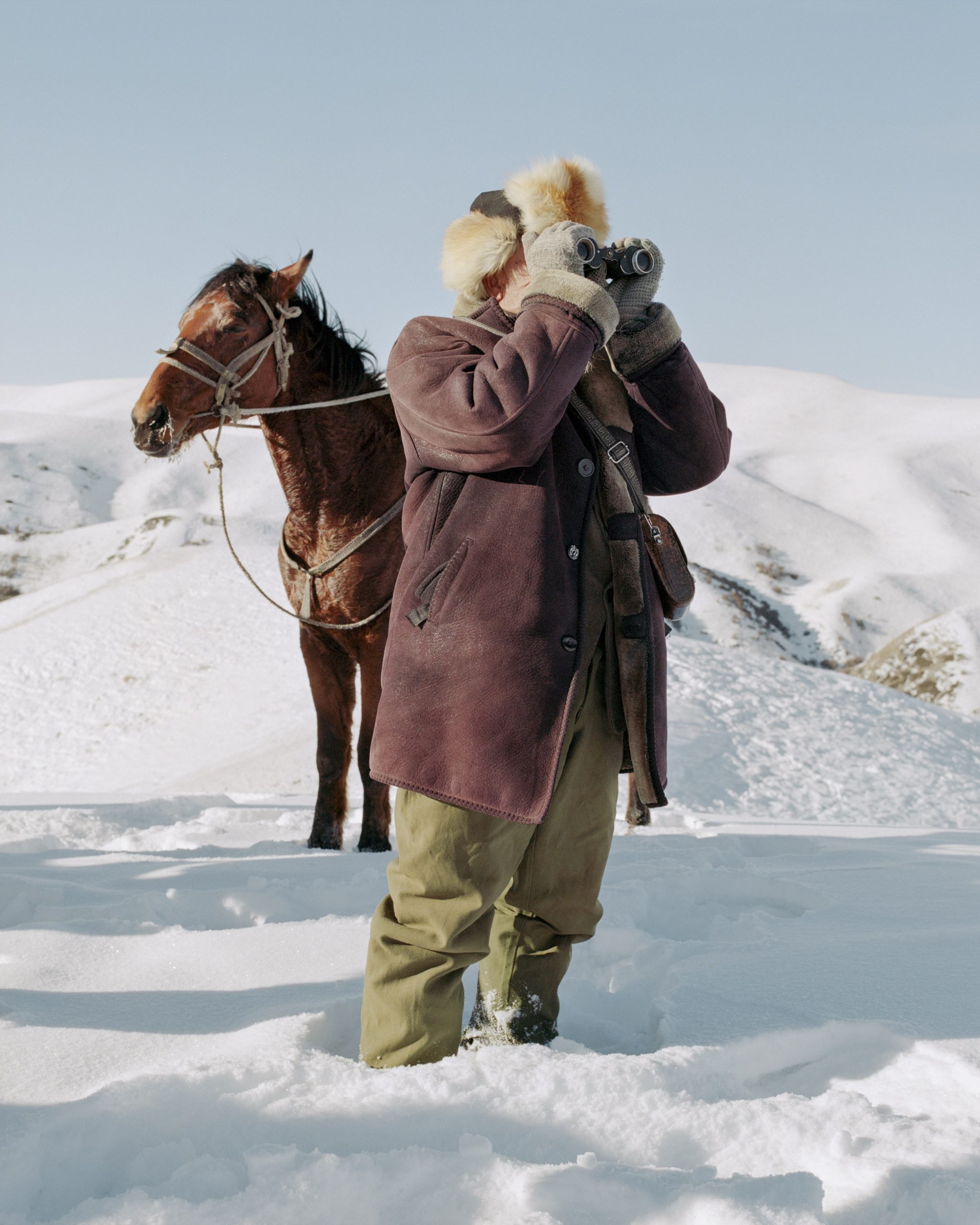
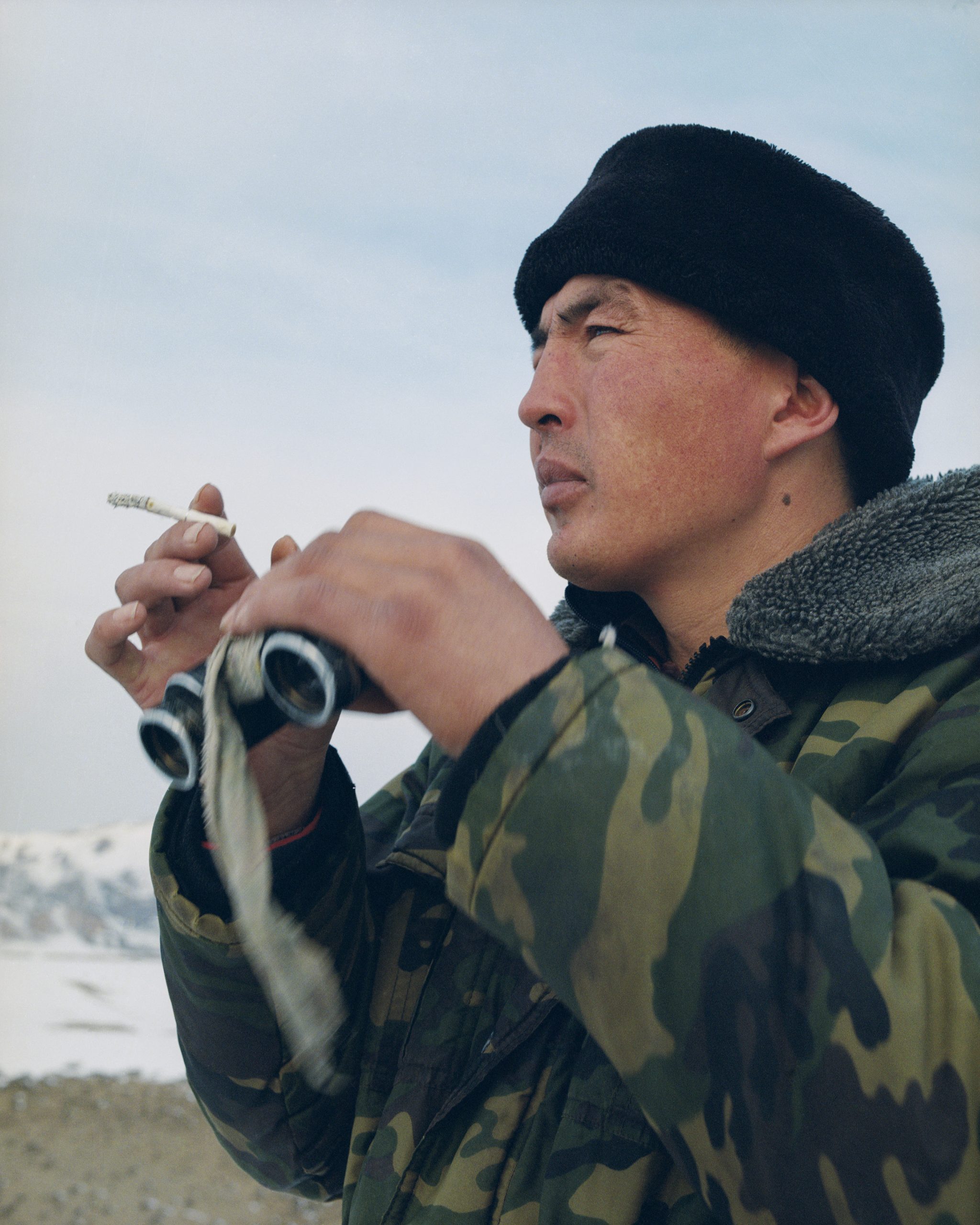
From ‘Ottuk’ by Luke Oppenheimer published by AIR.
Building Trust Before Raising the Camera
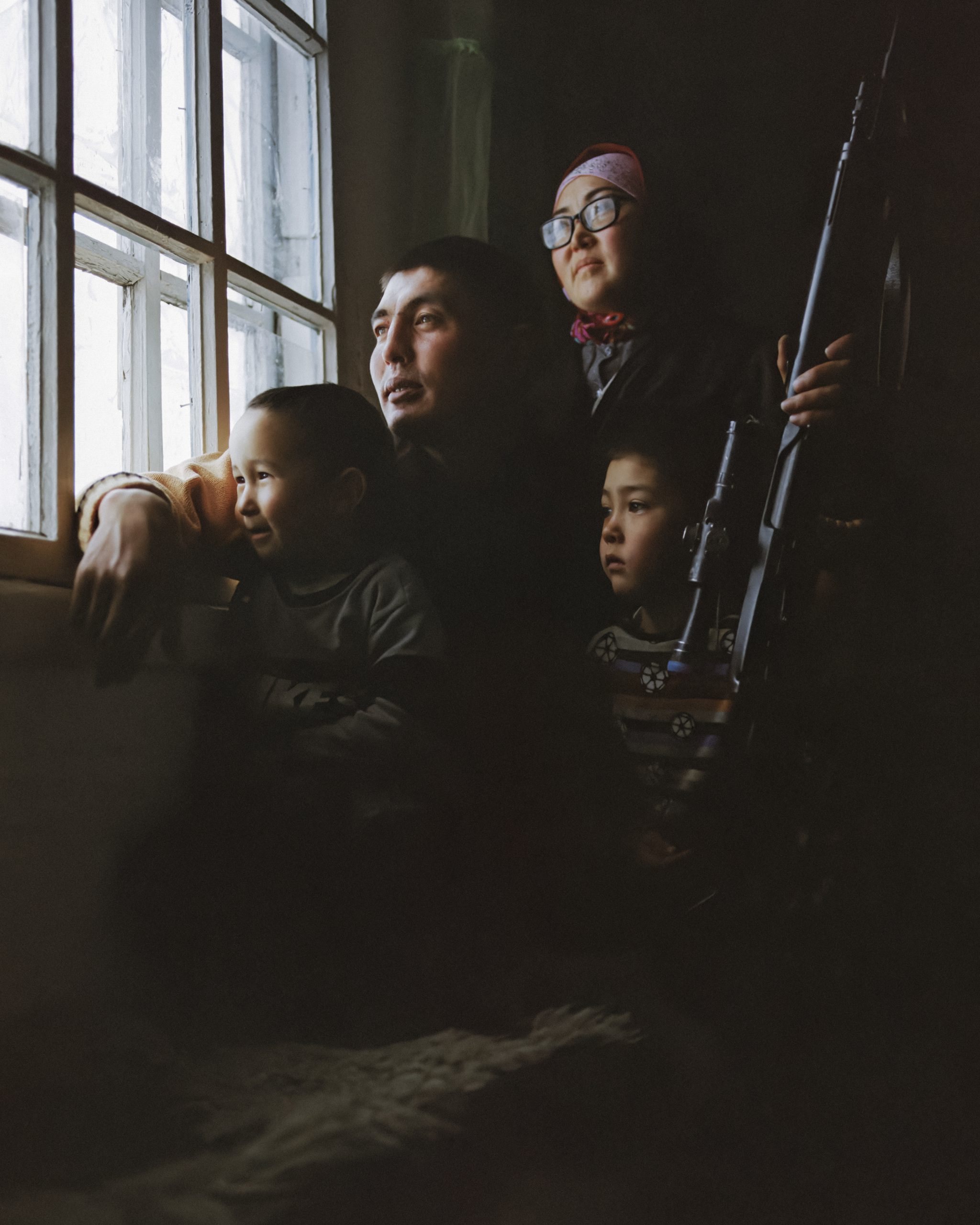
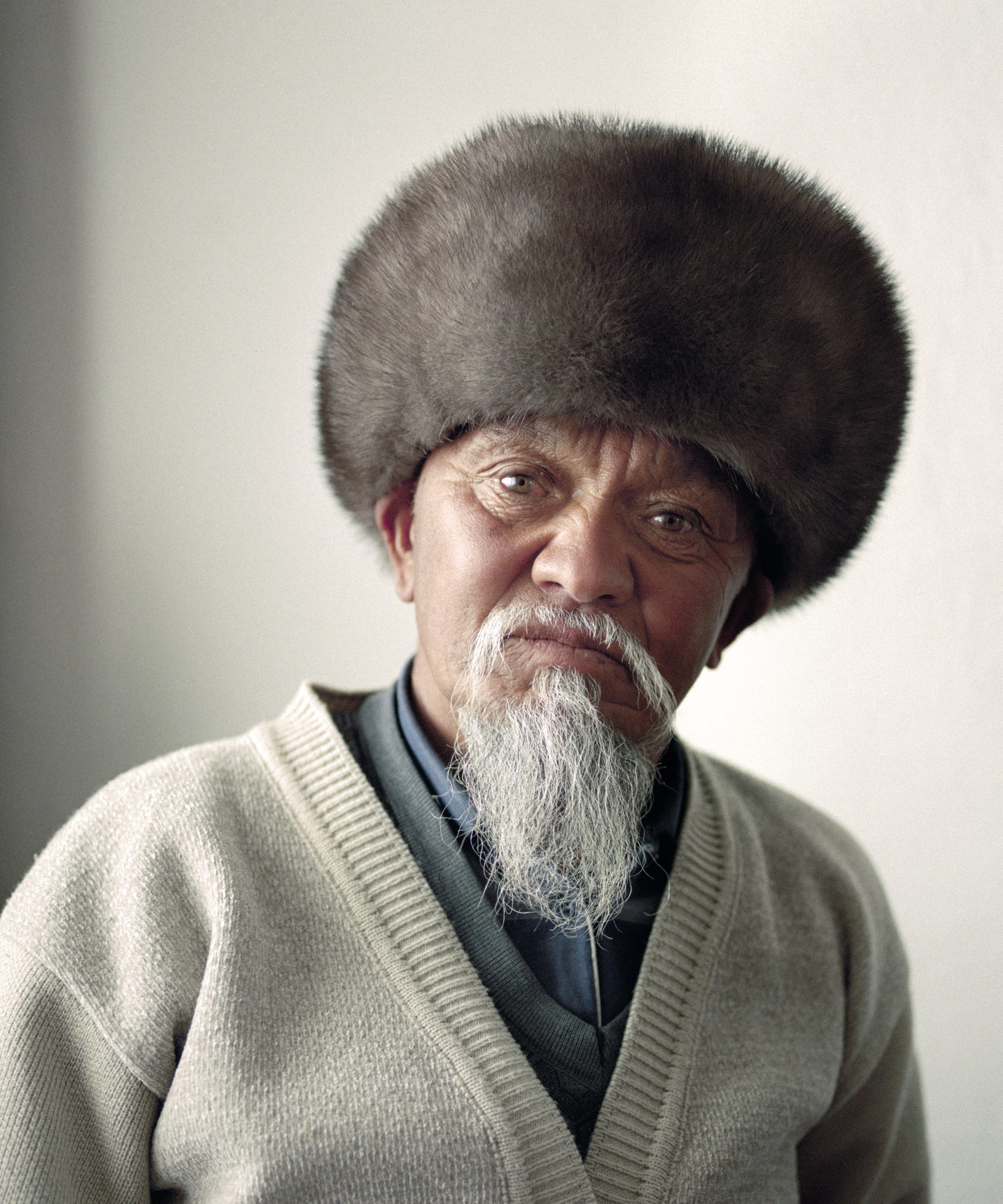
The portraits in Ottuk carry a rare kind of intimacy. Oppenheimer earned the people’s trust by slowing down.
He talked before he photographed. He shared his own beliefs, his own life, what he wanted out of it. Meals stretched into long conversations about love, death, God, and history.
Oppenheimer didn’t raise a camera for the first week or two.
His first subject to photograph was a man named Naruzbai. By then, Oppenheimer wasn’t photographing a stranger. He was photographing a friend.
His lighting philosophy follows a similar principle. Every portrait in the book uses natural light, no exceptions.
“I wanted to accurately portray the lighting that exists in the village,” he told us. “I felt as though a flash or fill light would have been like introducing a non-native element into the frame.”
For subjects who’d never engaged with a camera before, Oppenheimer flipped the dynamic entirely. He let them photograph him first.
“This shows them how the camera works, so they understand the process and what I’m doing,” he told us. “More importantly, it puts them on equal footing with you. You both have agency and get to play both roles.”
Real acceptance comes in stages. At the end of that first trip, he could feel the village had warmed to him. They asked him to come back. Years later, Nadir offered him his deceased brother’s house, along with horses and help building a herd of his own.
“Sometimes when I’m sitting on a crowded subway car here in NY, I strongly consider taking him up on his offer,” Oppenheimer told us.
Portraits of the Landscape, Not Backdrops
Oppenheimer shot the Tien Shan mountains the same way he photographs people. The scenery itself is a natural character.
“In my opinion, the landscape and the weather are the main characters and have supreme agency over everything and everyone else,” he told us. “I tried to not just take beautiful landscapes but rather portraits of the landscape, so that they can be read as characters in their own right.”
He talks about the mountains the way you’d describe an unpredictable relative you love anyway. Omnipresent. Omnipotent. Violent one day, calm the next, always mercurial, always involved in daily life whether the village asked for it or not.
That philosophy carried straight over into his gear choices. He shot the landscapes with the sam 110mm lens he used for portraits. No wide angle, ever.
“I feel as though a wide angle lens can often reduce a landscape to a beautiful photo or a simple context,” he told us.
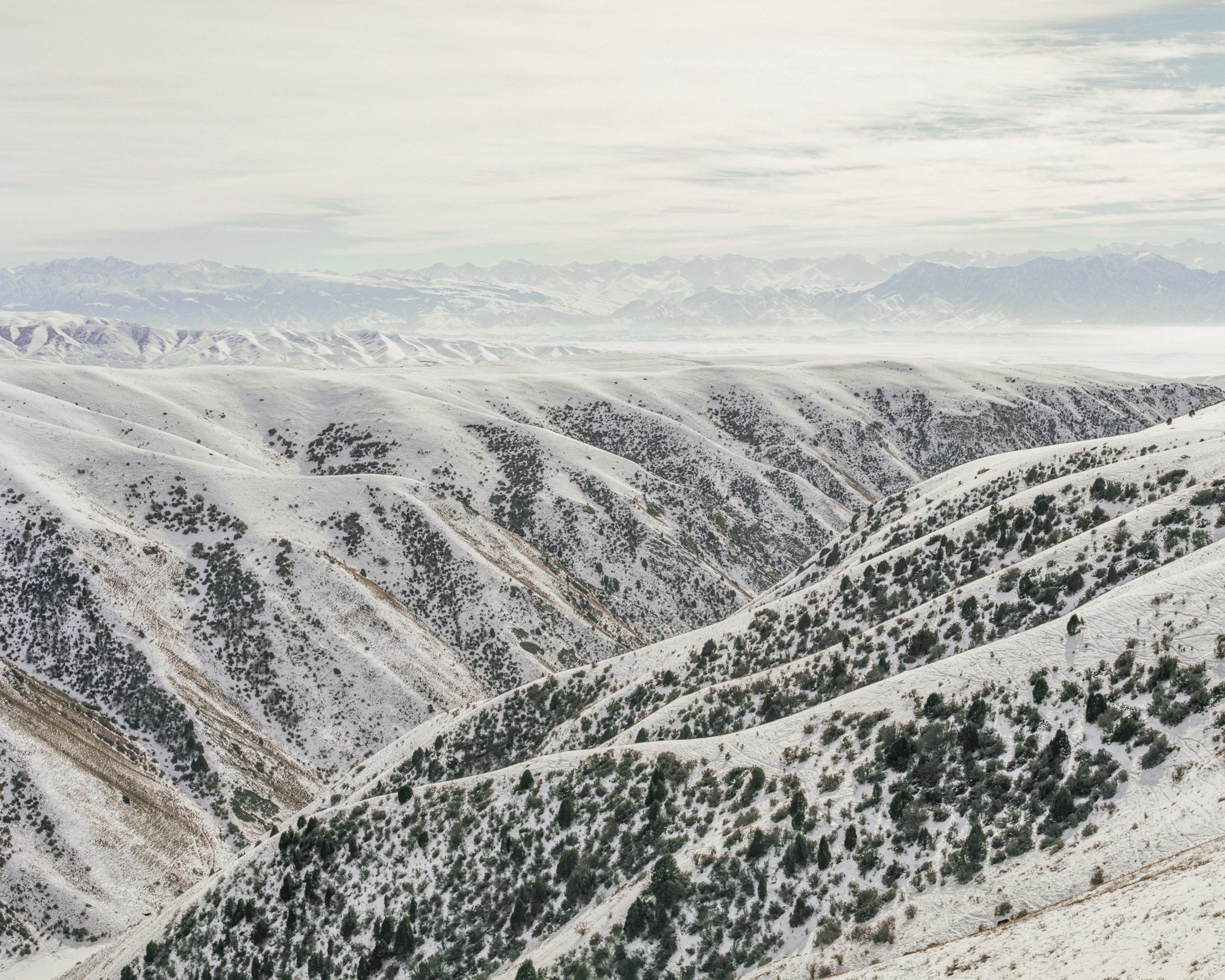
From ‘Ottuk’ by Luke Oppenheimer published by AIR.
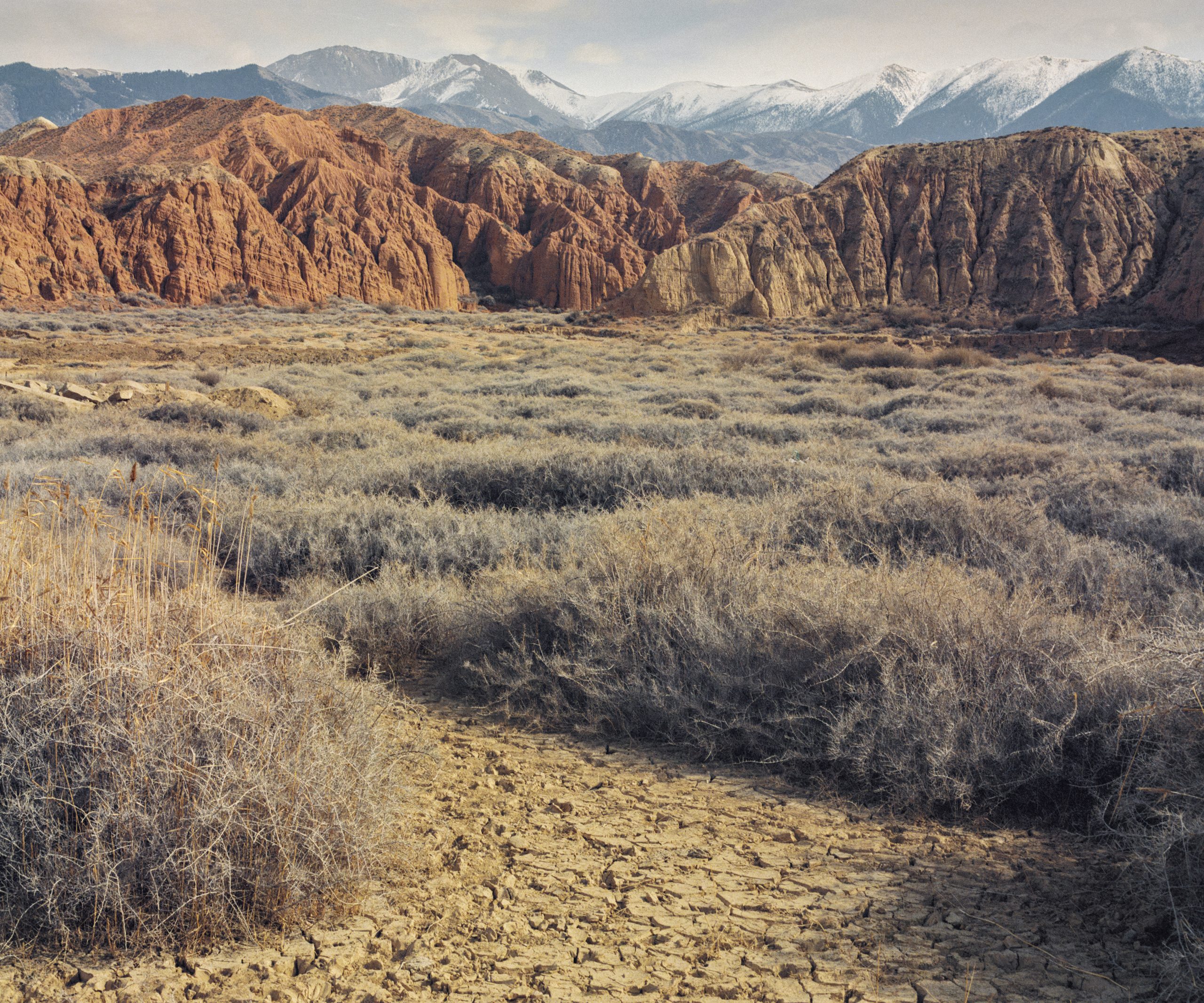
From ‘Ottuk’ by Luke Oppenheimer published by AIR.
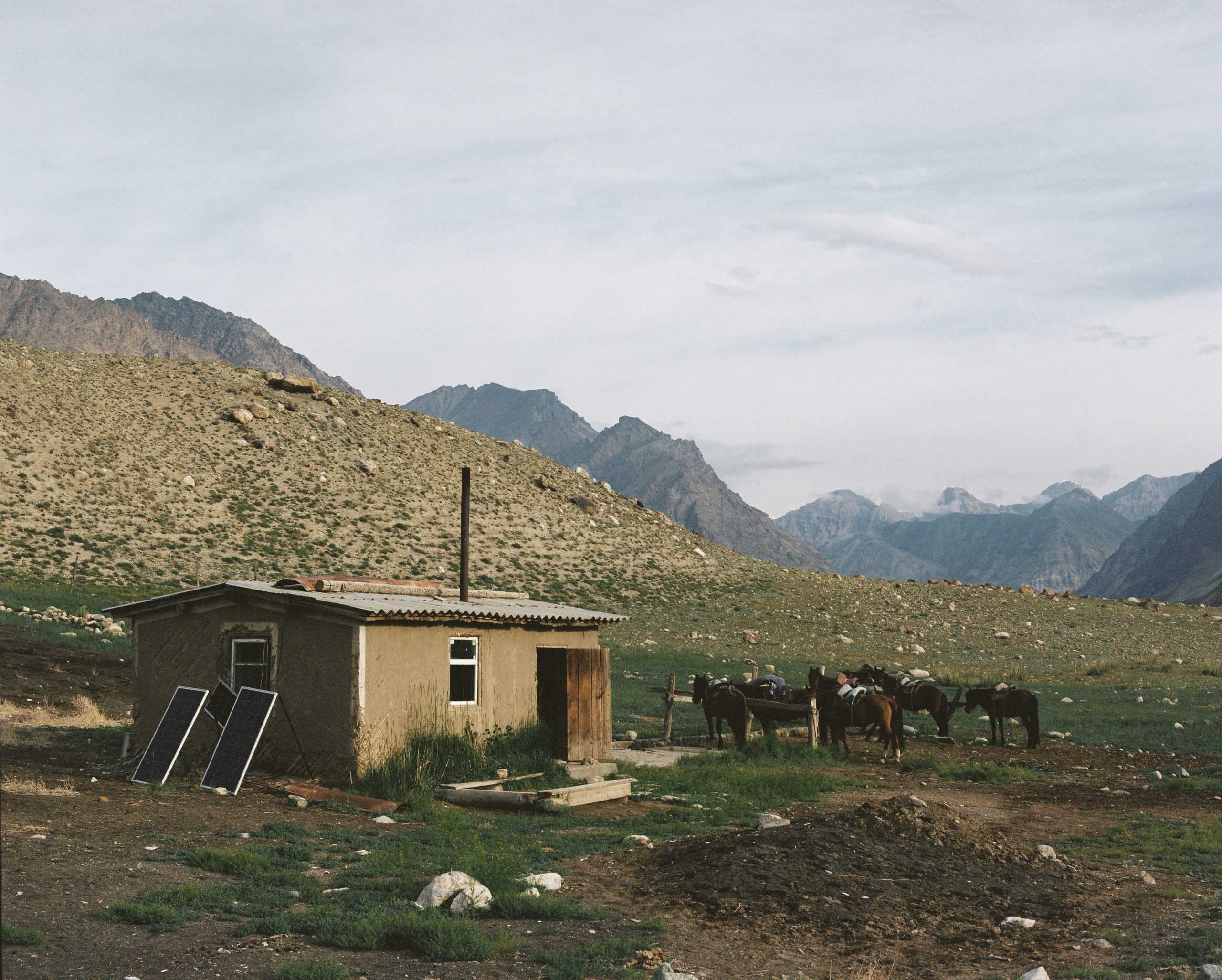
From ‘Ottuk’ by Luke Oppenheimer published by AIR.
Gear That Survived Four Winters
Oppenheimer shot the entire project on a Mamiya RZ67, mostly with a 110mm lens. He carried a 50mm and a 90mm as backup, though the 110mm did the heavy lifting for both portraits and landscapes alike.
The one addition over four years: circular polarizing filters. For the kind of big Kyrgyz skies that dominate this book, he calls them a necessity.
“A good CP filter will greatly preserve detail in the sky and also help keep texture in bright snowy landscapes,” he told us.
His field advice for extreme cold goes past camera settings and straight into survival:
- Learn basic wilderness first aid, including how to stitch a cut and apply a tourniquet
- Know what to do for hypothermia before you’re the one who needs it
- Read weather patterns for the specific environment you’re working in, not just the general forecast
- Keep batteries close to your body when temperatures drop
- On days below negative 30 Celsius, Oppenheimer kept spare batteries between his underwear and his long johns
And bring more instant coffee than you think you’ll need.
“When it’s five in the morning and negative 40 degrees outside and I have to get on a horse and ride for several hours, I need all the caffeine in the world to motivate me,” he told us.
What He Wants You to Take From This
Oppenheimer’s advice for photographers chasing long-term work in unfamiliar cultures starts with preparation.
Research the culture you’re entering. Know your own culture just as well, because people will ask, and you need to speak about you and your own history and culture. That exchange, offering something about yourself and what they’re sharing with you, is how friendships are built.
“Kyrgyz culture changed me deeply, in ways that cured a lot of pain I was carrying in my heart at the time,” he told us.
He hopes readers finish Ottuk carrying a specific kind of respect. Respect for the people of the village. Respect for the wolves they hunt. Respect for the landscape that governs every decision they make, whether they realize it or not.
“In urban contexts, it’s easy to forget that the natural force of the world and its shifting climate patterns dictate our existence more than any politician or any career move,” he told us. “We’re just these little things clinging to the side of a mud ball being hurled through space. Life is always precarious. That’s why it’s important to be respectful towards the natural world and to place love at the center of our lives. Love is the only thing we get to hold onto if a frost comes and takes everything else away.”
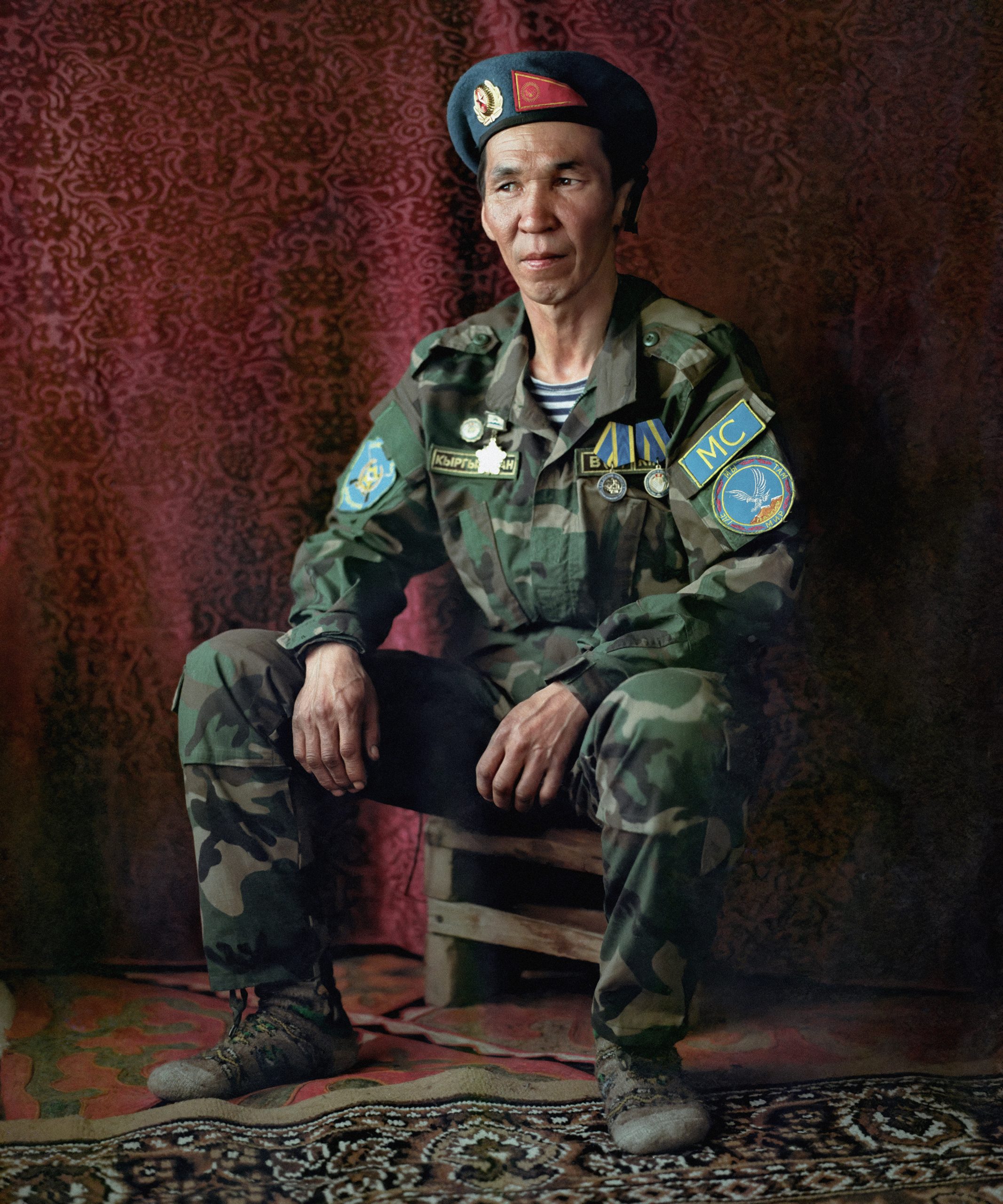
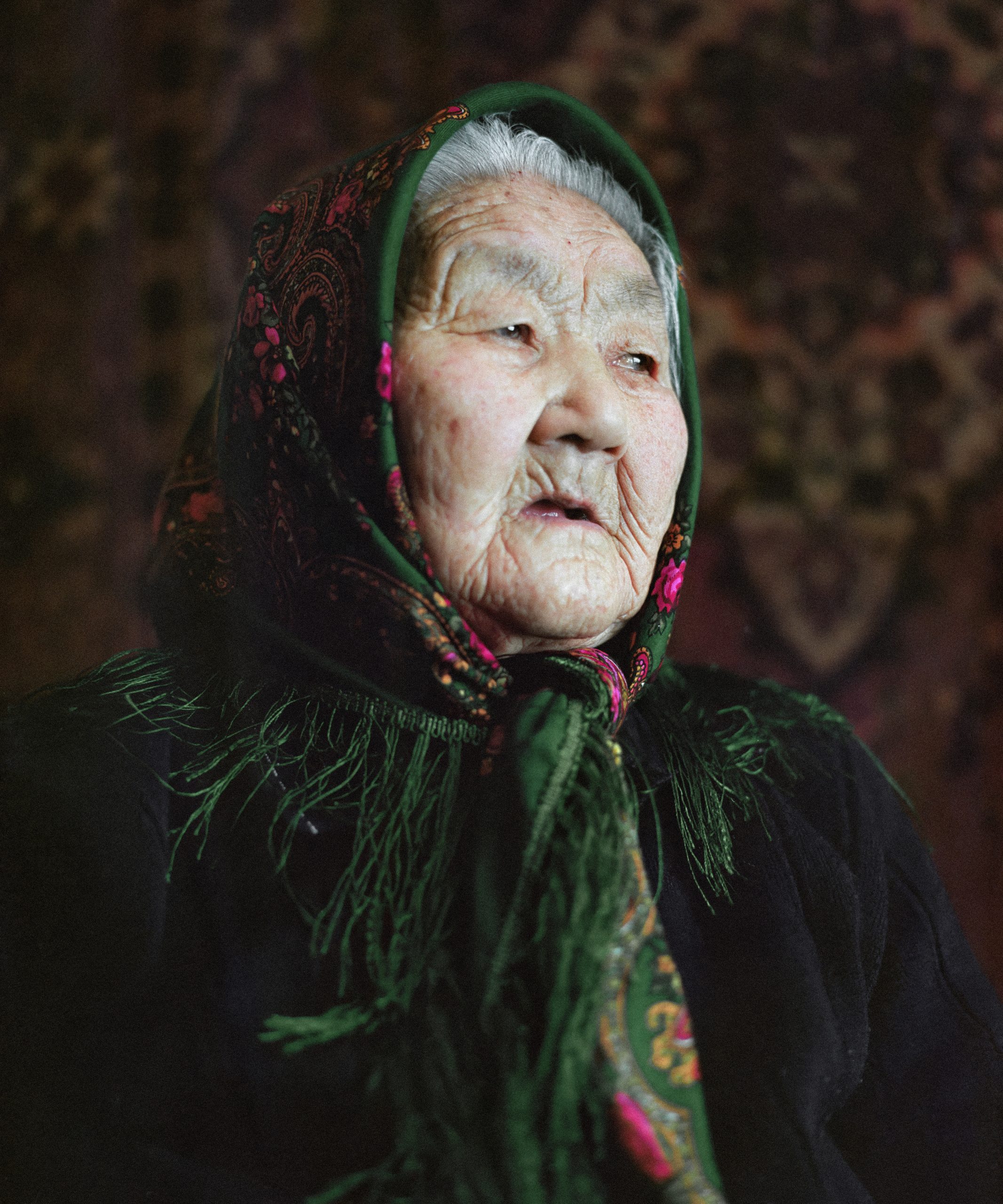
Ottuk needed longer than a month, and Oppenheimer knew to let the story become what it needed to become.
Show up ready to stay longer than you planned, and stay open to a place becoming a part of you.
We’re grateful Luke gave us the time – thank you for inspiring us. Go chase it – it only takes one frost.
About the Book
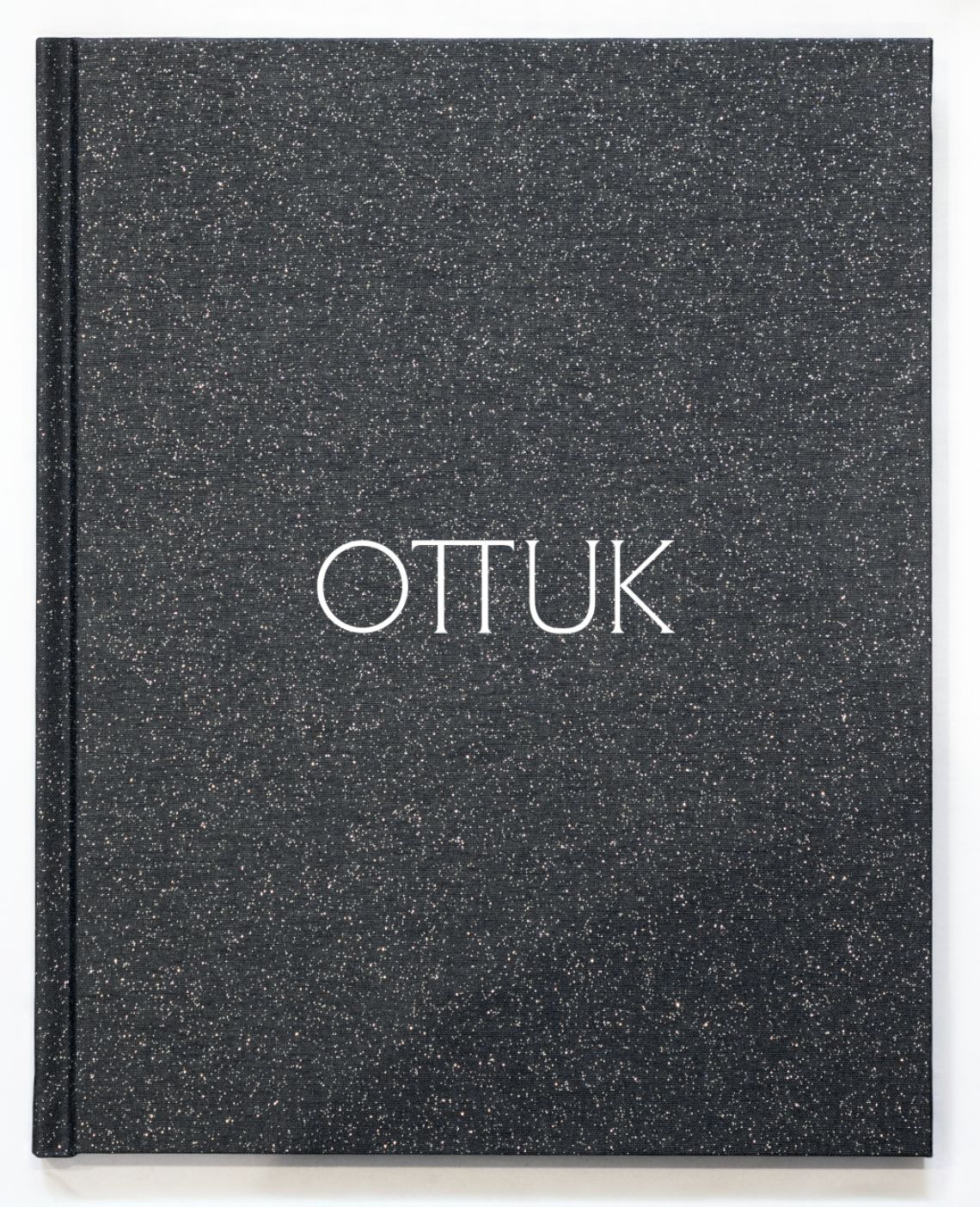
Ottuk
Photographs and text by Luke Oppenheimer
Published by Aliens in Residence
- 45 color photographs
- Hardcover, section sewn
- 9.2″ x 11.5″ (23.3 cm x 29.2 cm)
- 90 pages
- $65.00 | €55.00 | £50
- ISBN: 979-8-9857628-22
Oppenheimer is a writer and documentary photographer from rural Oklahoma with a background in agroforestry and sustainable farming. He earned a degree in Latin American History from the University of Missouri-Kansas City, then spent several years working across South America before producing his first project along the Brazil-Paraguay border. After studying at the International Center of Photography in New York, he built long-term collaborations with Modern Huntsman magazine and contributed to the Amazon Aid Foundation and Eurasianet.
Order Ottuk from Aliens in Residence →
Elevate Your Vision


Read this story and all the best stories on The Luminous Landscape
The author has made this story available to Luminous Landscape members only. Upgrade to get instant access to this story and other benefits available only to members.
Why choose us?
Luminous-Landscape is a membership site. Our website contains over 5300 articles on almost every topic, camera, lens and printer you can imagine. Our membership model is simple, just $2 a month ($24.00 USD a year). This $24 gains you access to a wealth of information including all our past and future video tutorials on such topics as Lightroom, Capture One, Printing, file management and dozens of interviews and travel videos.
- New Articles every few days
- All original content found nowhere else on the web
- No Pop Up Google Sense ads – Our advertisers are photo related
- Download/stream video to any device
- NEW videos monthly
- Top well-known photographer contributors
- Posts from industry leaders
- Speciality Photography Workshops
- Mobile device scalable
- Exclusive video interviews
- Special vendor offers for members
- Hands On Product reviews
- FREE – User Forum. One of the most read user forums on the internet
- Access to our community Buy and Sell pages; for members only.
You may also like