


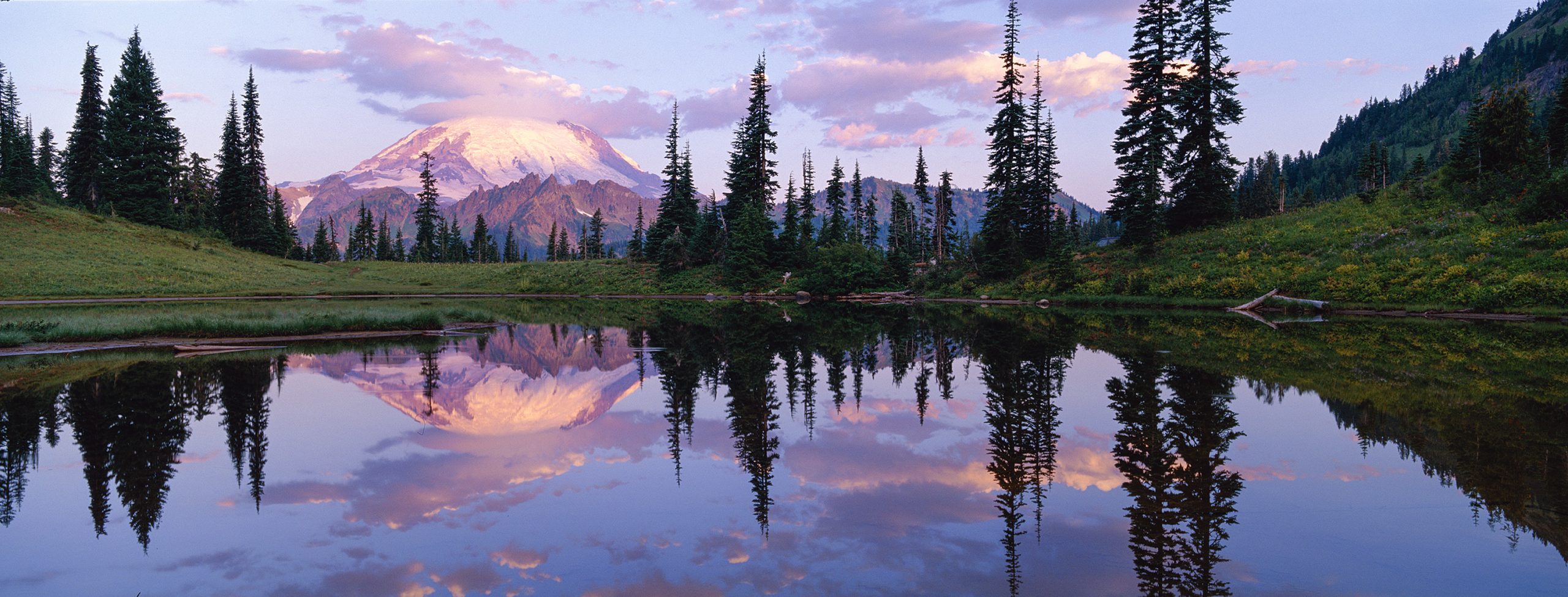


Thirty years ago I picked up a rotating-lens panoramic camera and a box of transparency film, and I never really put either one down. It’s been a working relationship that’s outlasted lab closures, and most of my own equipment upgrades along the way. The Noblex 135U and the Hasselblad XPan II are still the cameras I reach for first. Fujichrome Velvia 50 is still what’s loaded when I do it.
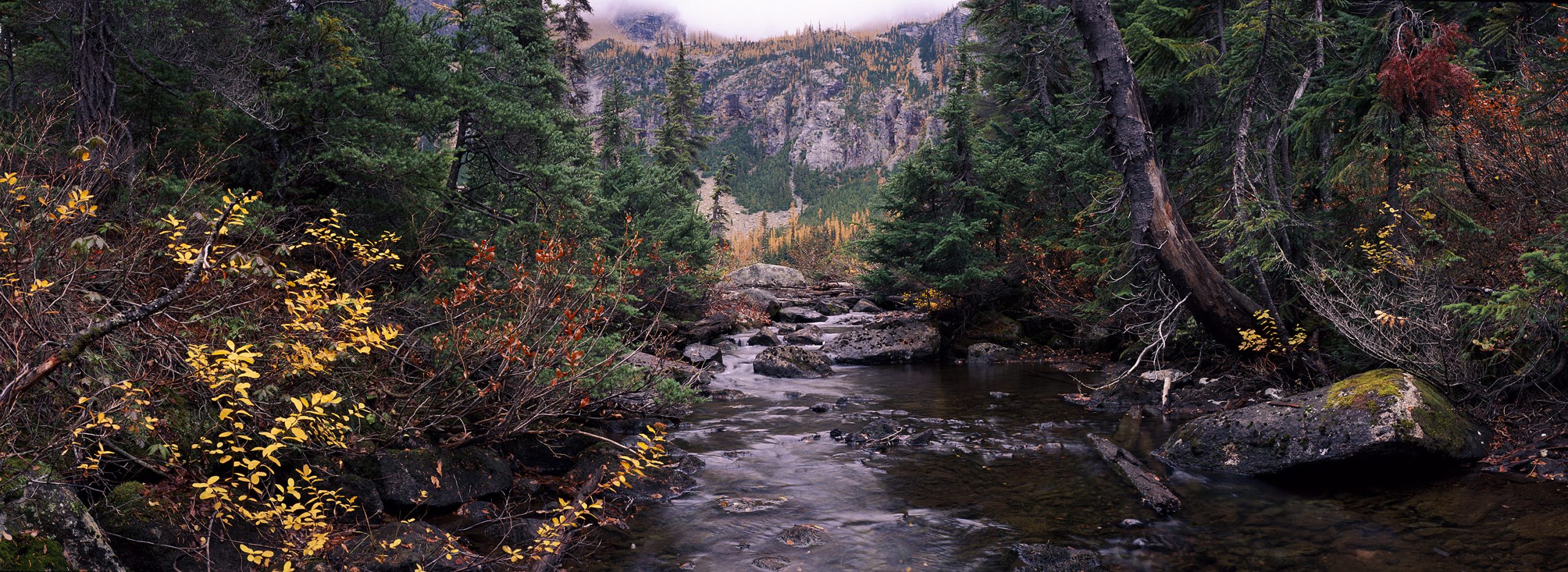
I wrote about the Noblex for this site years ago, back when the camera was still new to me. I didn’t expect to be writing the follow-up three decades later, but here we are—same cameras, same film, and a book closing out what all of it added up to.
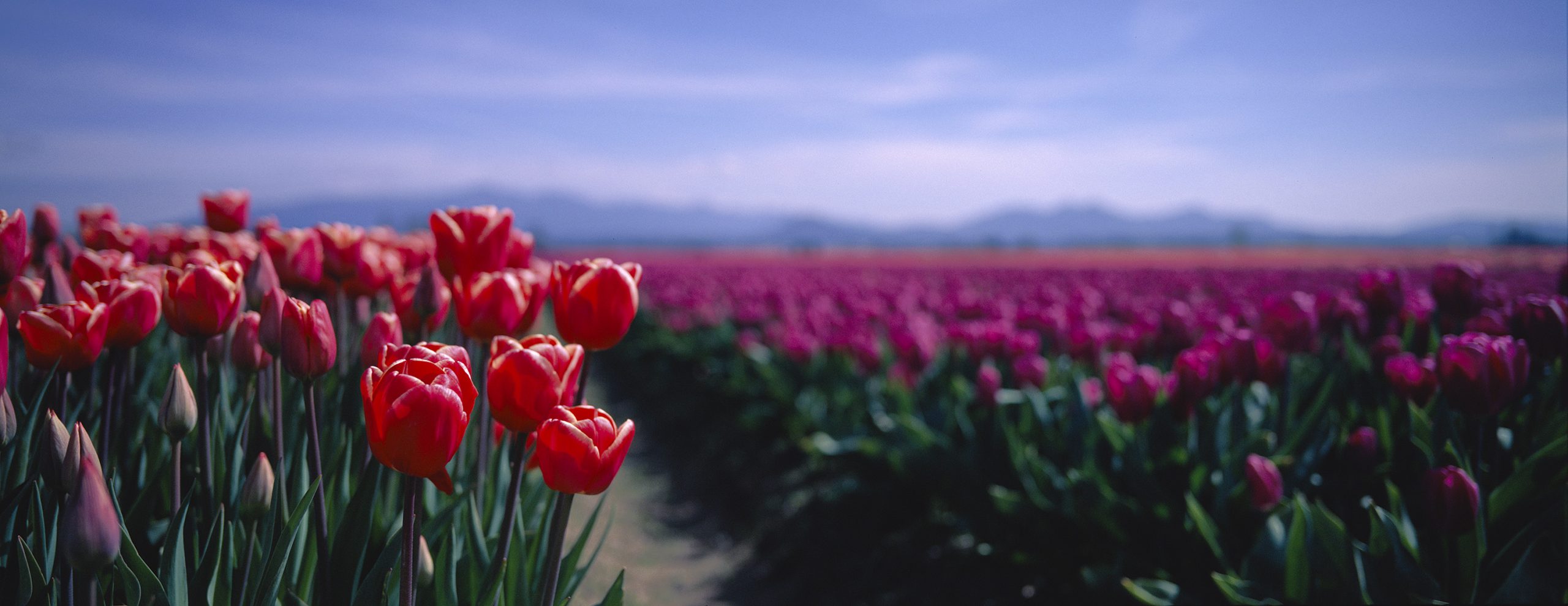
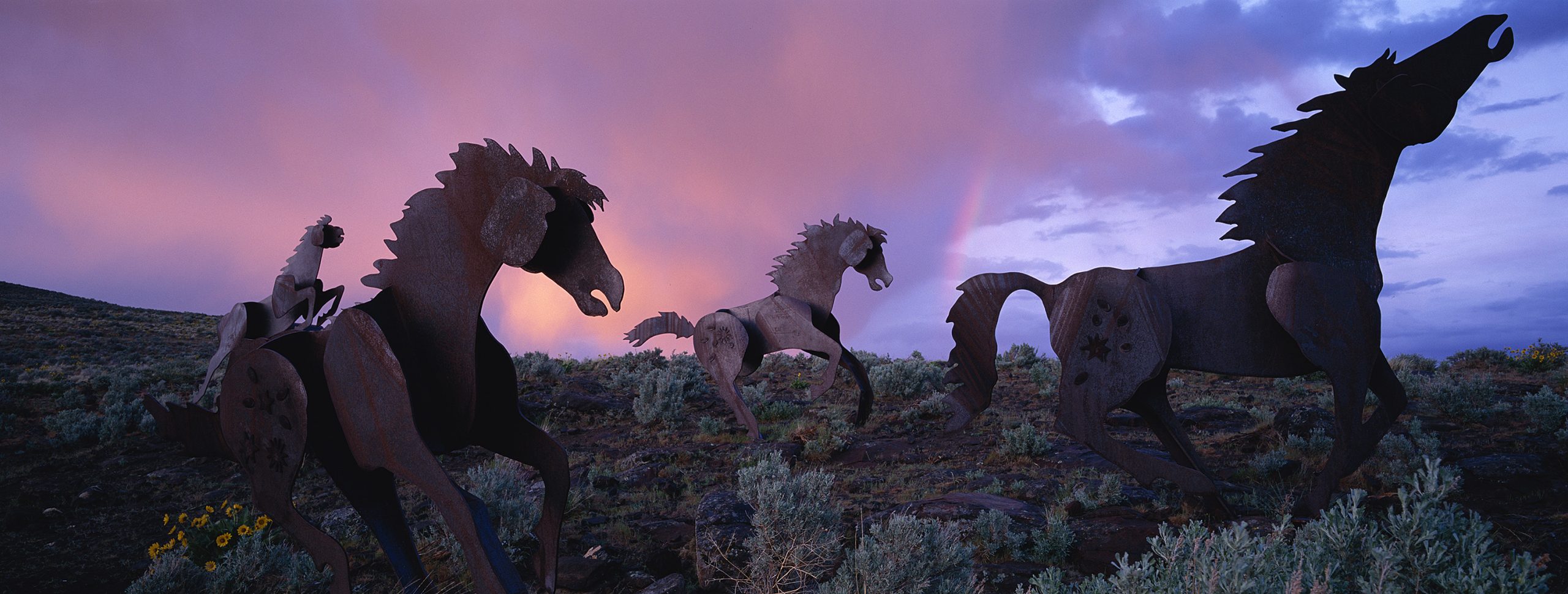
The Noblex is a true rotating-lens design: the lens swings through as the shutter fires, sweeping a continuous 136 degrees onto a strip of film that doesn’t fit any standard enlarger easel or scanner carrier without a fight. It’s the camera for a full sweep: a ridgeline, a shoreline curving out of sight in both directions, anything where the scene genuinely wraps around you and a rectangle won’t hold it. The XPan is the more forgiving instrument: a fixed lens, a conventional shutter, 45mm or 90mm depending on the frame, and a 2.7:1 aspect that reads as a wide rectangle rather than a full swing. I didn’t set out to become a two-camera photographer. I set out to shoot Washington the way it actually looks from the places I stand, which is wider than a normal frame wants to show you, and these were the tools that solved it.
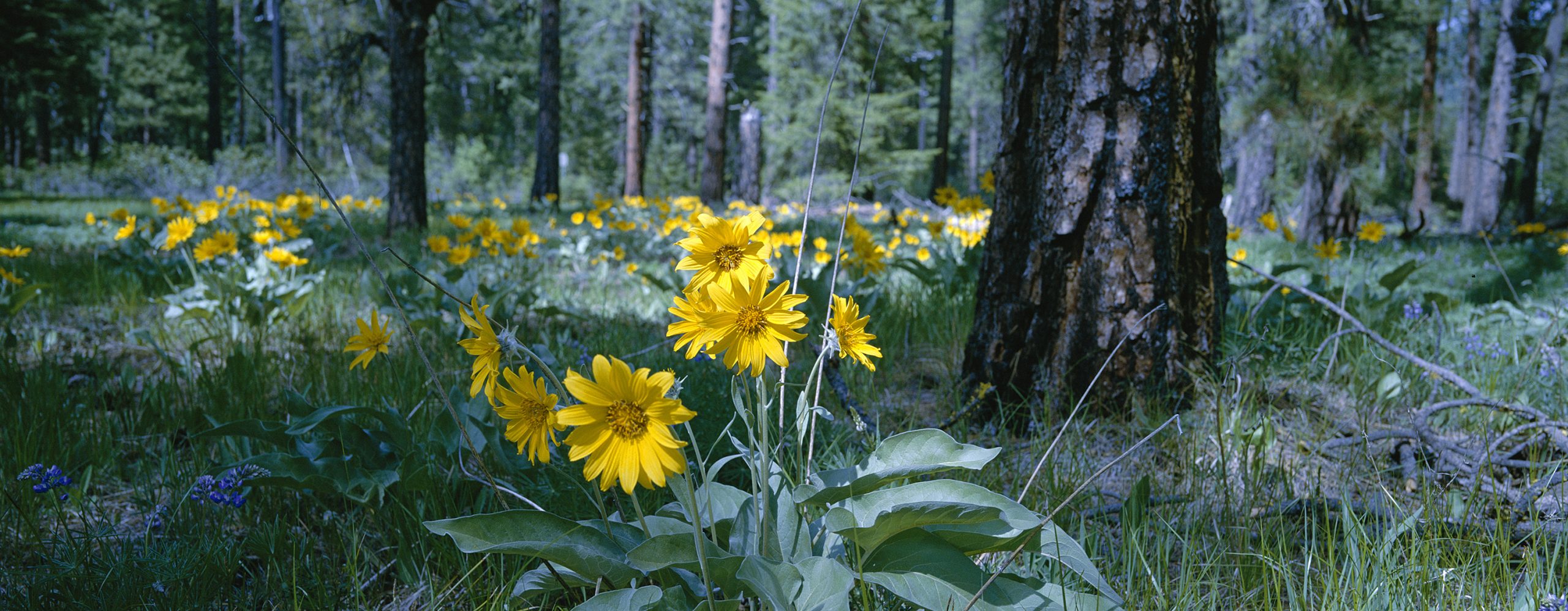
Velvia 50 solved a different problem, and a less forgiving one. It’s slow, it’s contrasty, and it has no patience for indecision, which is exactly the discipline panoramic work demands. Velvia punishes marginal light and rewards the good stuff disproportionately, and after thirty years of shooting it I’ve made peace with a film that will not meet you halfway. If the light isn’t there, the frame isn’t either. That’s not a complaint. It’s the reason the images that did work, worked.
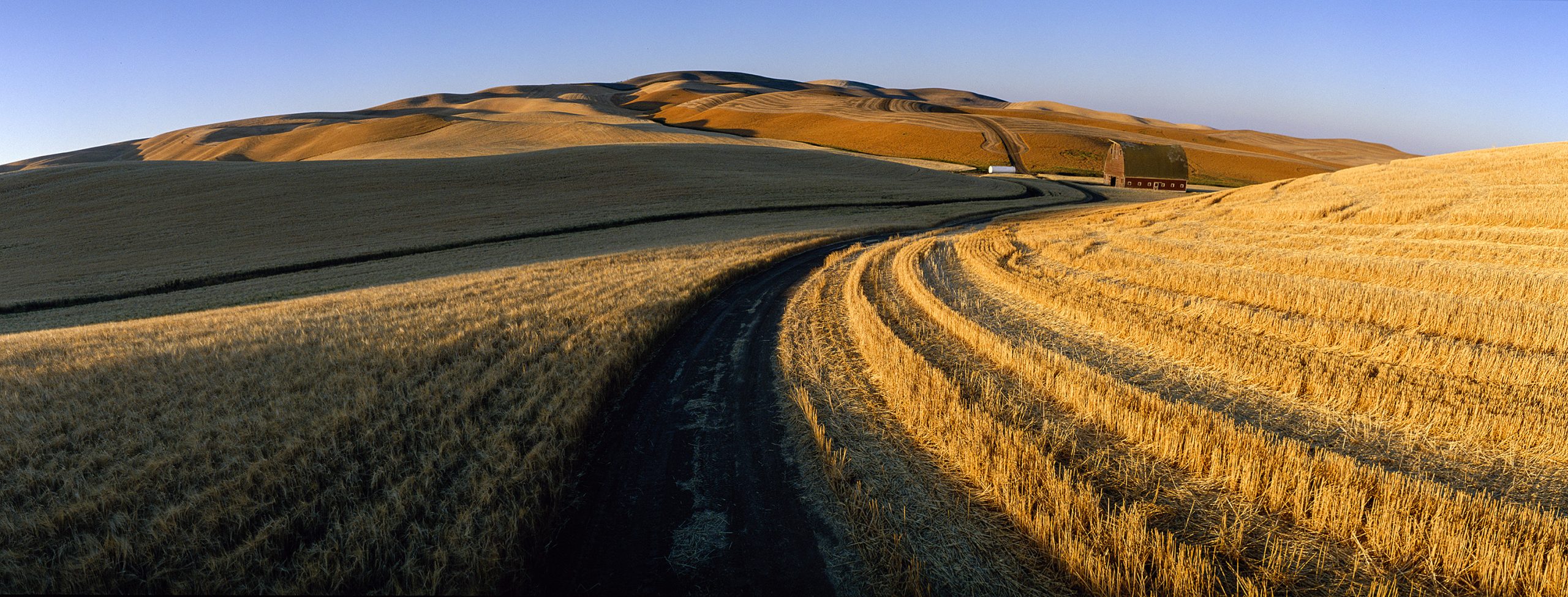
That relationship is harder to maintain than it used to be. Velvia 50 has been intermittently out of stock at major U.S. retailers through this year, with restocks trickling back in through late summer and into fall. I’ve seen allocation get tight before and come back. This feels different — less like a supply hiccup and more like a slow, structural pullback on an emulsion that was never high-volume for Fujifilm to begin with. I don’t know yet whether this is a rough patch or a preview of the film simply going away for good. What I do know is that I’ve started buying more than I need whenever I find stock, which isn’t really a strategy. It’s an admission that I don’t have one.
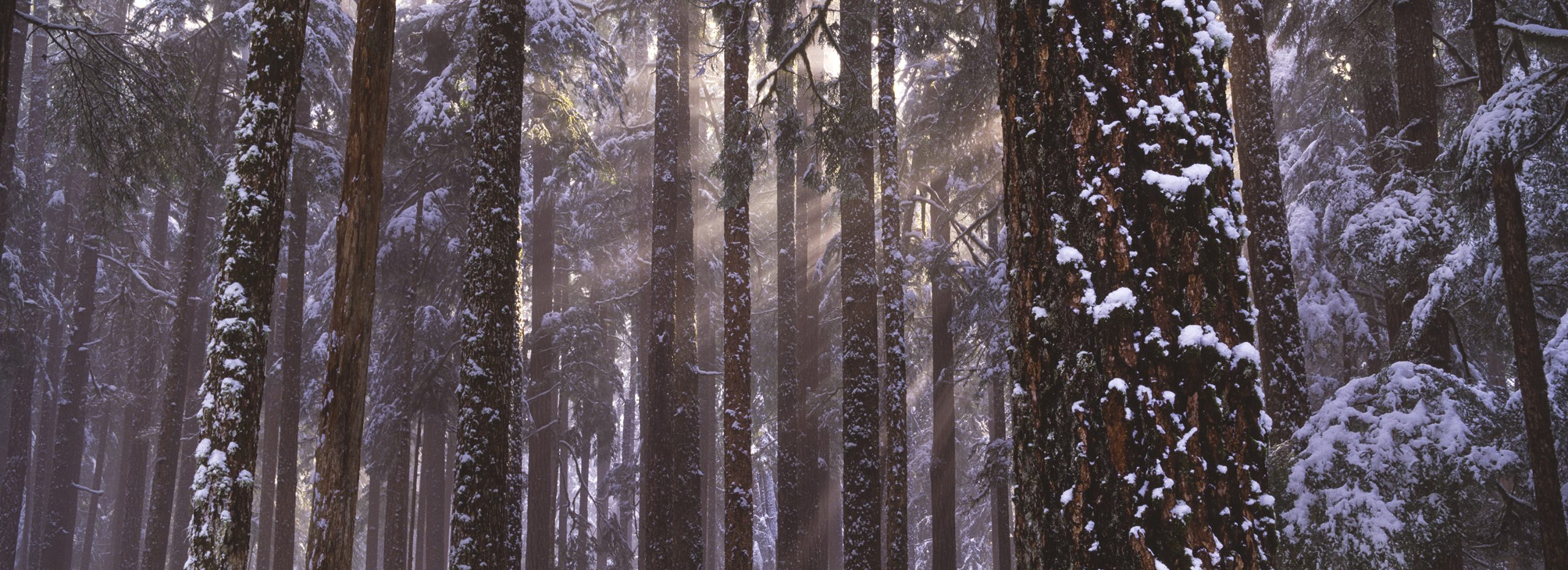
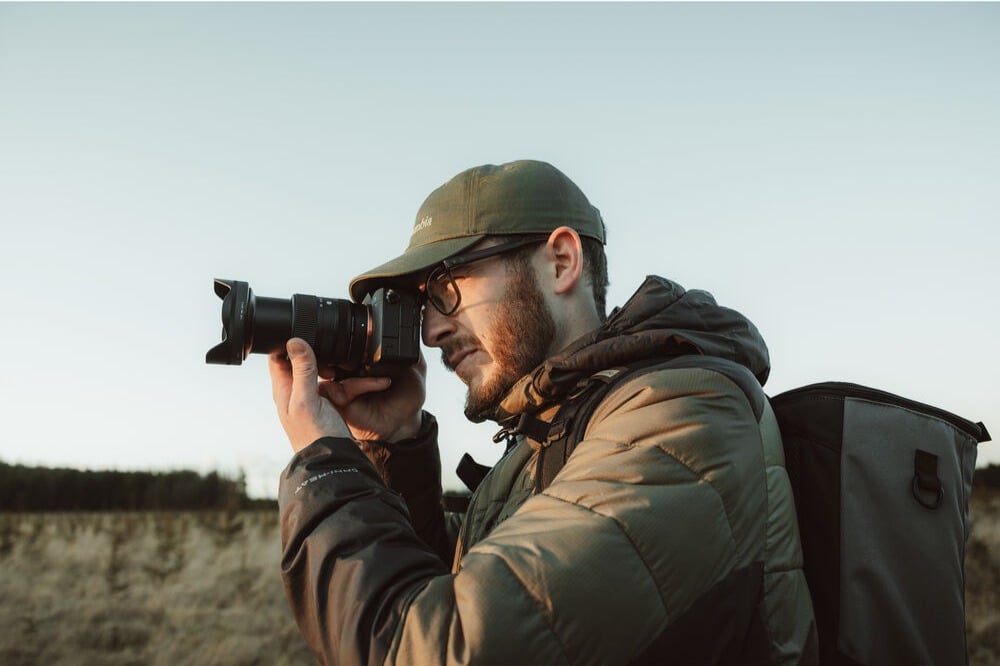
That’s the honest reason I spent part of this year testing a digital panoramic workflow for the first time in my career. Not because I’ve lost any faith in the film—the entire Washington Wide archive is Velvia, shot over three decades, and none of that changes retroactively—but because if the emulsion goes away, I want to already know what replaces it rather than find out under pressure. I built the test rig deliberately conservative rather than reaching for something exotic: a Panasonic Lumix S5II paired with a Sigma 14-24mm f/2.8 Art, mounted on a tripod with a nodal rail, set to the lens’s actual no-parallax point. The goal was a multi-shot stitched panorama that behaves proportionally like an XPan or a Noblex frame.
I ran the first real field test on a trip to Australia. I haven’t fully processed the files yet. I dropped them into Photoshop, did a quick photomerge and had a few shots I liked and many more that I could learn from. Washington Wide was mid-production and commanded all of my focus. What I can say is that the rig held up mechanically in the field, which was the first and most basic question I needed answered. Whether the output holds up against thirty years of Velvia is a question I’m genuinely not ready to answer yet, and I’d rather say that plainly than pretend I’ve already reached a conclusion I haven’t.
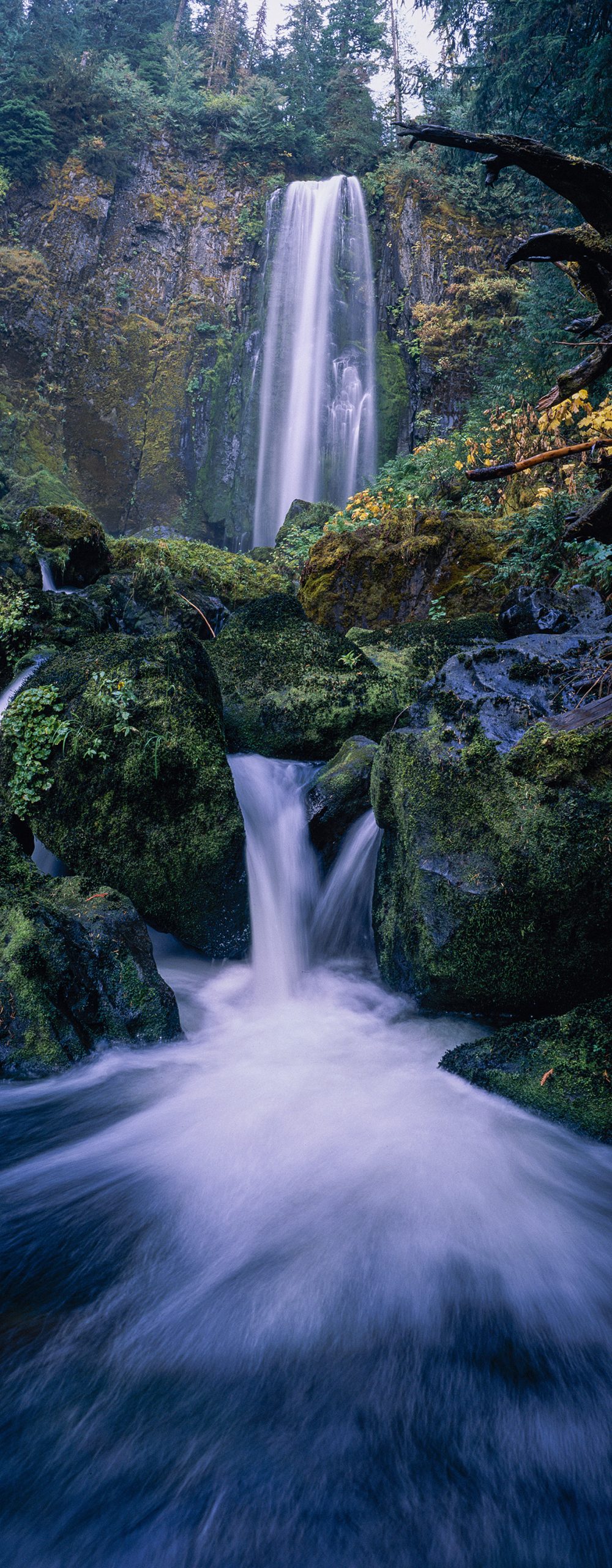
None of this is really about gear, though, even though it sounds like it. It’s about what thirty years of using the same two cameras and the same film actually gets you, which is a body of work that’s honest about where it came from with every frame shot the same way, processed the same way, for the length of an entire career. Washington Wide is that book. It’s a 172-page hardcover documenting the state through panoramic images made over three decades, every one of them on Velvia 50, every one drum-scanned by myself or, better yet, by Michael Strickland on a Heidelberg Tango so the color and grain structure the film actually recorded make it to the page. It’s the first time this much of my archive has been pulled into one place as a continuous record of the state, not a portfolio of standout images.
It’s releasing this October, and it’s the reason the Velvia question and the digital question both matter to me right now instead of sitting quietly in the background. The book closes out thirty years of doing this one specific way. Whatever comes next—more Velvia if the supply holds, a hybrid workflow if it doesn’t, or something I haven’t tested yet—starts from wherever Washington Wide leaves off. I didn’t plan the timing so that the archive would land right as the tool that built it became uncertain. But now that it has, it’s hard not to read this book as the last complete chapter written one way, whichever way I end up writing the next one.
Elevate Your Vision


Read this story and all the best stories on The Luminous Landscape
The author has made this story available to Luminous Landscape members only. Upgrade to get instant access to this story and other benefits available only to members.
Why choose us?
Luminous-Landscape is a membership site. Our website contains over 5300 articles on almost every topic, camera, lens and printer you can imagine. Our membership model is simple, just $2 a month ($24.00 USD a year). This $24 gains you access to a wealth of information including all our past and future video tutorials on such topics as Lightroom, Capture One, Printing, file management and dozens of interviews and travel videos.
- New Articles every few days
- All original content found nowhere else on the web
- No Pop Up Google Sense ads – Our advertisers are photo related
- Download/stream video to any device
- NEW videos monthly
- Top well-known photographer contributors
- Posts from industry leaders
- Speciality Photography Workshops
- Mobile device scalable
- Exclusive video interviews
- Special vendor offers for members
- Hands On Product reviews
- FREE – User Forum. One of the most read user forums on the internet
- Access to our community Buy and Sell pages; for members only.
You may also like