




What if you could stop choosing?
That’s the question Sony just answered for us. For years, the a7R line forced a tradeoff. You got resolution. You got dynamic range. You got files that looked beautiful on large prints. But the moment something moved, whether a bird lifting off a branch or your own hands in fading light, you felt the limits.
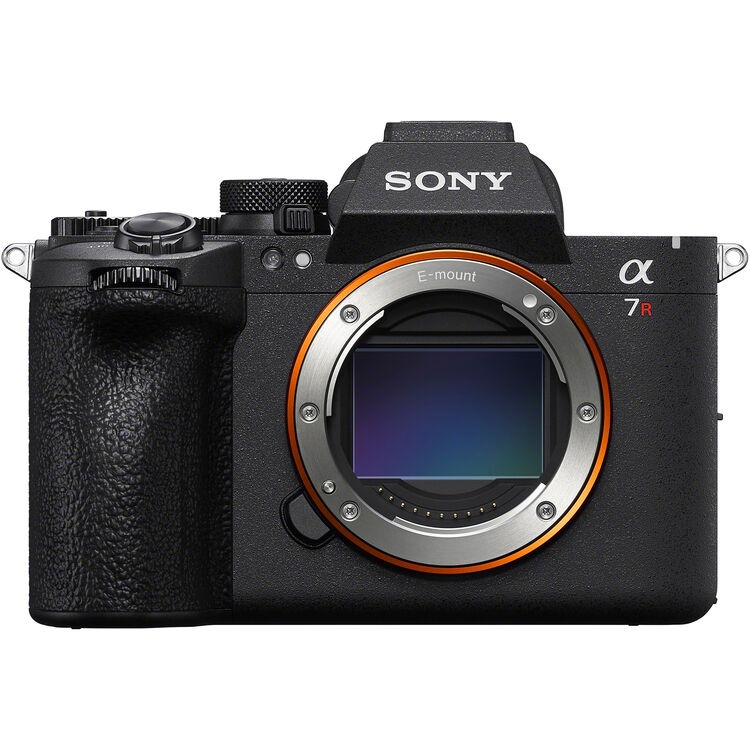
This Sony A7R VI could be “the one”.
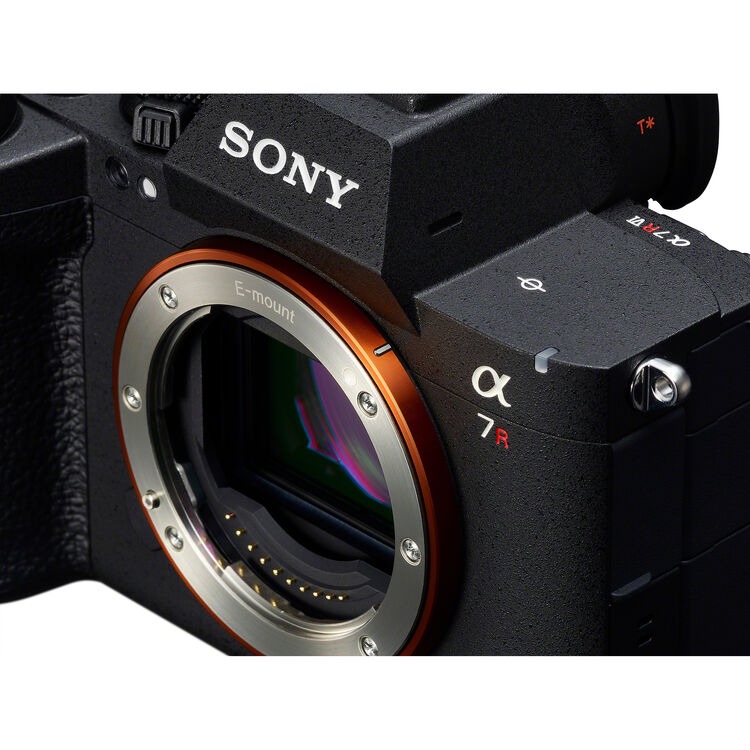
Sony built a 66.8 MP, fully stacked Exmor RS sensor, paired it with 30 fps shooting, AI-driven autofocus, 8K video, and a viewfinder so good it deserves its own paragraph. Then Sony put it in a body that feels like it belongs outdoors somewhere like a pre-dawn walk on a ridgeline.
This is the first R-series camera that is more than “just” a landscape body. For photographers who want one camera that handles everything from tripod work at golden hour to tracking an osprey at 10 a.m., the a7R VI looks like a huge breakthrough.
The Sensor: 66.8 MP, Fully Stacked, and Built Different
The headline number is 66.8 megapixels. The real story is the architecture underneath.
Previous a7R sensors delivered resolution but they read data slowly. The stacked design in the a7R VI changes the physics. Sony claims 5.6x faster readout speeds compared to the a7R V, which really transforms how this camera handles motion, electronic shutter performance, and video.
Here’s what that means in real-world practical terms:
- Resolution for massive prints. 66.8 MP gives you roughly 9,500 pixels on the long side. That’s 40 to 60-inch prints without upscaling. Stitch a panorama and you’re casually working with 150 to 200 MP files.
- 16 stops of claimed dynamic range. Early independent tests confirm cleaner shadows and better highlight recovery than the a7R V at base ISO. Backlit forests, snow under blazing skies, blue-hour cityscapes, all will be more forgiving in a single raw capture.
- Dual-gain behavior. The sensor architecture shifts gain at certain ISO values to minimize noise while preserving shadow detail. This matters for video shooters and anyone pushing files hard in post.
- Native ISO 100-32000, expandable to ISO 50-102400 for those moments when the light disappears and you still need the shot.
For landscape photographers who live for big prints and subtle tonal transitions, this sensor is impressive.
Speed: 30 FPS in an R Body (Yes, Really)
This is where the a7R VI breaks from tradition.
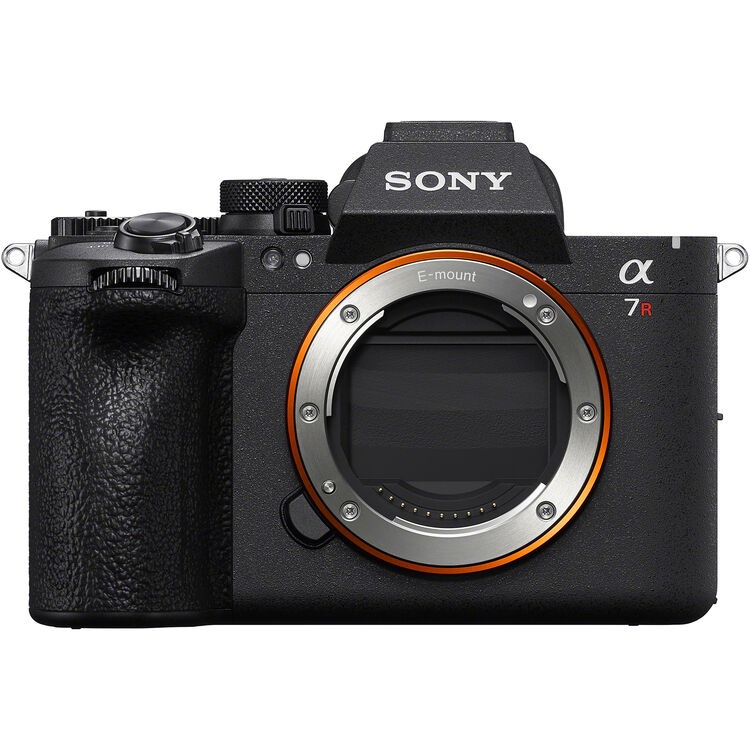
Previous R cameras topped out around 10 fps and felt sluggish with the electronic shutter. The a7R VI delivers 30 fps blackout-free electronic shutter bursts with continuous AF and auto exposure. That’s flagship territory y’all.
Key speed features:
- 10 fps mechanical shutter with full AF/AE tracking
- 30 fps electronic shutter with AF/AE, blackout-free
- Pre-capture mode, a first for any R-series body, buffers images at 30 fps when you half-press the shutter. That fleeting moment of light breaking through storm clouds? The camera already “got it” before you pressed the button.
- Speed Boost mode lets you assign a custom button to instantly jump from your normal frame rate to 30 fps when the moment demands it
One thing…the rolling shutter caveat: readout speed is roughly 19-20 ms.
That’s a massive improvement over the a7R V (which was around 100 ms) but still behind the A1 II (under 4 ms) and the global-shutter A9 III. For landscape and wildlife work, the electronic shutter is now usable and reliable. For stadium sports under LED lighting, you’ll still want the mechanical shutter.
For most of us? This is more than enough.
Autofocus: AI-Driven and Confident
Sony’s Real-time Recognition AF+ system uses a dedicated AI processing unit inside the BIONZ XR2 processor. The camera recognizes and tracks seven subject types:
- Humans (with skeletal-based pose estimation)
- Animals
- Birds
- Insects
- Cars and trains
- Airplanes
- Animal/Bird combined mode
The AF coverage spans 94% of the full-frame area using 759 phase-detection points, with sensitivity down to -6 EV. Early field reports describe A1-level tracking confidence, even in cluttered scenes with multiple subjects.
For the landscape photographer who also shoots environmental portraits on the trail, wildlife at the coast, or documentary work in remote places, this AF system means you stop hunting for focus and start focusing on the moment.
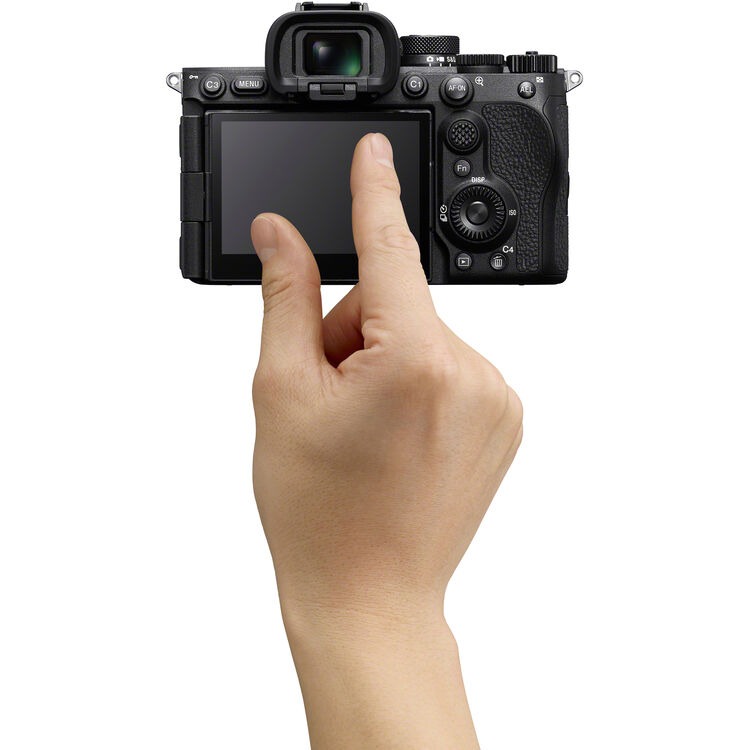
The EVF: The Upgrade We Needed
Let’s talk about the viewfinder, because this might be the most underappreciated feature of the whole camera.
The a7R VI uses a 9.44 million-dot OLED EVF. It’s roughly 3x brighter than the a7R V, runs a 10-bit display with DCI-P3 color coverage, and refreshes at 120 fps for smooth motion rendering.
Why this matters for landscape work:
- Critical manual focus becomes easier. Fine textures, foreground details, star points, all visible and sharp in the finder.
- Mid-tone and sky detail read true. You can judge exposure and tonal relationships better now through the viewfinder instead of second-guessing the histogram.
- The 25mm eye point and 41-degree field of view make it comfortable for extended sessions, including for eyeglass wearers.
A great EVF changes how you interact with a scene. It builds trust between your eye and the file. This one looks like it delivers.
IBIS: 8.5 Stops and Handheld Confidence
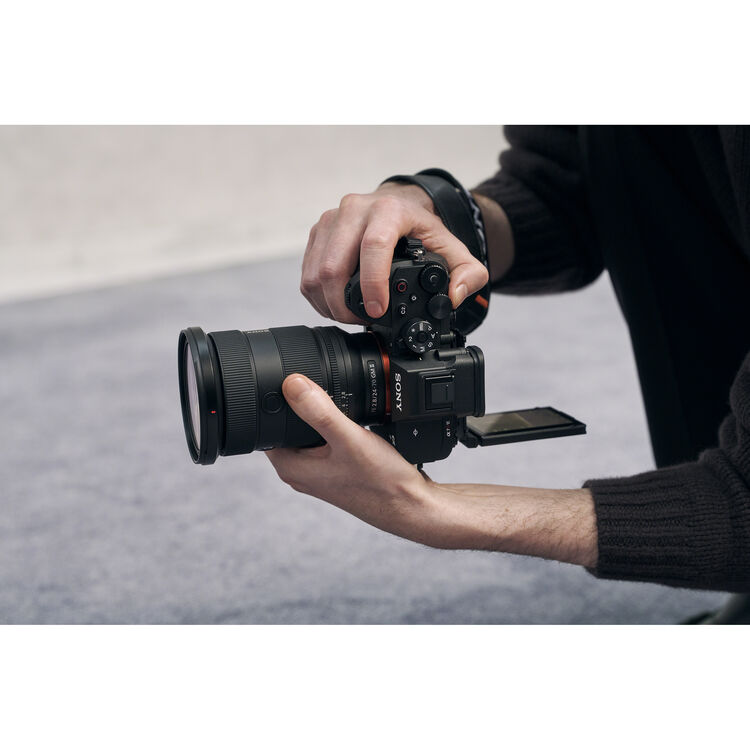
The revised 5-axis in-body image stabilization system claims up to 8.5 stops of compensation at the center and 7 stops at the periphery. Sony improved the gyro sensor and refined the stabilization algorithm for better communication between body and lens.
For landscape photographers, this translates to:
- Handheld shooting at shutter speeds that used to require a tripod, especially with wide-angle lenses in forests, canyons, and city twilight
- Scouting and grabbing strong frames handheld while saving the tripod for peak light
- Confidence in low-light situations where setup time means missing the shot
Active IS mode adds digital stabilization for video, and a new algorithm improves performance with select OSS-enabled lenses.
Video: A Hybrid Workhorse
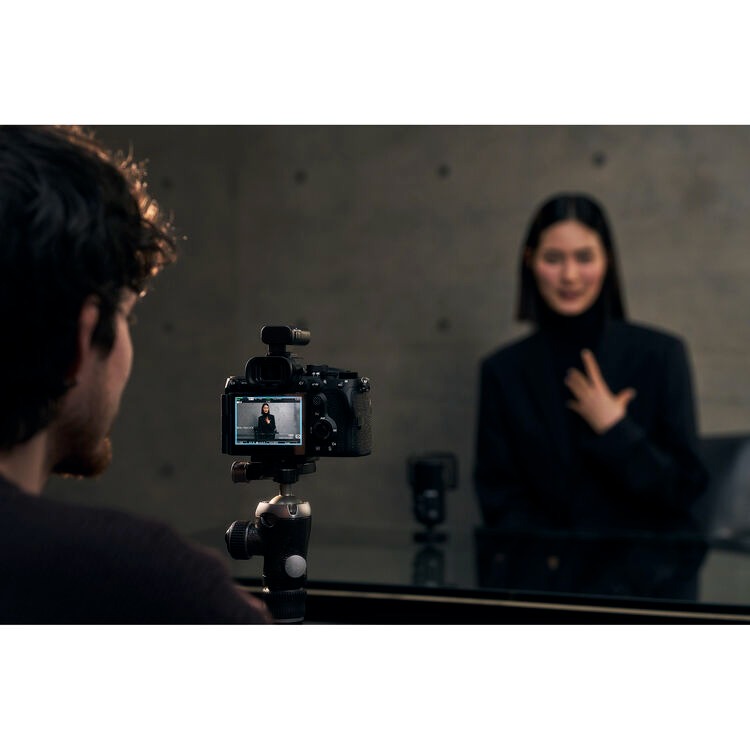
The a7R VI is a capable video tool for photographers who also create motion content.
- 8K 30p/24p via 8.2K oversampling for maximum detail
- 4K 120p via 5K oversampling with full pixel readout, perfect for slow-motion B-roll without reframing – crazy fast slo mo in 4k!
- 10-bit recording with S-Cinetone, S-Log2/3, and LUT import support
- ProRes RAW output over full-size HDMI
- 32-bit float audio with the optional XLR-A4 adapter at 96 kHz sampling – Big Deal!
- Breathing Compensation reduces field-of-view shifts when racking focus with compatible lenses
- Improved heat management with a sigma-shaped graphite heatsink, 4K recording up to 120 minutes at 77°F
For travel filmmakers, landscape-plus-story creators, and commercial hybrid shooters, this is a legitimate one-body solution.
How Does It Compare to Medium Format?
This is where it gets personal. I shoot a Fujifilm GFX 100S as my primary landscape camera. I love the rendering, the tonal depth, and the deliberate pace of medium format work. So when a full-frame camera claims to approach medium format territory, I pay attention.
The honest comparison against the GFX100 II and Hasselblad X2D:
Where the a7R VI wins:
- Autofocus speed and tracking (no contest)
- 30 fps burst shooting
- Lens variety and availability
- Video capabilities
- Size and portability
- Price (yes, $4,500 is cheaper than medium format)
Where medium format still wins:
- Sensor size and the rendering characteristics that come with it
- Tonal transitions and color depth at pixel level
- That particular “look” that larger sensors produce, subtle but real benefit for certain subjects
- A slower, more intentional shooting experience that some photographers prefer
The gap is closing. Several early reviewers note that the a7R VI’s shadow smoothness and highlight handling approach medium format quality in ways previous full-frame cameras didn’t. For field work where speed, flexibility, and lens options matter, the Sony makes a compelling case.
I’ve owned previous A7 bodies and still have Sony glass in my kit. The E-mount ecosystem is mature and deep. That matters when you’re building a system for real work across multiple genres.
Medium format remains special for a reason. But the a7R VI makes the full-frame argument stronger than it’s ever been.
The Downsides: Real Talk
No camera is perfect. Here’s what you need to consider.
Price
The a7R VI costs $4,499 USD ($5,999 CAD). That’s roughly $600 more than the a7R V launched at. For working professionals, this is a good rational investment. For enthusiasts, it’s a big commitment.
New Battery System
Sony moved to the NP-SA100 battery, which is larger capacity and higher voltage, but your existing NP-FZ100 batteries won’t work. New batteries, new chargers, new vertical grip. If you run multiple Sony bodies, you’ll carry two battery systems for a while. That’s a real deal of annoyance.
File Sizes
66.8 MP at 30 fps generates enormous amounts of data. You’ll need fast CFexpress Type A cards, serious storage infrastructure, and a computer with real processing power. A casual burst session fills drives fast.
Buffer performance: roughly 140 lossless compressed raws at 10 fps mechanical, about 70 raws (around 2 seconds) at 30 fps electronic before slowdown, or up to 160 compressed raws. Amazing!
Rolling Shutter
Much better than the a7R V. Still behind the A1 II and A9 III. For landscape and wildlife, it’s a non-issue. For fast pans under artificial lighting, use the mechanical shutter.
Heat Management
At 90°F ambient, expect about 50-55 minutes of 4K 25p before shutdown. 8K and high-frame-rate modes hit thermal limits sooner in hot conditions. For landscape shooters grabbing clips, this is rarely a problem. For long-form video in summer heat, plan accordingly.
Who Should Buy This Camera?
The a7R VI makes the most sense if you:
- Print big and care about shadow detail, tonal range, and resolution
- Mix landscape work with wildlife, travel, or commercial assignments
- Want one body that handles stills and video without compromise
- Shoot Sony glass and want to stay in the ecosystem
- Need speed and tracking alongside high resolution
You might be better served by the a7R V (or similar) if you:
- Primarily shoot tripod landscapes at base ISO and rarely need speed
- Have no interest in 8K or high-frame-rate video
- Would rather invest the price difference in better glass or more trips
- Prefer to wait for real-world field tests before committing

The Bigger Picture
The a7R VI represents something more than a spec bump. The old question of “Do I bring the R body or the action body?” just became irrelevant for a huge number of photographers.
Is it perfect? No. It’s expensive, the files are demanding, and the new battery system is inconvenient. But their core promise, stunning resolution combined with speed and flexibility, is here in a way we haven’t seen before in a full-frame body.
We’re excited to get our hands on one and put it through real fieldwork. Stay tuned for our full hands-on review.
Luminous Landscape has been helping photographers grow for over 30 years. If this article helped you think about your next camera, consider joining our community. For $24 a year, you get access to three decades of tutorials, how-to guides, and interviews with photographers who’ve mastered their craft. That’s less than $2 a month to accelerate your growth as a photographer and artist.
Join us: luminous-landscape.com/register/yearly-membership/
Have thoughts on the a7R VI? Drop us a line at [email protected]


Elevate Your Vision


Read this story and all the best stories on The Luminous Landscape
The author has made this story available to Luminous Landscape members only. Upgrade to get instant access to this story and other benefits available only to members.
Why choose us?
Luminous-Landscape is a membership site. Our website contains over 5300 articles on almost every topic, camera, lens and printer you can imagine. Our membership model is simple, just $2 a month ($24.00 USD a year). This $24 gains you access to a wealth of information including all our past and future video tutorials on such topics as Lightroom, Capture One, Printing, file management and dozens of interviews and travel videos.
- New Articles every few days
- All original content found nowhere else on the web
- No Pop Up Google Sense ads – Our advertisers are photo related
- Download/stream video to any device
- NEW videos monthly
- Top well-known photographer contributors
- Posts from industry leaders
- Speciality Photography Workshops
- Mobile device scalable
- Exclusive video interviews
- Special vendor offers for members
- Hands On Product reviews
- FREE – User Forum. One of the most read user forums on the internet
- Access to our community Buy and Sell pages; for members only.
You may also like