



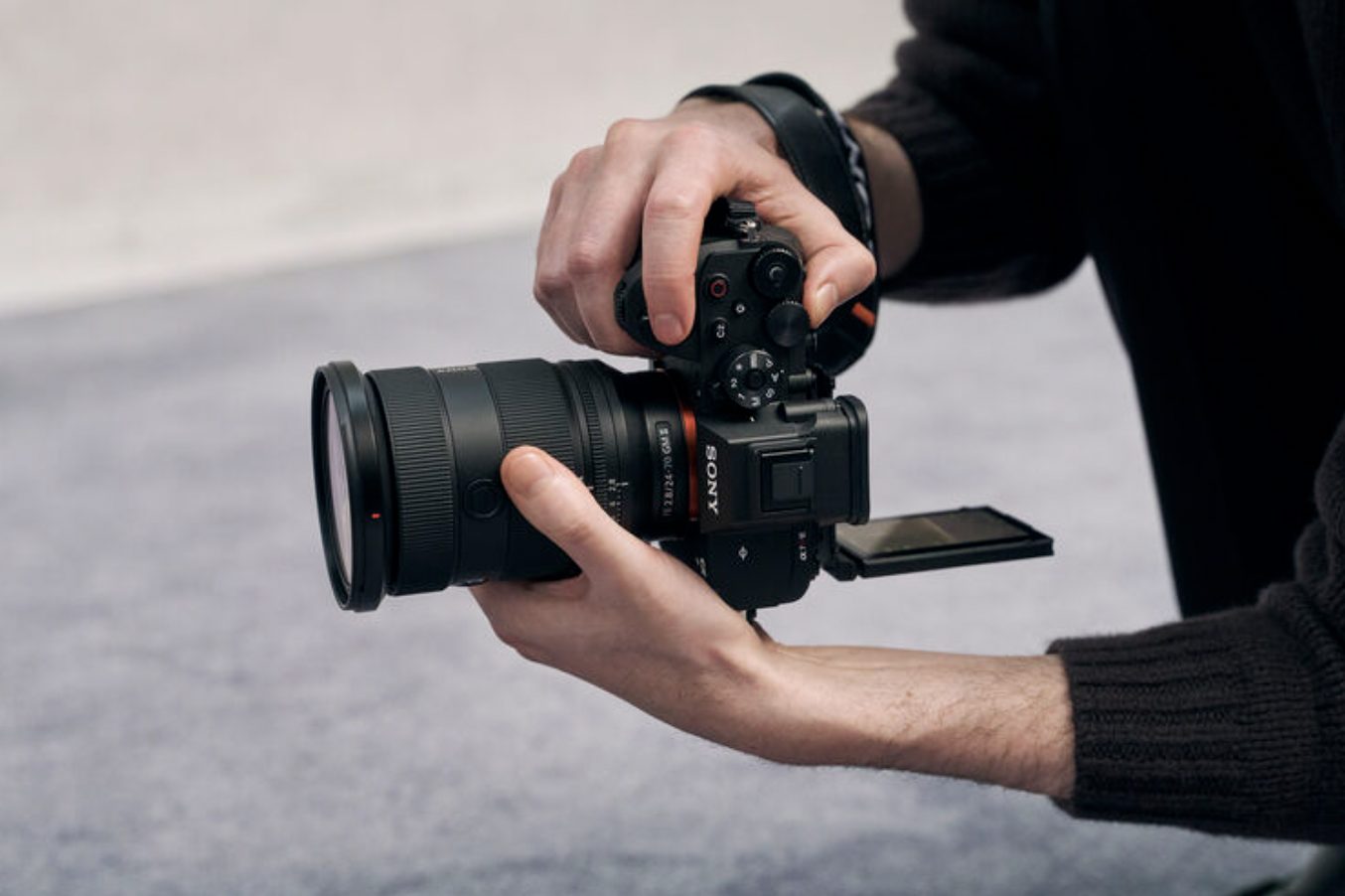


66.8 Megapixels Will Show You Everything
Here’s the thing about a 66.8 MP sensor: it rewards great glass and punishes mediocre glass in equal measure.
Every optical flaw, every soft corner, every trace of chromatic aberration will show up at 100% crop on a file this large. The a7R VI is about what your lens can resolve.
The good news? Sony’s E-mount ecosystem is deep and mature. Between Sony’s own G Master and G-series glass and strong third-party options from Sigma, Tamron, and Voigtlander, there’s something for every shooting style and budget.
Let’s walk through some of the best options by category, then put together some real-world kits at the end.
The New Release: Sony FE 100-400mm F4.5 GM OSS
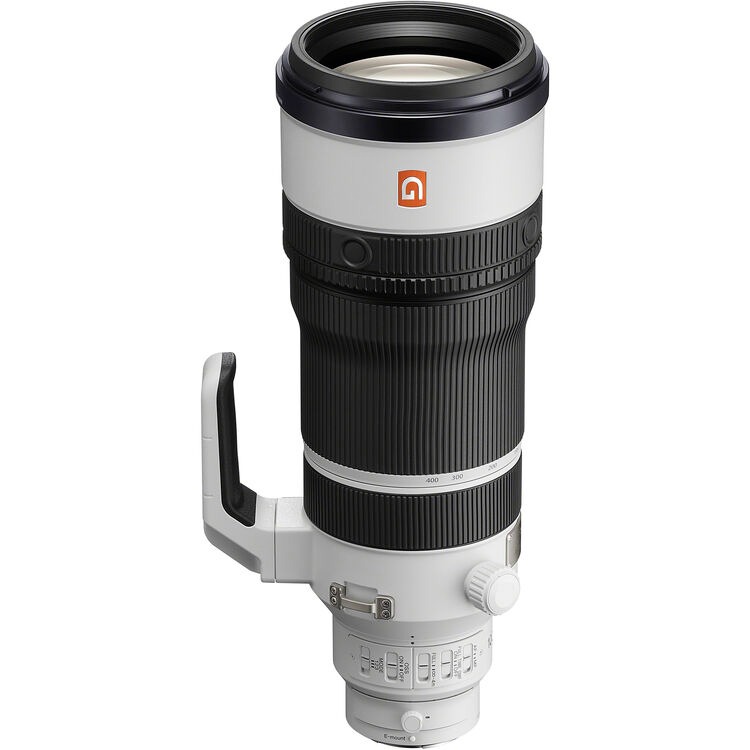
Sony launched this lens alongside the a7R VI, and it deserves top billing.
This is a ground-up redesign of the 100-400mm range for the E-mount system. Sony threw out some of the old (variable aperture, external zoom) and rebuilt it from scratch.
What’s new:
- Constant F4.5 aperture across the entire zoom range. At 400mm, that’s two-thirds of a stop faster than the old F5.6 maximum. Better subject separation, more light, more consistent exposure as you zoom.
- Internal zoom design. The lens stays the same length whether you’re at 100mm or 400mm. Balance stays consistent on tripods, gimbals, and when shooting handheld. This is nice for field work.
- 3x faster autofocus than the original 100-400mm GM, driven by four XD Linear Motors. Sony says tracking performance improves by 50%. That’ll be great for far away moving subjects.
- 28 elements in 20 groups including a new ED XA element, XA glass, two Super ED elements, and three ED elements. Nano AR Coating II handles flare and ghosting.
- 11-blade circular aperture for smooth, clean bokeh with controlled spherical aberration.
- Teleconverter compatible. Add a 1.4x for 140-560mm at F6.3, or a 2x for 200-800mm at F9. On the a7R VI in APS-C crop mode, that 2x teleconverter gives you an effective 1200mm reach.
- Drop-in 40.5mm filter holder near the mount, so you can skip expensive 95mm filters for most work.
- Breathing compensation support on compatible bodies.
The tradeoffs:
- Weight: 1,840g (65 oz). Heavier than the original 100-400mm GM. You feel it on long hikes.
- Size: 328mm long. It’s a substantial piece of glass.
- Price: $4,299 USD ($5,599 CAD). That’s $1,500 more than the original 100-400mm GM. This is a professional-tier investment.
- Maximum magnification drops to 0.25x from 0.35x on the predecessor. Close-focus shooters take note.
Who it’s for: Wildlife photographers, birders, sports shooters, and landscape photographers who want compressed telephoto perspectives and distant subject reach with G Master optical quality. Paired with the a7R VI’s 30 fps bursts and AI tracking, this combination looks purpose-built for serious field work.
Available June 2026 alongside the a7R VI body.
Ultra-Wide Primes
For landscape photography, this is where the magic starts. A great wide prime on a 66.8 MP sensor is a powerful combination for vistas, night sky, and minimalist one-lens kits.
(E-mount)
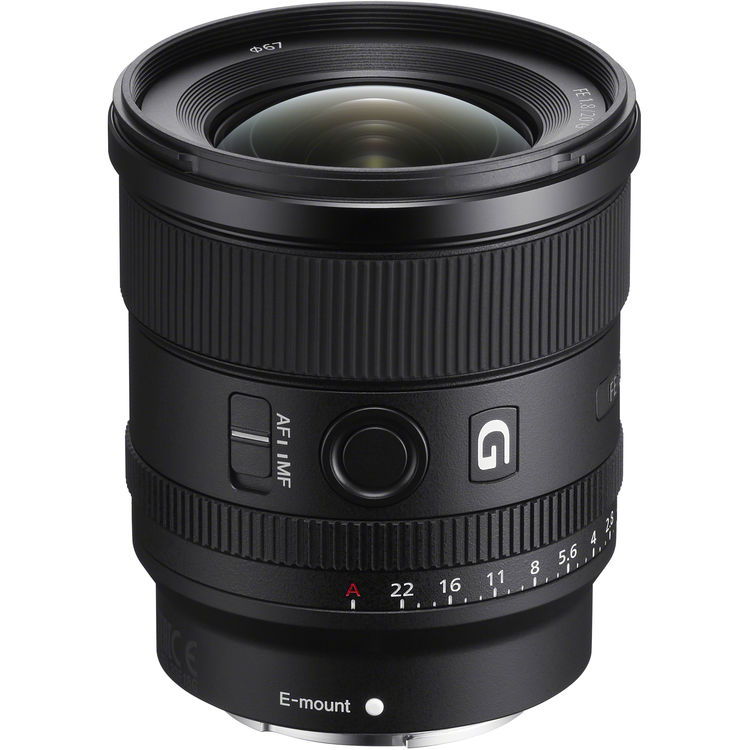
Sony FE 20mm F1.8 G The gold standard for Sony landscape primes. Edge-to-edge sharpness, excellent coma control for astrophotography, compact build, and weather-resistant construction. If you carry one prime for landscapes, this is the one.
- Great for: Vistas, astro, hiking, “one lens, one body” trips
- Price: ~$998
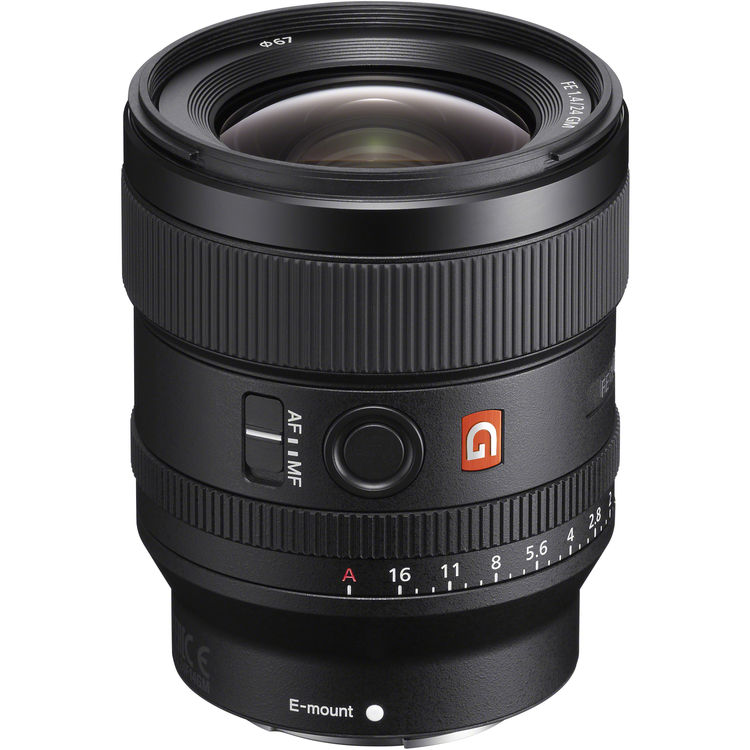
Sony FE 24mm F1.4 GM Beautiful rendering with stellar sharpness. The 24mm focal length works for environmental landscapes, astro, and storytelling compositions where 20mm feels too wide. Lightweight for a F1.4 prime.
- Great for: Environmental landscapes, astro, travel
- Price: ~$1,498
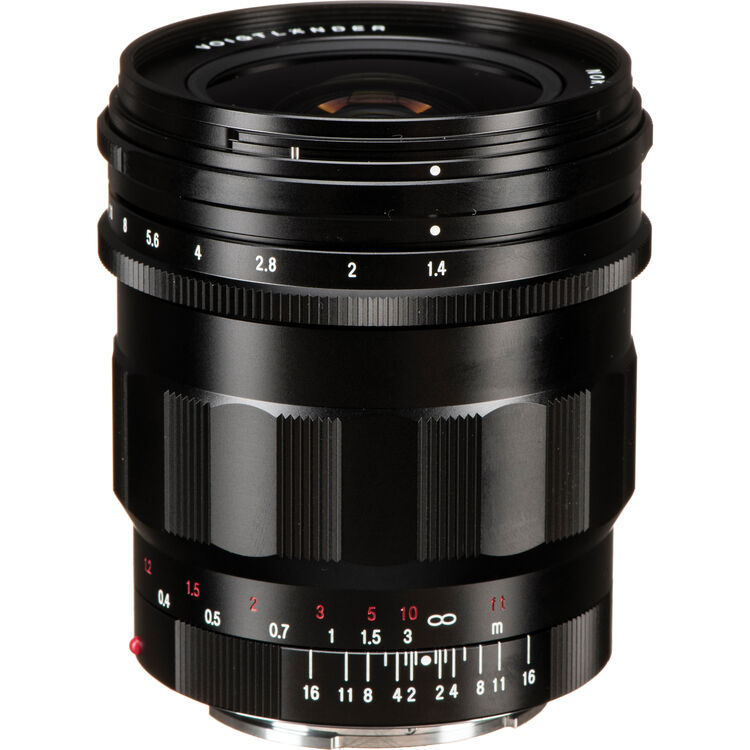
Voigtlander 21mm F1.4 Nokton (E-mount) A manual focus option with gorgeous character. Smooth focus ring, solid build, and a rendering style that some photographers prefer for its subtle personality. Manual focus pairs well with the a7R VI’s improved EVF for critical focusing.
- Great for: Deliberate landscape work, astro, photographers who enjoy manual focus
- Price: ~$1,199
- Budget-conscious pick
Wide-Angle Zooms
The workhorse category for landscape photography. These lenses cover the focal range most landscape shooters live in.
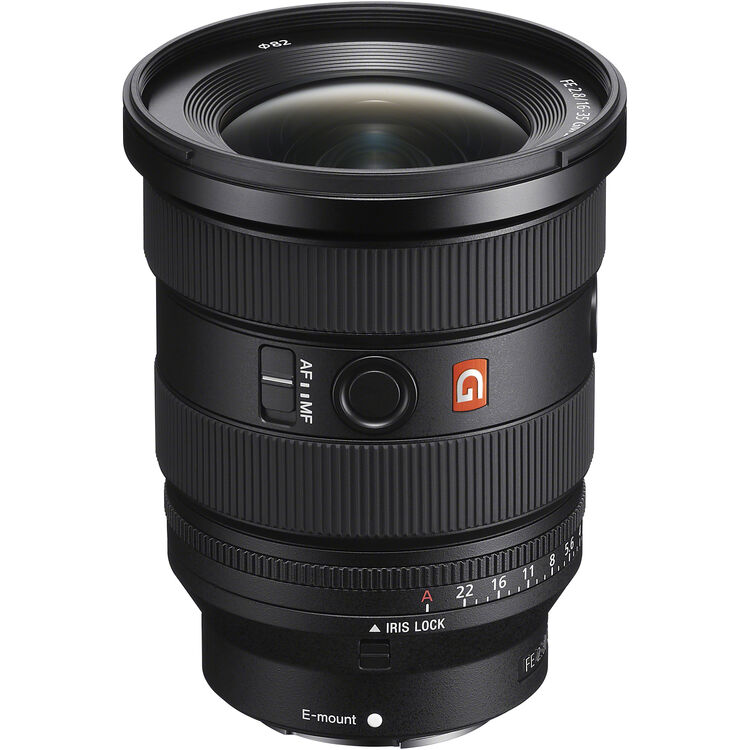
Sony FE 16-35mm F2.8 GM II The flagship wide zoom. Smaller and lighter than the original GM with improved corner sharpness, reduced chromatic aberration, and better flare control. This lens feeds a 60+ MP sensor without breaking a sweat. Widely regarded as one of the best landscape zooms in any system.
- Great for: Serious landscape work, commercial assignments, low light
- Price: ~$2,598
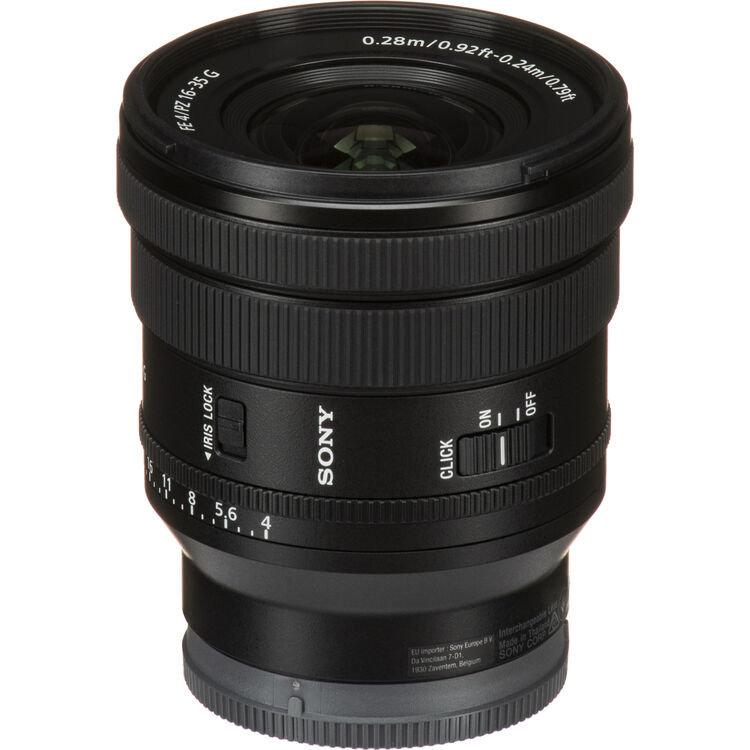
Sony FE 16-35mm F4 G A lighter, more affordable alternative to the GM II. Sharpness is strong across the frame, and F4 is fine for most landscape work where you’re stopped down anyway. A smart choice if you’d rather spend the savings on travel.
- Great for: Travel, hiking, budget-conscious landscape shooters
- Price: ~$1,298
- Value pick
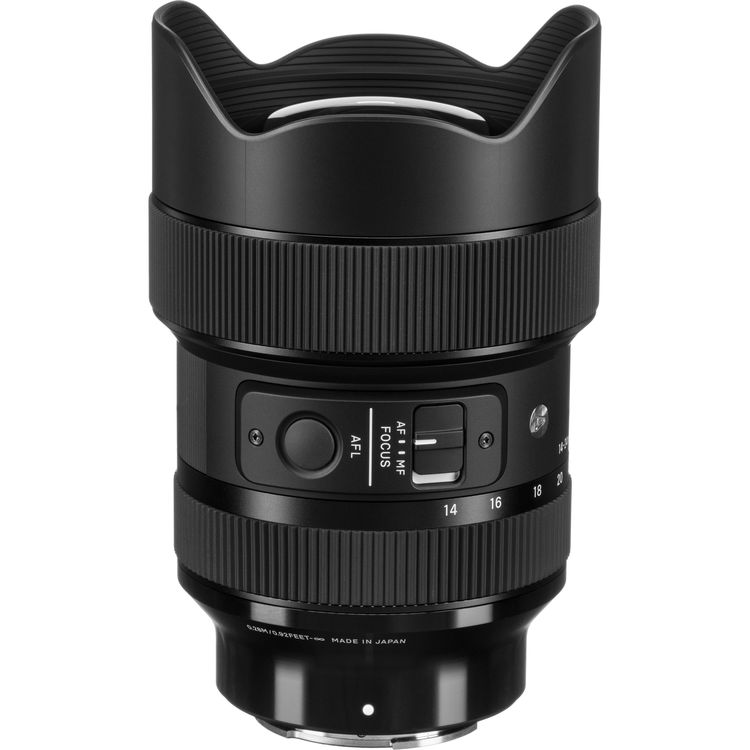
Sigma 14-24mm F2.8 DG DN Art Outstanding wide-angle zoom at a compelling price. Excellent sharpness, well-controlled distortion, and strong build quality. The extra width at 14mm is useful for dramatic foregrounds and architectural work.
- Great for: Ultra-wide landscapes, architecture, astro
- Price: ~$1,539
- Value pick
Tamron 17-28mm F2.8 Di III RXD Compact, lightweight, and sharp. The 17-28mm range is slightly tighter than a 16-35mm, but the size and weight savings are real for backpackers and travel photographers. F2.8 throughout.
- Great for: Hiking, travel, weight-conscious kits
- Price: ~$899
- Budget pick
Mid-Range Zooms
The versatile middle ground. These lenses handle everything from environmental portraits to travel documentation to tighter landscape compositions.
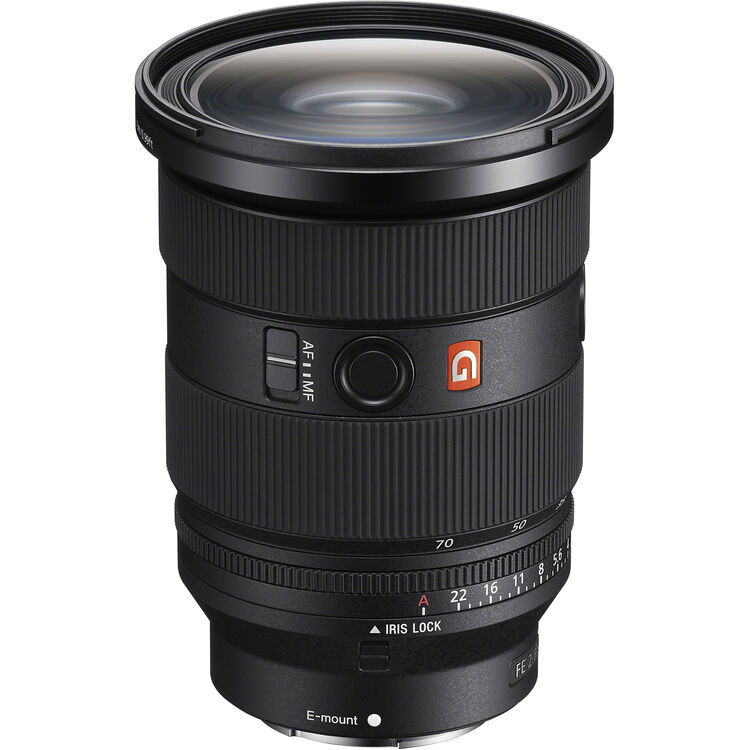
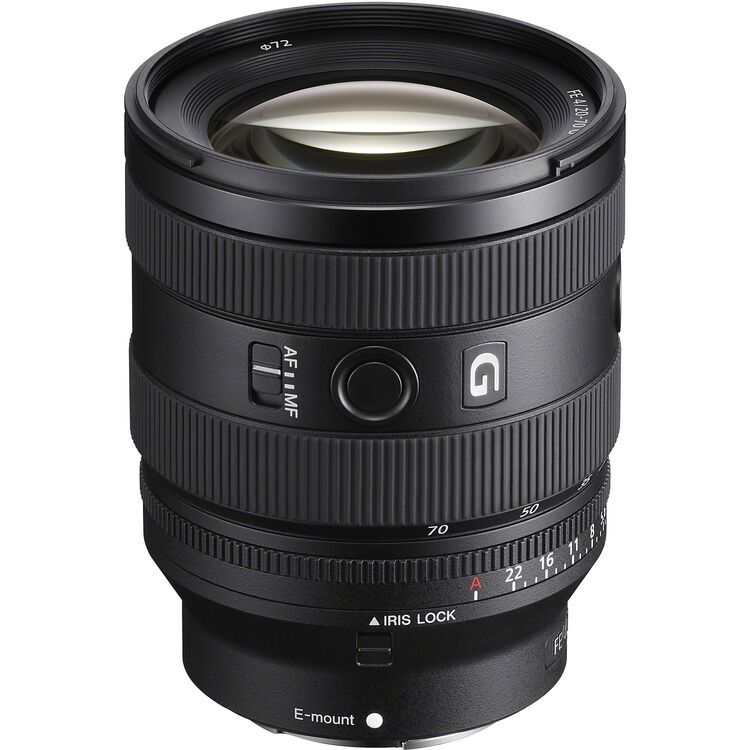
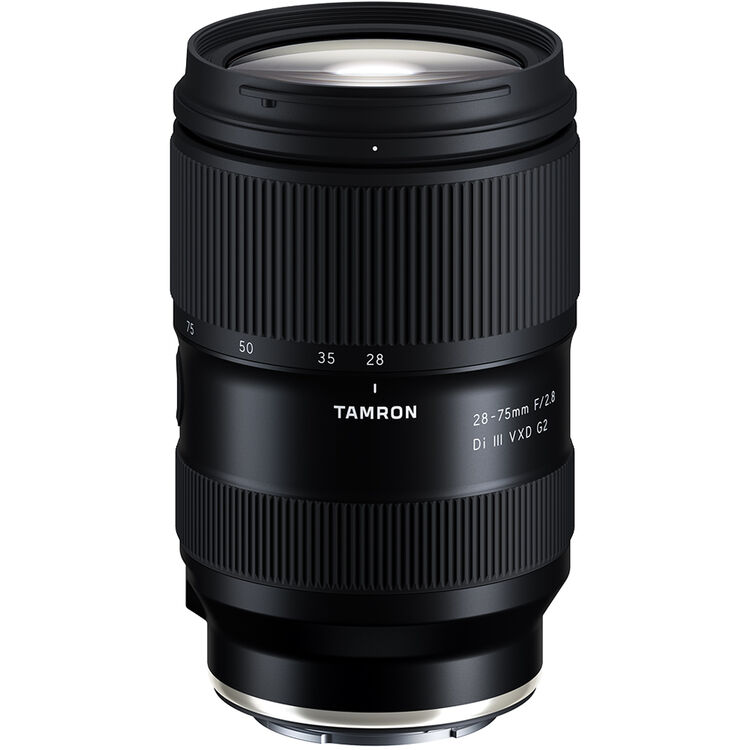
VXD G2
Sony FE 24-70mm F2.8 GM II Sharper, lighter, and better corrected than the original. This is the “do everything” zoom for professionals. It resolves the a7R VI sensor with ease and handles portraiture, travel, and editorial work with equal confidence.
- Great for: Travel, commercial work, landscapes, portraits
- Price: ~$2,448
Sony FE 20-70mm F4 G One of Sony’s smartest recent releases. The 20mm wide end gives you real landscape width, the 70mm long end provides useful compression, and F4 constant aperture keeps the lens compact. Strong sharpness across the frame. Good price.
- Great for: Travel, hiking, one-zoom-does-it-all simplicity
- Price: ~$1,198
- Value pick
Tamron 28-75mm F2.8 Di III VXD G2 A solid mid-range zoom at a fraction of the GM II price. Sharpness is very good (though the GM II pulls ahead in the corners at wide apertures). Fast, quiet autofocus. A smart budget alternative.
- Great for: Travel, general photography, budget-conscious shooters
- Price: ~$799
- Budget pick
Telephoto Zooms
Compressed landscapes, distant wildlife, isolated details. Telephoto glass transforms how you see a scene. The a7R VI’s 66.8 MP sensor means you can crop into telephoto shots and still hold serious resolution.
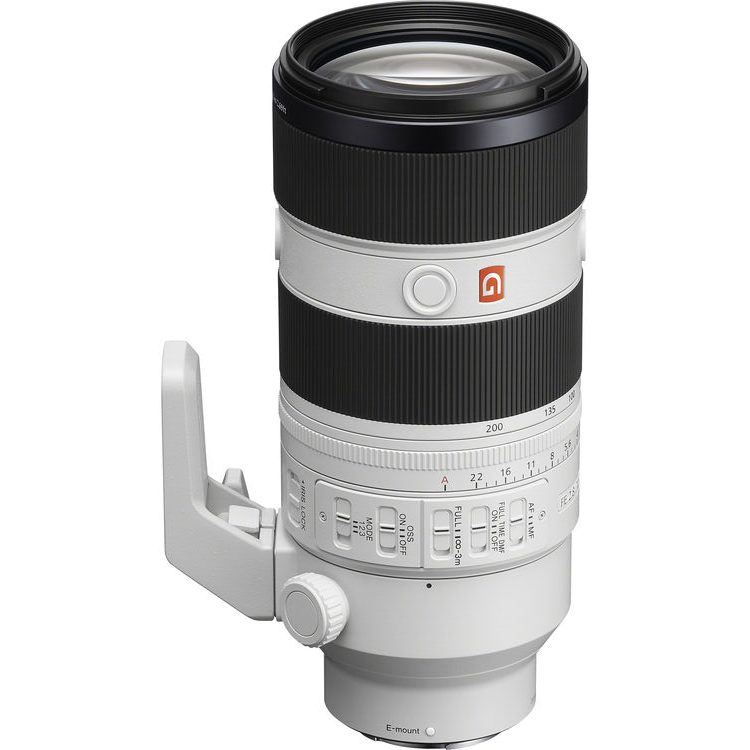
OSS II
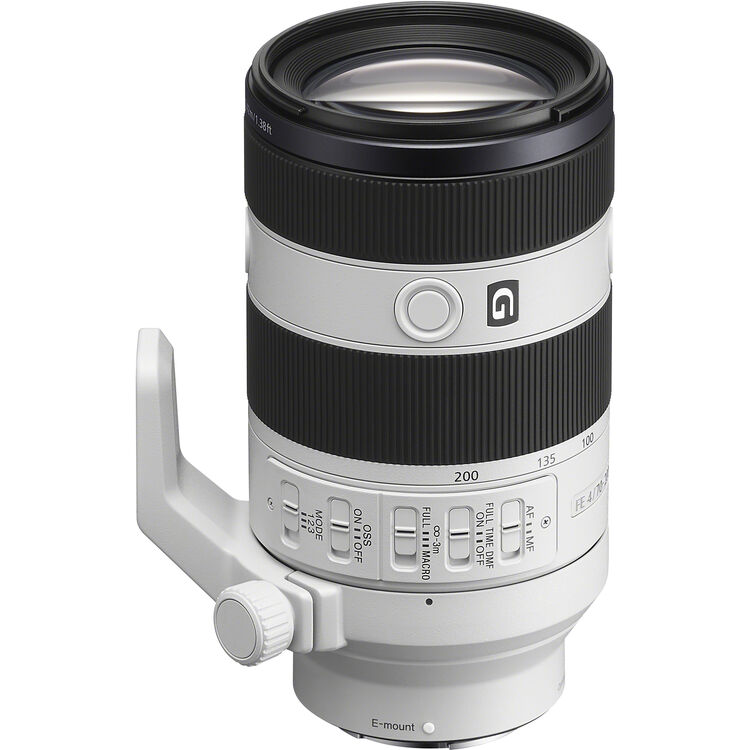
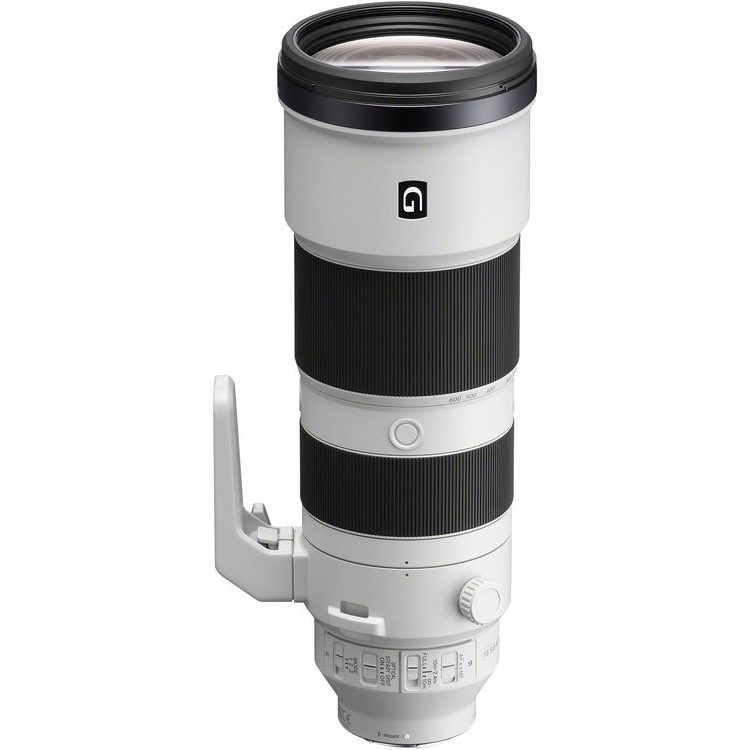
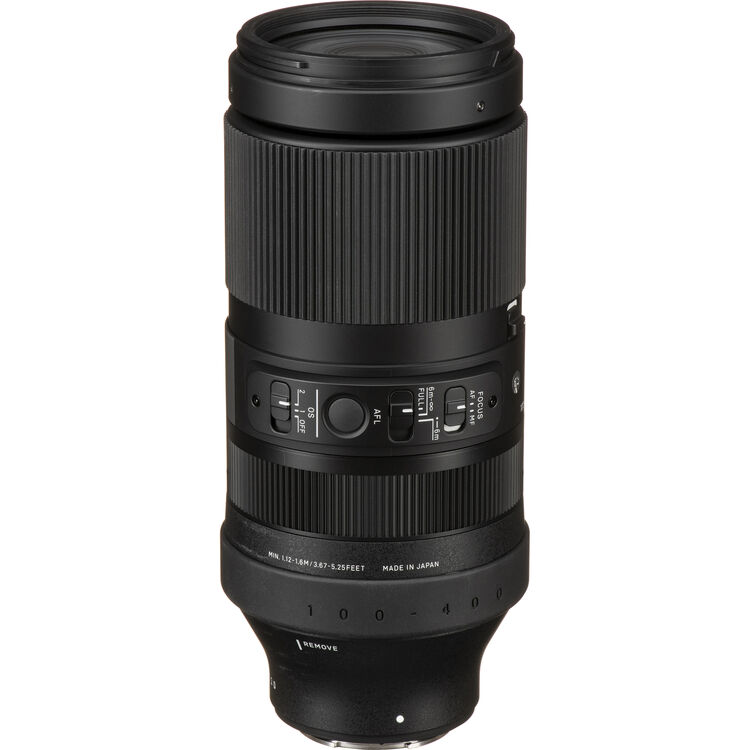
Sony FE 100-400mm F4.5 GM OSS (NEW) See the full breakdown above. The headline pairing for the a7R VI. Constant F4.5, internal zoom, teleconverter compatible, 3x faster AF. A professional telephoto zoom built for this camera. This is gonna be huge!
- Great for: Wildlife, birding, compressed landscapes, sports
- Price: ~$4,298
Sony FE 70-200mm F2.8 GM OSS II The standard-bearer for telephoto zooms in the E-mount system. Stellar sharpness, fast F2.8, and excellent autofocus make it a go-to for compressed landscapes, environmental portraits, and low-light telephoto work.
- Great for: Compressed landscapes, portraits, low-light telephoto, events
- Price: ~$3,098
Sony FE 70-200mm F4 Macro G OSS II The lighter alternative. Macro capability adds versatility, and the F4 aperture keeps the lens compact and manageable on long hikes. A strong choice when weight matters more than maximum aperture.
- Great for: Hiking, travel, macro details, weight-conscious kits
- Price: ~$1,698
- Value pick
Sony FE 200-600mm F5.6-6.3 G OSS The dedicated wildlife and birding lens in the E-mount lineup. 200-600mm reach with solid AF performance. Internal zoom keeps the balance stable. Less expensive than the new 100-400mm GM with more reach, though the variable aperture and larger size are tradeoffs.
- Great for: Dedicated wildlife and birding, birds in flight
- Price: ~$1,998
- Value pick for wildlife specialists
Sigma 100-400mm F5-6.3 DG DN OS Contemporary A budget-friendly 100-400mm option. Variable aperture, lighter build, and significantly less expensive than the Sony GM. Sharpness is very good for the price. A solid entry point for photographers exploring telephoto landscapes and wildlife.
- Great for: Budget telephoto work, travel, wildlife on a budget
- Price: ~$999
- Budget pick
Specialty and Creative Options
A few lenses worth knowing about for specific creative pursuits.
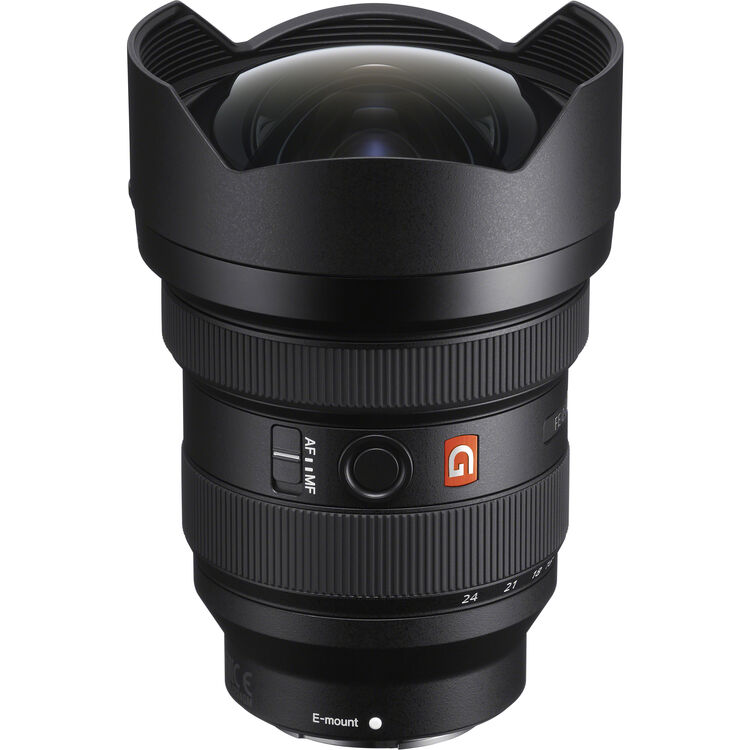
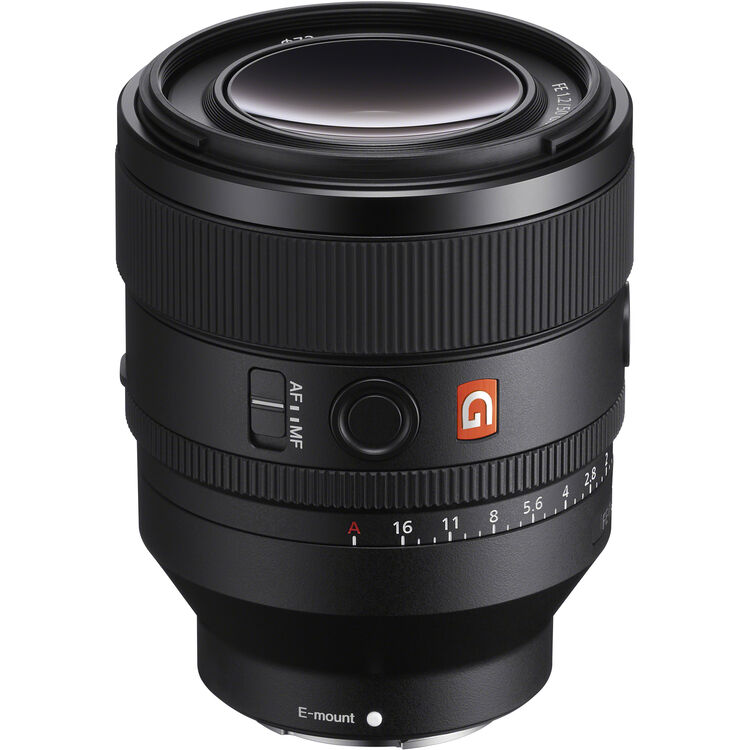
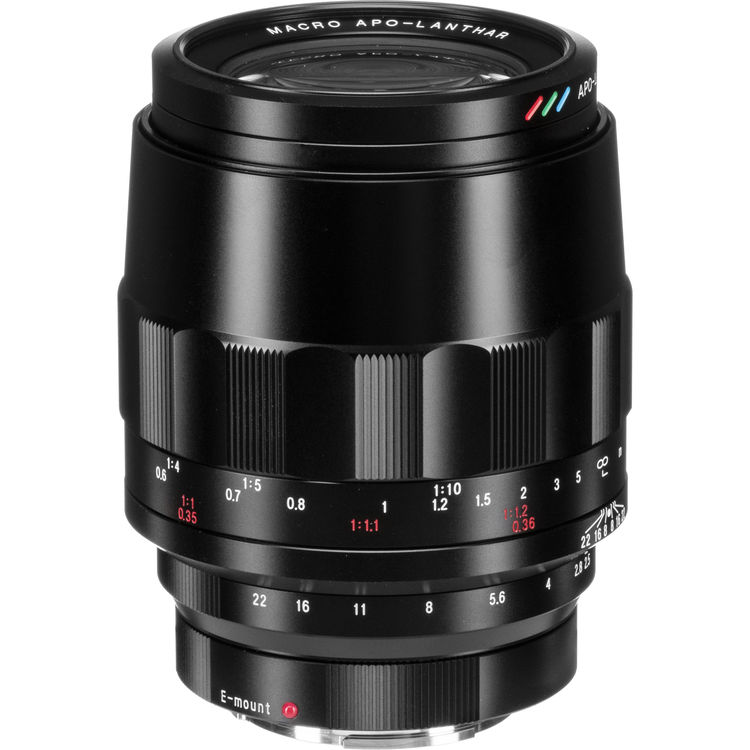
Sony FE 12-24mm F2.8 GM The widest F2.8 rectilinear zoom in the system. Extreme wide-angle perspective for dramatic foregrounds, architecture, and astro. Specialized, expensive, and exceptional at what it does.
- Price: ~$3,148
Sony FE 50mm F1.2 GM For environmental landscapes with selective focus, portraits on location, and low-light storytelling. The rendering at F1.2 on a 66.8 MP sensor produces files with striking depth and detail.
- Price: ~$2,198
Voigtlander 110mm F2.5 Macro Apo-Lanthar A manual focus macro lens with legendary sharpness and apochromatic correction. For detail-obsessed photographers who shoot rocks, plants, textures, and small scenes. The a7R VI’s EVF makes manual focus macro work a pleasure.
- Price: ~$799
Suggested Kits
Here’s where it all comes together. Four kits built around different priorities.
The Backpacker
Lightweight, versatile, capable. Every gram matters on the trail.
Wide prime for vistas and night sky. Telephoto zoom for ridgelines, compressed landscapes, and macro details. IBIS for handheld confidence. Total lens weight under 1.5 kg.
The Travel Photographer
One zoom that covers most situations, plus a telephoto for reach.
The 20-70mm handles 90% of travel shooting. The 70-200mm F2.8 adds low-light telephoto capability and portrait reach. Two lenses, massive range.
The Landscape + Wildlife Hybrid
For photographers who shoot mountains at sunrise and eagles by mid-morning.
Ultra-wide for foregrounds and dramatic skies. The new 100-400mm for wildlife, compressed landscapes, and distant details. Add a 1.4x teleconverter for 560mm reach when you need it. This is the kit the a7R VI was designed for.
The “Do Everything” Professional
No compromises. Full coverage from ultra-wide to super-telephoto with top-tier glass.
16-200mm covered with the best optics Sony makes. Suitable for commercial assignments, editorial work, and personal projects where you want every focal length at its best.
The Budget-Smart Starter
High performance without the premium price tags. Third-party glass pulls its weight here.
- Sony a7R VI
- Tamron 17-28mm F2.8 Di III RXD
- Tamron 28-75mm F2.8 Di III VXD G2
- Sigma 100-400mm F5-6.3 DG DN OS Contemporary
17-400mm of coverage, all F2.8 or faster through the mid-range, for under $3,000 in glass. That leaves room in the budget for a solid tripod, filters, and CFexpress cards.

Build Your System With Purpose
A 66.8 MP sensor paired with the right glass produces files that hold up at any print size. The wrong glass wastes those pixels.
Start with the focal lengths you use most. Build around your actual shooting style, not a spec sheet. A single great lens on the a7R VI will produce better results than three mediocre ones.
We’ll be testing these pairings as we get hands-on time with the a7R VI. Stay tuned!
In the meantime, check out our full a7R VI breakdown: Sony a7R VI: The R Series Grew Up

Luminous Landscape has been helping photographers grow for over 30 years. For $24 a year, you get access to three decades of tutorials, how-to guides, and interviews with photographers who’ve mastered their craft. Join thousands of photographers improving their work every day.
Join us: luminous-landscape.com/register/yearly-membership/
Questions about building your kit? Email us at [email protected]

Elevate Your Vision


Read this story and all the best stories on The Luminous Landscape
The author has made this story available to Luminous Landscape members only. Upgrade to get instant access to this story and other benefits available only to members.
Why choose us?
Luminous-Landscape is a membership site. Our website contains over 5300 articles on almost every topic, camera, lens and printer you can imagine. Our membership model is simple, just $2 a month ($24.00 USD a year). This $24 gains you access to a wealth of information including all our past and future video tutorials on such topics as Lightroom, Capture One, Printing, file management and dozens of interviews and travel videos.
- New Articles every few days
- All original content found nowhere else on the web
- No Pop Up Google Sense ads – Our advertisers are photo related
- Download/stream video to any device
- NEW videos monthly
- Top well-known photographer contributors
- Posts from industry leaders
- Speciality Photography Workshops
- Mobile device scalable
- Exclusive video interviews
- Special vendor offers for members
- Hands On Product reviews
- FREE – User Forum. One of the most read user forums on the internet
- Access to our community Buy and Sell pages; for members only.
You may also like