


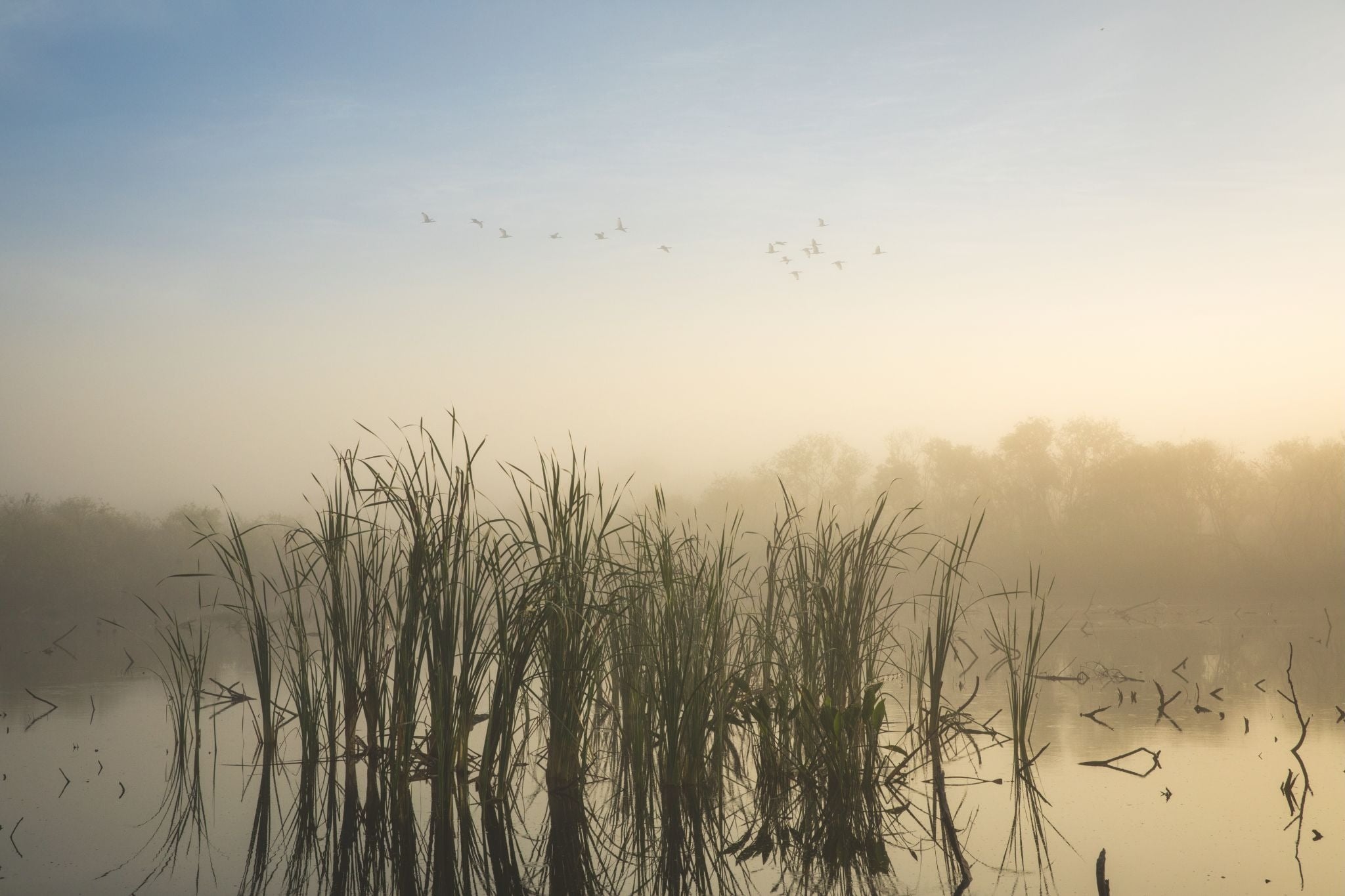


“The swamp will change you, I promise.”
He’s said it before, in his TED Talk that’s been viewed over a million times, and he says it again in our conversation – it’s still the truest thing to him.
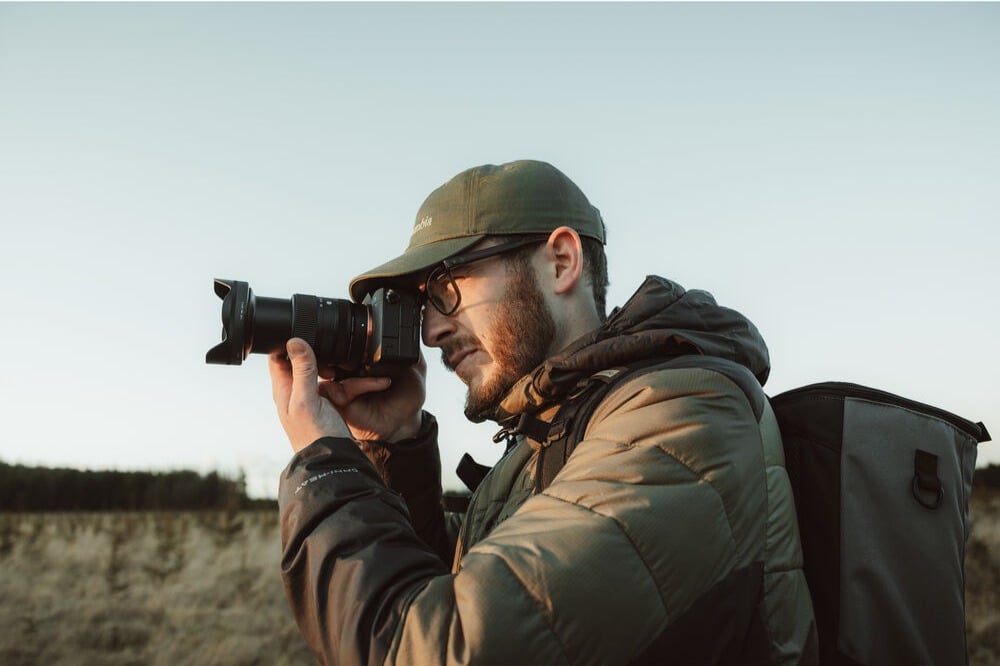
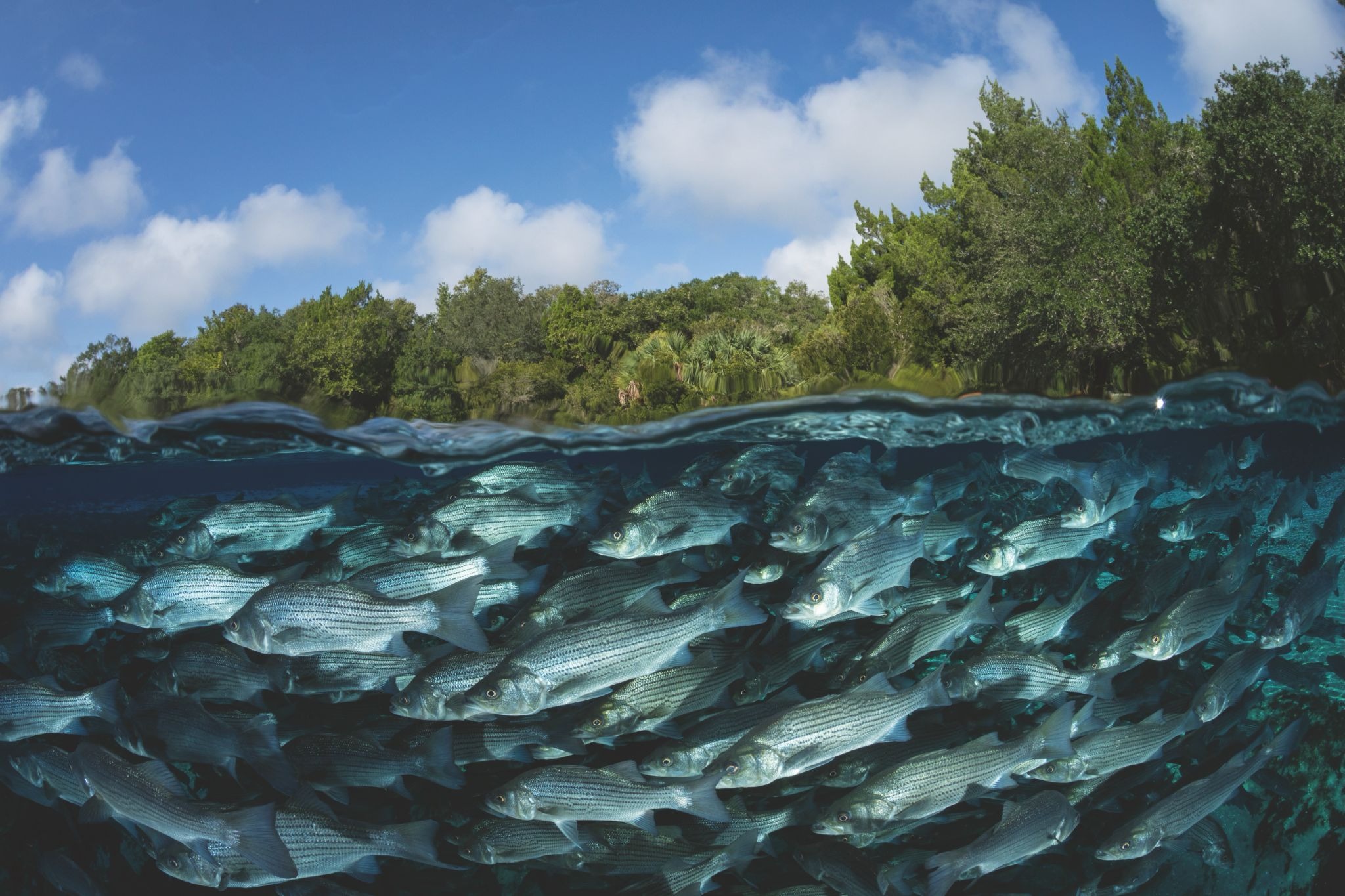
Stone is a National Geographic Explorer and photographer who has spent his career convincing people that some of the most extraordinary places on earth are sitting in their own backyard. His new book, American Amazon, and an upcoming IMAX film of the same name, both make the case for the wetlands and old growth swamps of the American Southeast.
We sat down with him to talk about the work, the process behind it, and why he thinks the swamp deserves a second look.
From Field Biologist to Storyteller
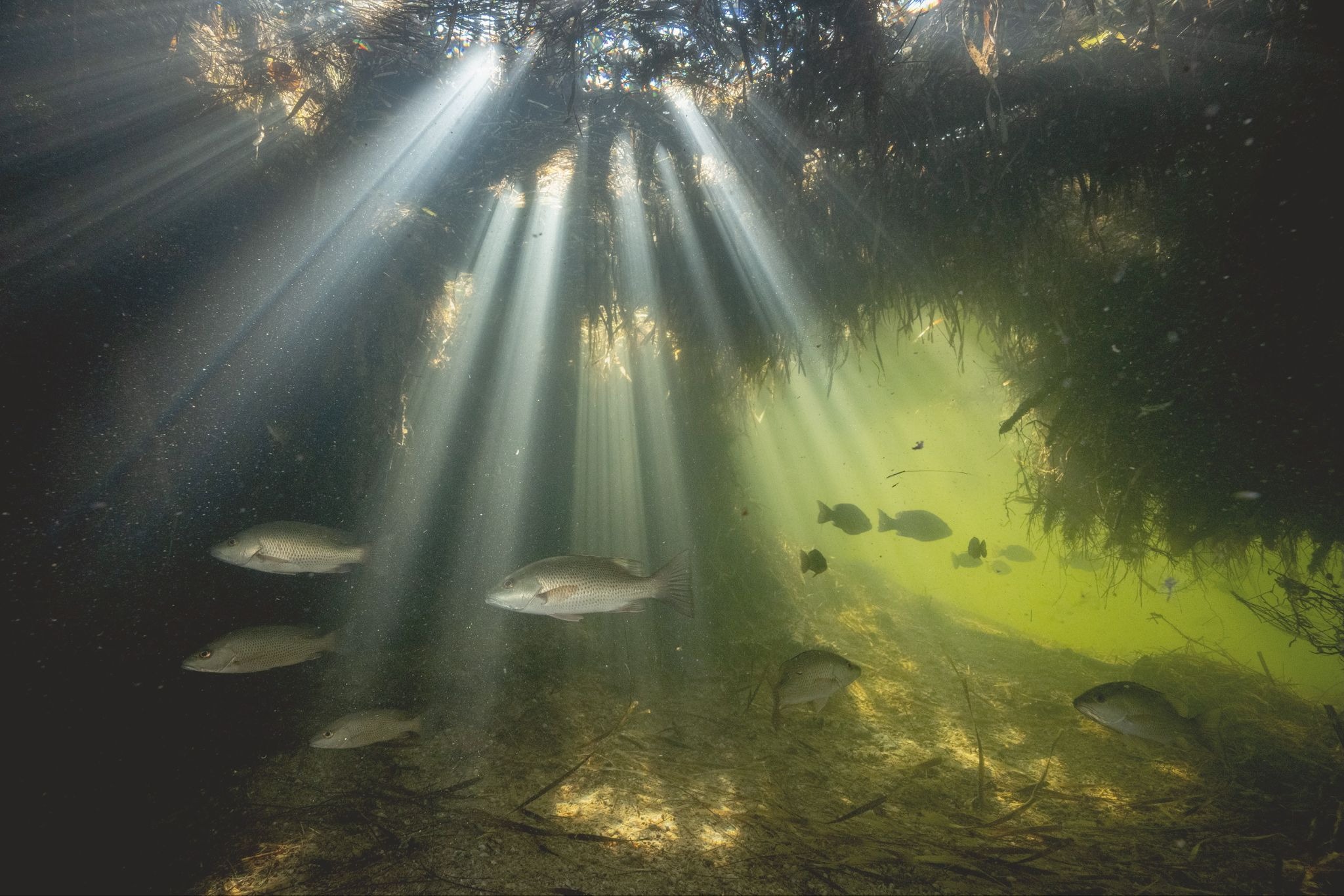
Stone grew up in Gainesville, Florida, the youngest in a military family that moved around before settling in North Central Florida. While other kids saw cypress swamps as something to avoid, Stone saw them as the place to play.
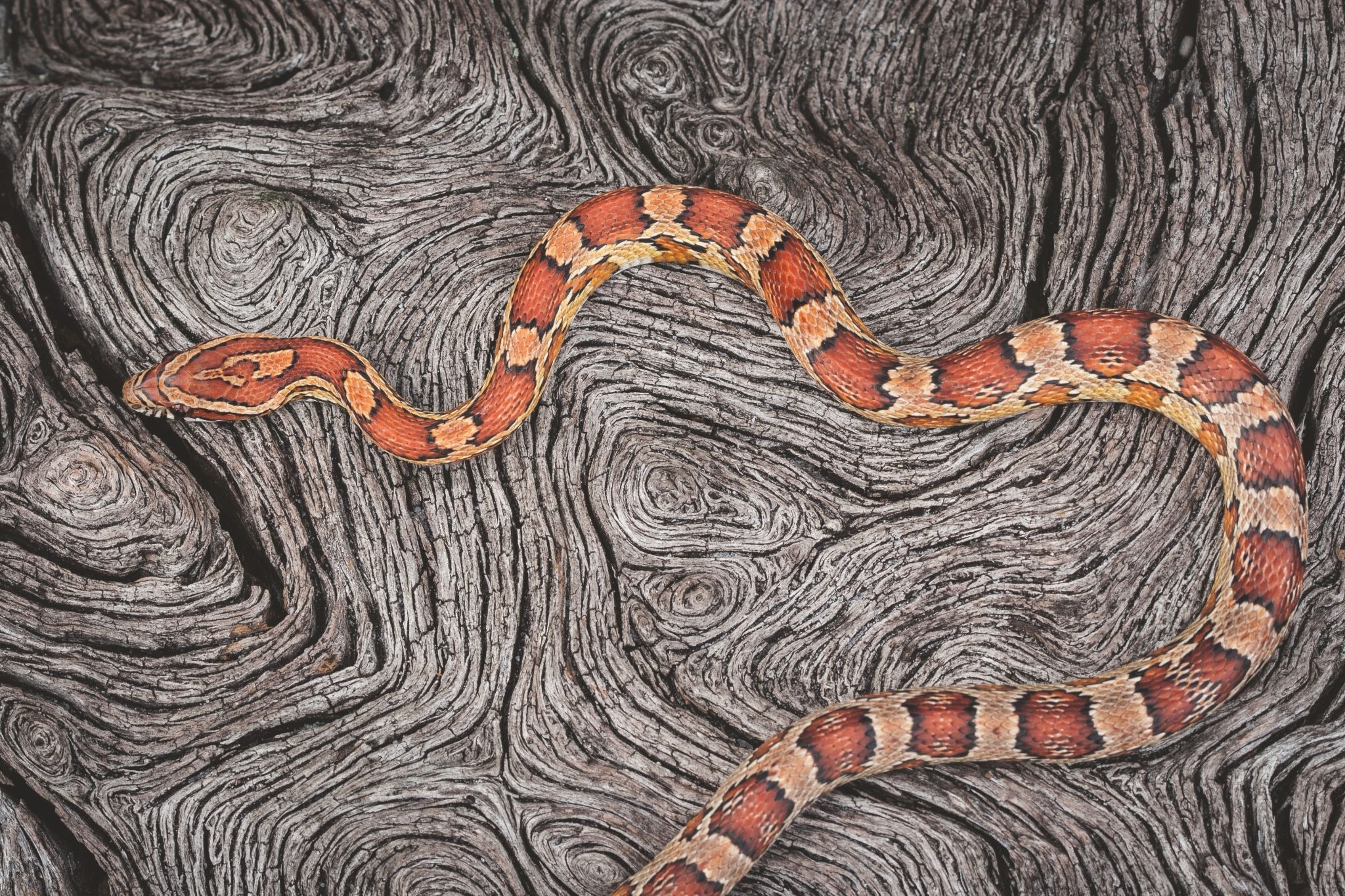
“It wasn’t like you have to be afraid all the time or that this is foreign or different,” he told us. “That’s just what I grew up knowing. You know to look out for copperheads and cottonmouths, you know to keep your eyes out for gators, but you just have this kind of awareness that this is normal. This is what you’re used to.”
That comfort with nature became the foundation for everything that followed. He studied biology and environmental science in college, thinking he might become a veterinarian, then took experiential jobs as a field biologist and naturalist after graduating. The science background still shapes how he sees through the lens.
“I’m shooting these things because this is what pulls me to photograph,” he said. “I went to college in the mountains of The Blue Ridge, and I was never drawn to waterfalls and rhododendrons. It just didn’t speak to me, at that time. I would jones to get back to the swamps in low country.”
A Process Built on Patience
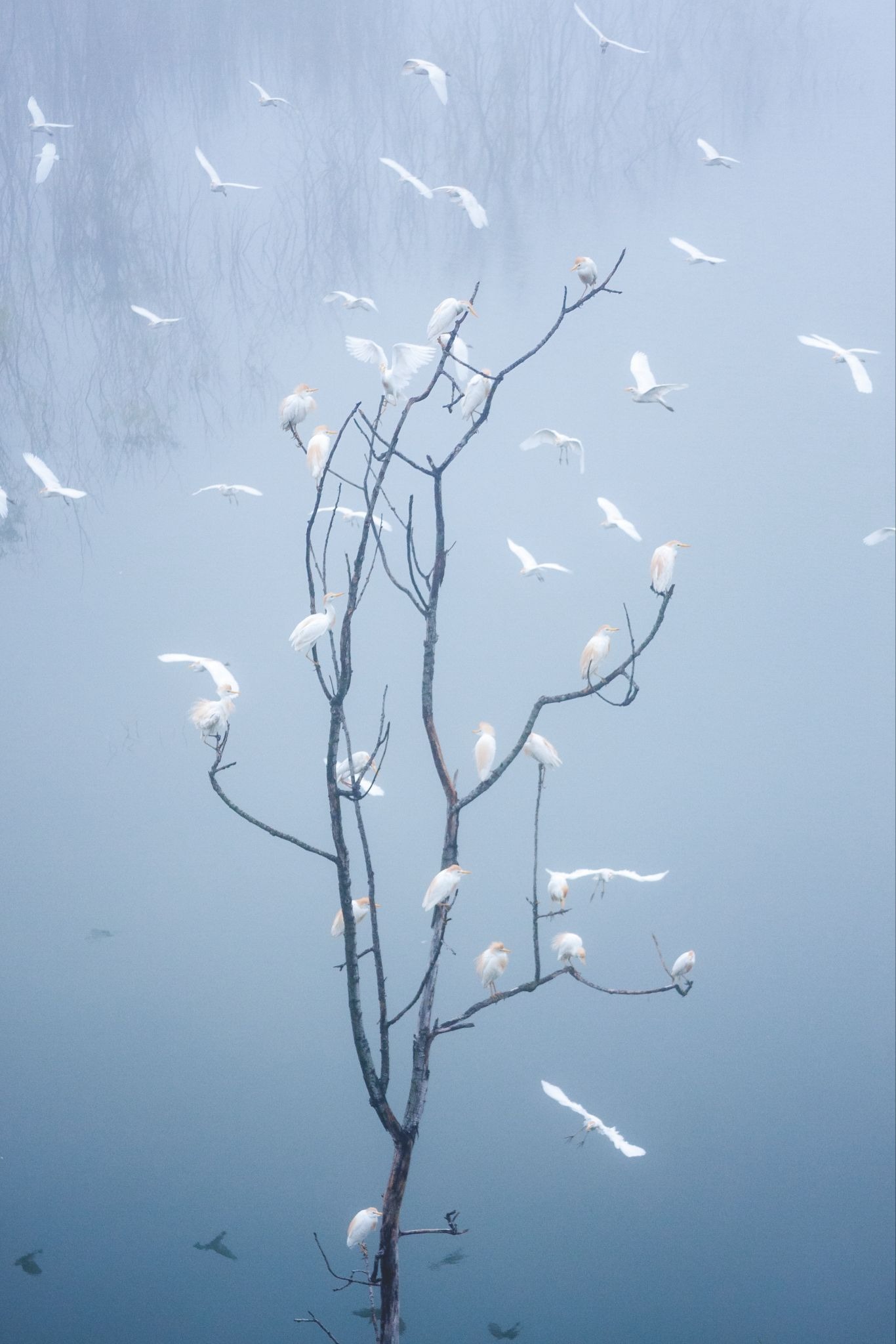
Ask Stone how he gets the shot, and you won’t hear so much about luck. You’ll hear about flight plans, pilots, and entire days were spent on a single frame.
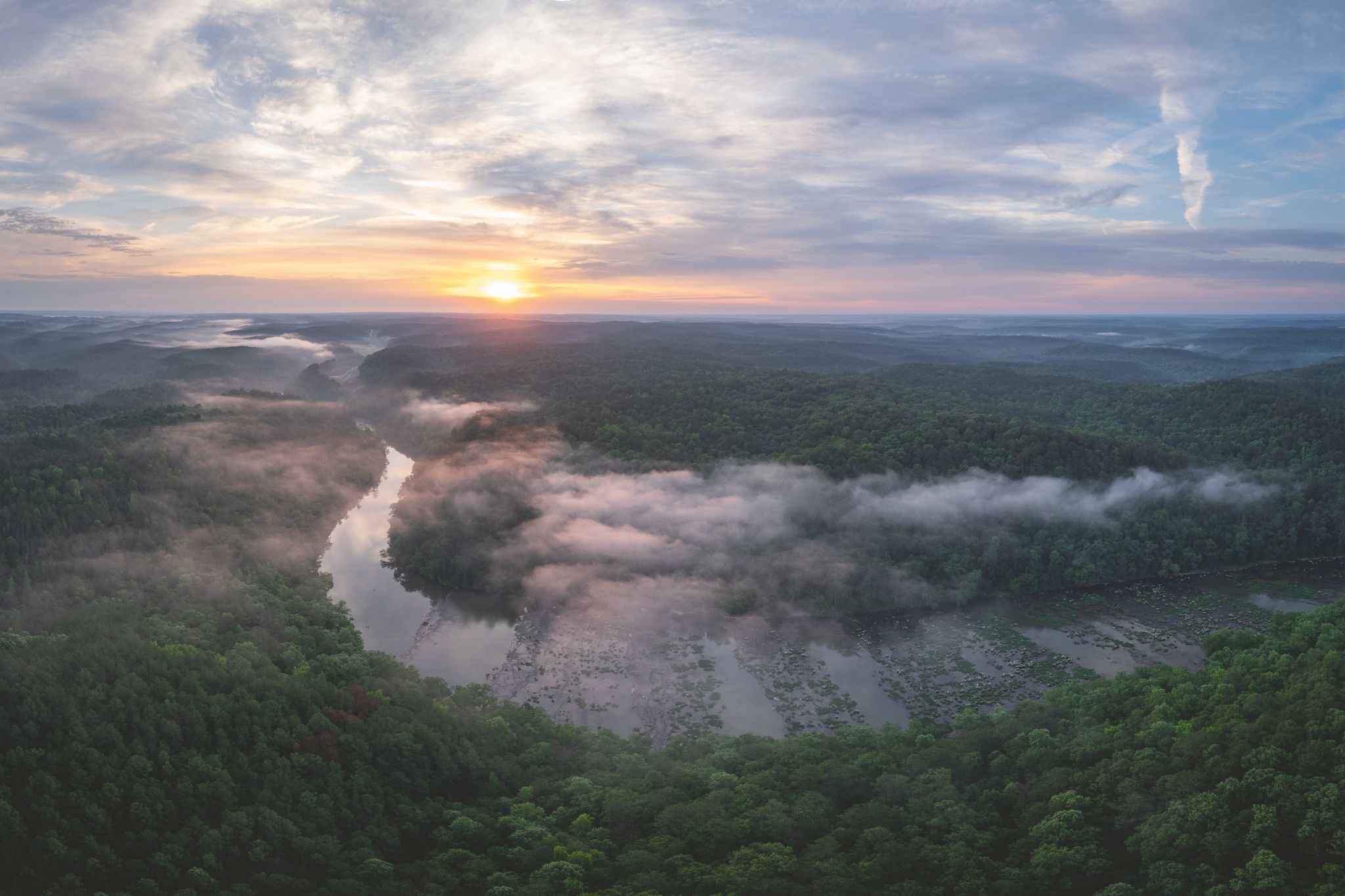
For one image in American Amazon, an aerial of the Mobile Bay Basin where tannic blackwater rivers meet clay-colored Piedmont rivers, he hired a pilot and circled the area for three days waiting for the light.
“I know what I want,” he told the pilot. “We’re gonna do it till it’s right.”
On the same assignment, he set out to photograph pitcher plants in a way he’d never seen before, against a white background instead of the usual landscape framing. He spent an entire day on it. “Much to the dismay of the editor, who’s like, ‘Now, you know, this is a full day, you need a lot more deliverables,'” he laughed. He shot 26,000 frames on that single assignment and walked away with a handful he loved.
“My process is visualizing ahead of time and then executing on that, rather than hoping I get lucky to find something in the field that I can respond to,” he said. “I try to be more proactive.”
Still – he is very much open to discovery. Personal projects give him the freedom assignments don’t. “On assignment, you have to deliver. You don’t get the added budget to say, ‘Oh sure, go spend another week.’ That’s only on personal projects.”
For American Amazon, that freedom let him chase the images that mattered most to him, even if it meant going back again and again.
The Last 10,000 Acre
American Amazon looks at the Southeast as a biodiversity hotspot. His other upcoming book, Cypress: The Last Old Growth Swamps, zooms in on something even rarer: the handful of ancient cypress forests still standing.
The numbers are staggering. Of the 40 million acres of old growth that once covered the Atlantic Coastal Plain, about 10,000 acres remain. Less than one tenth of one percent.
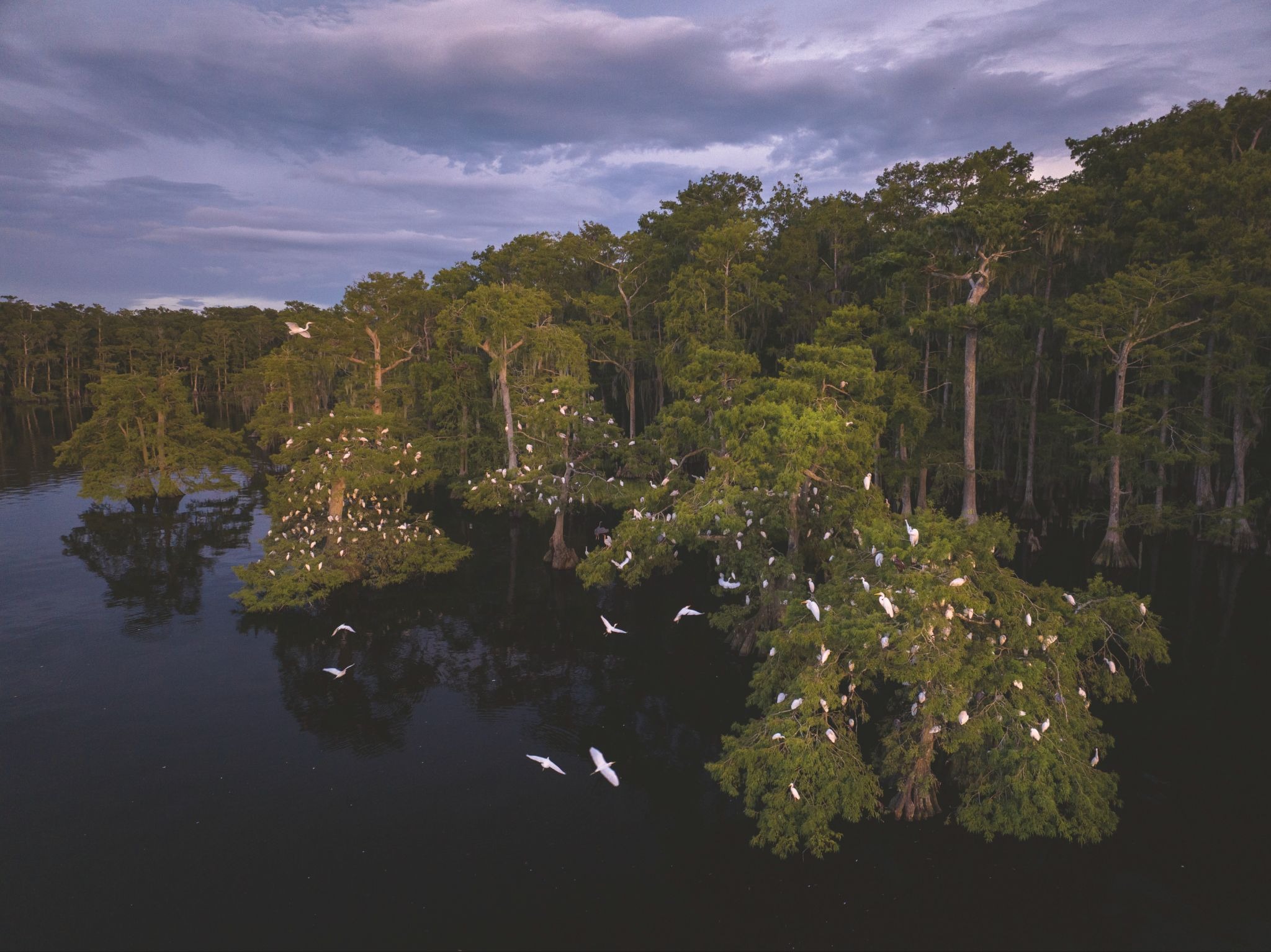
Stone counts them on one hand: the Black River in North Carolina, Beidler Forest in South Carolina, a small pocket in Congaree National Park, Corkscrew Swamp in Florida, and Bayou De View in Arkansas.
“Everything else was just clear cut,” he said. “Now you have what’s called cull trees, single trees that are hollow and big and old, but everything else around them was cut at one point.”
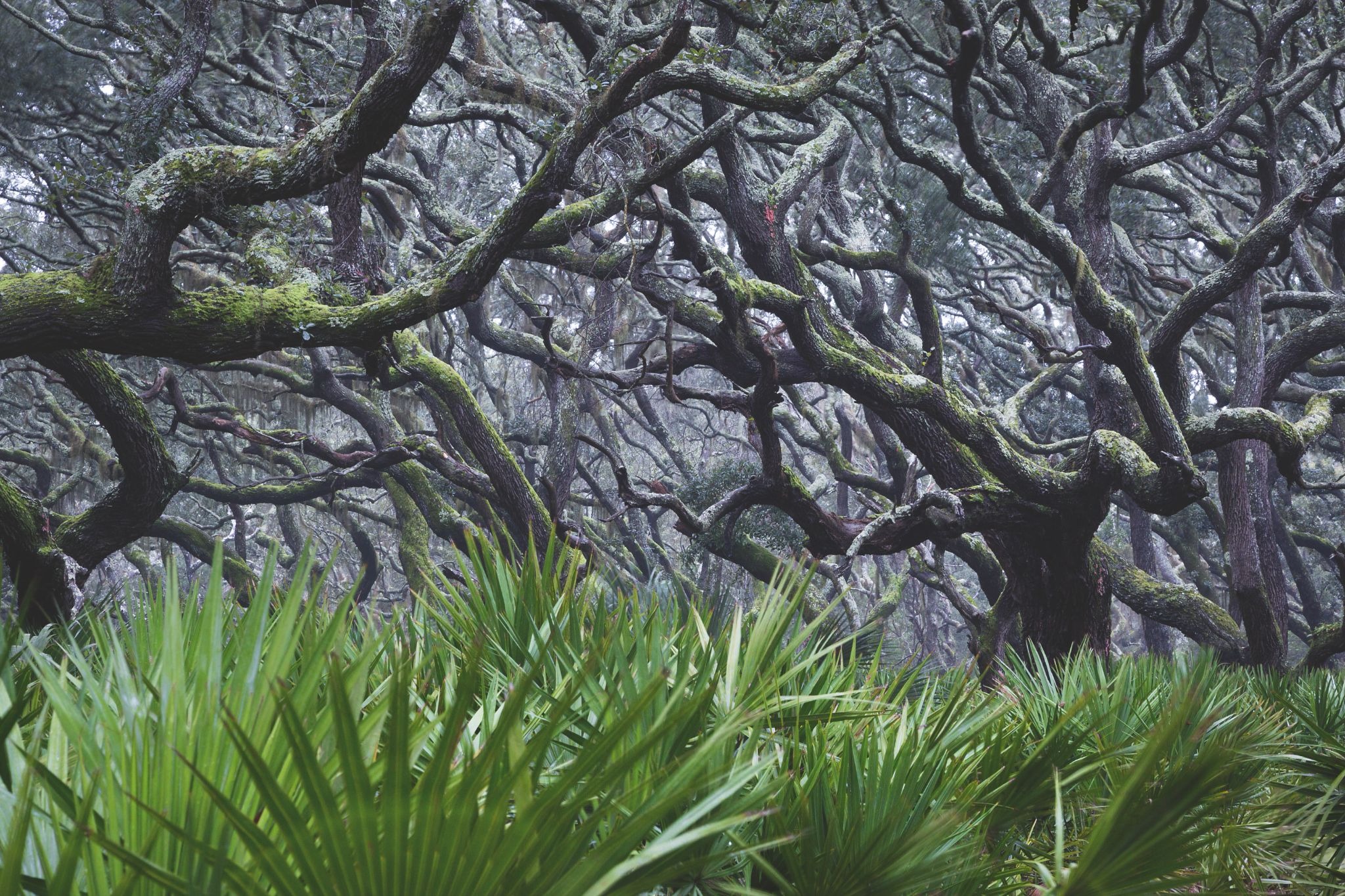
What changed everything for Stone was his first visit to Beidler Forest, a 1,700 acre stand of ancient cypress and tupelo. “An old growth swamp is just a world apart from a secondary forest. It just looks different. Life is everywhere. The trees are old. You have clear understory.”
He talks about these places having “ancient rhythms,” biological patterns that simply don’t exist anymore in disturbed land. Congaree’s synchronous firefly display, where thousands of Photuris frontalis fireflies pulse in unison every May, depends on soil that has never been disturbed. In Corkscrew Swamp, black bears use the same rub trees their ancestors used for generations.
A Photograph That Rewrote the Textbooks
One story from the conversation stands out as a reminder of what’s possible when curiosity meets a camera. For decades, scientists believed the giant sphinx moth, a moth as big as your hand with a proboscis to match, was the only pollinator capable of reaching the ghost orchid’s long nectar spur.
It was in the textbooks as settled science.
Stone wanted one photograph: the giant sphinx moth pollinating a ghost orchid, fifty feet up in an ancient cypress canopy. Working with orchid specialist and tree climber Peter Houlihan, he rigged cameras with strobes and infrared sensors high in the canopy of a Florida swamp.
What they found rewrote the textbooks.
The giant sphinx moth wasn’t the pollinator at all. It was a nectar thief, with a proboscis so long it could rob the flower without doing any of the real work. The real pollinator turned out to be an entirely different moth species.
“It was one of those crazy things where science and photography intersect,” Stone said. “Usually it’s the other way around, I’m inspired by science to make images that communicate what science has discovered. In a very rare instance, you can actually inform science with photography.”
The full story is told in a short film by Grizzly Creek Films called Chasing Ghosts.
From Pages to IMAX
That same Grizzly Creek connection led to the next chapter of this project: an IMAX film, also called American Amazon, premiering in Atlanta this November.
The collaboration started after Stone crossed paths with director Eric Bendick and executive producer Tom Winston while they were working on Carlton Ward’s Path of the Panther. At the time, Stone was deep into the ghost orchid project, which intersected with Ward’s own work. Grizzly Creek made a short film about that overlap, and the relationship grew from there.
“We started talking about, well, maybe there’s a bigger film here that’s outside of just old growth, but expands the lens to look at the American Southeast,” Stone said.
The result pulls together threads from across his career: swallowtail kites, fireflies, old growth cypress, and the people who study them. Underwater photographer Dave Herasimtschuk, who works on hellbenders and other aquatic species, researcher Gina Kent, who studies swallowtail kites, and dendrochronologist Dave Stahle all appear as guides into these ecosystems.
Stone serves as a producer on the film, and the team is already back together and hard at work on a new IMAX film about the Everglades.
He admitted the shift to film has been an adjustment. His first love is still the still image. “Something about a single still is just really captivating to me,” he said. But he’s come to appreciate what a film crew offers that solo photography doesn’t: “It’s much more of a team effort. You’re working with really talented cinematographers and directors, and you’re imagining a meaningful sequence and bringing that to film. It’s all hands on deck. Many hands make lighter work.”
Why It Matters
Underneath all of it, Stone keeps coming back to one idea. The Southeast doesn’t need to be Iceland or Patagonia or Madagascar to matter.
He described a recent assignment in Madagascar, the kind of trip most natural history photographers dream about. It was wonderful. But it didn’t tug at his heartstrings the way shooting in Alabama did — a place most people, even people from the South, don’t think of as a biodiversity hotspot.
“I’m not going to go to the Rockies and Moab and Zion and make images that are going to completely change how people feel about those places,” he said. “Those places have been photographed so much. But if I’m showing new frames of Alabama, people don’t think of that as an ecotourism destination. That’s where the opportunity is, how you can change people’s perceptions about the world through photographs and story.”
His advice for anyone wanting to follow a similar path isn’t really about following at all.
“It doesn’t work following in people’s footsteps,” he said. “What works is carving your own path that’s primarily fueled by your own interests. You have to be very stubborn and very committed to the way you see and interpret the world.”
In the Field
For anyone inspired to head out to the swamp with a camera, Stone’s practical advice is pretty simple. Skip the bug spray (he hasn’t used it since 2009) and wear long sleeves instead. Don’t be precious about your gear. “The camera is a tool. It’s meant to be used. Your camera shouldn’t prevent you from making a photo. It should enable you to make a photo.”
On equipment, he’s brand agnostic. He’s shot Canon for years and currently has Nikon and Sony bodies too. Some of his most celebrated images came from camera bodies that are long obsolete now. “I never put any stock into equipment in terms of caring about a brand. It doesn’t matter what camera you use as long as you put it in the right place at the right time and get the right perspective.”
Under the cypress canopy, he sometimes relies on two speedlights with softboxes to fill in detail when the light gets uneven, and treats golden hour the same way any landscape photographer would, working the early morning and late evening light, then switching to wide angle close-ups of wildlife as the day brightens.
And when it comes to where to go, his answer is the same one he’s been giving for years. You don’t need a passport. You need to go outside, be open to what you find, and give it time.
“The swamp will change you,” he said. “I promise.”
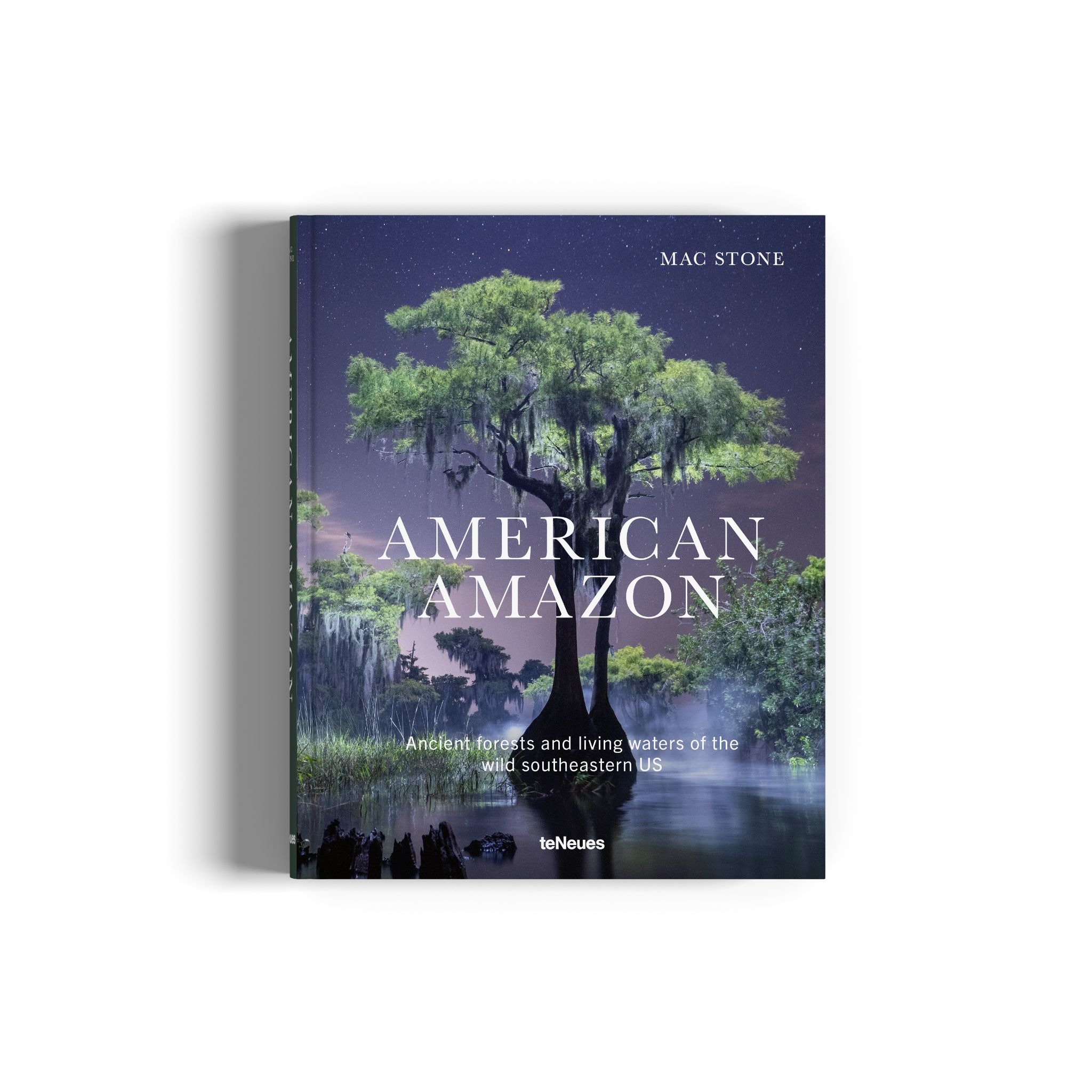
American Amazon, published by Gestalten, is available now. The American Amazon IMAX film premieres in Atlanta in November.
Elevate Your Vision


Read this story and all the best stories on The Luminous Landscape
The author has made this story available to Luminous Landscape members only. Upgrade to get instant access to this story and other benefits available only to members.
Why choose us?
Luminous-Landscape is a membership site. Our website contains over 5300 articles on almost every topic, camera, lens and printer you can imagine. Our membership model is simple, just $2 a month ($24.00 USD a year). This $24 gains you access to a wealth of information including all our past and future video tutorials on such topics as Lightroom, Capture One, Printing, file management and dozens of interviews and travel videos.
- New Articles every few days
- All original content found nowhere else on the web
- No Pop Up Google Sense ads – Our advertisers are photo related
- Download/stream video to any device
- NEW videos monthly
- Top well-known photographer contributors
- Posts from industry leaders
- Speciality Photography Workshops
- Mobile device scalable
- Exclusive video interviews
- Special vendor offers for members
- Hands On Product reviews
- FREE – User Forum. One of the most read user forums on the internet
- Access to our community Buy and Sell pages; for members only.
You may also like