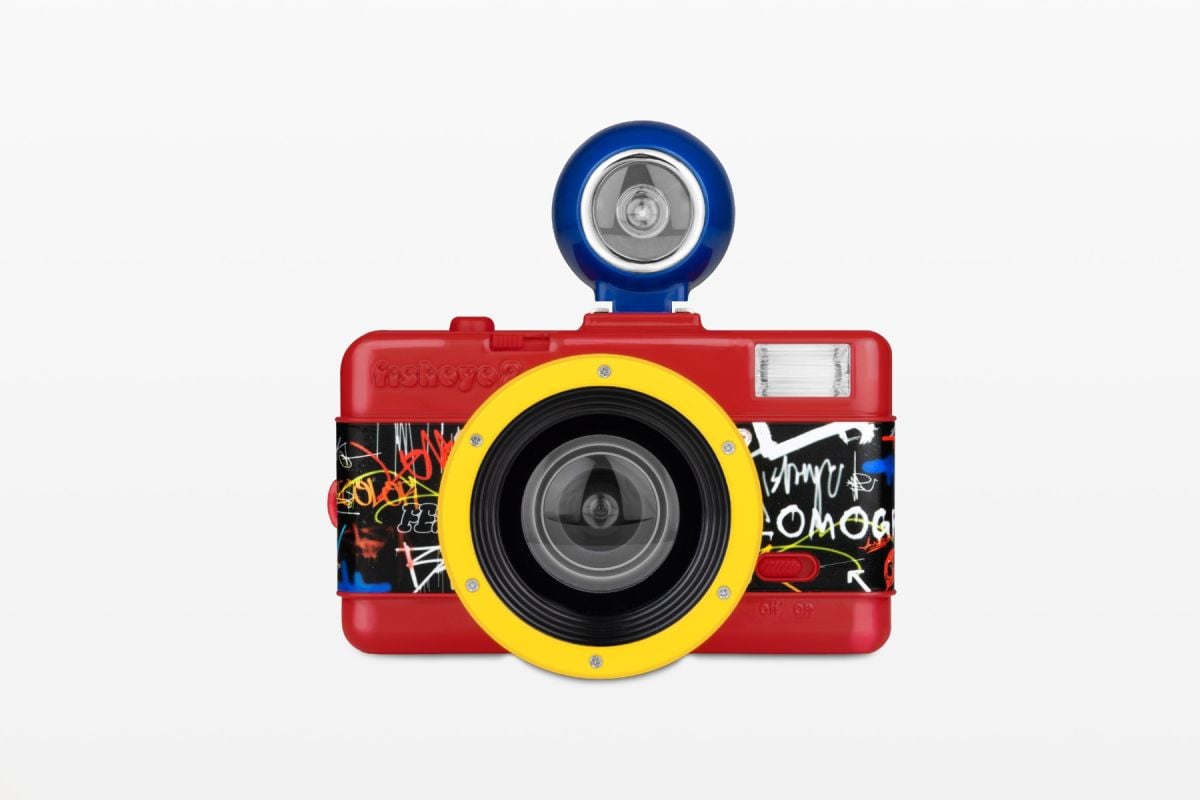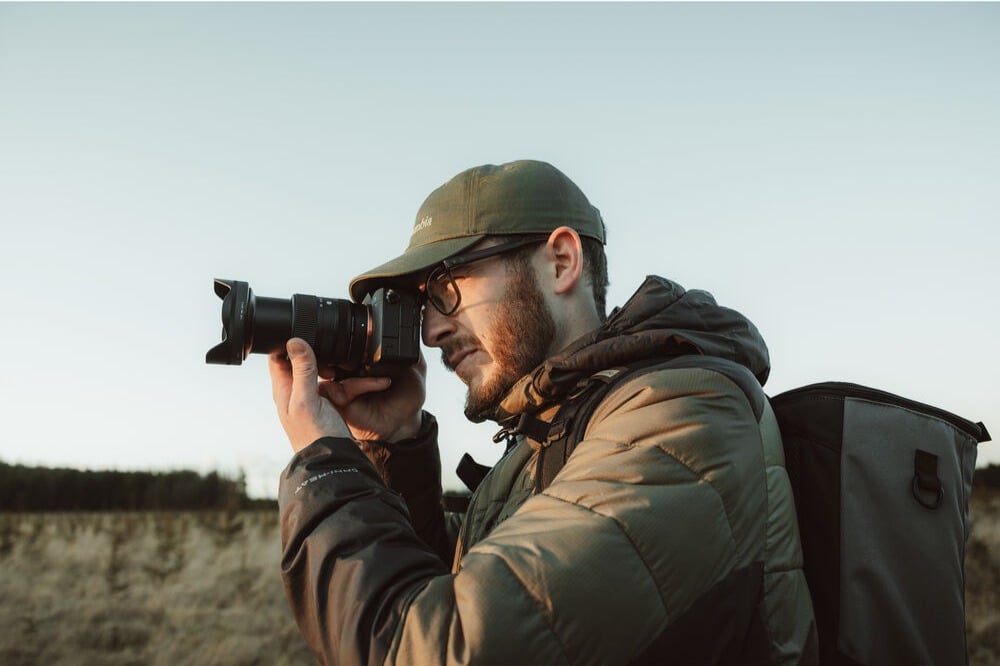




Whenever I travel, I always wage an internal battle: how much effort do I devote to capturing the tourist attractions versus the place versus the photos of ‘us’? Folks at home want to see the touristy things, and they want to see the selfies and family pics, but frankly, my preference is for capturing “the essence of place”, the authentic place, the place that exists outside of the tourist realm. The living place that tourists will walk through yet rarely take notice of.
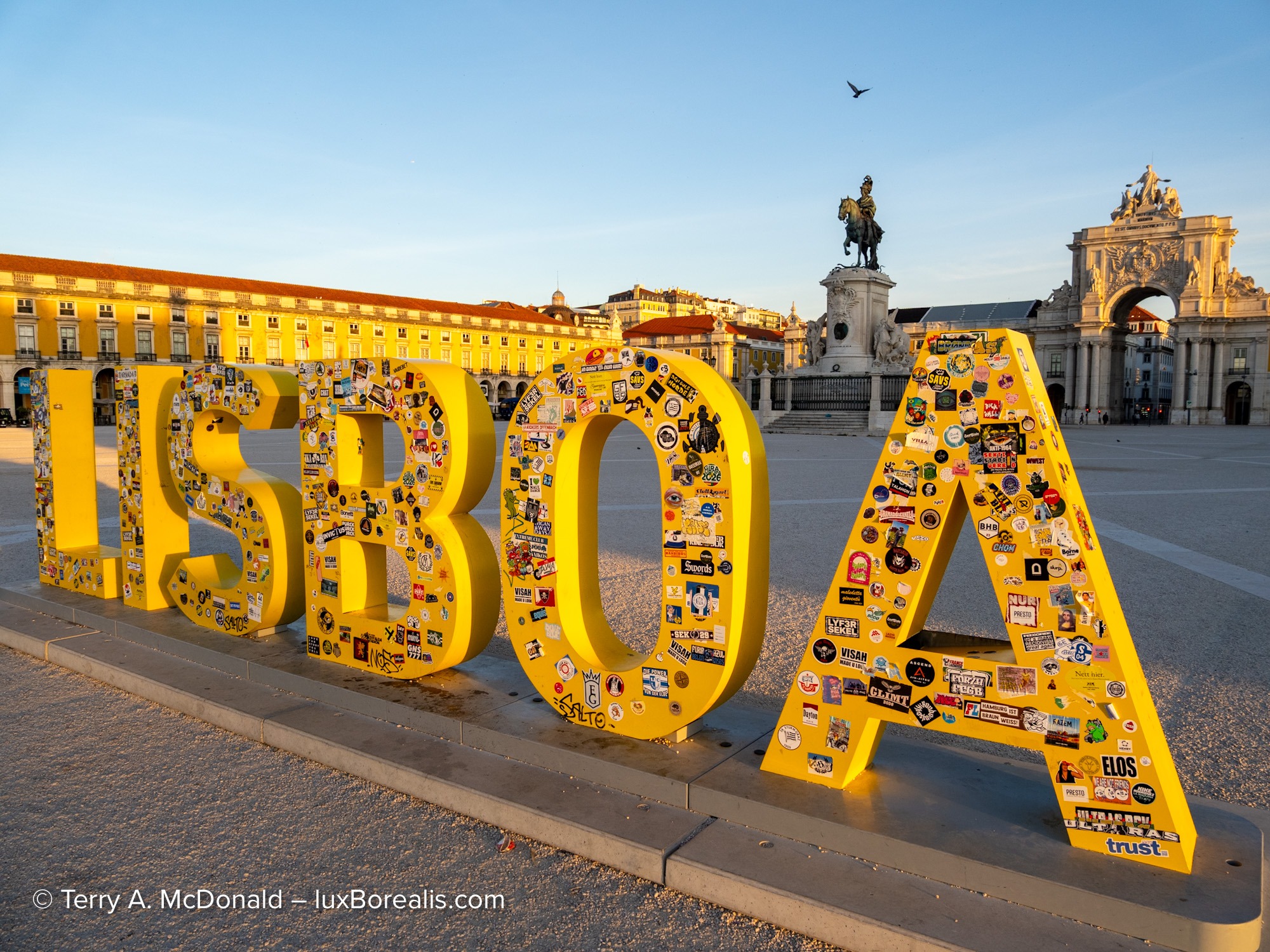
OM-1 w/M.Zuiko 12-100mm/4 PRO at 12mm (24mm efov), ƒ5.6 @ 1/320, ISO 200, Lightroom
7:36am in Praço do Comércio, Lisbon. What do you do when you have a day to kill and great sunshine. Even if it seems touristy, a photo like this is ideal for book cover or section divider.
While in Lisbon, recently, this was put to the test. We visited the Castel Sao Jorge, Belem Tower (no photos, it as closed for repairs), the Monument of the Discoveries (or the “Monument to Colonial Decimation and Self-Enrichment”, depending on your understanding of history), the Jerónimos Monastery, and various other historical and touristic places, but I have few memorable photos of them.
It all started for us in the centre: Praço do Comércio, right ‘downtown’ on the Tagus River waterfront. At sunrise, still bleary-eyed from our overnight flight, which arrived before 6am.
After a coffee and the required Pastel de Nata, we caught our Bolt (European Uber) and had him drop us at the Praço just as the golden glow of sunrise cut its way across the open, empty square. Although our rental apartment was just a block away, it wasn’t available until later than afternoon, so, with two checked bags, two carry-ons, and two daypacks (we were in Europe for a month), we weren’t going far. For me, this was a good thing as what better way to get to know the “real place” then to spend some time in it, at first light, with few tourists in sight.
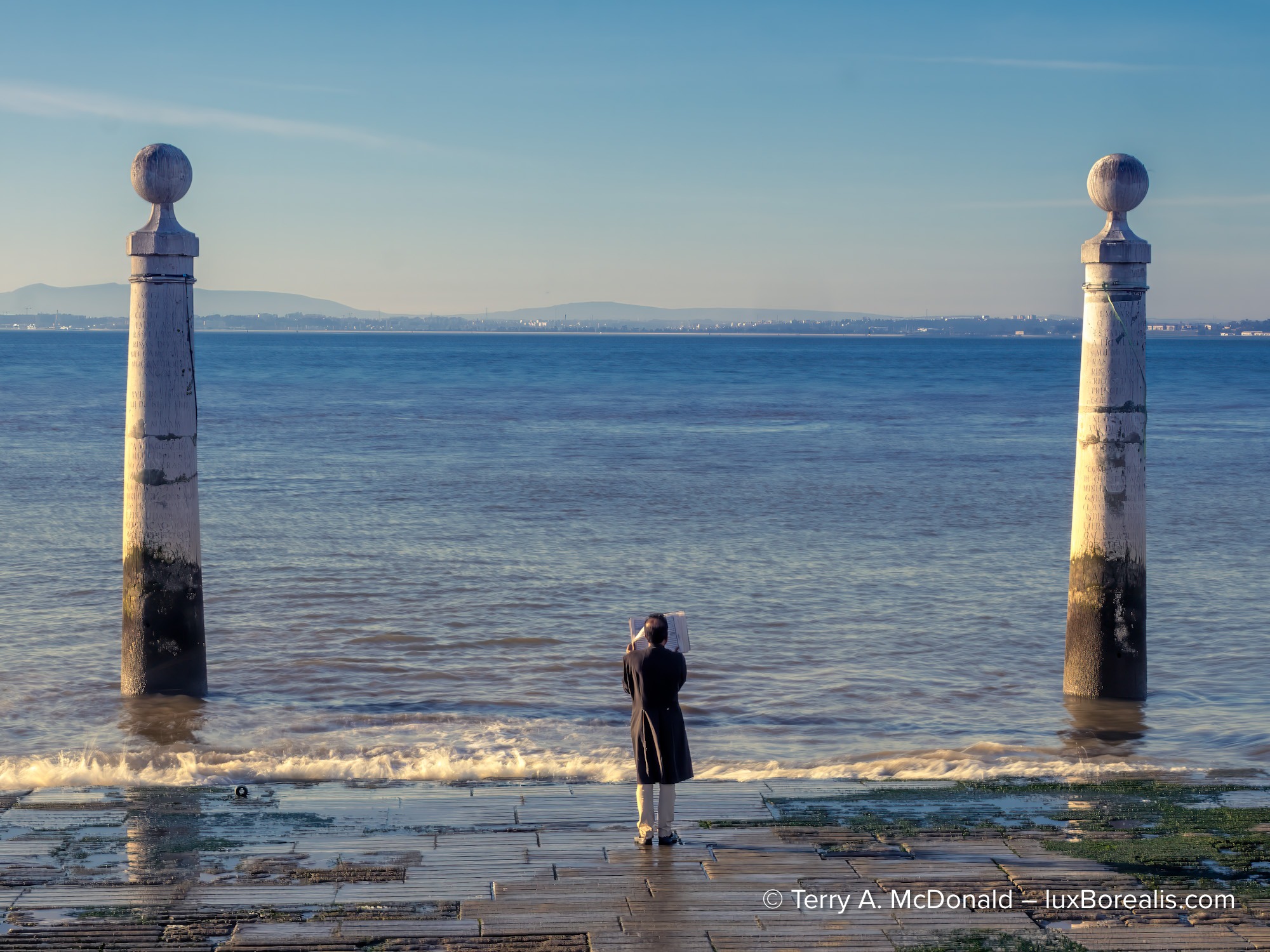
OM-1 w/12-100mm at 34mm (68mm efov), ƒ16 @ 1/6sec., Live/ ND, ISO 200, Lightroom
8:24am; While down along the sea wall, this fellow appeared with his musical score or text and began singing while facing the water. It seemed strange and I’ve found no explanation for it anywhere. I specifically used Live ND and was hoping to catch more wave action, but I was forced into a trade-off as I also wanted to keep the man relatively sharp.
Mass tourism has spawned a rushed, tick-box approach to “must-see” the “top 10”, leaving little time to really get to know a place. It’s one of the reasons we prefer self-booking or excursions to organized tours, and rental apartments to hotels. When you have a fridge to stock, even for a few days, you get out into the real world of grocery stores, markets, green grocers and bakeries. You follow side streets and go down alleyways off the beaten track rather than following a direct line from hotel to coach to tourist attraction and back again. Dining for us is a casual meal made ‘in-house’, an adventure with street food, or a small, local restaurant.
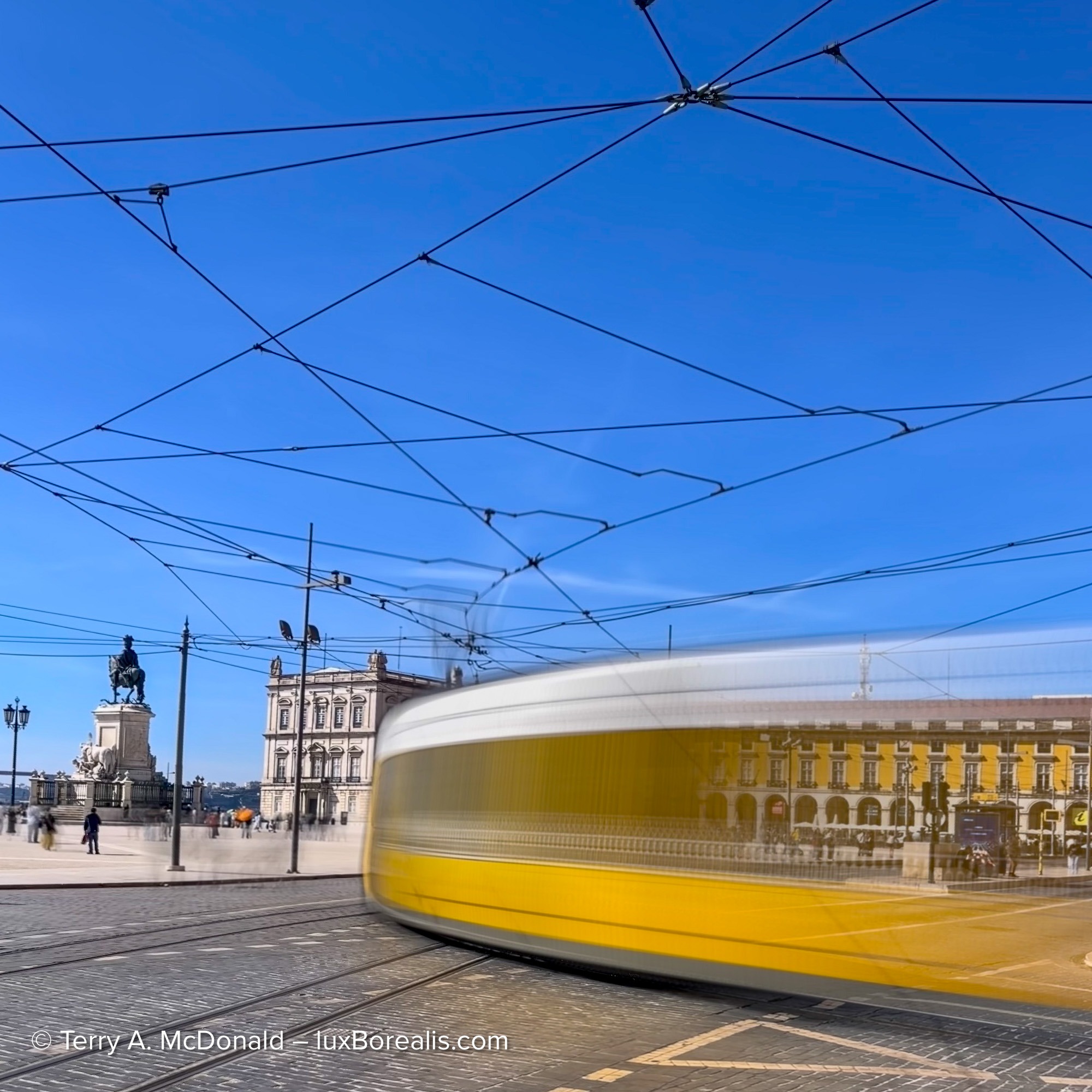
iPhone 17 Pro, 1x camera (24mm efov), Live Photo set to Long Exposure, Lightroom
11:22am and it was starting to get hot, so we wandered up to a little brunch café and along the way, saw the bright yellow trams. Static just didn’t cut it, but the speed of the tram had to be just right to be able to “see” the distant buildings through the windows.
Depending on our needs, we either rent a car or use public transit combined with walking and Bolts or Ubers. In any big European city, public transit is so efficient, affordable, and well-engineered. You’re squeezed in with the people who live there, going to work, out shopping, and home from school. You begin to develop a feel for the rhythm of the city. You also develop a better sense of site and situation, mapping out routes using Google Maps or the local transport app. This all feeds into developing a sense of place.
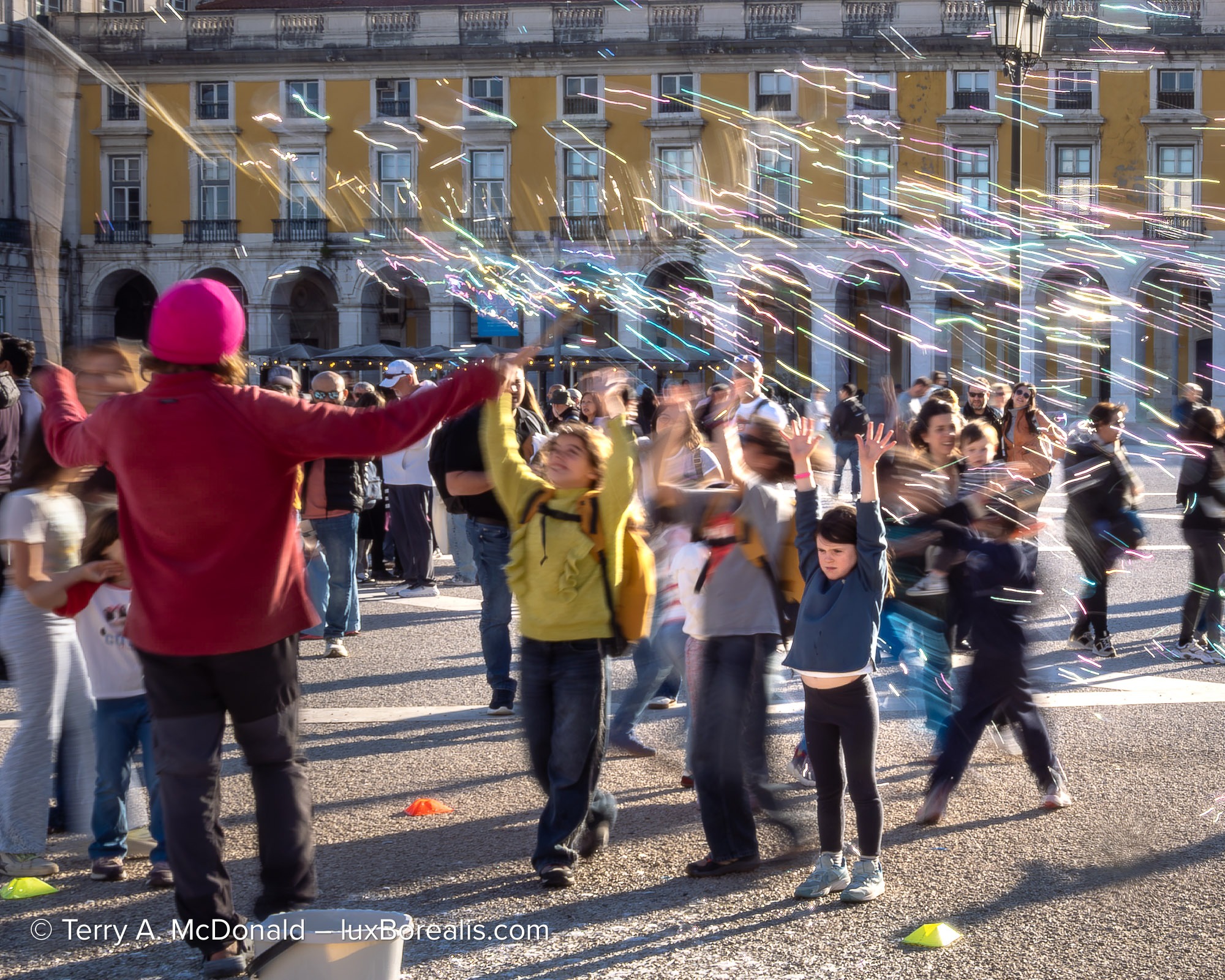
OM-1 w/12-100mm at 21mm (42mm efov), ƒ22 @ 1/8sec., Live/ ND, ISO 200, Lightroom
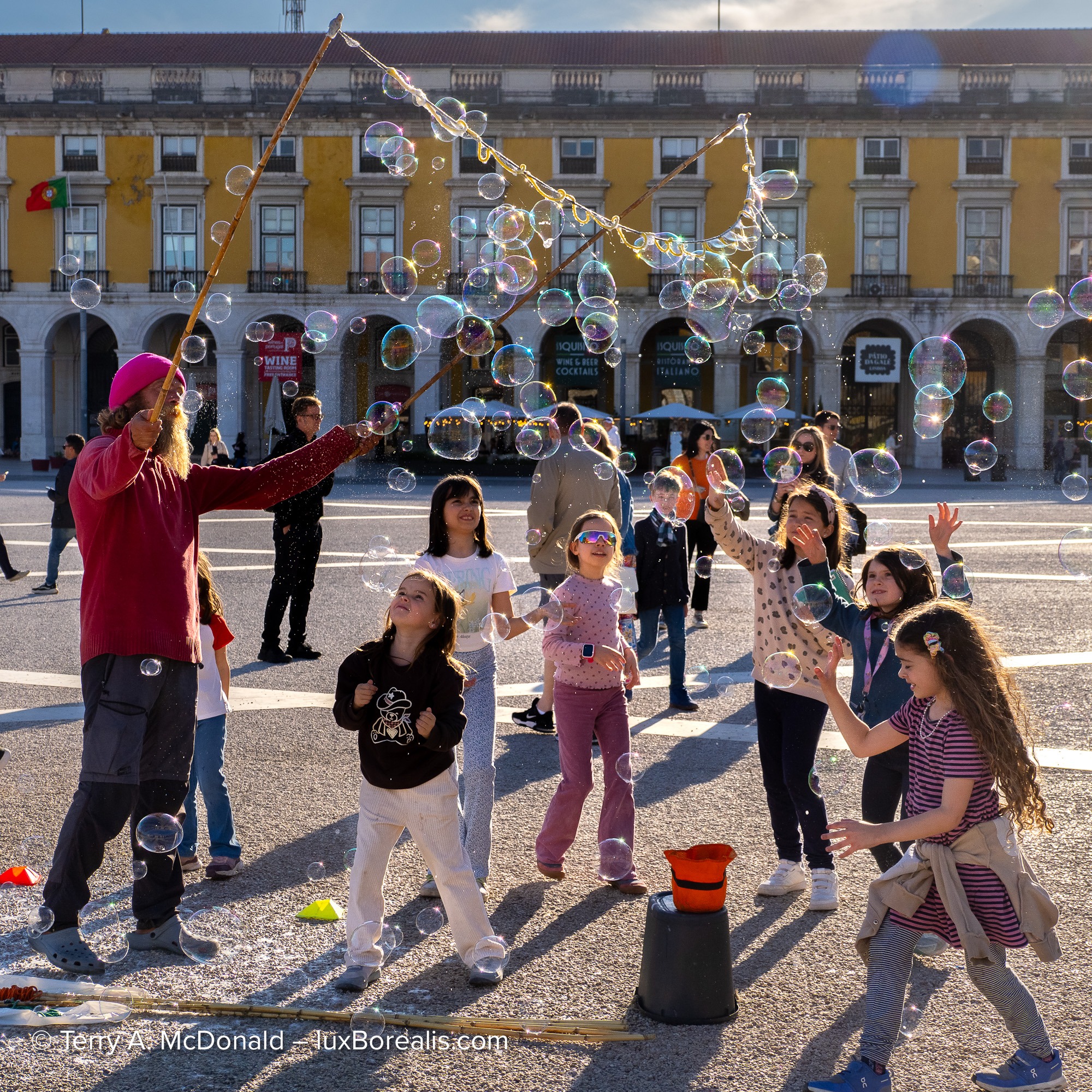
6:29pm, a few days later. The Bubble Man made regular appearances in the afternoons and early evenings at Praço do Comércio, but the lighting had to be right. After a couple of overcast rainy days, the sun came out, flooding the square in strong directional evening light. I tried the same image as a still, and am still on the fence about which I prefer.
When on the streets, I find that I alternate between my ‘proper camera’, an OM-1 usually with the 12-100mm/4 zoom (24-200mm efov) and my iPhone. They both cover the same focal lengths with the addition of the ‘0.5x’ camera on the iPhone, but they do so in different ways.
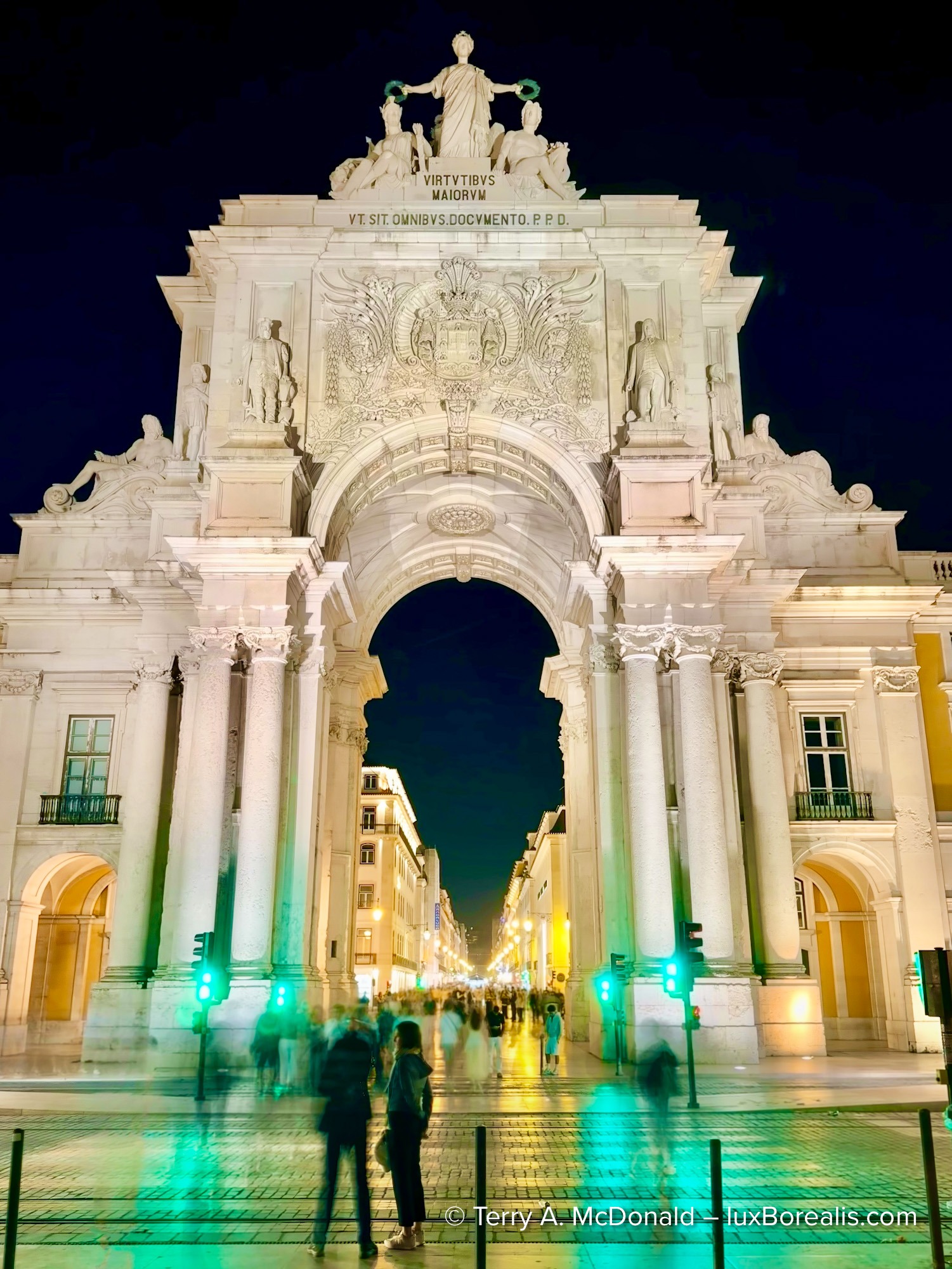
iPhone 17 Pro, 1x camera (24mm efov), Live Photo set to Long Exposure, Lightroom
9:09pm. The Rua Augusta Arch is one of those tourist features that demands a photo, but it needed more than the typical static, blue sky daylight photo. After dinner one evening, on our way back to our apartment, I spent a few minutes trying something more creative, adding blur. The problem was getting just the right amount of blur. If people walked too fast, they blurred out completely, but I didn’t want people just standing there either. It took a few pedestrian crossing light changes, to capture this happy median.
I keep the OM-1 on a shoulder harness rather than a neck/shoulder strap. It keeps the camera under my right arm, out of sight, but ready to use, and keeps my hands free for scrambling over rocks or for holding on in the Metro.
Not only is size an important factor, but I enjoy the creativity offered by the innovative computation photography features of the OM-1: Sync IS, Focus Stacking, and Live ND. They allow me to create spontaneously and in ways that would otherwise be significantly more troublesome.
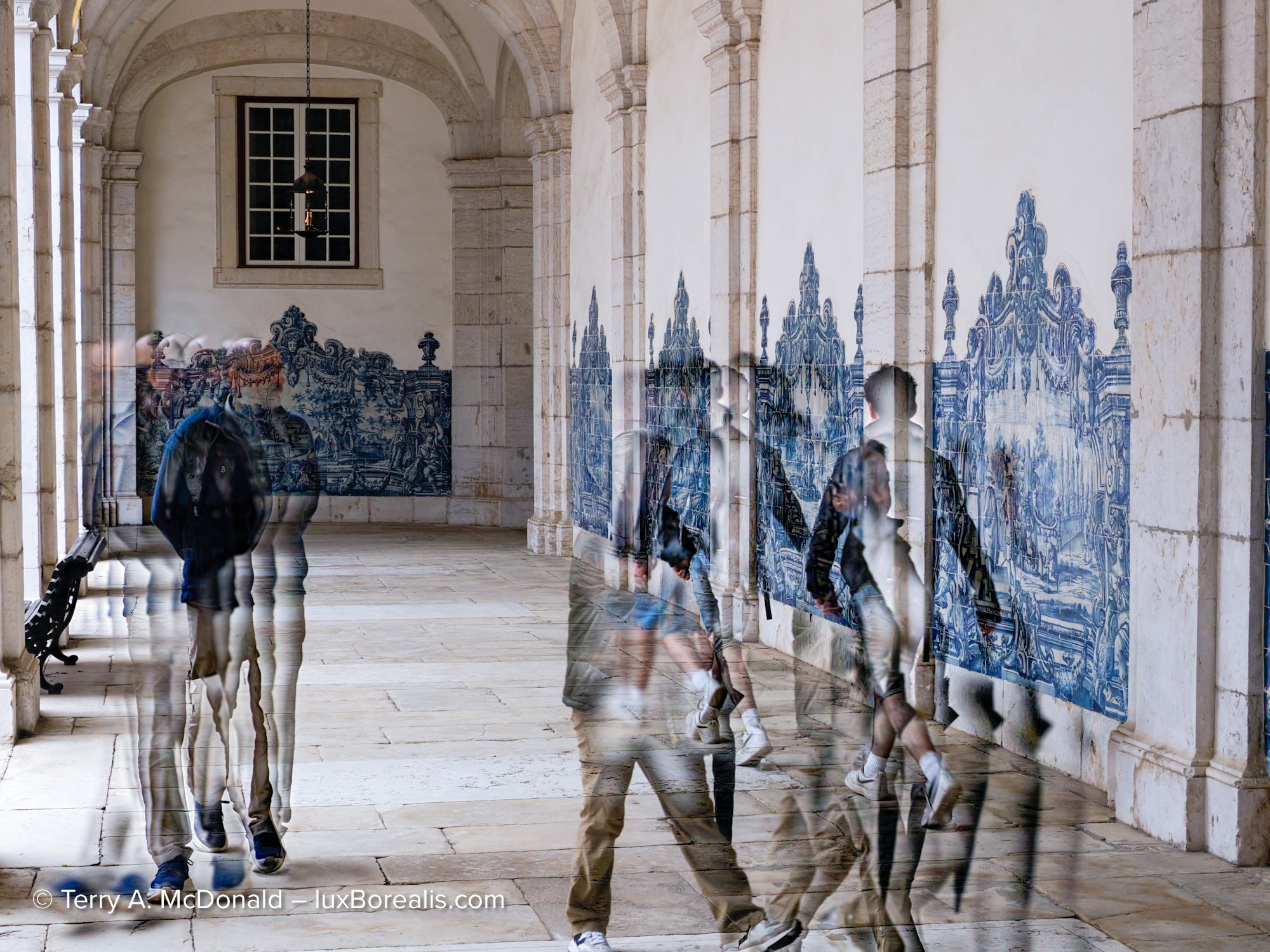
OM-1 w/12-100mm at 31mm (62mm efov), ƒ5 @ 1/100, Focus Stack, ISO 200, Lightroom
This was a mistake that turned out to be a revelation. I had intended to use Live ND, but ended up using the in-camera Focus Stack instead, resulting in this.
The gear I carry — a body plus 8-25mm, 12-100mm, and 100-400mm — fits into a small LowePro 250AW sling bag, along with a 60mm Macro and a 9mm/1.7 Summilux. This is ideal for travel as I have every focal length from 16mm to 800mm weighing in at less than 5kg, and it counts as my personal bag on flights. What’s not to like about that? If I’m out for the day, I’ll carry an extra lens or two in a small waist pack — again, light and compact, with everything accessible without having to take it off and put it down, just like with the sling bag.
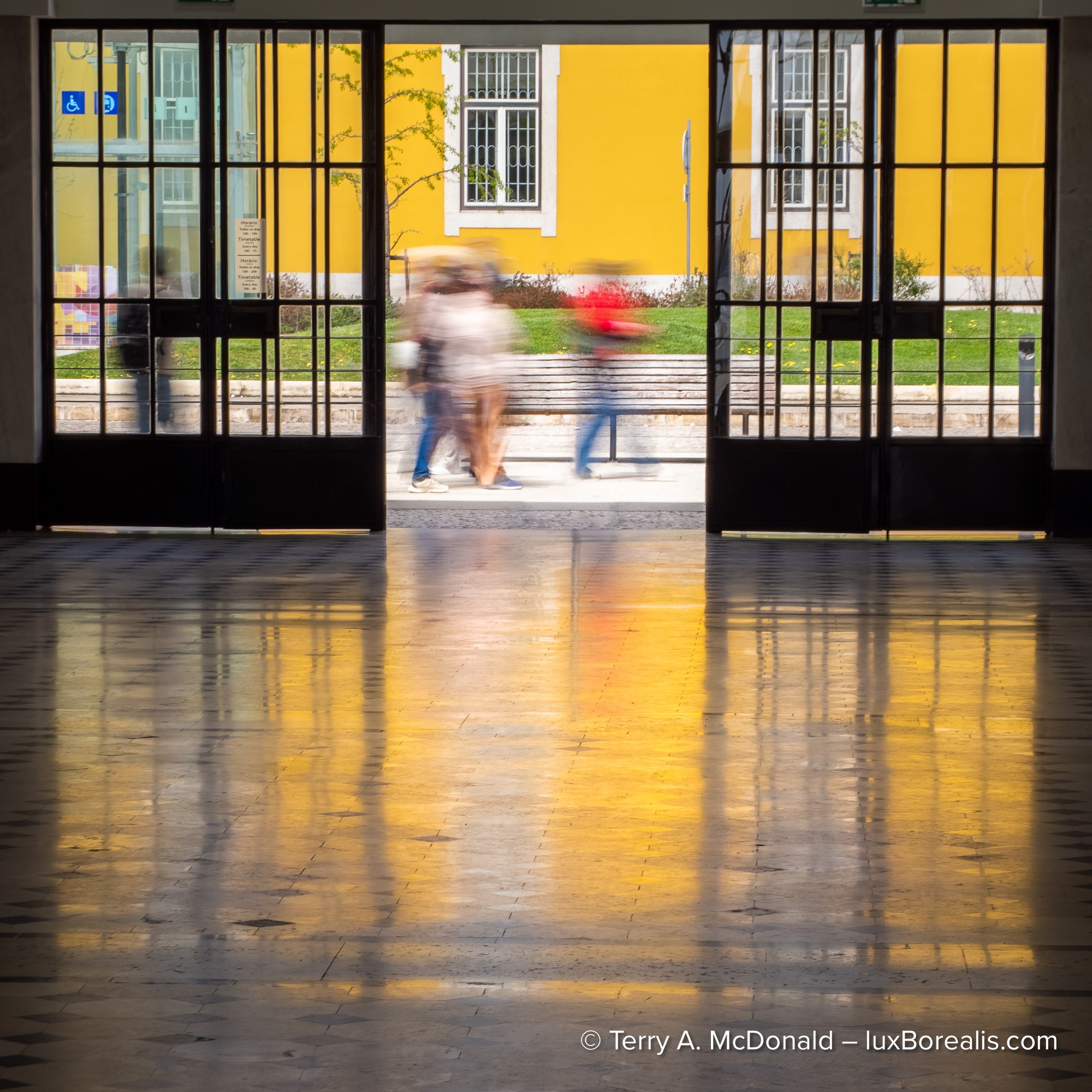
OM-1 w/12-100mm at 57mm (114mm efov), ƒ16 @ ½ sec, Live ND, ISO 200, Lightroom
Give me colour and design and leave me for 15 minutes or so, and I’m a happy photographer.
The iPhone, on the other hand, is “the camera that’s always with me.” I used to think of it only as the ‘snapshot’ camera, but it has proved invaluable for making quality quick shots, street photos and portraits. Do I shoot in ProRaw? Only when I remember to switch it from HEIC. I also like the Live Photo feature, which can’t be used in ProRaw. I use it for making long exposures for introducing movement of people and water, similar to how I use Live ND on the Olympus, to get slower shutter speeds.
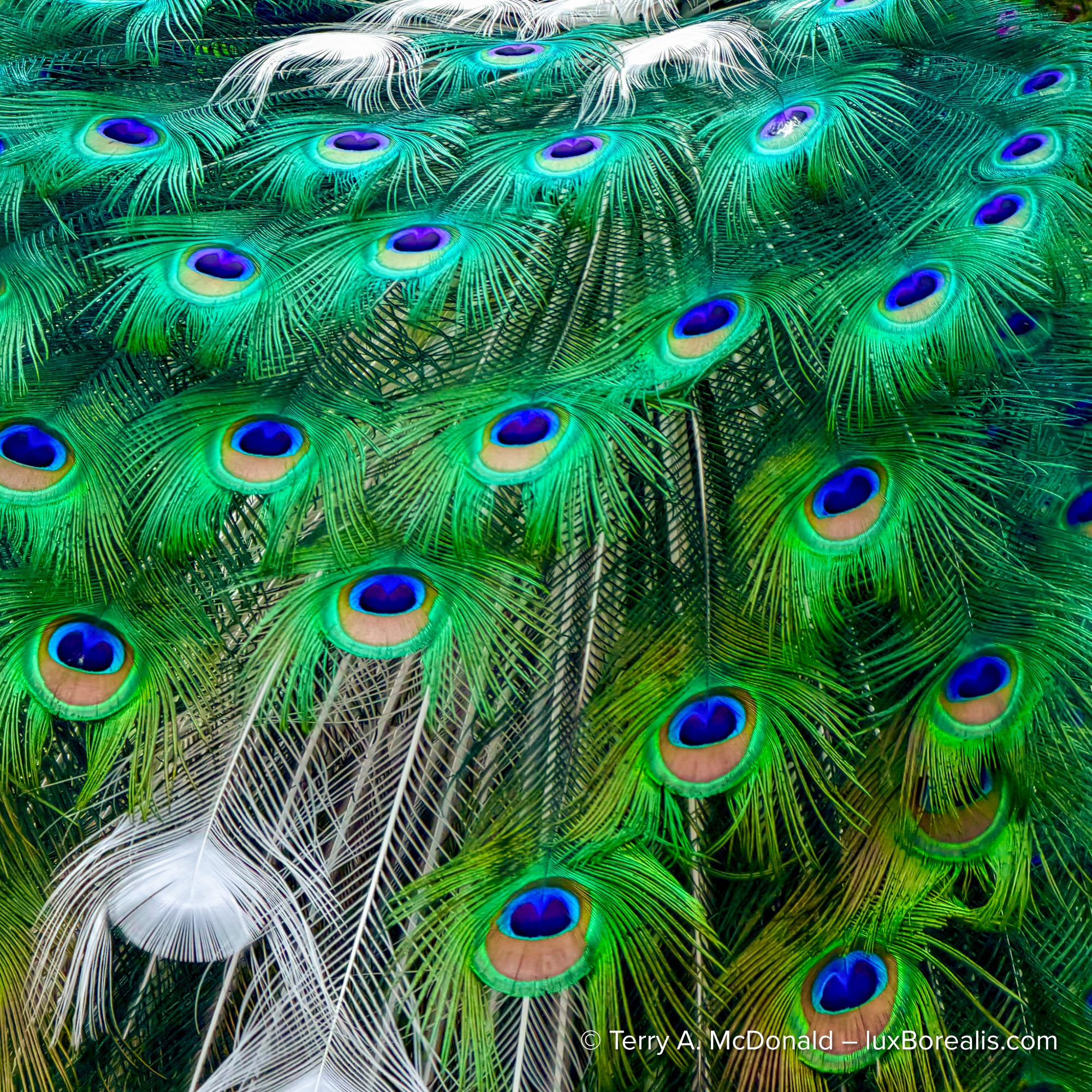
iPhone 17 Pro, telephoto camera (100mm efov), EV -1⅓, Lightroom
With the number of people around and the constant movement of the bird, it wasn’t the best situation to spend any length of time “working the subject”. End use is an important consideration when travelling. I’m not shooting for Condé Nast or Traveler magazine. Yet, although this is a quick iPhone shot, it is surprisingly printable as a framed print, a full page calendar or as a full-page in a photo book.
So, in having with me the best of both worlds, I set out to capture a combination of touristy photos that will satisfy the folks at home and photos for me that show different perspectives and details.
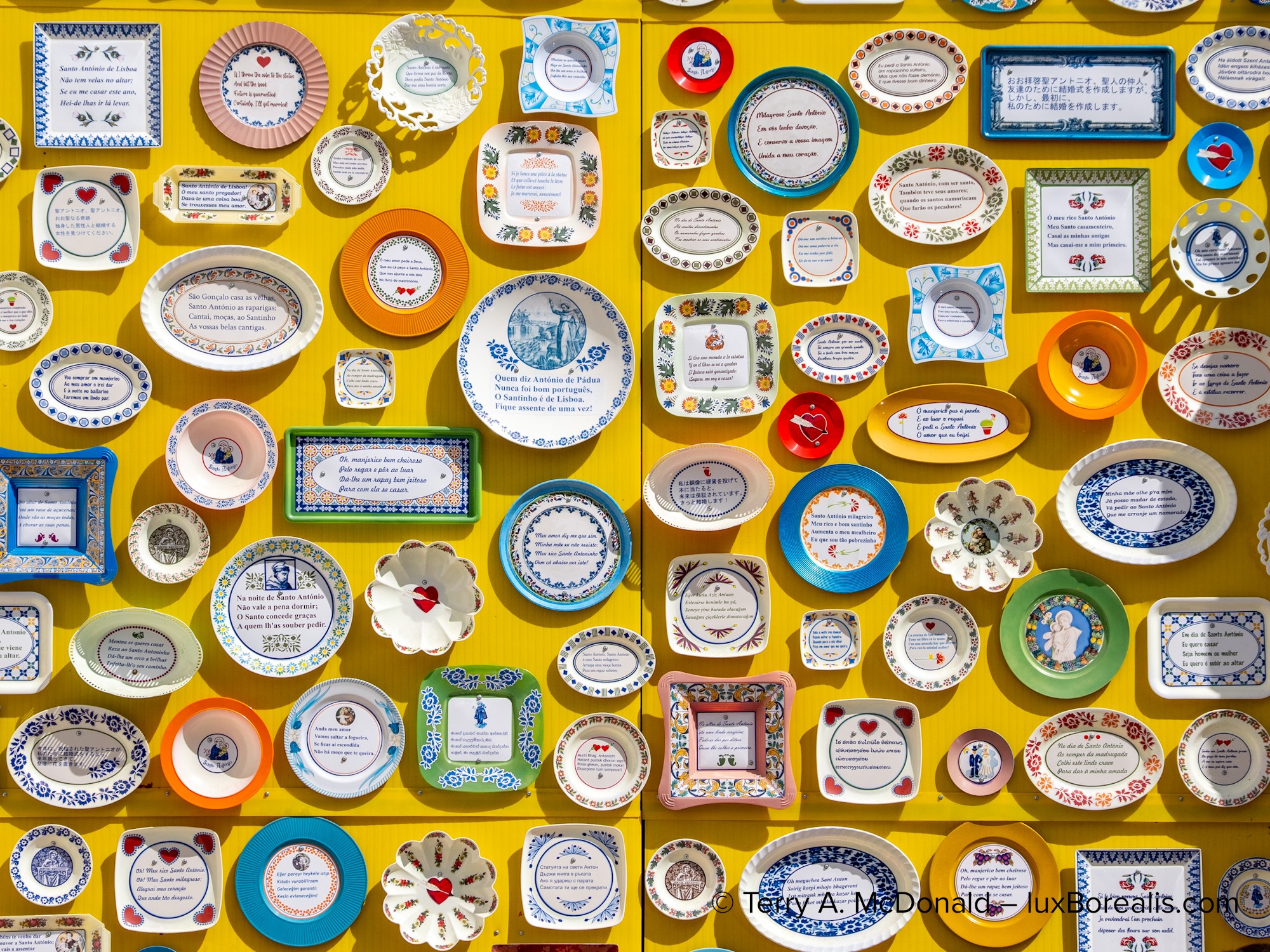
OM-1 w/12-100mm at 86mm (172mm efov), ƒ5.6 @ 1/2500, ISO 200, Lightroom
While sitting at a pastelaria just down from the Lisbon Cathedral, this photo screamed at me from across the street. We weren’t interested in seeing the museum, but you have to give them credit for making a stunningly memorable entrance. I used a medium telephoto to fill the frame with the plates, cropping out the extraneous bits.
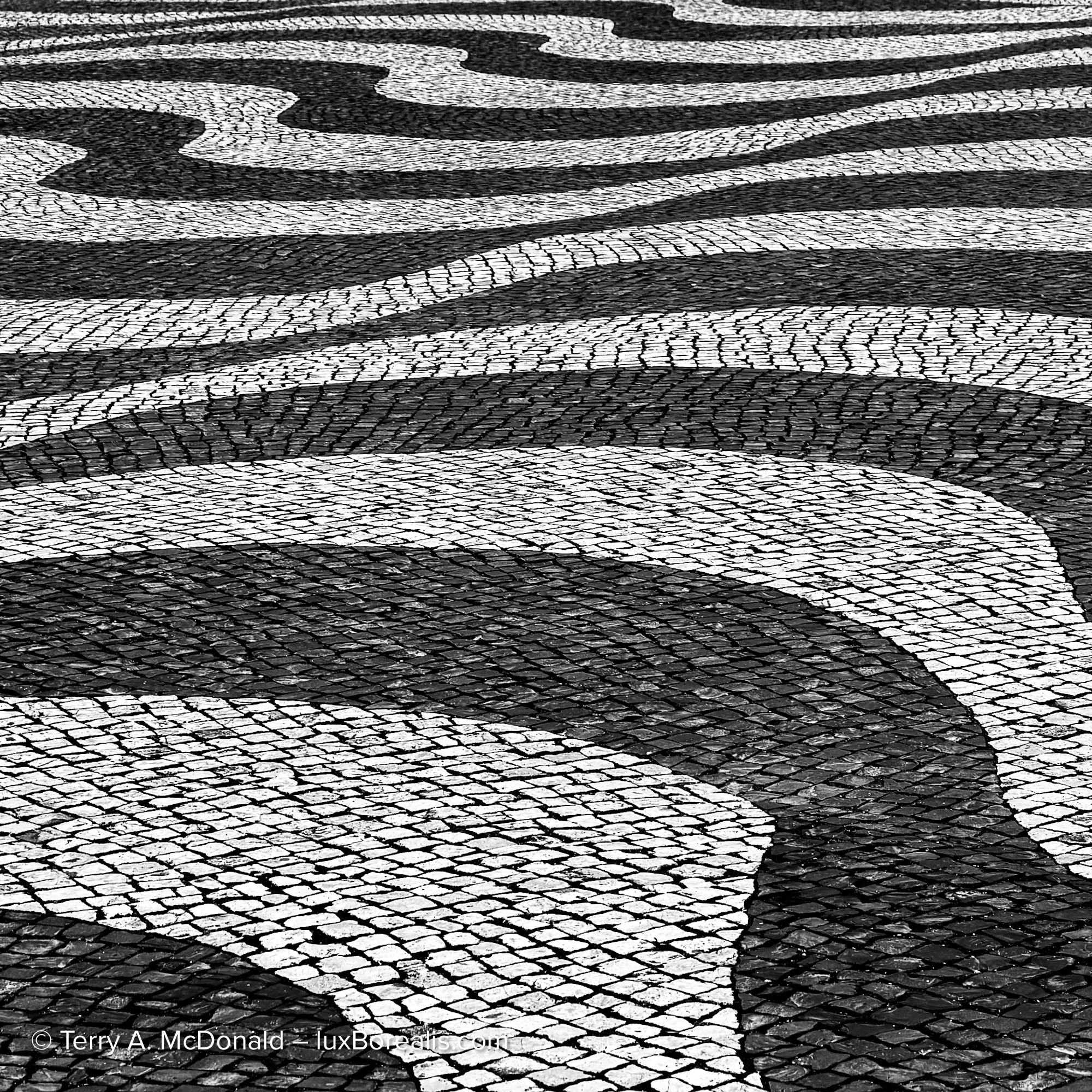
iPhone 17 Pro, Telephoto camera (100mm efov), Lightroom
I took a number of shots of the Monument to the Discoveries, but it was the optical illusion of waves created on the completely flat pavement of cobbles that, to me, is most memorable. Why shoot with an iPhone? Why not? I wanted to see how far I could push it and, perhaps not surprisingly, it comes up great. Now, if only I could have convinced a few tourists to walk across this, say in red shoes, with a long exposure, it would have been ideal.
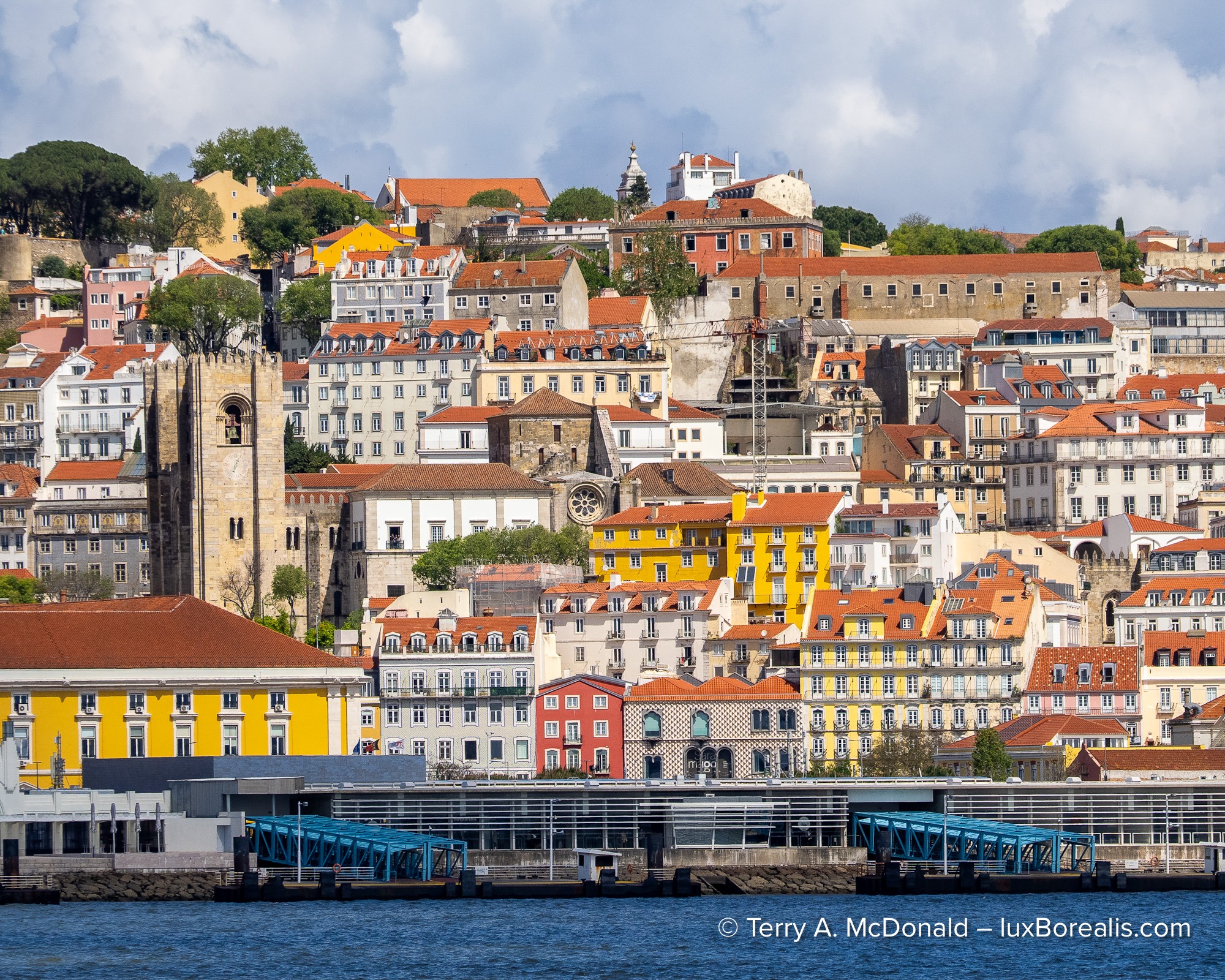
OM-1 w/12-100mm at 100mm (200mm efov), ƒ5.6 @ 1/2000, ISO 200, Lightroom
One of those ideal jigsaw puzzle photos. Built by the Moors, the Alfama District is Lisbon’s oldest, having survived the destruction of the 1755 earthquake. Its narrow winding streets create a hodgepodge placement of buildings when viewed from a distance. This photo was made from the river tour boat, providing that compressed perspective.
Elevate Your Vision


Read this story and all the best stories on The Luminous Landscape
The author has made this story available to Luminous Landscape members only. Upgrade to get instant access to this story and other benefits available only to members.
Why choose us?
Luminous-Landscape is a membership site. Our website contains over 5300 articles on almost every topic, camera, lens and printer you can imagine. Our membership model is simple, just $2 a month ($24.00 USD a year). This $24 gains you access to a wealth of information including all our past and future video tutorials on such topics as Lightroom, Capture One, Printing, file management and dozens of interviews and travel videos.
- New Articles every few days
- All original content found nowhere else on the web
- No Pop Up Google Sense ads – Our advertisers are photo related
- Download/stream video to any device
- NEW videos monthly
- Top well-known photographer contributors
- Posts from industry leaders
- Speciality Photography Workshops
- Mobile device scalable
- Exclusive video interviews
- Special vendor offers for members
- Hands On Product reviews
- FREE – User Forum. One of the most read user forums on the internet
- Access to our community Buy and Sell pages; for members only.
You may also like