


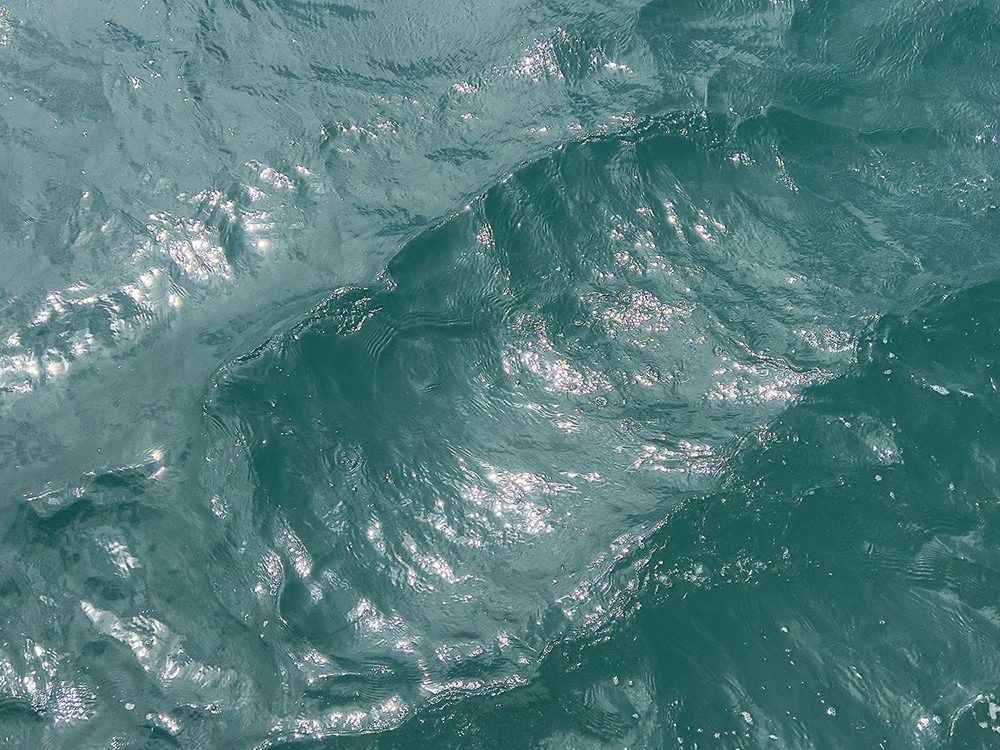


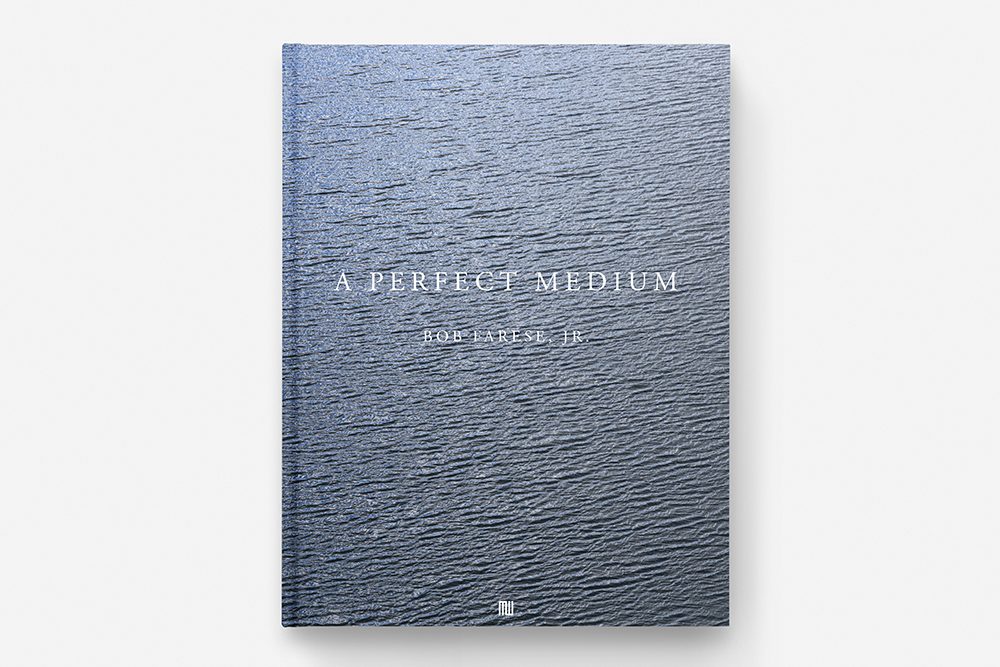
Look at the cover of A Perfect Medium long enough and you’ll want to reach out and touch it.
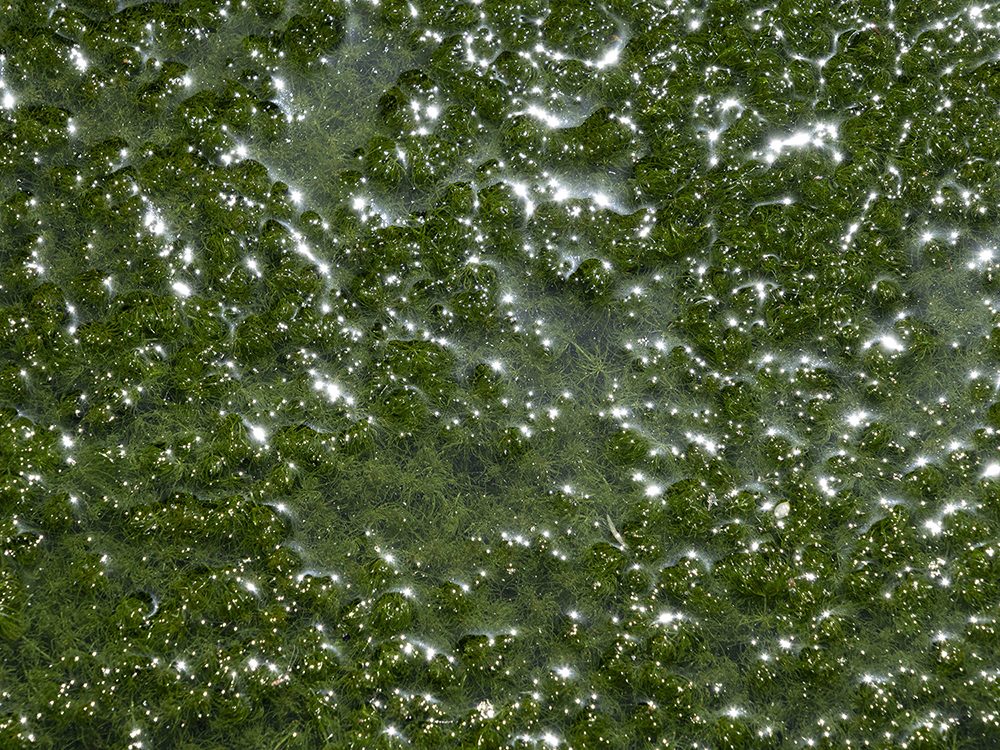
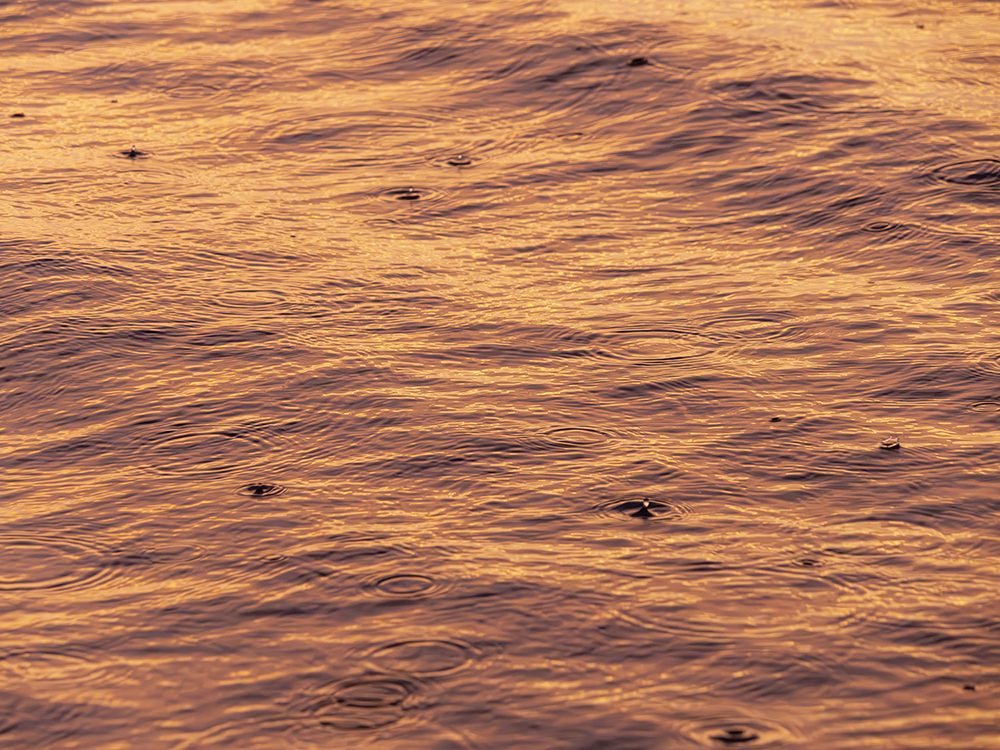
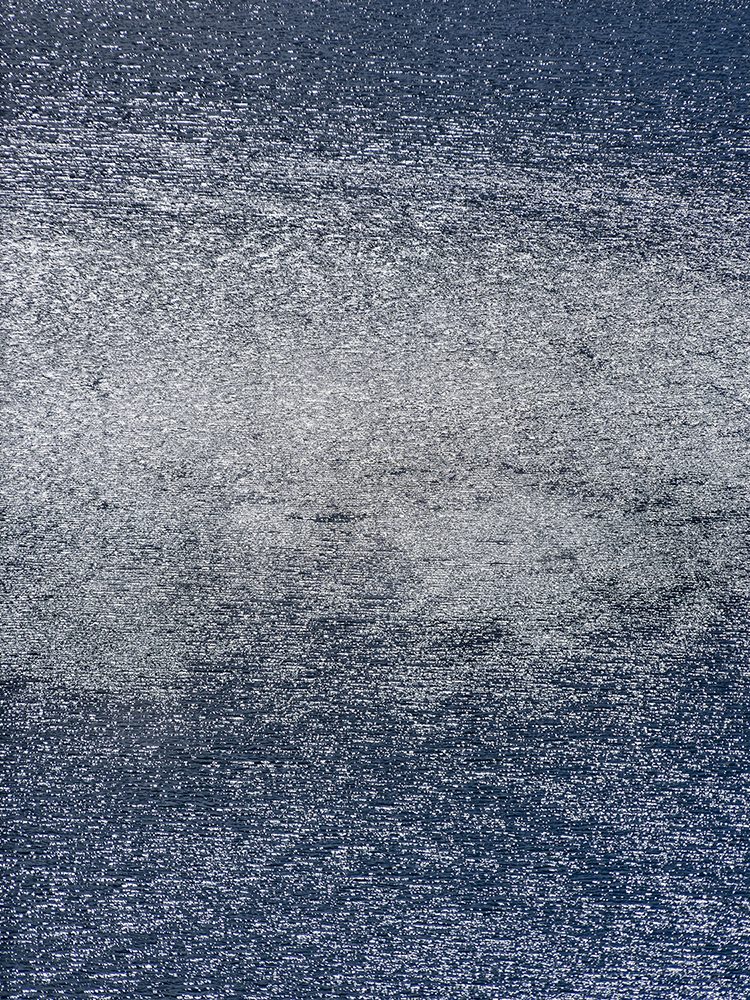
That’s not an accident. Bob Farese, Jr. spent five years photographing water – not the grand gestures of it, but the surface of it. The texture. The way light moves across it at 9:31 in the morning in the Faroe Islands, or at 6:17am on a June morning in Georgia.
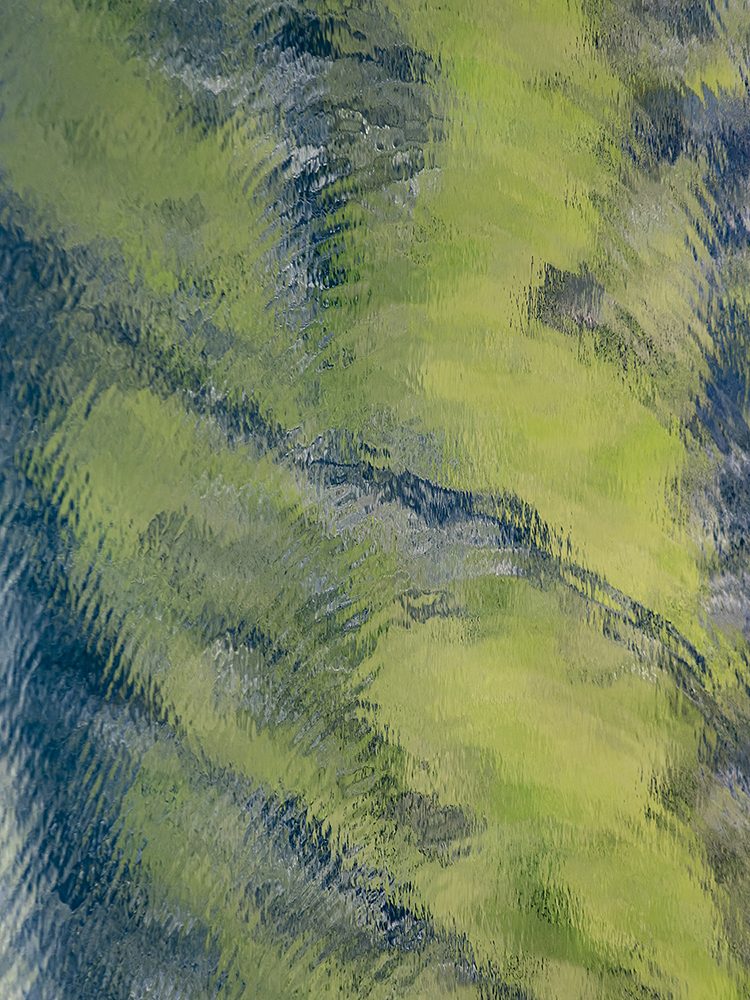
The images sit right at the edge of abstraction, and they pull you in the same way a good piece of fabric does – something about the texture makes your hand move before your brain does.
Farese brought an unusual set of eyes to this project. When the camera is put away, he’s a physician and research scientist – professor at UCSF, Harvard, and Memorial Sloan Kettering, where his work focuses on the biology underlying metabolism and neurodegeneration. He came to photography about ten years ago. A Perfect Medium, released today on Earth Day, April 22, 2026, is his second book.
The science and the art have everything to do with each other.
We reached out to Bob with some questions. Here’s what he had to say.
In Conversation: Bob Farese, Jr.
Your background is in medicine and cell biology. How did that scientific way of seeing the world shape the way you approach photography?
I think it forms the backdrop for my approach. My background as a physician and scientist has deeply informed my appreciation and reverence for the miracle of life. As much as I can be with the ups and downs of being a human being, I am aware of this brief opportunity to be alive in this wondrous world. This has certainly kindled and shaped my love for street photography and appreciation for capturing small instances of beauty. For the project on water, there is a deeper realization for me that none of our existence would be possible without this medium that sustains life. In both realms, there is exploration that follows my curiosity.
Your method is described as phenomenological – studying water through observation rather than analysis. As a scientist, was it difficult to set the analytical mind aside, or did the two modes of seeing eventually become the same thing?
This is a great and important question. I am of the school that believes that making photographs is largely an intuitive process and that once basic skills are mastered, the best photographs arise when one trusts their intuition and does not become overly analytical.
Science, in contrast, may originate from a burst of inspiration, but then leads to hypothesis-testing and building logical arguments, which is heavily analytical. So yes, I tried to let my frequently analytical mind go quiet while making these photographs.
Likewise, in making a final selection I did my best to follow my intuition of which photographs appeal to me at a deeper emotional level. As you suggest, I have found that intuition and analysis are different modes of my brain functions, and I cannot do both well at the same time.
Water is endlessly photographed, yet your images feel uncommonly intimate.
What were you looking for in these close-ups that a wider view couldn’t give you?
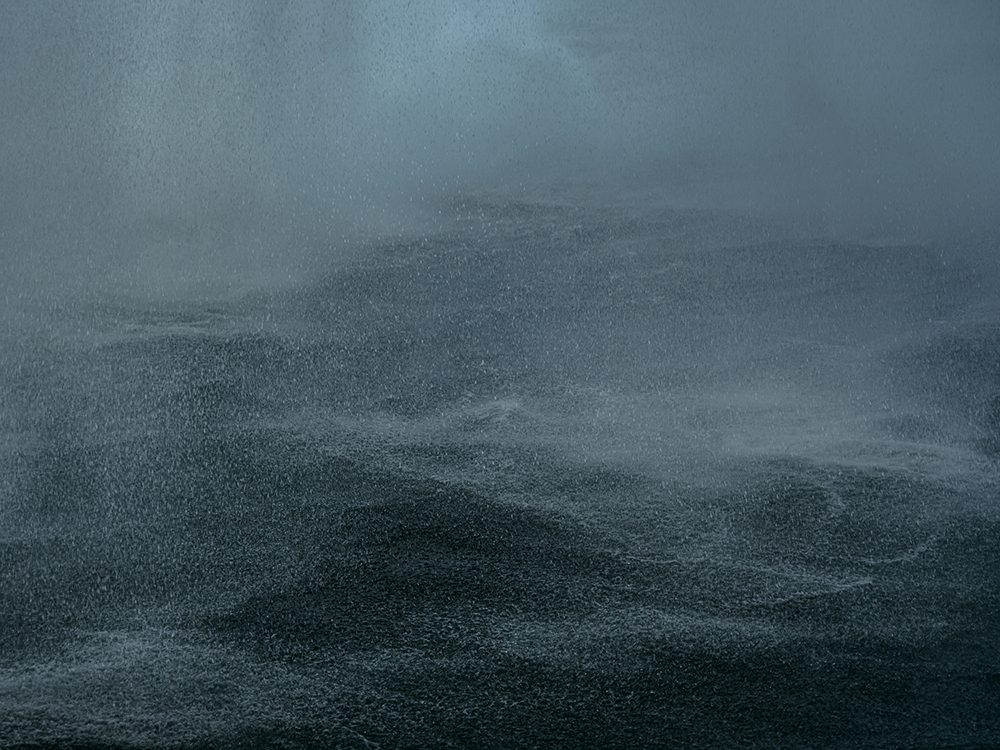
Actually, I started by taking more conventional wide-angle images of water, but I found that there was no magic. Nothing that felt unique to me. But gradually, the photos moved more toward the abstract and began to resonate internally.
I have an affinity for abstractions because from a visual standpoint it adds a sense of mystery. I prefer images when everything is not immediately apparent. I also found that these types of photos fit my visual palette.
I like images that are harmonious and aesthetically pleasing when viewed from a distance, but remain interesting or even more captivating when viewed from close up. As the project evolved, I felt many of the images had a relationship to each other through visual patterning.
Walk us through your gear bag for this project. What was essential to making these images?
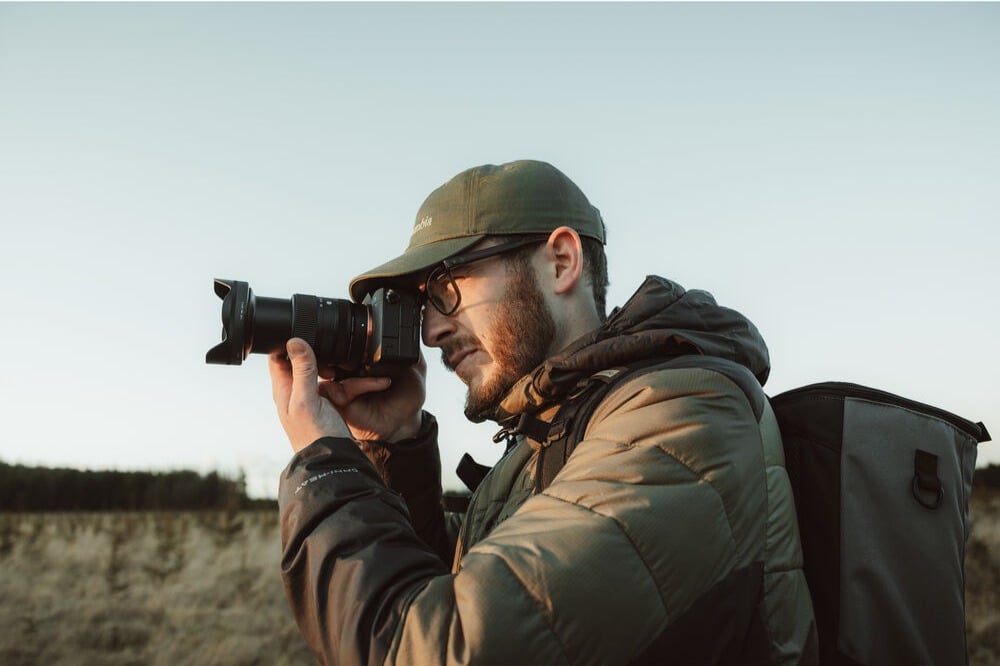
I had a very simple tool kit – nothing complicated. Nearly every image was taken with a Sony digital camera and a 24-240mm zoom lens. I wanted a single camera with a high-resolution sensor so the images could be enlarged to appreciate detail.
I wanted the camera to be portable enough for travel. I also wanted not to mix cameras for capturing images, so with the exception of one or two images, all were taken with the same camera. Besides my camera, my computer, and a hard disk, nothing else was needed.
Water is hard to expose and process well. What does your post-processing workflow look like – are you working to preserve what you saw, or interpreting beyond it?
Definitely to preserve what I saw cleanly and, hopefully, somewhat elegantly. My approach to post-processing is minimal, with only slight enhancements of tone or color, up or down. Also to clean up any artificial aspects, like obvious lens dust, since some images will be printed large. My intention was to reflect what I saw, not to show something other than that.
You catalog each image with precise times and locations – Faroe Islands, 9:31am, July 13. The places aren’t always recognizable in the frame.
What is that record-keeping doing for you? Is it for you, or for the viewer?
This idea occurred during the book design to capture the instant of time and where in the world the image was made. It took me two full days to dig out the details. But this seemed better than captions such as “Waterfall,” as the captions became a record of my observations, perhaps like a science notebook. But it is primarily an explanation for the viewer. It marks an instance in time, which may perhaps spark curiosity or wonder.
You’ve cited Pinkhassov and Black as major influences. What is it about their work that shaped how you see?
Gueorgui Pinkhassov is a great master of making photographs that arise out of your intuition and your appreciation for light, color, shadows, and pattern. For me, he is a visual genius and his photographs remind me of improvisational jazz.
I learned of Matt Black’s work through Instagram and loved that he took poetic images of his project-oriented journalistic topics. Matt’s approach is much more subject-oriented, asking how photography can be used as a tool to elevate a subject. He challenged me from the start to define a project that I cared about. I like to think this book reflects a blend of both of their influences.
What would you say to photographers who feel pulled toward a subject but aren’t sure they have something new to say about it?
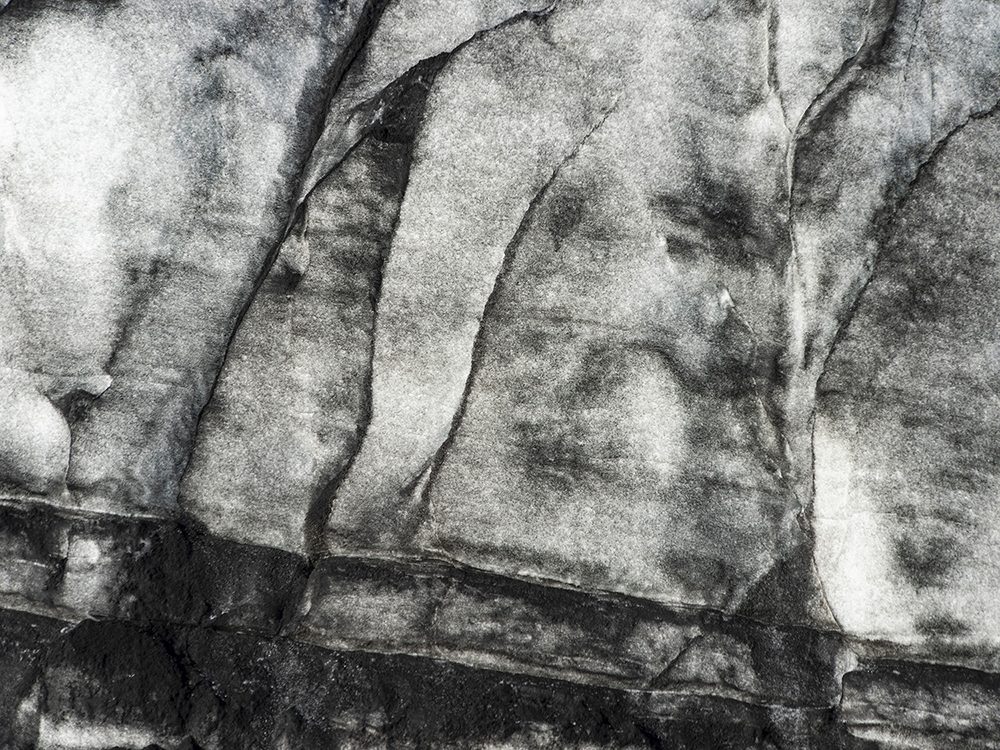
I’d say just try it. Experience is the best teacher – give it a try and you will know if the subject is for you. And consider this – I think all photographers know that in a workshop, ten photographers can take an image of something and each photo looks different. Each person has his or her unique view of the world. Each has their own inner sensibility.
But try also to think about what you really care about, because the path can be challenging. The hardest part, at least for me, is trusting the process during the early stages.
For this book, early on sometimes it felt like nothing worthwhile was emerging. I was tempted to leave it. At that point it’s useful to get the input of others that you trust. Matt has provided encouragement when I needed it. And, in the end, you can decide if you choose to share it with the world.
This project became something that I felt comfortable sharing. In fact, because of the book’s broader message, I very much wanted to share it.
Our Final Thought
Five years. One camera. One lens. Lots of water under the bridge.
Seriously – Thank you Bob for sharing your work and your thoughts with us.
Bob will be signing copies at the AIPAD Photography Show on Friday, April 24 at 6 pm at the MW Editions table. If you’re in New York, why don’t you go ahead and go!
A Perfect Medium is available now at mweditions.com.
All images – © Bob Farese Jr. / MW Editions
Summary: Physician and fine art photographer Bob Farese Jr. spent five years photographing water across five countries for his new book A Perfect Medium – a meditation on texture, observation, and what a scientist sees when he stops analyzing and starts feeling.
Elevate Your Vision


You may also like