



I’ve been thinking a lot about Cuba these days.
The declining conditions there have me reflecting on the trips I made beginning in 2014 and, especially, on the people I came to know over those years. My last trip was in February 2025, before conditions worsened considerably. Recently, I went back through my records and was surprised to discover that 90 photographers have traveled with me to Cuba over the years. Looking through those records and photographs has had me remembering the trips, the encounters, and the friendships in new ways.
There is sadness in that for me because of the suffering so many Cubans are experiencing now, and tremendous disappointment at the ways we humans can create conditions that cause so much hardship for other human beings. But I don’t want to write about Cuba in a way that defines it only by suffering. When I think about all those years traveling there, what I remember most strongly is the resilience, pride, ingenuity, compassion, humor, generosity, and joy I encountered in the Cuban people I came to know.
I remember when I, in my very limited and faulty Spanish, tried to engage a guy at an outdoor market and mistakenly called him a “big pretty woman” and watching Vivian spit coffee through her nose!
I remember the man mowing the lawn at a remote stop on our way to Trinidad. He had an electric lawn mower. He couldn’t afford gas he told me but he had electricity. So he removed the gas engine from his mower and replaced it with an electric washing machine motor! I remember the mechanic who I was asking about repairing and maintaining the aging American cars that are so valued in Cuba. I asked how they get parts. “We make many of them,” he said. “Making them is the easy part; building the machines needed to make them, that’s a challenge.”
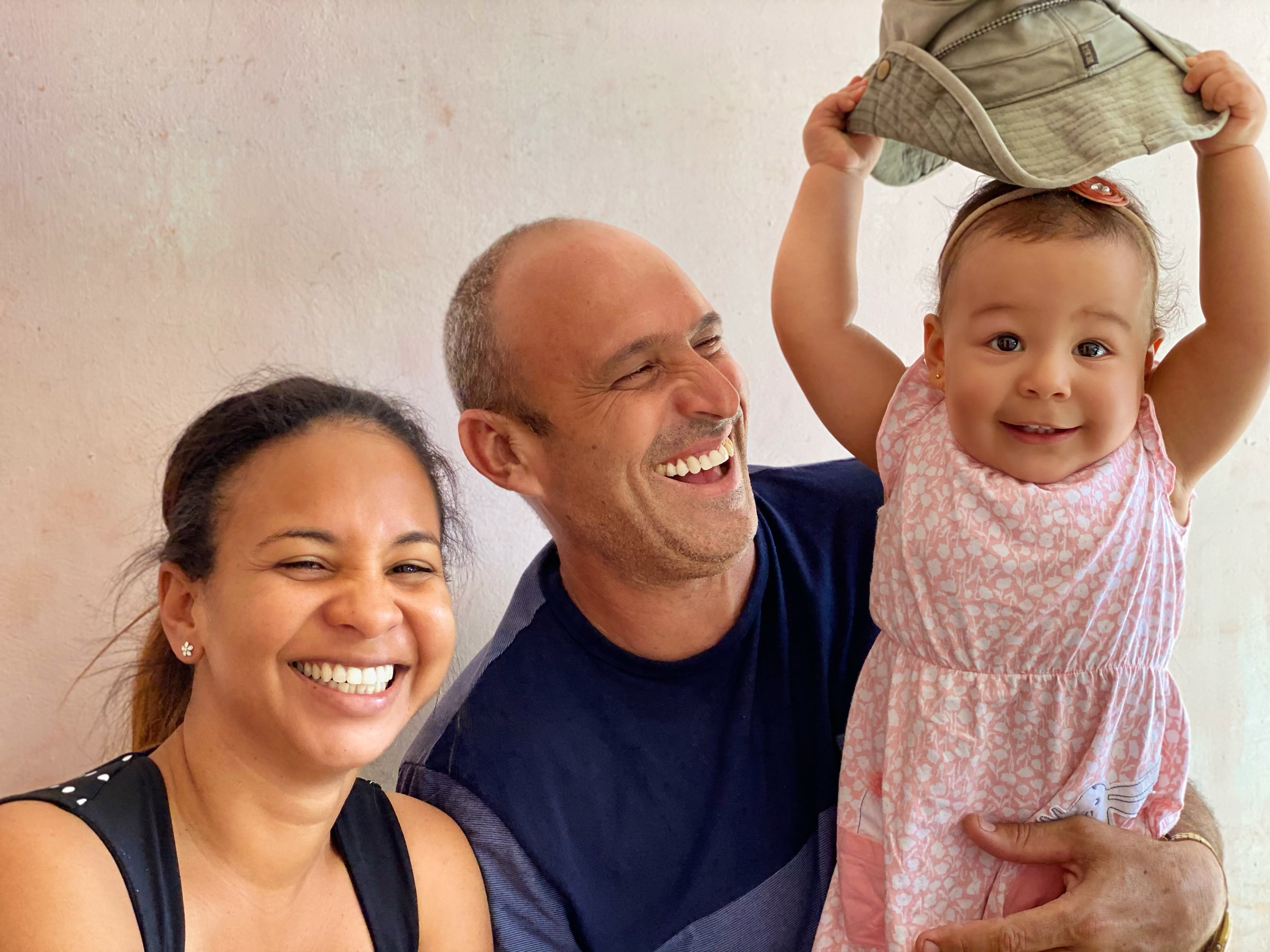
Some were people I met only briefly while photographing. Others were people I worked with repeatedly over the years. A few became close friends whose spouses, children, parents, and extended families I came to know as well. Some I’ve come to regard as family.
Photography was my passport into that world.
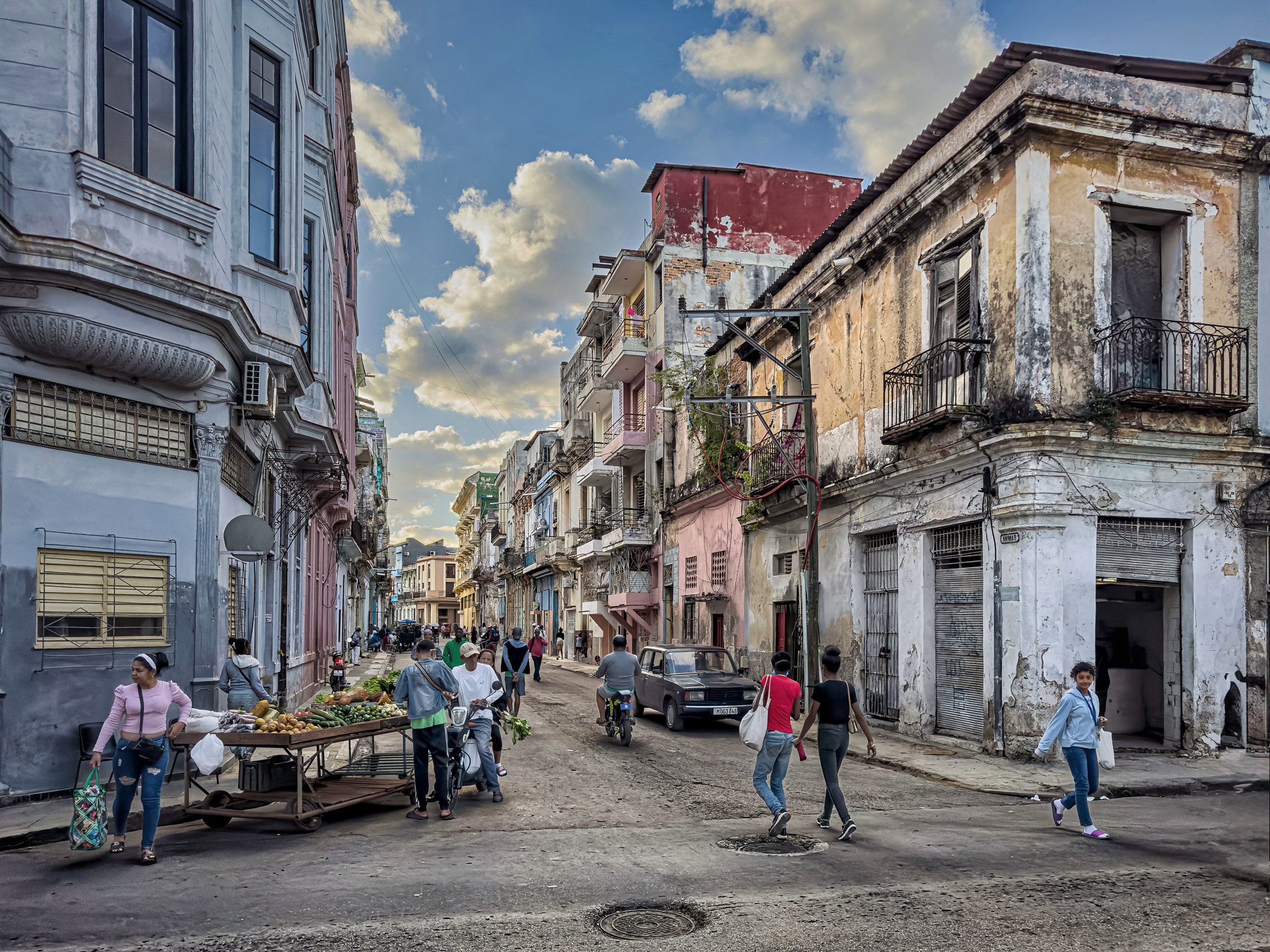
I went to Cuba initially because I wanted to photograph it. Like most photographers traveling somewhere new, I was interested in what looked different from home, which was pretty much everything! The streets, the architecture, the ballet dancers, the old American cars, the rural landscapes, the music, and especially the people were all something new and exhilarating to me.
But after returning again and again, Cuba became much more than a collection of interesting subjects.
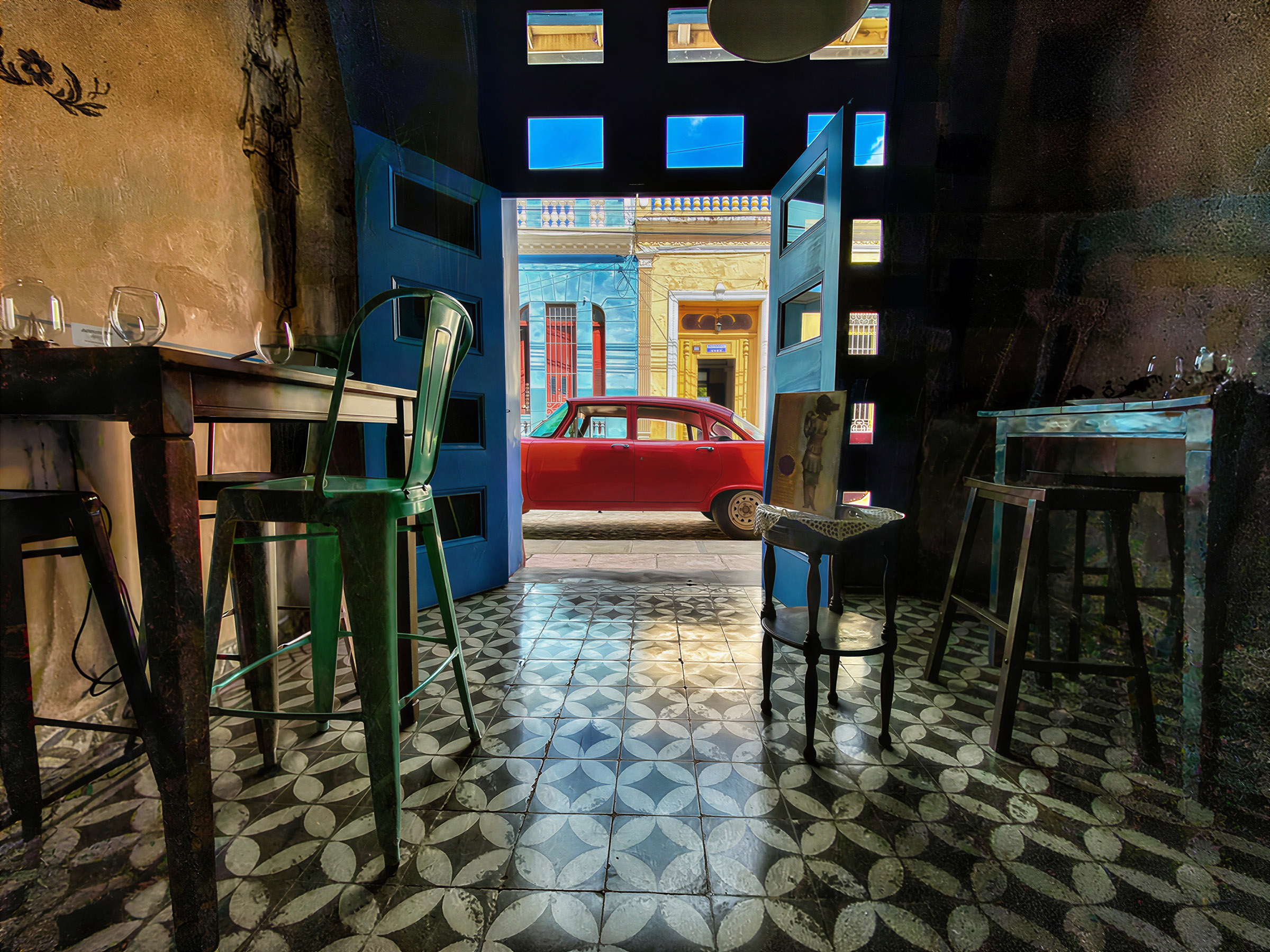
Photography gave me a reason to meet people, and those encounters gradually became a way of seeing past the differences that first attract us as photographers. I might initially have been interested in someone because of the way they looked, the environment they were working in, or simply because they seemed so different from anyone I might encounter at home. But once I began returning and spending time with some of the same people, those differences became less figural.
The more time I spent there, the more obvious it became how much we had in common. Thinks like work, families, children, aging parents, friendships, hopes for the future, worries about money, illness, opportunity, all the ordinary things that make up a life.
That awareness became one of the great gifts Cuba gave me as a photographer.
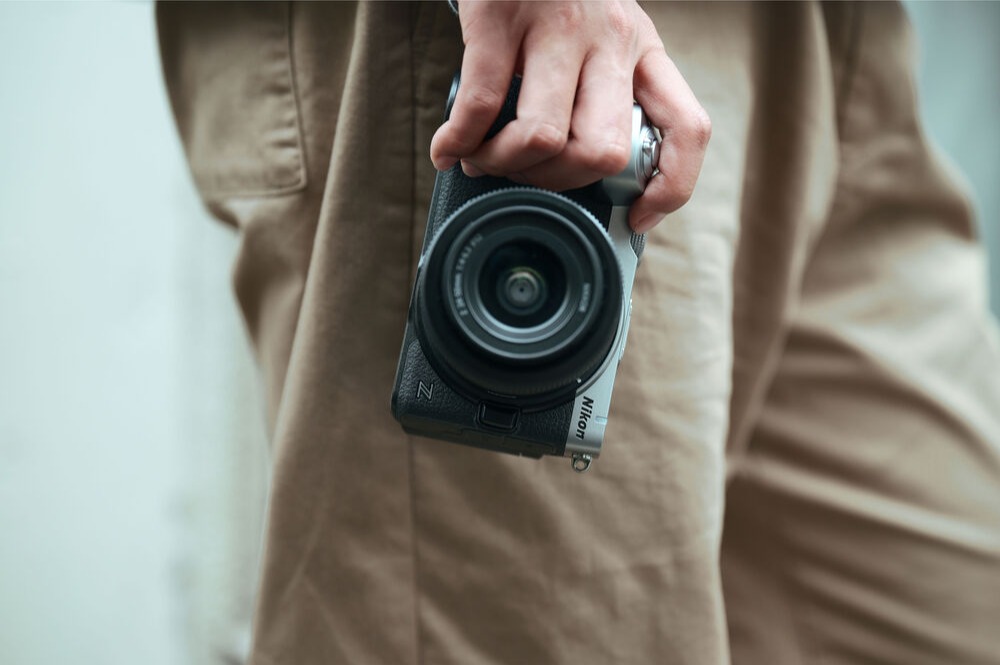
We spend so much time talking about cameras, lenses, technique, processing, resolution and all the rest of it. I know I do. Those things matter to us photographers, and I enjoy them as much as anyone. But photography can also be an extraordinary way of crossing barriers and connecting with people we might otherwise never have known.
Sometimes that connection lasts only a few minutes and, sometimes, if we are fortunate, it becomes something more.
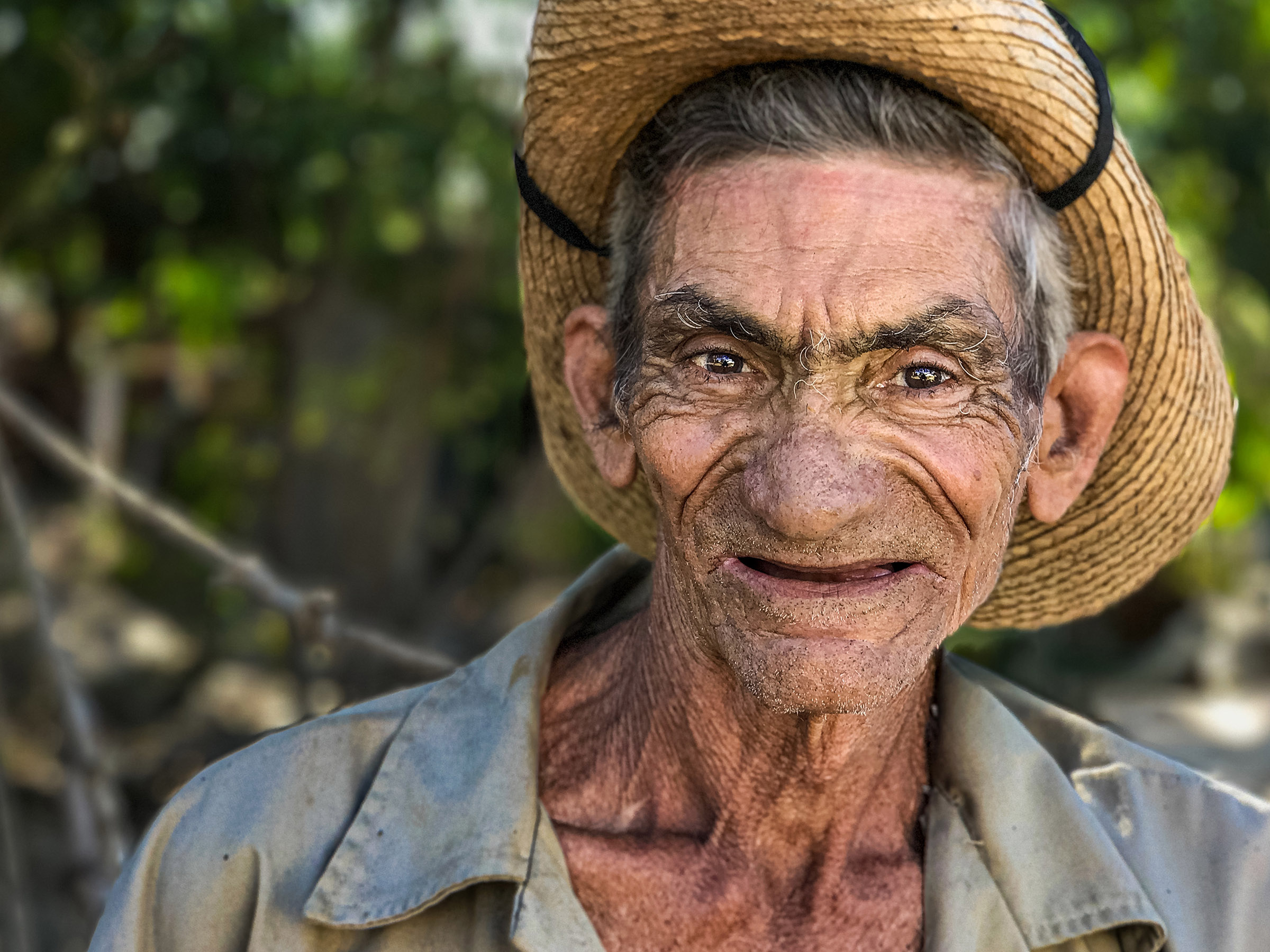
One of the people I still think about was a man I met in Manaca Iznaga, outside Trinidad, Alberto. He made his living hauling things with two oxen and a wooden skid. We spoke almost none of each other’s language, but communicated through gestures and smiles, and he allowed me to photograph him.
I liked the photograph and, when I returned to Cuba the following year, I brought a print to give him. When I found his family, I learned that he had died of cancer a few months earlier.
His daughter was there, and she told me she had no photographs of her father. The print I had intended to give him became hers.
I’ve never forgotten that experience, partly because it reminded me that photographs sometimes become important in ways we could never anticipate when we make them. I had been interested in the man, his oxen, his work and the scene before me. His daughter wasn’t looking at any of those things. She was looking at her father.
There are other people whose stories I will probably never know.
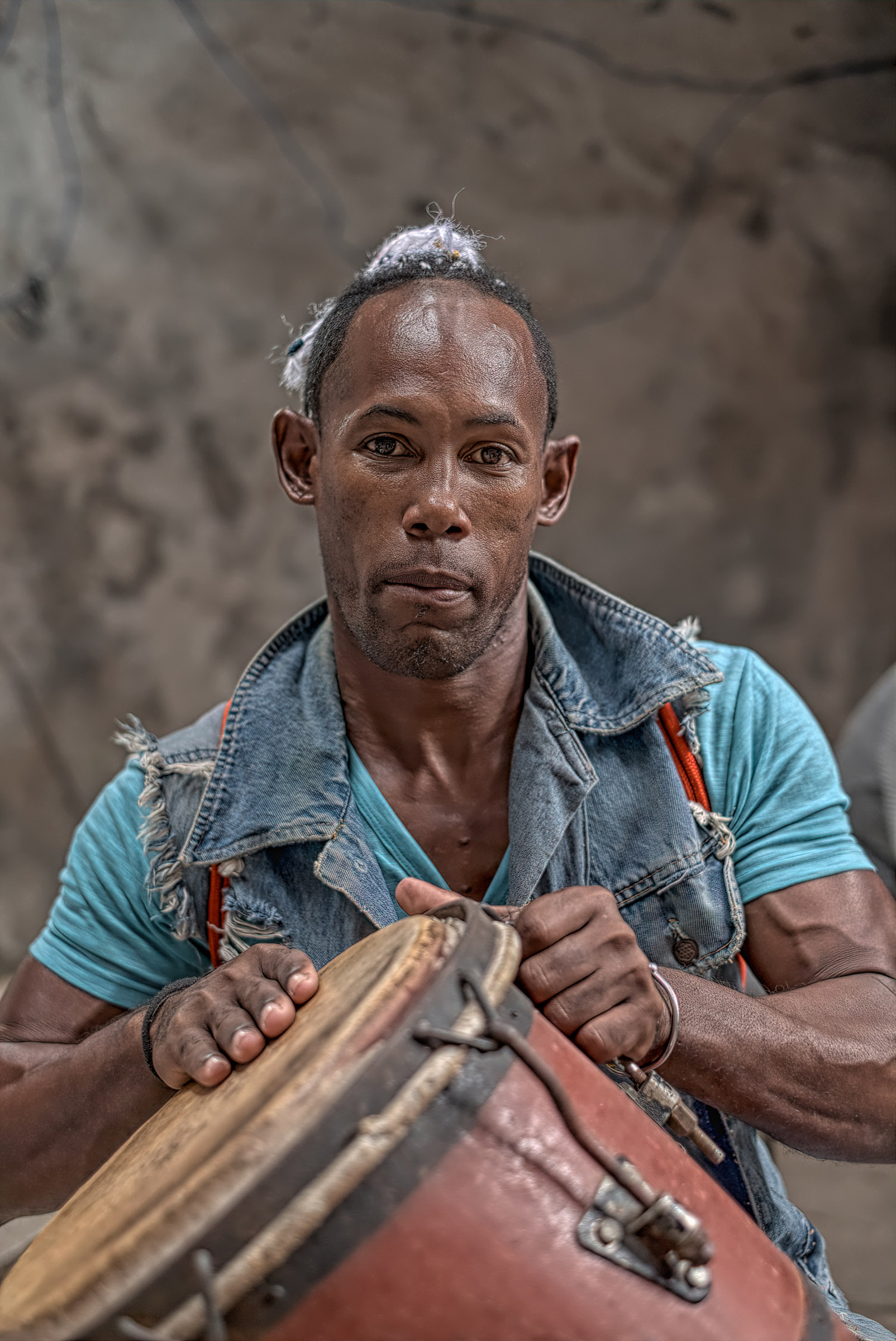
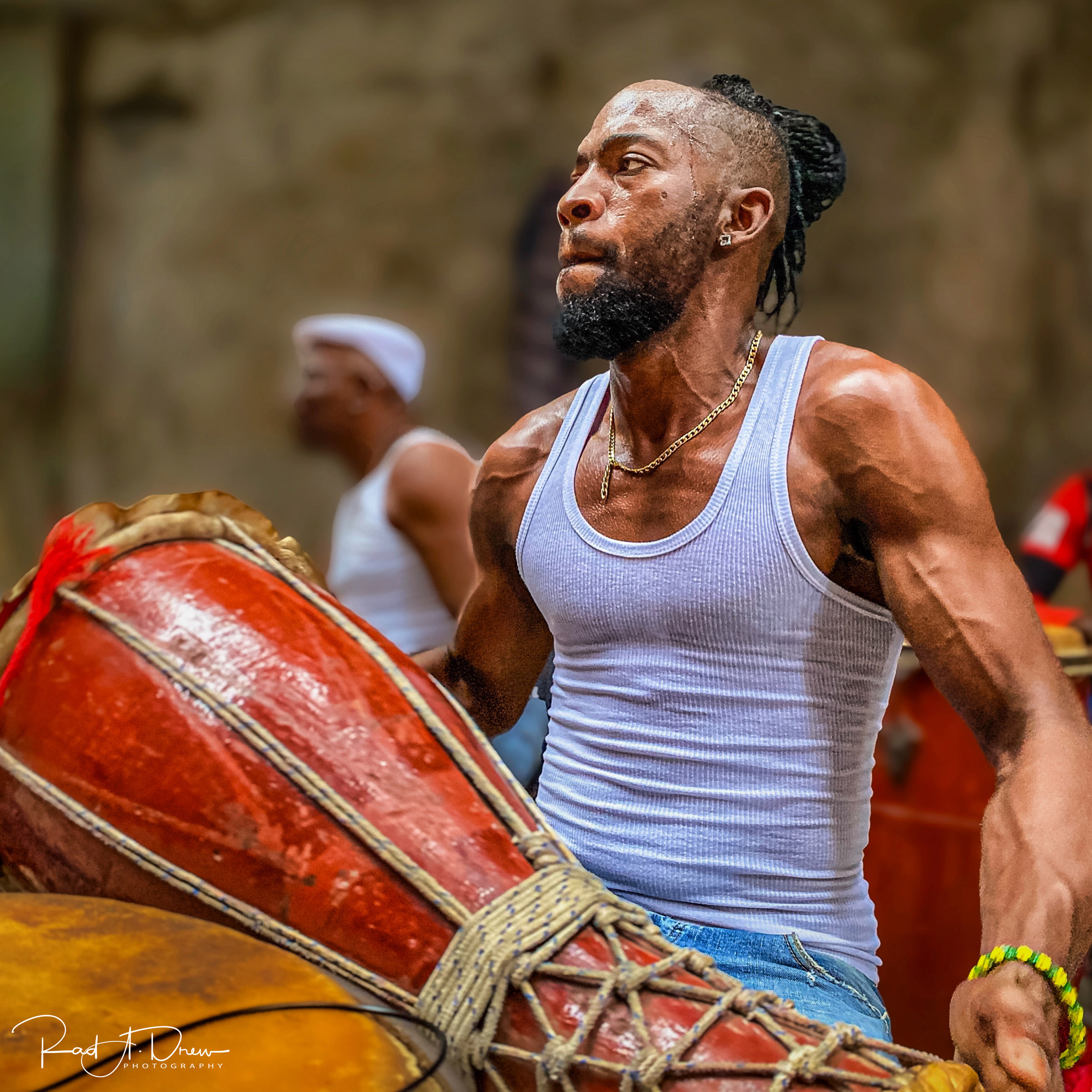
I think about two schoolgirls I encountered for only a few moments on a street in Old Havana, a little boy watching his father cast a fishing net, a group of drummers playing for a Santería ecstatic dance ceremony, and two girlfriends I photographed in Viñales who would be young women now.
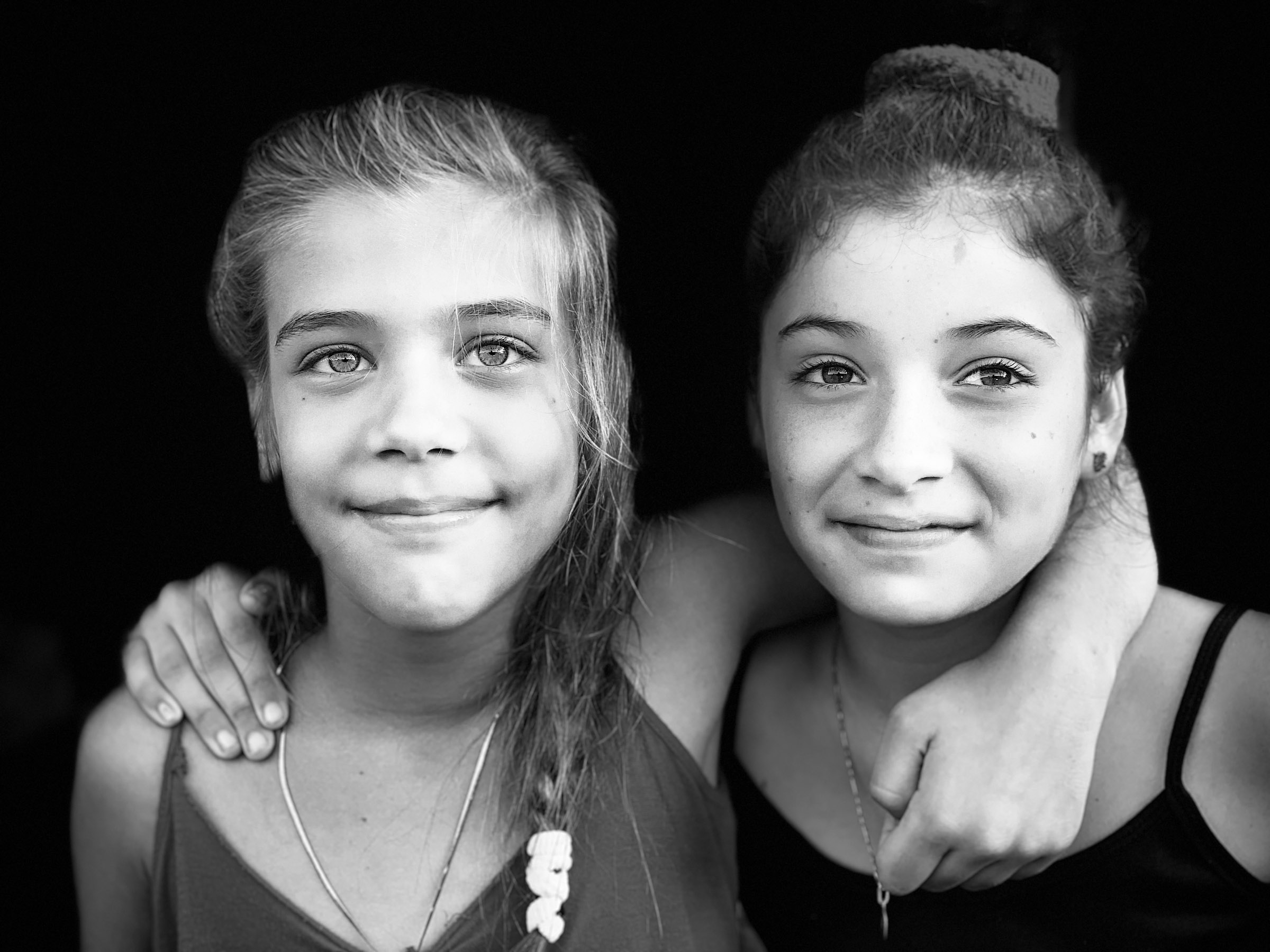
I still have the photographs, of course, but I have no idea what happened to any of those people after our lives briefly intersected.
I look at those pictures differently today than I did when I made them. I wonder where those two girls are now. Did they remain in Cuba? Did they leave? Did their families stay together? What opportunities did they have? What are their lives like now?
Those are questions I can’t answer.
But then there are the people whose stories I do know, and that is where Cuba became something very different for me.
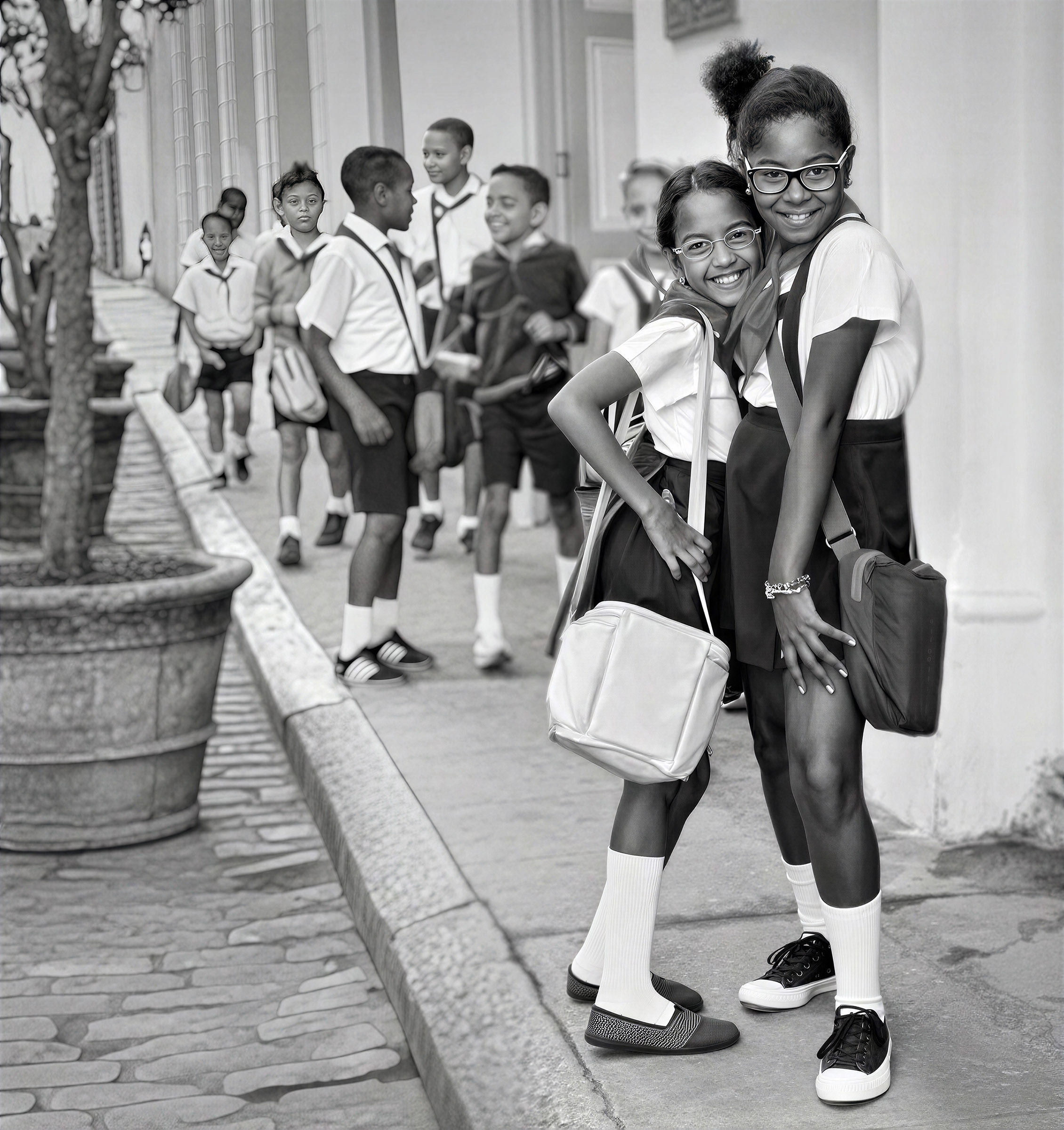
These are the friends who helped make my trips possible and who, over time, became part of my life. They helped me navigate Cuba, introduced me to people I never would have met on my own, invited me into homes and workplaces, solved problems, made things possible, and helped me introduce those 90 photographers to a Cuba that went far beyond the places we came to photograph.
Over the years I came to know their spouses and children, parents and grandparents. I watched children grow. I heard about marriages, illnesses, family problems, job changes, hopes and disappointments. We celebrated good news and worried together when things weren’t going well.
And, of course, Cuba itself was changing. The pandemic took a toll on an already fragile economy and infrastructure.
As conditions worsened, some of my friends eventually made the difficult decision to leave. They are now building lives in the United States, Costa Rica and elsewhere. I’ve never known a Cuban who wanted to leave because they didn’t love Cuba. The people I know who left did so reluctantly and often with tremendous sadness because they could no longer see opportunities at home for themselves or their children.
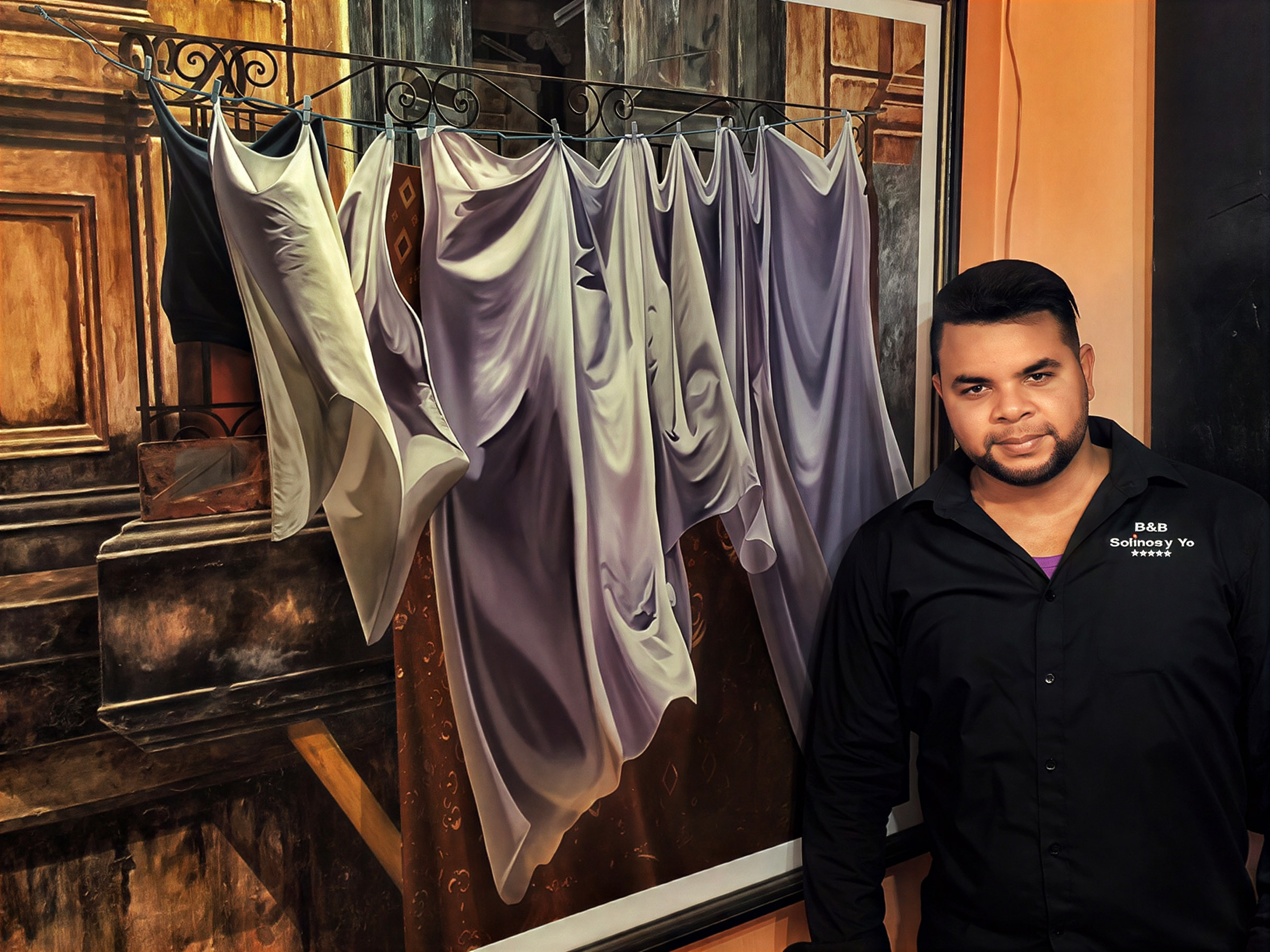
Leaving also meant leaving people they loved behind. That may be one of the hardest things for those of us who have never had to make that kind of decision to understand. Starting a new life somewhere else is difficult enough. Imagine doing it while knowing that your parents, brothers, sisters, children, or closest friends remain behind and are struggling.
Fast forward to today.
We’re all reading the headlines about Cuba. I am too, but I’m also hearing those stories directly from friends who are telling me what it is actually like to live through them.
They tell me about power outages that last 24, 36, sometimes 48 hours or more. They talk about cooking outside over open fires because there is no electricity or fuel for the kitchen stove. Food spoils because refrigeration disappears during prolonged outages, and replacing that food can be nearly impossible when food is already scarce and expensive.
During the worst heat, people sleep outside or on porches because the houses become unbearable and there is no electricity to run a fan. Medicine can be difficult or impossible to find. Families worry about feeding children and caring for aging parents. People who have managed to leave Cuba are trying to establish themselves in new countries while at the same time sending whatever help they can back to parents, siblings, and relatives who remain there.
These aren’t abstract stories to me. They are happening to people I know.
One of the frustrating things for me has been trying to figure out what I can actually do. The problems are enormous, and I certainly can’t solve them. For a while, I think I shared the feeling many people have: I would like to help, but how?
So, I started looking.
Over the past several months I’ve been trying to find practical ways to help the people whose circumstances I do know, and fortunately I’ve discovered that there are several things those of us in the United States can do.
Some are surprisingly simple. We can add minutes and data to Cuban mobile phones, which helps people stay connected with family and friends both inside and outside the country. We can purchase groceries and other necessities through services that deliver directly to people in Cuba. There are also legitimate ways to get cash to people who need it, and there are ways to purchase specific items here and get them to Cuba through trusted friends and family.
More recently, I’ve been helping friends acquire solar power as a way to cope with the increasingly long blackouts. Solar panels don’t solve Cuba’s larger energy crisis, obviously, but for one family they may mean lights, refrigeration, a fan, charged phones, and some measure of independence when the power goes out yet again.
None of these things is going to change Cuba, but they can change somebody’s day.
What we can do can put food on a table, keep a phone working, replace medicine that can’t be found locally, or help someone get through another night without electricity.
I’ve also discovered something else. When I talk with people here about what is happening, many tell me they would like to help but simply don’t know how. That led me to create a page on my website where I’ve gathered the practical methods I’ve found and used, along with instructions and links for people who would like to do something themselves.
LINK TO SUPPORT FOR CUBAN FRIENDS PAGE: https://raddrewphotography.com/support-cuban-friends
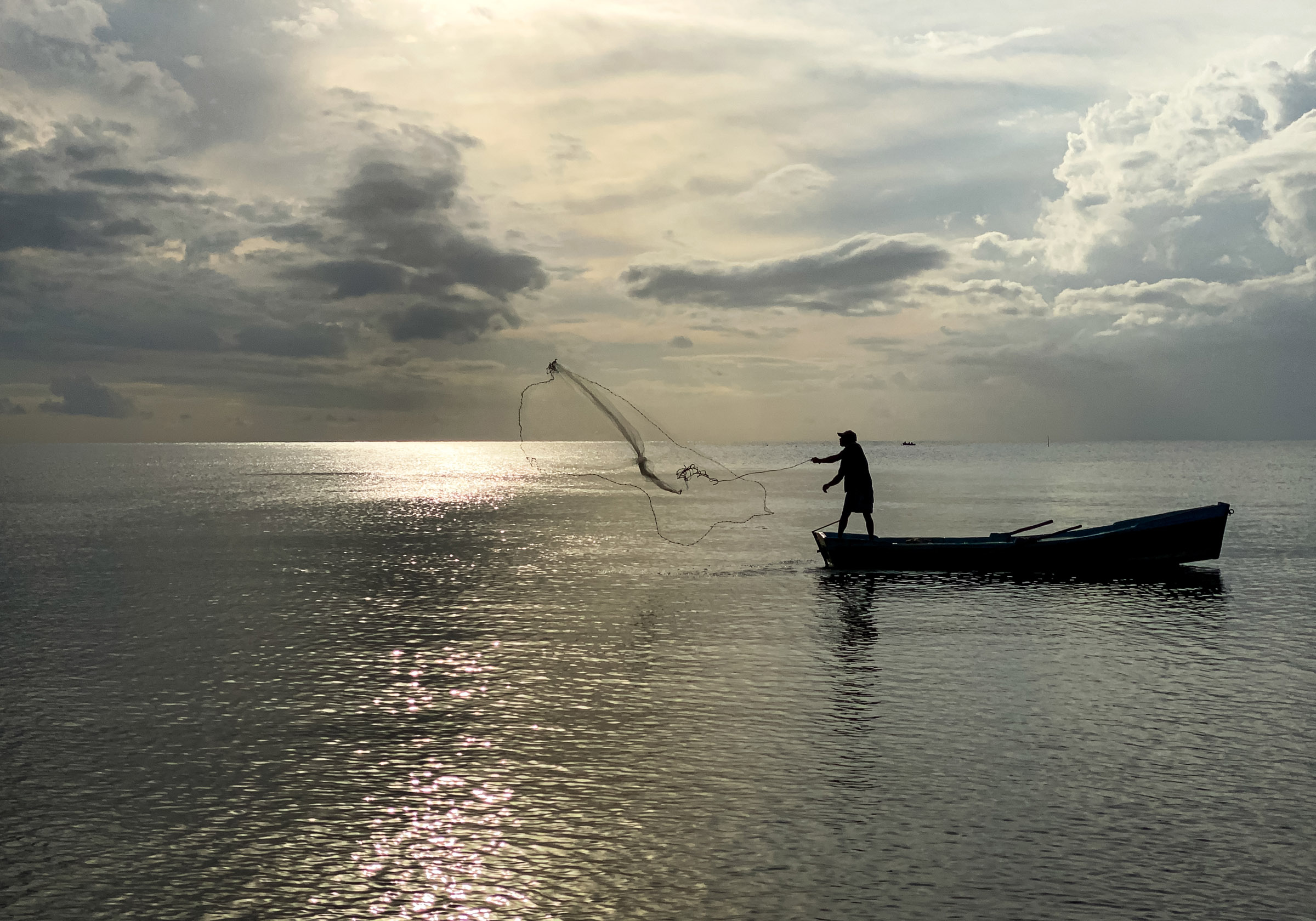
Over the years, the people I met in Cuba gave me and the photographers who traveled with me an extraordinary gift. They welcomed us into their lives, homes, workplaces, families, and culture. They gave us their time and patience, allowed us to photograph them, introduced us to people and places we never would have found on our own, and many gave us their friendship. Helping our Cuban friends now doesn’t feel like charity to me. It feels, at least in part, like gratitude for everything they shared with us.
I first went to Cuba because I wanted to photograph it. I could never have imagined that more than a decade later I would still be talking regularly with people I met there, worrying about whether they have electricity or enough food, and helping others here find ways to help. Photography opened the door, but the people are what have stayed with me. When I look at the thousands of photographs I made over those years, I don’t think first about the cameras I used, the light, or the processing. I think about the people. And right now, some of those people could use a helping hand.
Join the discussion in the forum.
Elevate Your Vision


Read this story and all the best stories on The Luminous Landscape
The author has made this story available to Luminous Landscape members only. Upgrade to get instant access to this story and other benefits available only to members.
Why choose us?
Luminous-Landscape is a membership site. Our website contains over 5300 articles on almost every topic, camera, lens and printer you can imagine. Our membership model is simple, just $2 a month ($24.00 USD a year). This $24 gains you access to a wealth of information including all our past and future video tutorials on such topics as Lightroom, Capture One, Printing, file management and dozens of interviews and travel videos.
- New Articles every few days
- All original content found nowhere else on the web
- No Pop Up Google Sense ads – Our advertisers are photo related
- Download/stream video to any device
- NEW videos monthly
- Top well-known photographer contributors
- Posts from industry leaders
- Speciality Photography Workshops
- Mobile device scalable
- Exclusive video interviews
- Special vendor offers for members
- Hands On Product reviews
- FREE – User Forum. One of the most read user forums on the internet
- Access to our community Buy and Sell pages; for members only.
You may also like