




Jay Maisel died in August 2026 at the age of 95.
Most of the obituaries reached for the same picture first. Miles Davis lowers his head and brings the trumpet to his lips. The photograph became the cover of Kind of Blue and followed Maisel for the rest of his life.
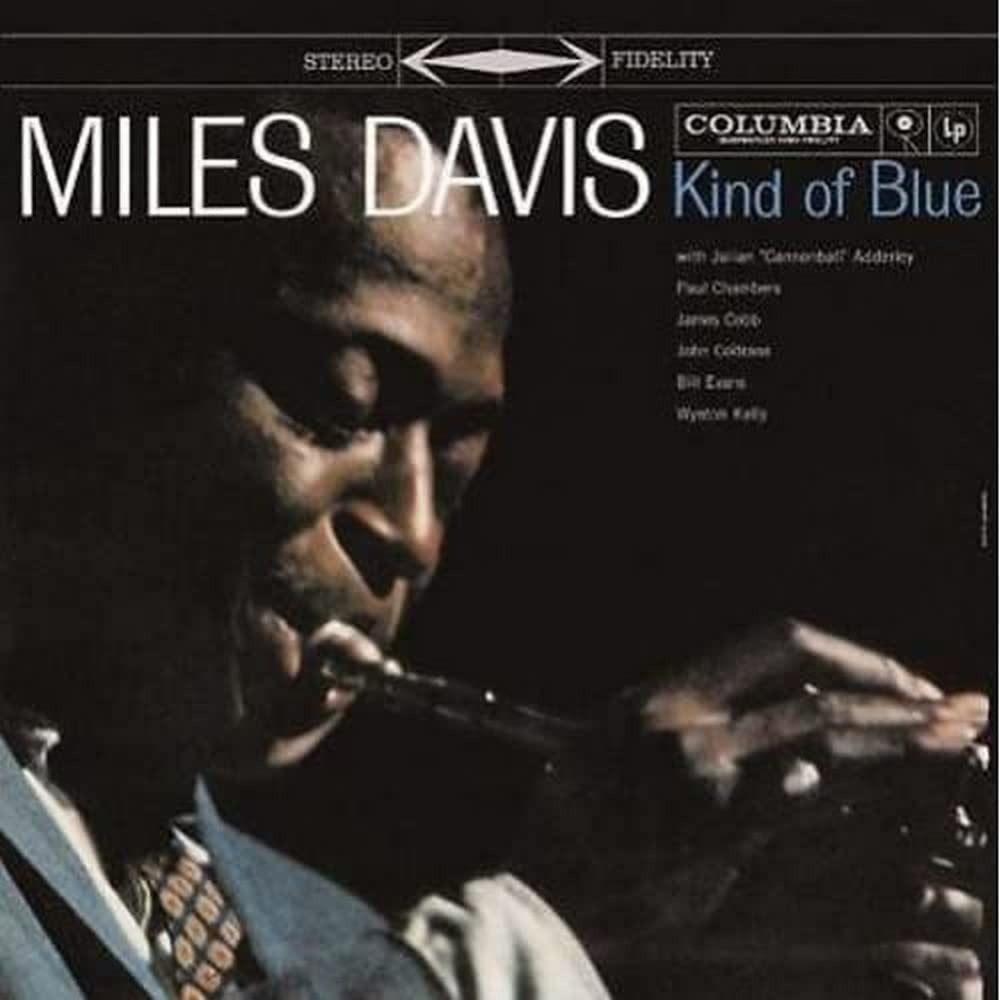
It is a fine place to begin. But, one album cover can’t hold his story.
Maisel worked for more than seven decades. He photographed magazine covers and advertising campaigns. He photographed Marilyn Monroe and John Coltrane. He photographed streets, walls, shadows, trees, faces, reflections, birds, signs and anything else that caught his eye.
He also taught how to see. His workshops at The Luminous Landscape became standout events, drawing photographers who wanted to learn directly from one of photography’s most perceptive teachers. Photographers remember his concise and meaningful advice, and his images were captivating.
Light. Gesture. Color.
Those three words shaped his work. At his core: He taught attention.
A photographer and color
Maisel was born in Brooklyn on January 18, 1931.
He studied graphic design with Leon Friend at Abraham Lincoln High School. He went on to study painting and fine art at Cooper Union. He earned a BFA from Yale in 1953 and studied color with Josef Albers.
His education gave him a strong foundation. He began with form, drawing, and color before bringing those skills to the camera.
Albers taught color as a relationship. A color changes when another color sits beside it. Cooper Union trained Maisel to look at painting, architecture and graphic design. He began to look at the street which forced him to make those visual decisions while everything moved.
Maisel began working as a professional photographer in 1954. His commercial resume grew fast. He made five Sports Illustrated swimsuit covers. He shot the first two covers of New York magazine. He worked on United Technologies advertising for twelve years. His client list crossed editorial, corporate and advertising work.
He received awards from the International Center of Photography, the American Society of Media Photographers, the Art Directors Club, Professional Photographers of America, Cooper Union and the Lucie Awards.
The assignments grew his name – but his personal work in photography explains his influence.
Maisel stopped taking commercial work in 1995. He spent the next phase of his career photographing for himself and teaching other photographers how to pay attention.
The Bank
No account of Jay Maisel feels complete without 190 Bowery.
In 1966 he bought the former Germania Bank building for $102,000. The six-story structure covered about 35,000 square feet and held 72 rooms. Maisel lived and worked there for close to fifty years.
Everyone called it the Bank.
It held his home, studio, archive, workshop rooms and a basketball court. It also held the material he collected across decades. Tools. Signs. Boxes. Hardware. Stained glass. Industrial parts. Objects with useful shapes. Objects with history. Objects most people left behind.
Our own Michael Reichmann and Chris Sanderson cherished their time visiting Jay at the Bank.
The building made sense once you saw his photographs. Maisel collected overlooked things and photographed overlooked things. Both habits came from the same kind of attention.
Students entered the Bank for his workshops from 2008 through 2015. More than 640 of them studied there. The place became part classroom and part working map of his mind.
Keeping it became harder. Annual expenses reached about $300,000. Maisel sold the building in 2015 for $55 million.
His friend and former assistant Stephen Wilkes filmed the move. The result became Jay Myself. The documentary follows Maisel as he sorts through a lifetime of pictures, objects and decisions. Cameras sit off to the side. Memory, attachment, age and work take over.
Jay and The Luminous Landscape
Maisel was part of The Luminous Landscape history.
In April 2007 Michael Reichmann led an expedition workshop on the Amazon with Maisel, Chris Sanderson, Andrew Rodney and naturalist Fiona Reid. They came home with pictures, field notes and stories from the river. Maisel later invited the LuLa team into the Bank for an interview and tour.
The footage became a one-hour portrait in Luminous Landscape Video Journal 17. Jay walks through his studios, workshops and galleries. He talks about pictures and life. The building provides the structure, yet his way of looking drives the hour.
Michael also brought Maisel to Toronto for a two-day Luminous Landscape seminar on December 1 and 2, 2007. The title was Photographic Perception. The room included advanced amateurs and working professionals. The seminar sold out.
What’s interesting is the timing – digital photography was moving fast. Photographers were debating sensors, raw processing and color management. Michael booked a 76-year-old New Yorker for two full days on seeing.
No gear module. No workflow lecture. No list of preferred settings.
The goal was to help photographers see what existed inside their own frames.
Maisel spent years in LuLa’s orbit. Some of those conversations entered the archive. More of them shaped how this publication talked about photography.
Gear matters. Technique matters. Seeing comes first.
Light, Gesture, and Color
Maisel published Light, Gesture, and Color in 2014 through New Riders. The 264-page book belongs to the Voices That Matter series.
It’s a bit different from a standard photography manual.
The book focuses on observation. Instead of centering lens specifications, Maisel pairs photographs with short accounts of what he noticed, where he stood, what went wrong and what made him press the shutter.
The photographs do the teaching and the text shows the behavior behind them.
The book divides its subject into three parts.
- Light gives form and directs attention.
- Gesture gives a subject character.
- Color creates relationships inside the frame.
Those three ideas overlap. Maisel treated them as flexible guides rather than a formula. He knew a photograph built from two of the three still had a chance.
He named a section of the book: “Two Out of Three Is Not Bad.”
The book asks one question across hundreds of pages.
What made you stop?
Light as a subject
Maisel taught that light becomes part of the subject and often becomes the subject itself.
It reveals texture. It separates one shape from another. It changes color. It hides information. It pulls your eye toward one part of the frame and away from another.
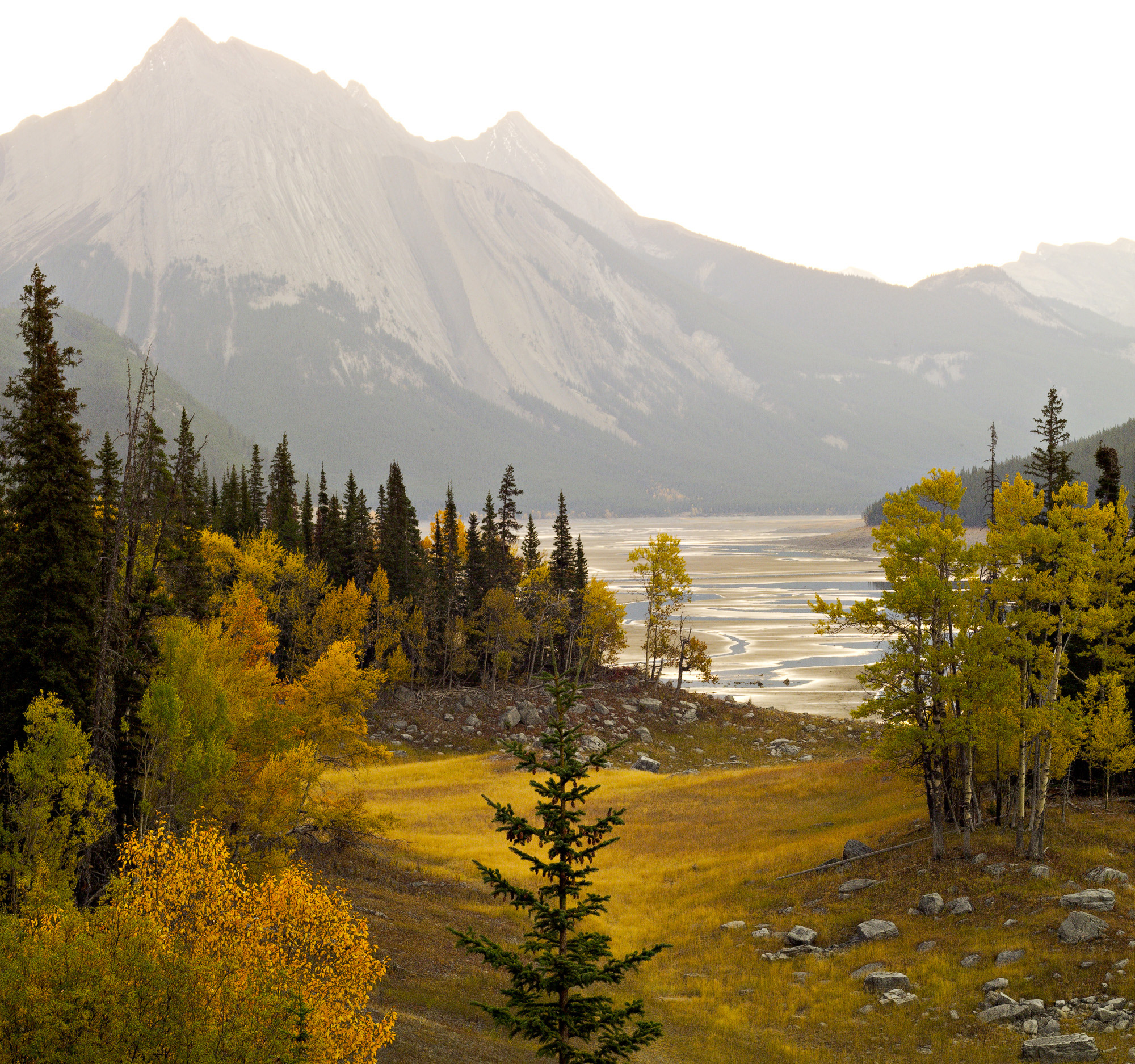
His “Bad Light at Noon” sequence challenges the habit of putting the camera away in the hard midday sun. At that hour, the sun creates short, dark shadows, sharp highlights and strong contrasts that can make faces and surfaces look harsh. Many photographers wait for softer morning or evening light because it is easier to control.
Maisel treated the difficulty as part of the subject. He looked for scenes where the hard light could reveal texture, flatten a wall into an abstract shape, isolate a figure against deep shadow or create a graphic pattern across the frame. The light was difficult, but it was not useless and Maisel kept looking for a way to use it.
An aluminum wall in Queens became an abstraction when reflected light crossed its surface. The wall alone held little interest. Light changed its structure.
Trees, Maine carried a harsher lesson. Maisel photographed the scene from a helicopter. He asked the pilot to circle for another angle. The opposite view failed. When the helicopter returned to the first position, the light had gone.
His response became one of his shortest instructions.
“Shoot it now.”
Good light has a short life. The background shifts. A reflection moves. A face turns. Clouds close the opening. Maisel wanted the first frame before the relationship disappeared. Shoot it now. Refinement comes later.
He also told photographers to turn around. Light in front of you has an effect behind you. A subject receiving light occupies only half of the event. The reflected light, the shadows and surrounding surfaces all should be seen.
For Maisel, light required movement. Step left. Drop lower. Walk across the street. Wait. Turn around. Raise the camera. Seeing is physical.
As Maisel put it, “Move your ass.”
Gesture is more than movement
Gesture is one of the most expansive and rewarding things to think about in Maisel’s system.
It reaches beyond a hand, a stride or a facial expression.
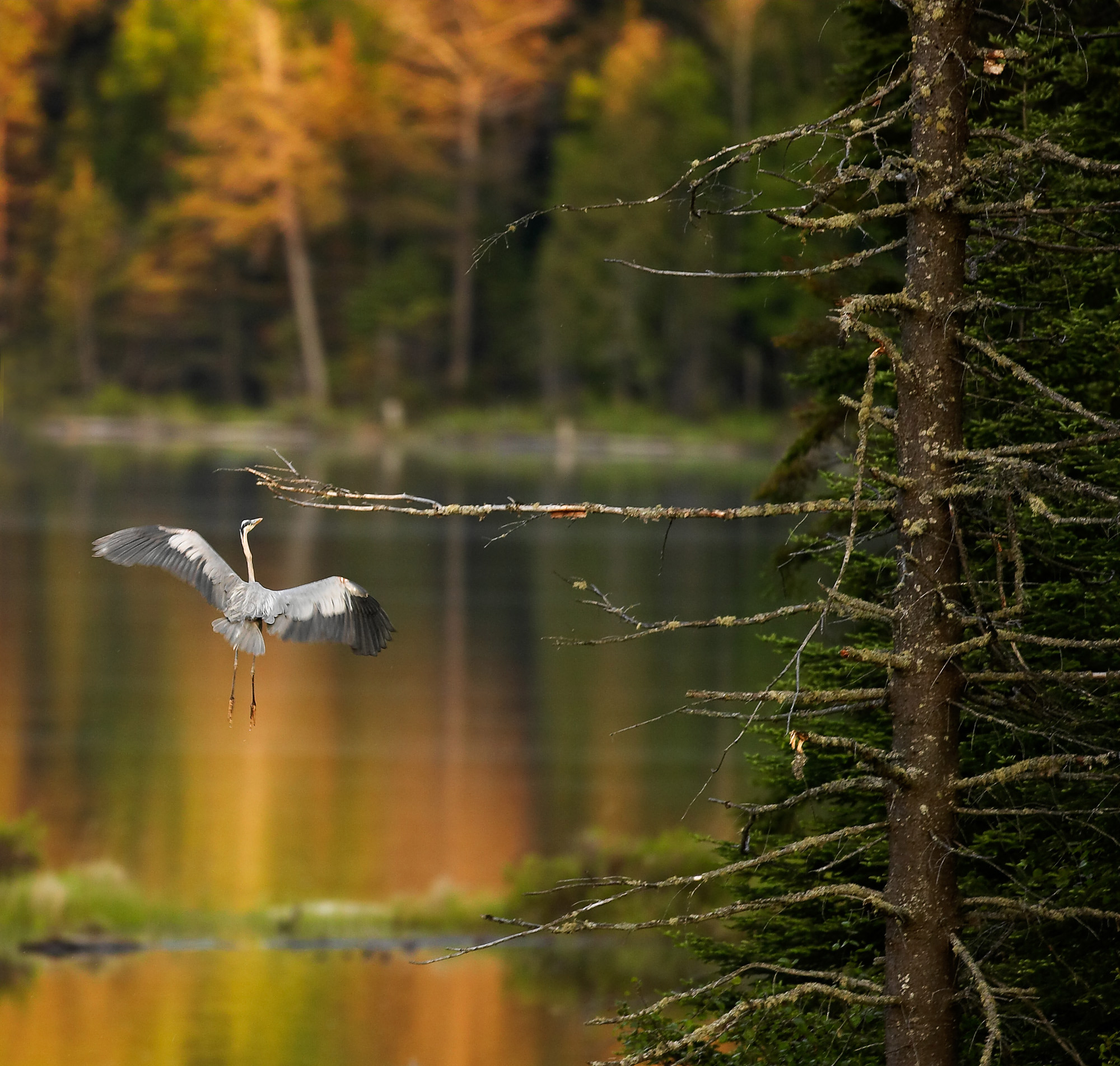
A building has gesture. A tree has gesture. A mountain ridge has gesture. So does a chair, cloud, railing, bird or stain on a wall.
Gesture describes how a subject presents itself. It carries character. It can show tension, fatigue, grace, damage, humor or resistance.
A person leaning into the wind contains gesture. A tree bent by years of wind contains it too.
Maisel valued graphic form. His early training made sure of it. He also warned against stopping at clean design. A picture can contain balanced geometry and controlled color while saying little. Gesture gives the structure a reason to exist.
This idea reaches well beyond street photography.
Maisel described gesture as the quality at the center of a thing. You recognize it when a subject comes alive and reveals its character within the frame.
The tree becomes more than a tree.
Color works through relationships
Maisel studied with Josef Albers. You can see the connection throughout his work.
Color never works alone. Red changes beside gray. Blue shifts beside orange. A small yellow shape can control a frame filled with cooler tones.
Maisel used color to organize pictures. Color gave subjects clear presence against their surroundings, connected distant parts of the frame, built rhythm through repetition, brought energy to contrasting areas and shaped the emotional temperature of a scene.
He walked with an open mind, welcoming every color relationship that captured his attention.
Light and color remained linked. Morning light, open shade, reflected sun, overcast skies and twilight all change the same painted surface. A photographer who watches color change under light begins to see the relationship.
Maisel often found strength in restraint. One color accent can carry more weight than a frame full of competing hues. Amount matters. Position matters. Context matters.
If removing the color empties the photograph, color was the subject.
What he asked photographers to do
Maisel’s teaching sounds blunt because it was blunt. Strip away the stories and the work comes down to behavior.
- Carry the camera. “It’s tough to shoot a picture without one.”
- Make the first frame now. Light and gesture will move.
- Change your position. “Move your ass.”
- Take responsibility for the full frame. The background belongs to you.
- Go out without a fixed picture in mind. Let the street set the assignment.
- Expect a low success rate. One section of his book admits to missing 99 out of 100 fleeting moments.
- Edit hard. A difficult picture taken earns no credit for difficulty.
- Build a life outside photography. Your interests determine what catches your attention.
Words to live by.
His equipment served the walk
Maisel had access to equipment. He chose a simple working setup for the street.
By 2010 he often used a Nikon D3s with the AF-S NIKKOR 28-300mm f/3.5-5.6G ED VR. The lens replaced the 24-70mm and 70-300mm combination he carried before it.
One body. One lens. A focal-length range from wide angle through telephoto.
The choice kept him out of the bag and inside the moment.
He also used the D3s at ISO 6400 and ISO 12,800 when the light dropped. Those numbers certainly drew attention in 2010. Maisel cared about what the sensitivity gave him. He stayed out longer. He made pictures in light he once would have lost.
Every technical choice served the same goal. Keep the camera available. Keep – YOU – the photographer responsive.
The edit after the walk
Maisel’s openness on the street was matched by his rigor at the editing table.
He expected failures. He also expected photographers to remove them from the final edit.
A missed focus point, a blocked gesture, a weak expression or a distracting background might still matter as part of the experience of making the picture. But… none of that makes it worth keeping. The edit had to judge the photograph on its own terms, without rewarding the effort, timing or difficulty behind it.
The memory of making a picture can protect a weak frame. You remember the long walk, the difficult weather, the access or the split-second timing. A viewer sees none of it.
The photograph has to work without your story.
Maisel had a demanding test for his favorites. A picture needed to retain its effect after years of repeated viewing.
Ask a few direct questions during an edit.
- Does the picture survive familiarity?
- Does it hold attention without an explanation?
- Does the background help?
- Is the gesture clear?
- Is the light doing work?
- Does the color have structure?
- Are you keeping it because the picture works or because making it was hard?
When the walk changed
Age and arthritis reduced Maisel’s ability to walk the streets as he had for decades. His working life changed with his body.
He turned toward the archive.
Traditional film scanners had proved slow and expensive for his team. Matt Dean built a camera-scanning system around a Nikon D810 and AF-S Micro NIKKOR 60mm lens. By 2018 the team had digitized close to 14,000 frames from Maisel’s film years.
He had spent decades going outside to look. When walking became harder, he looked again at the work already inside the archive.
The attention continued.
Why Jay Inspires
Photography now gives us cameras able to identify eyes, animals, cars, planes and faces.
Software can remove objects, replace skies, correct lenses and generate finished scenes from text. But…
You decide where you should stand.
You decide which gesture matters.
You decide what colors we see.
Maisel embraced digital cameras. He used high ISO settings and a broad zoom. His work was never anti-technology. He placed technology in the service of attention.
We cover cameras at Luminous Landscape. We test sensors, lenses, autofocus, dynamic range and raw files. We care about those tools because working knowledge makes capturing the light, gesture, and color easier.
Maisel reminds us where the tools sit in the order of work.
The camera records your decisions.
Keep looking
Pay attention.
Move.
Own the frame.
Accept the miss.
Edit without sentiment.
Keep the camera close.
If you worked or studied with Jay, traveled with him, visited the Bank or crossed paths with him on the street, add your story in the forum.
Thanks, Jay.
Sources and further reading
- Jay Maisel official biography
- Jay Maisel, Light, Gesture, and Color
- Jay Maisel on carrying less equipment
- Jay Maisel on digitizing his film archive
- Jay Maisel obituary and teaching legacy at DPReview
- Jay Maisel lifetime achievement biography at the Lucie Awards
- Luminous Landscape, Jay Maisel Seminar Toronto
- Luminous Landscape, An Amazon Portfolio
- Luminous Landscape Video Journal 17
- Luminous Landscape visits Jay Maisel
- Luminous Landscape review of Light, Gesture, and Color
- Vanity Fair on 190 Bowery and Jay Myself
- The New Yorker on 190 Bowery
- ASMP interview with Jay Maisel
- Jay Myself director statement from Stephen Wilkes
Elevate Your Vision


You may also like