




Three weeks before I was due to fly to Spain, the purpose of the trip disappeared.
The visit had been planned as our scouting trip for the LuLa eclipse expedition. We came close to having enough photographers to move forward. The response from the community showed strong interest. Thank you all – I’m very excited to come together and create with our community one day soon.
When decision day arrived, the numbers sat a touch below where they needed to be.
So we paused the trip.
It taught us something useful. A trip of this scale needs just a little more lead time. And – the enthusiasm for future photographic journeys from the LuLa community is there.
My plane ticket remained. Well…what to do with it and the scheduled time?
Instead of scouting eclipse locations in the Spanish countryside, I gave myself a different assignment.
One bag. One main camera. One lens. Fly to Madrid, train to Valencia, and train to Barcelona, fly home.
No client brief. No shot list. No pressure to return with a specific image.
I wanted to be free and to explore what caught my eye and to experience the people and places.
Three Cities and Too Little Time
Barcelona, Valencia, and Madrid offer three distinct visual experiences.
Barcelona gives you dense streets, Mediterranean light, Gaudí’s architecture, public art, and crowds moving through tight spaces.
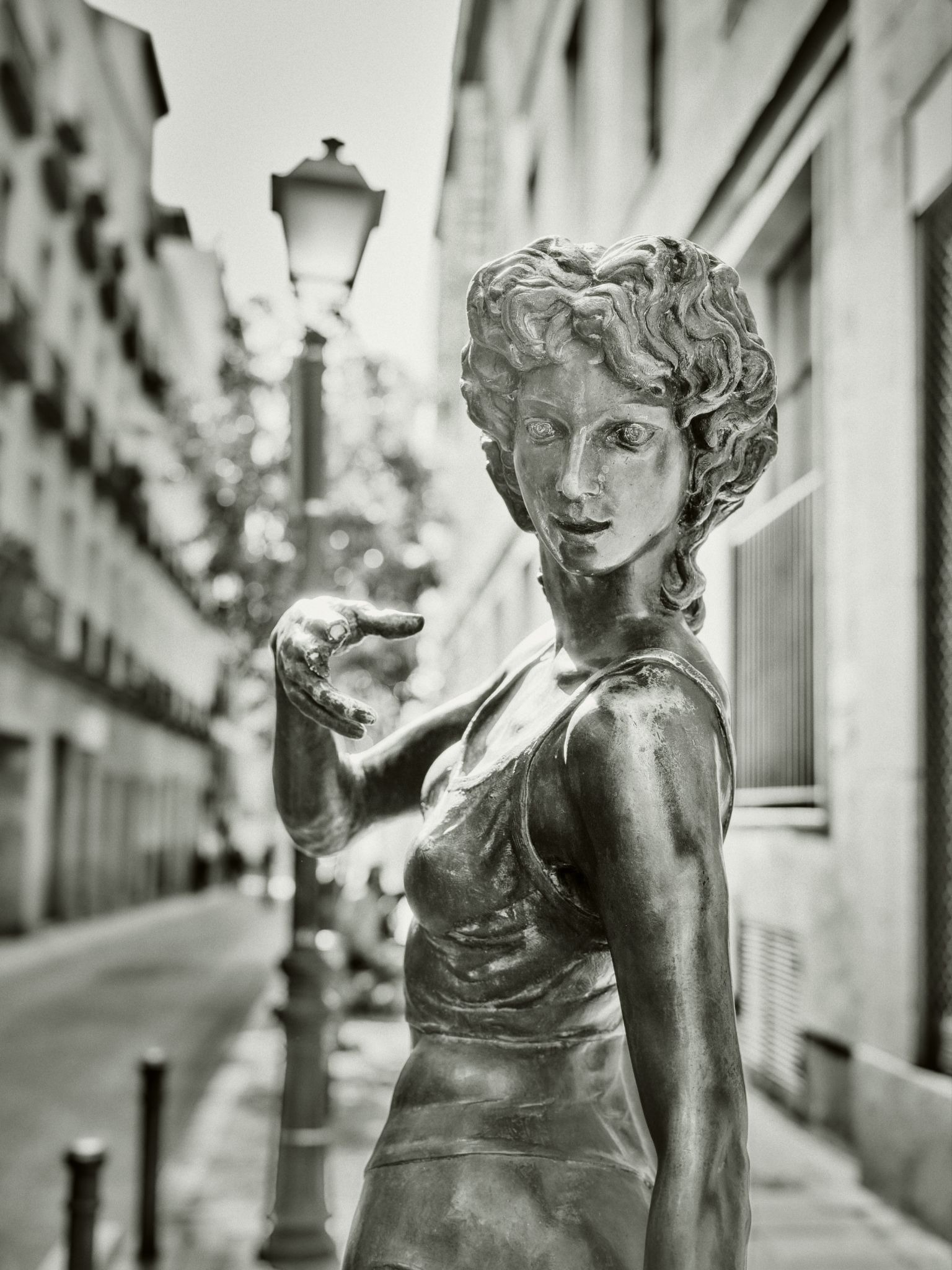
Valencia shifts between old neighborhoods and the modern wonderland of the City of Arts and Sciences. The complex stretches for close to two kilometres through the former Turia riverbed. A wonderful morning walk with parrots and woodpeckers abound.
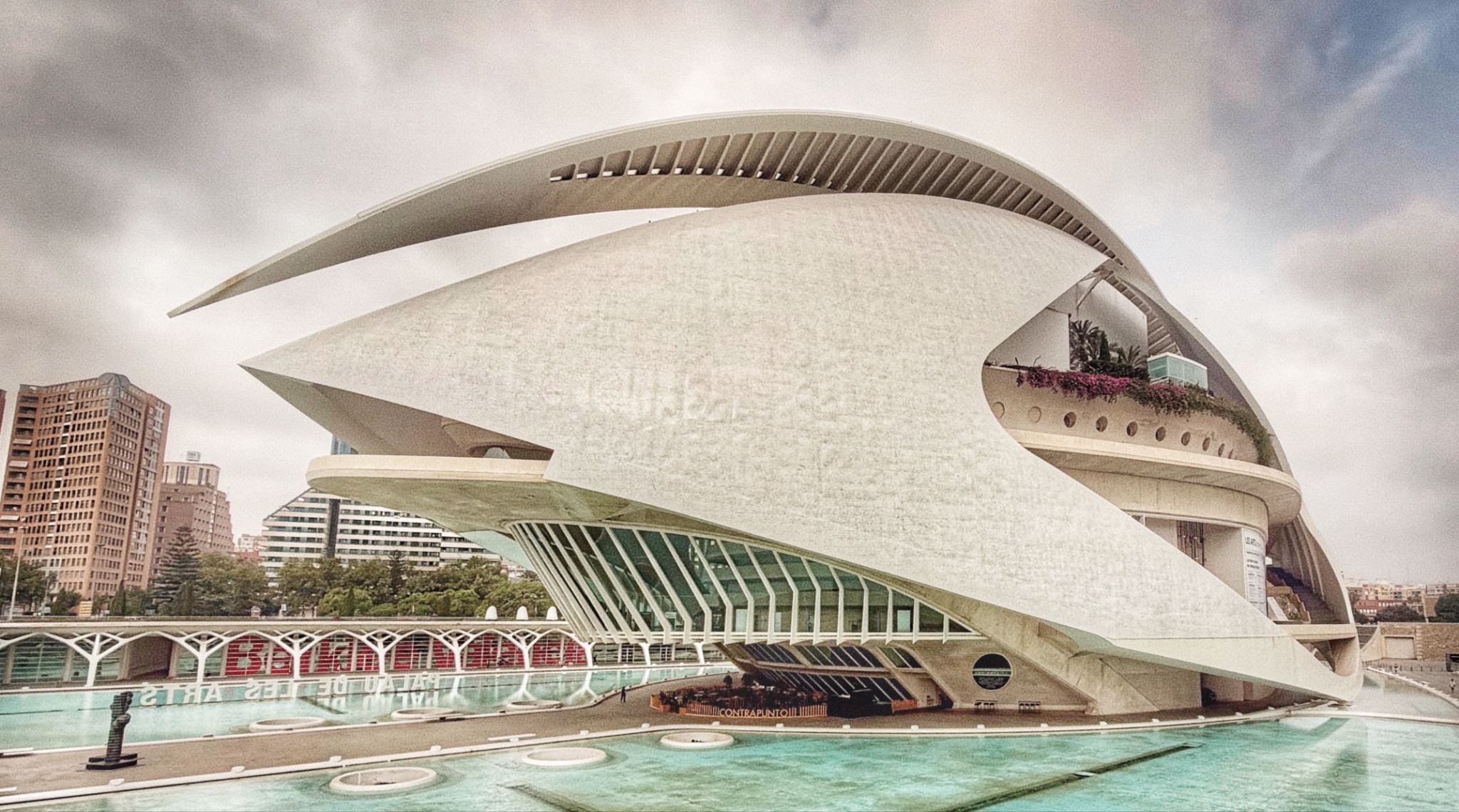
And the City of Arts and Sciences – Santiago Calatrava and Félix Candela designed its main structures. Its white surfaces, curves, shadows, water, and open pedestrian areas give photographers room to study shape and scale.
Madrid carries more weight. The streets feel formal in places, loose in others, and full of people late into the evening. The Cicadas sang and buzzed loudly in their summer song.
And the museums alone needed several days. I found out that Picasso went to The Prado Museum in Madrid every day for almost two years. Observing and painting.
Spain’s rail system made the route manageable. The trains between the three cities were comfortable and easy to use. That is, until the air conditioning in one of the cars failed and a group of senior passengers made their frustration very clear to the train attendant.
I switched trains with one of the overheated people and they were super appreciative. So maybe gets 4 out of 5 stars – it was clean and comfortable when the AC was on.
One Camera and One Lens
I had a Sony A7R VI on loan before the trip. Shout out to B&H – Thank you. My only lens for the Sony though was the 20-35mm, which would have covered the architecture well. To be fair, my heart wasn’t in it.
Because… I had recently bought the Fujifilm GF55mm F1.7 R WR. I had to weigh what was going to bring me more joy to bring around. I could only bring one camera for lightweight travel. My goal was to be nimble with one camera. So…
I wanted to test one question.
Can the 55mm work as a travel and walkaround lens on the Fuji GFX 100S?
The lens gives a field of view equal to about 44mm on a 35mm full frame camera. It sits between the traditional 35mm and 50mm perspectives, which makes it wide enough for environmental work while keeping a natural view of people. I really wanted to play with the wider depth of field of an f1.7 or 2 on the medium format while walking around.
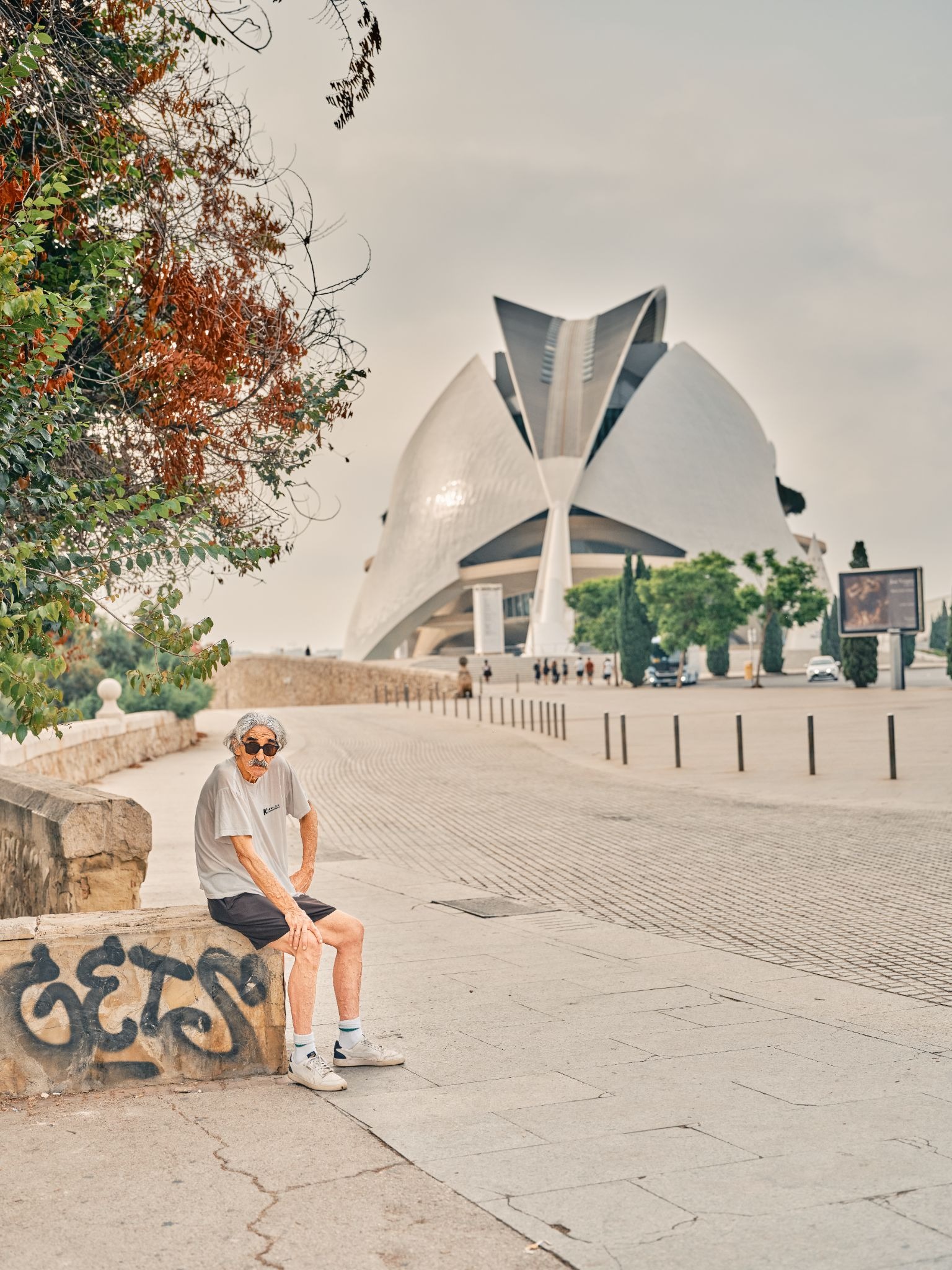
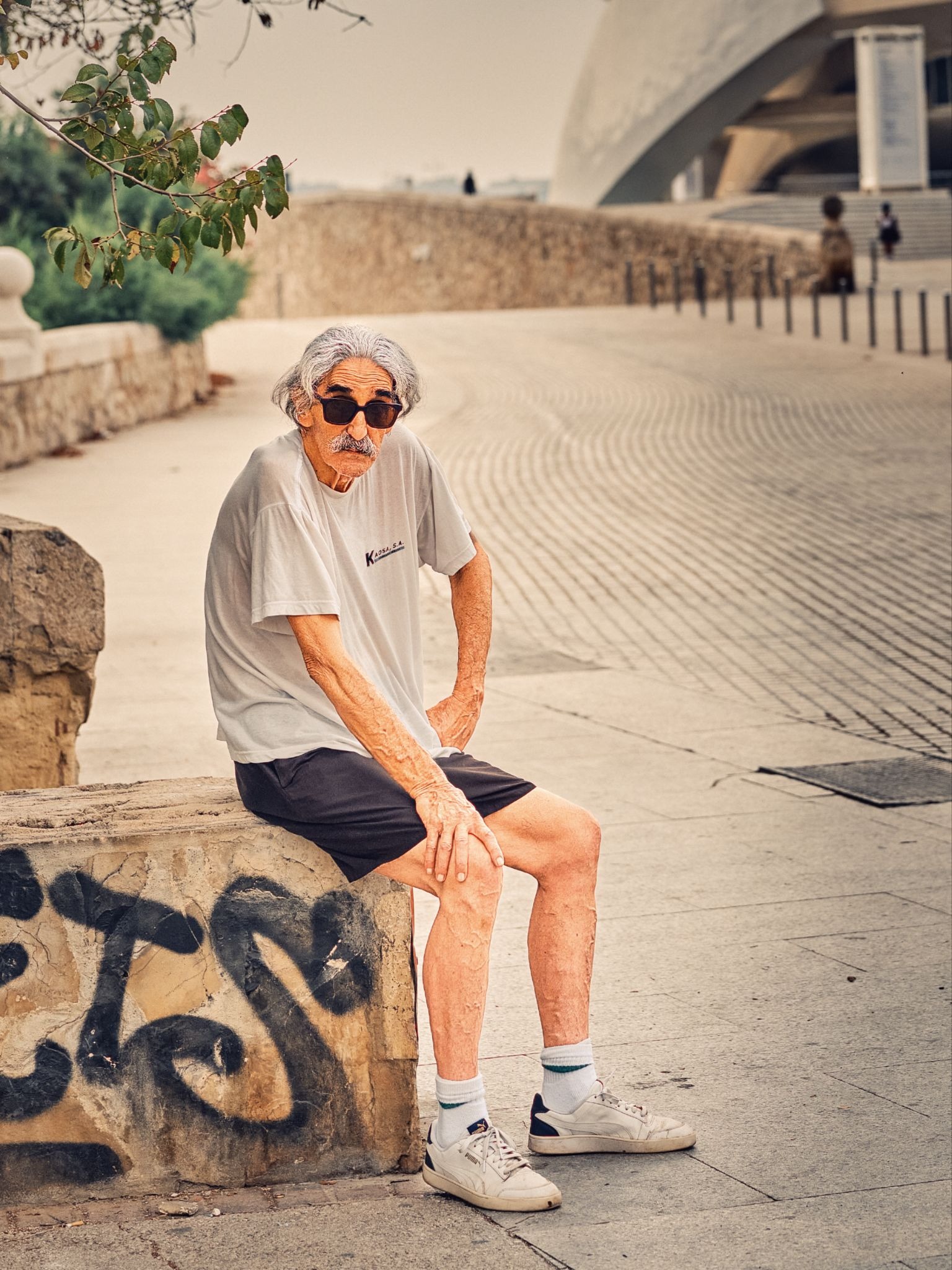
The GFX 100S body weighs about 900 grams before adding the lens, strap, bag, batteries, or water. So – no one will ever confuse this setup with a compact travel camera.
It worked and I was excited to carry it around.
I carried everything in a small over-the-shoulder sling bag with an open pouch. It held my kindle, small flash, polarizer, gum, wallet, water, sunblock, and passport. It didn’t leave my side. The Peak Design strap stayed across my body over the sling bag’s strap while the camera rested inside the pouch (lenscap off -ready to go).
The bag supported most of the weight. The strap kept the camera secure. When something happened, I pulled the camera upward and shot within seconds.
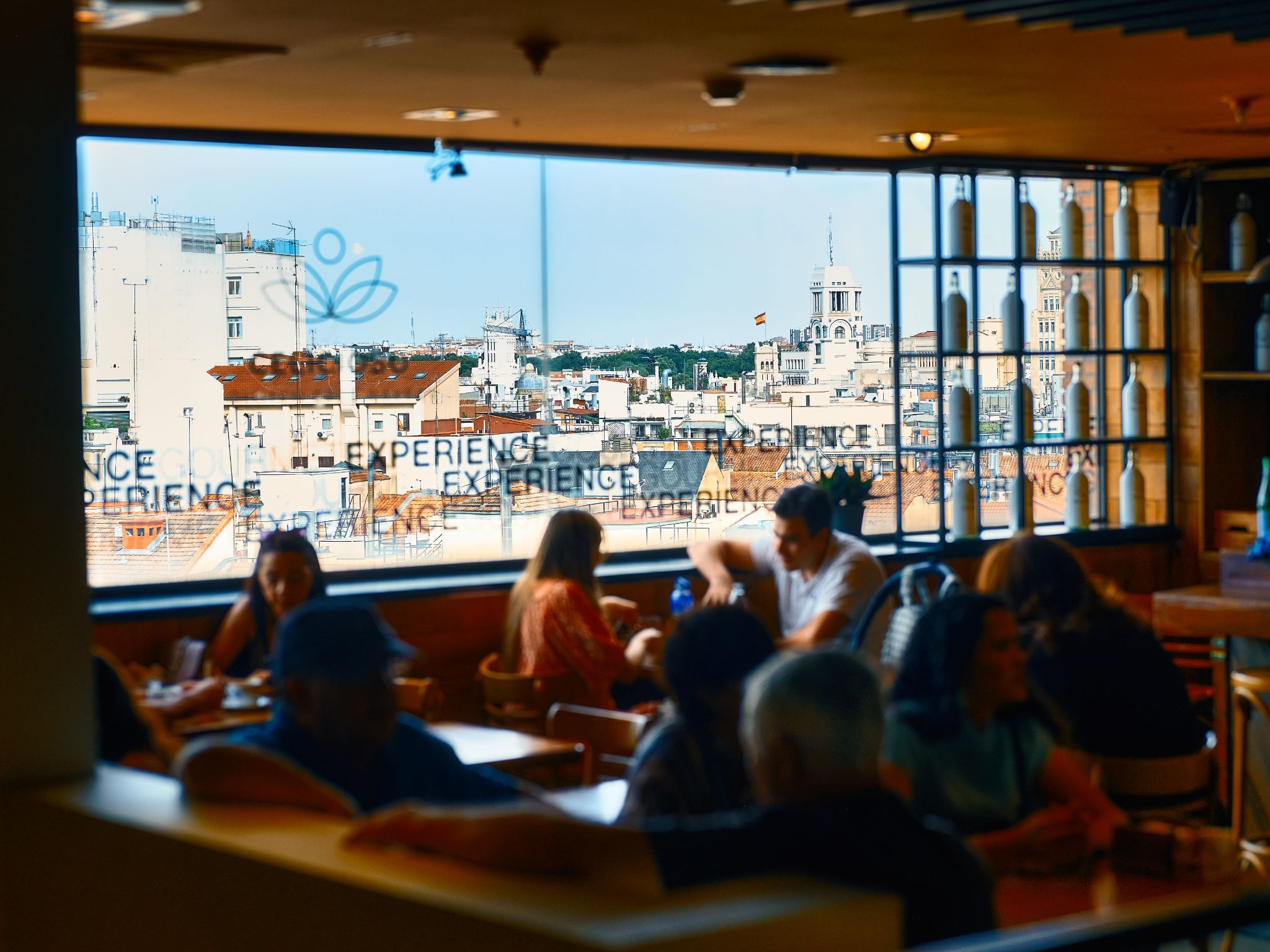
After a day or two, the weight became familiar. Switching shoulders helped. Adding a full water bottle made the bag heavier, but Spain in July makes water more important than camera comfort.
The 55mm forced me to work for each frame.
I stepped back from architecture. I moved closer to people.
I did feel confident that for lots of the subjects I could crop in later. The 102-megapixel files give enough room to adjust the framing later without giving away much image quality.
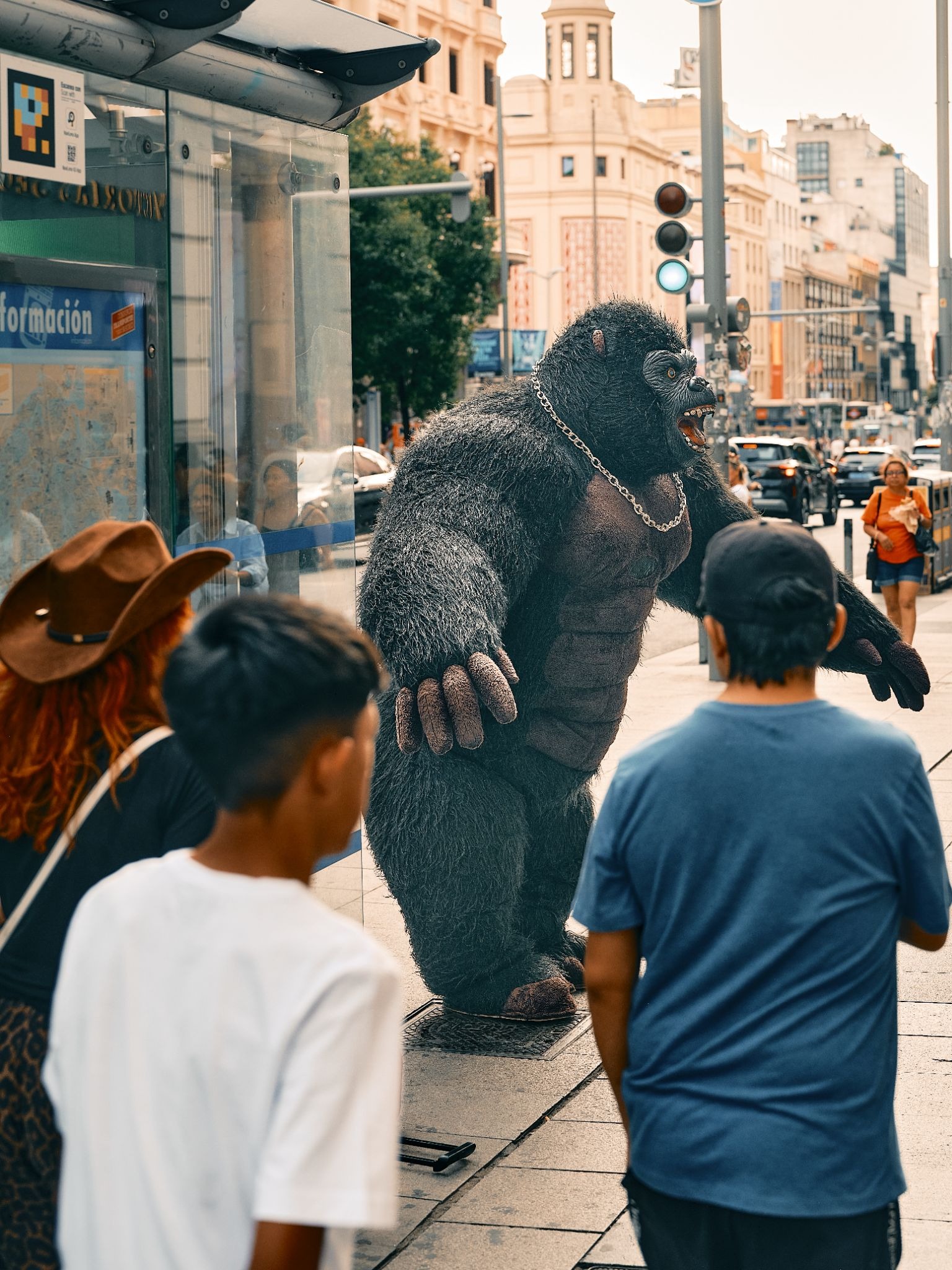
The lens also gave me the separation I wanted. At wider apertures, a person could stand apart from a busy street without losing the sense of place around them.
I could see the gorilla on the street and isolate him in the scene (see vision article about being aware of gorillas!)
So, is the GF55mm a walkaround lens?
Yes, with a supportive bag and a willingness to carry the weight.
It is less suited to photographers who want one lens to cover every distance. It works well for photographers who enjoy committing to one point of view.
When the Big Camera Changed the Moment
The GFX produced the files I wanted, but it really does change how people responded to me.
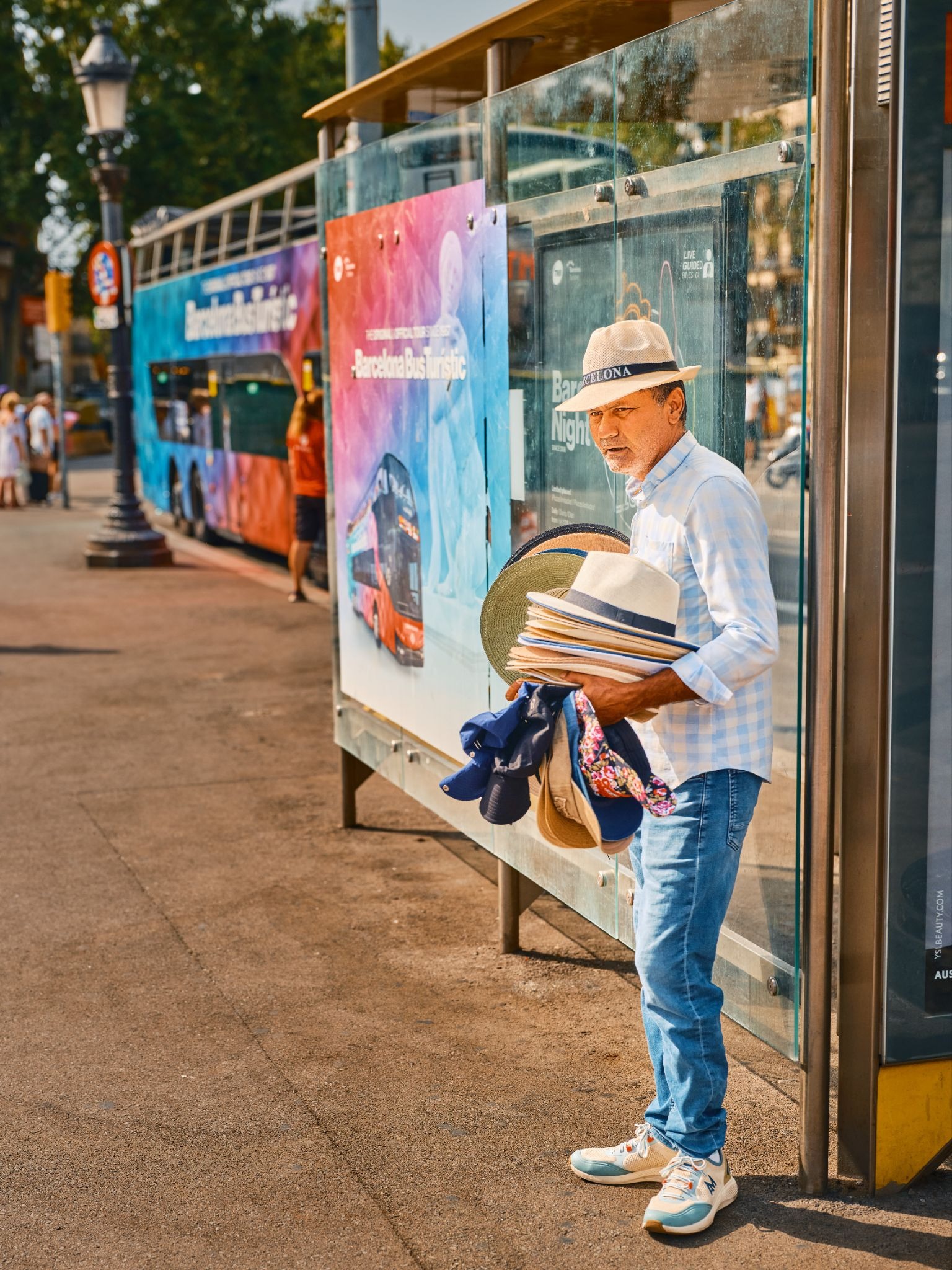
A large camera attracts attention. It makes people shy – I had one person at the street market seem almost scared of it.
Many notice me long before I raise the camera.
This matters in street photography.
Your equipment affects more than image quality. It affects the space between you and the person in front of you. I’m still figuring out my approach with the Big Street camera.
For quieter moments, I used the iPhone 17 Pro Max. Its camera system covers fields of view from a 13mm equivalent ultra-wide lens through longer telephoto options. I do love the color and almost “plasticky” feel of the image.
The lens range gave me more framing choices than the fixed 55mm while keeping the interaction casual and easy to capture.
The phone allowed me to stand closer without changing the mood. It also helped capture some beautiful wides and extreme close ups.
The GFX helped me isolate and study.
The iPhone helped me move, respond, stay close/get close, and be quick.
Art Outside the Museum
I knew Spain’s architecture and paintings were something to experience. I did not expect to feel artistic expression everywhere.
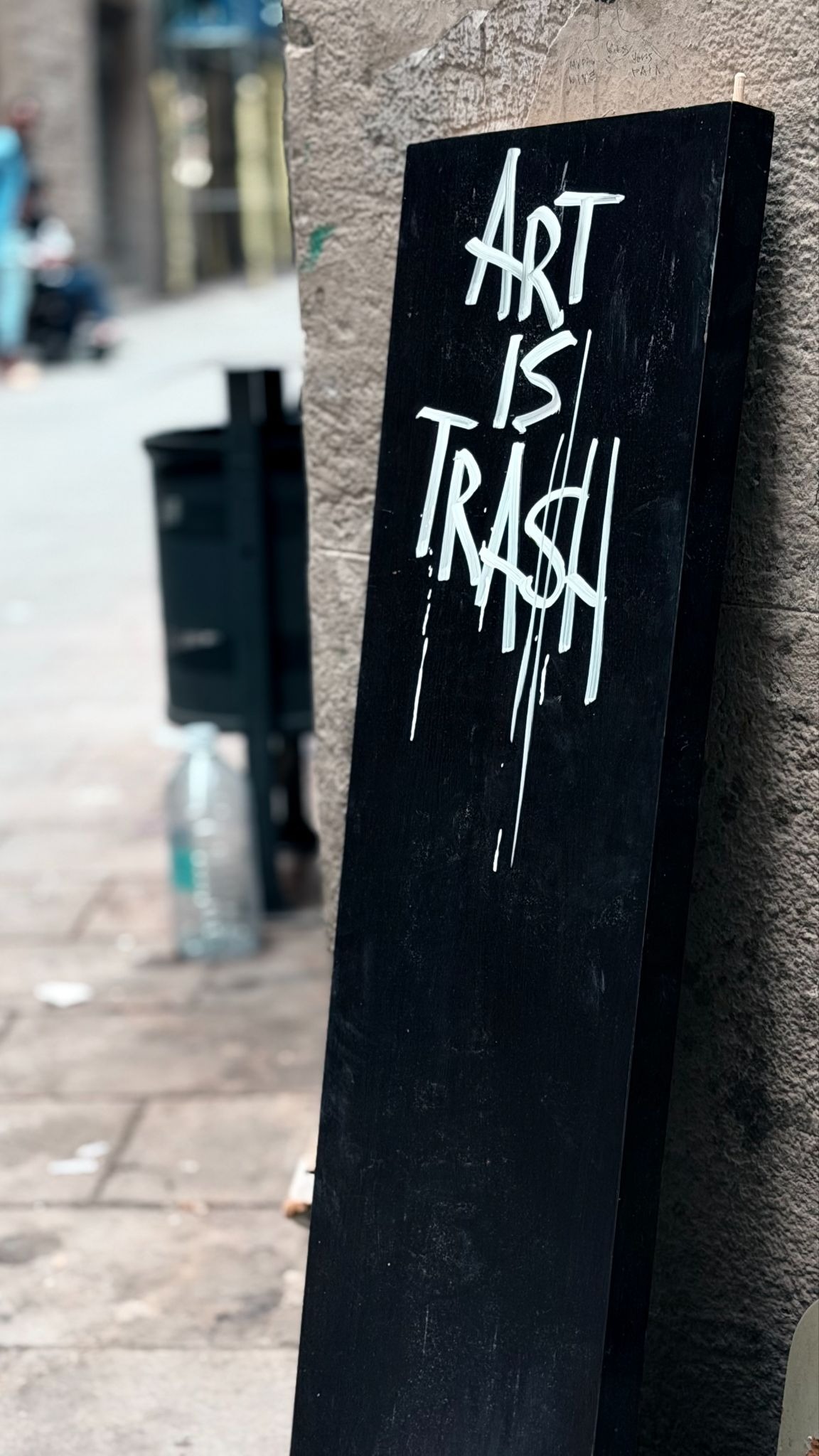
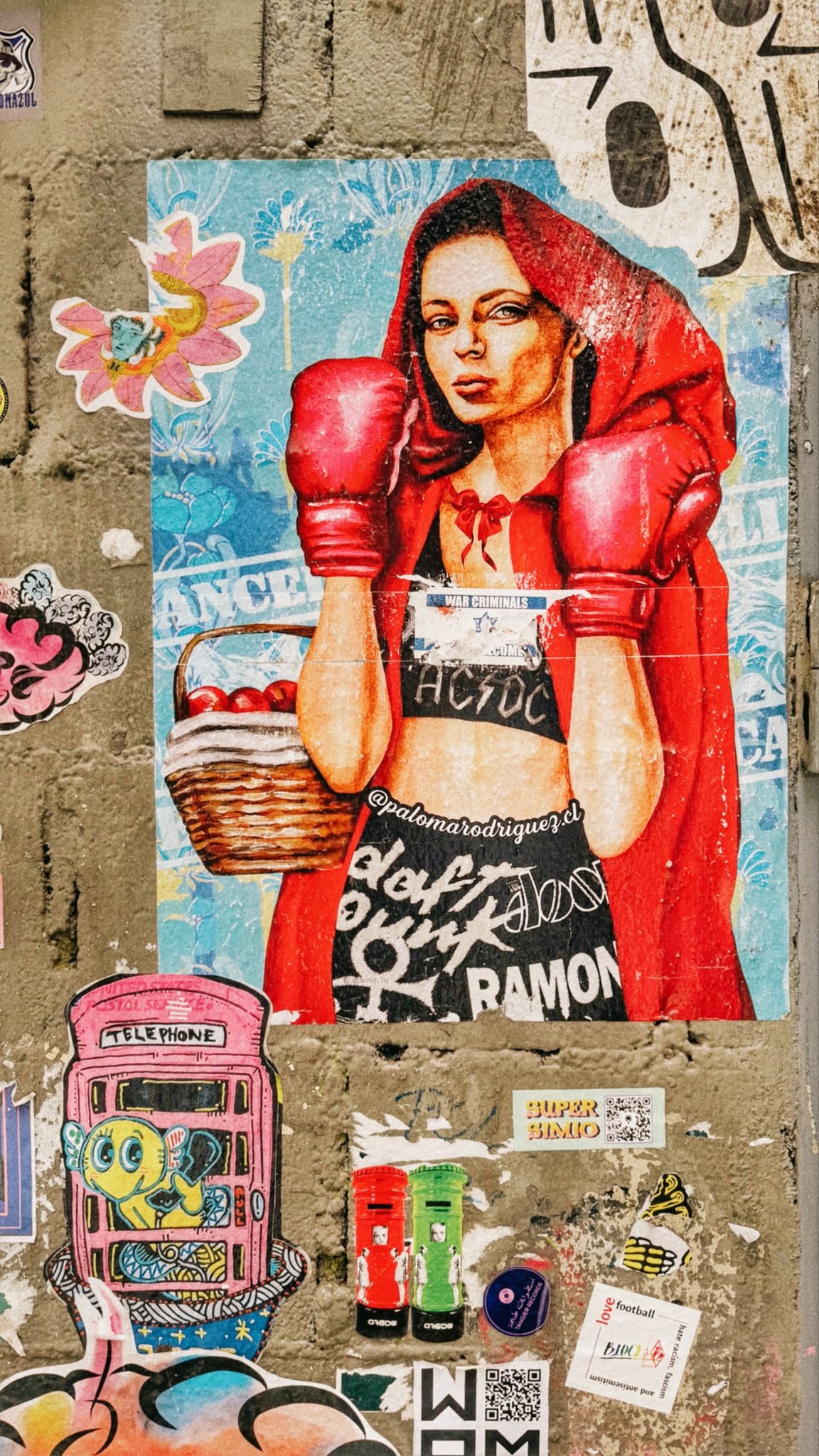
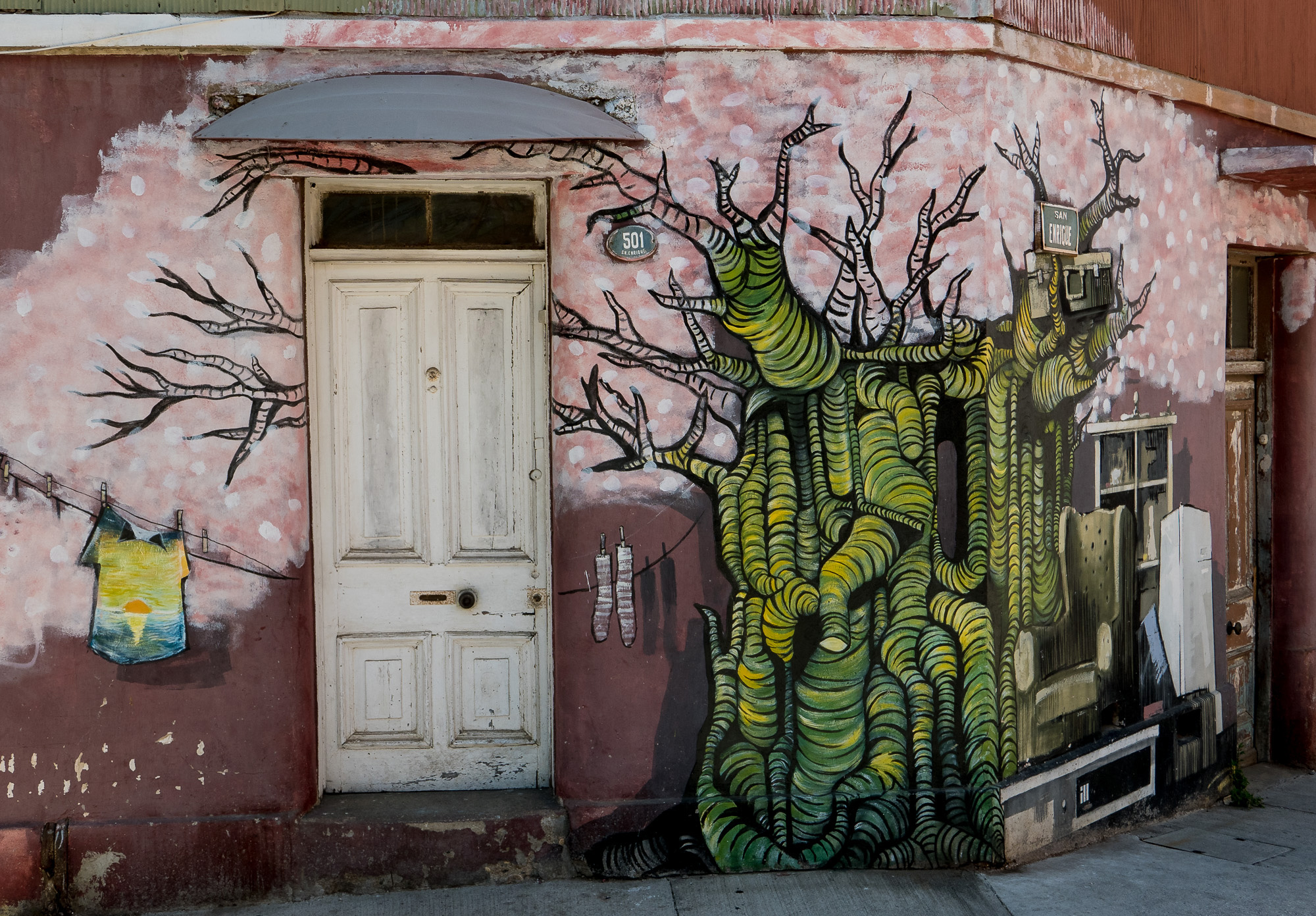
Walls across Barcelona and Madrid carried arguments, jokes, grief, anger, hope, and social commentary. Some pieces filled entire facades. Others lived on shutters, doorways, utility boxes, and narrow strips of concrete.
The storefronts blended in with street art – all these messages and sharing an experience with us.
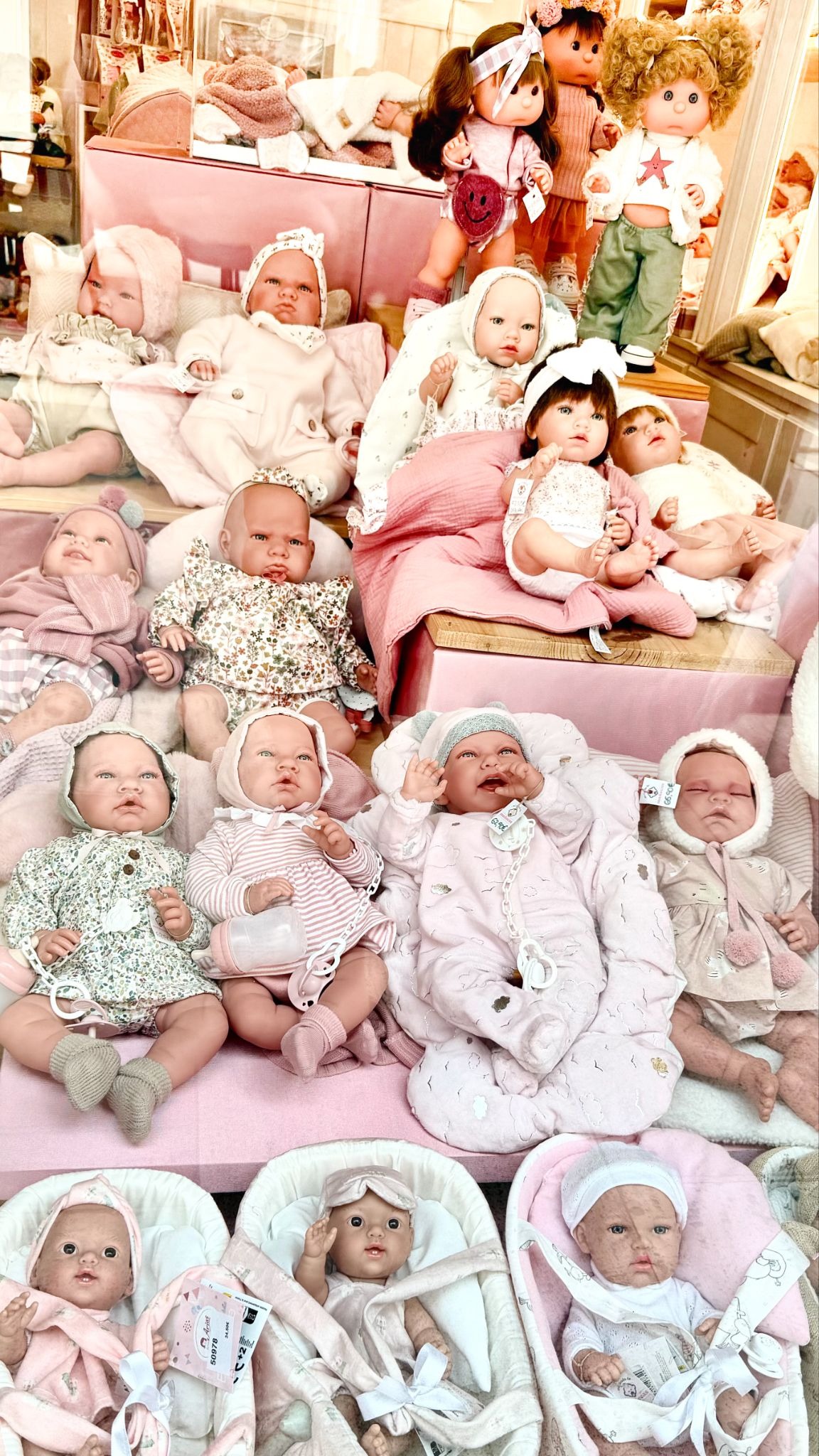
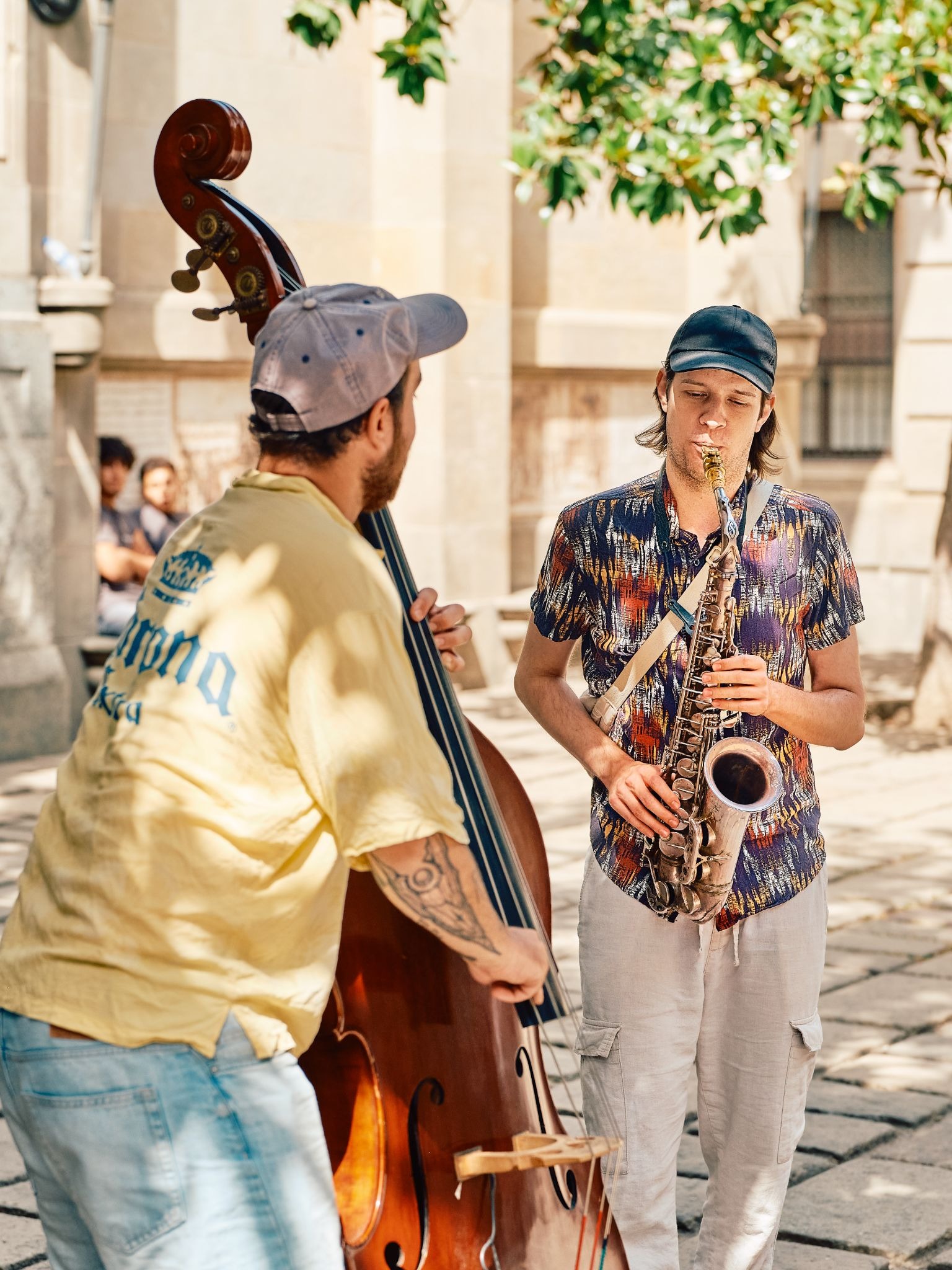
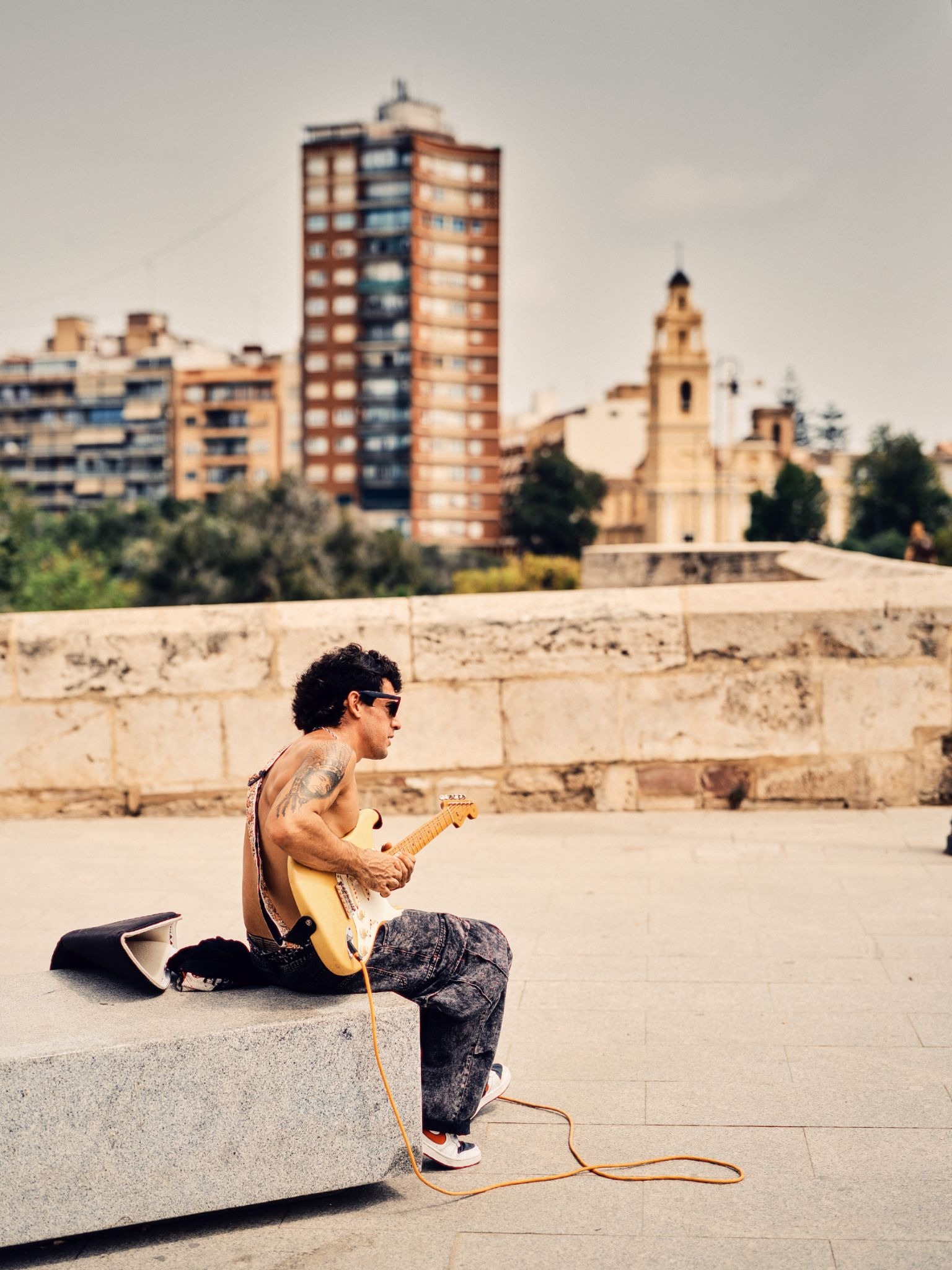
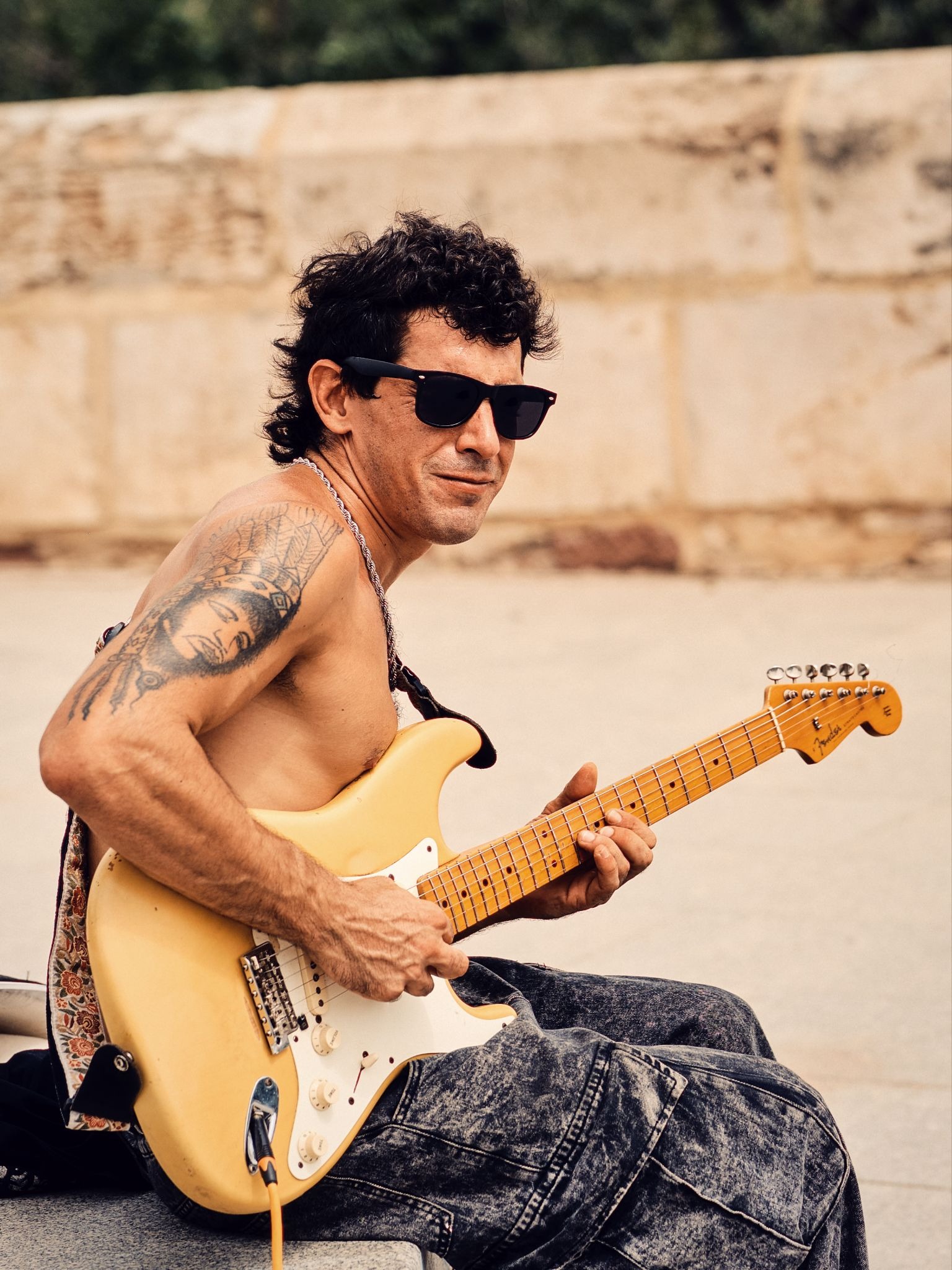
And music! Music rang out all throughout the cities.
Moco Museum
The Moco Museum in Barcelona brought the street conversation indoors.
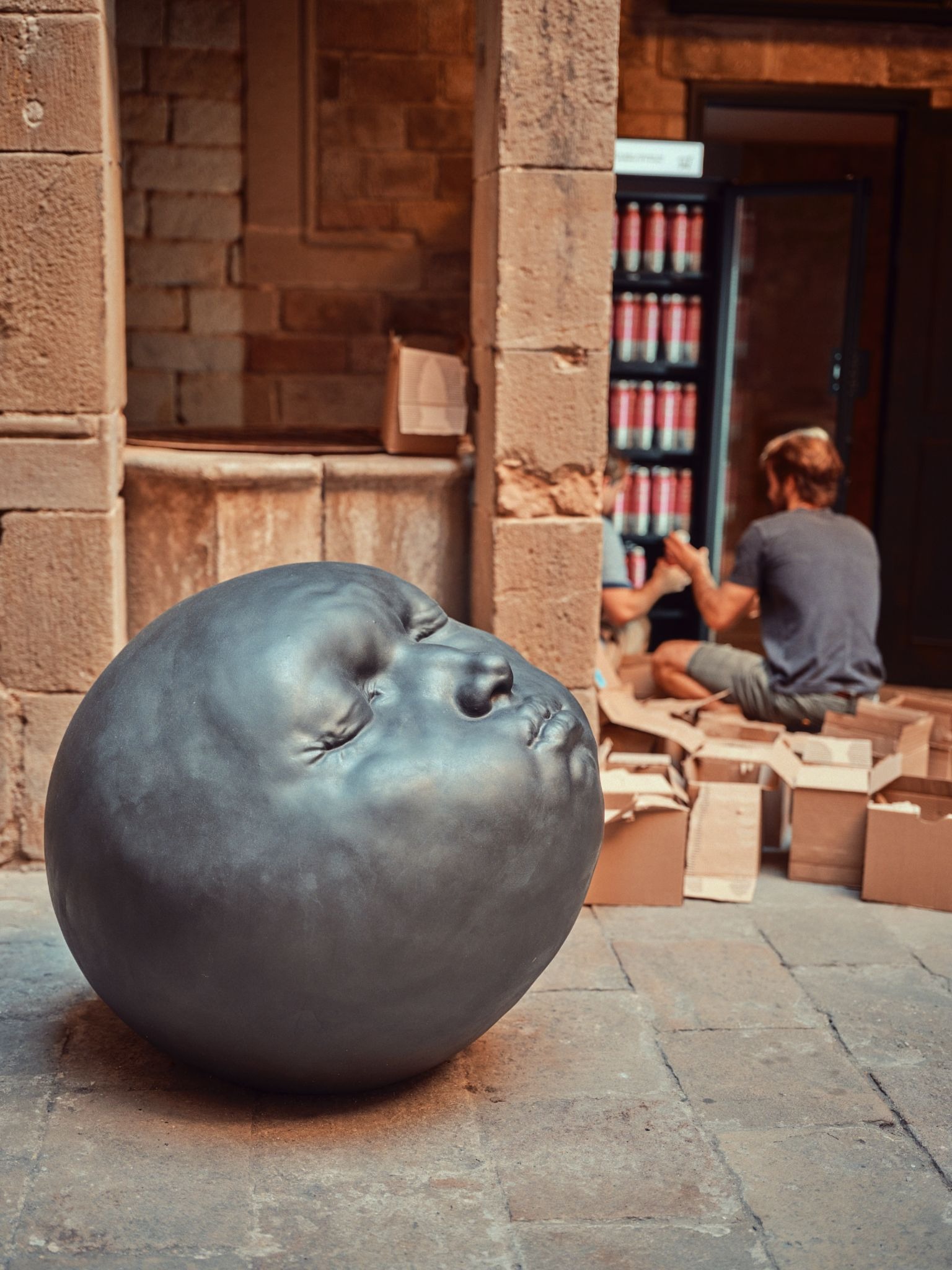
Moco stands for Modern Contemporary. Its collection includes Banksy, Jean-Michel Basquiat, Keith Haring, KAWS, Yayoi Kusama, and other artists working across contemporary, digital, and street art.
Seeing Basquiat, Banksy, and Haring was wonderful to see.
Walking out of the museum and finding new work on nearby walls made everything seem relevant.
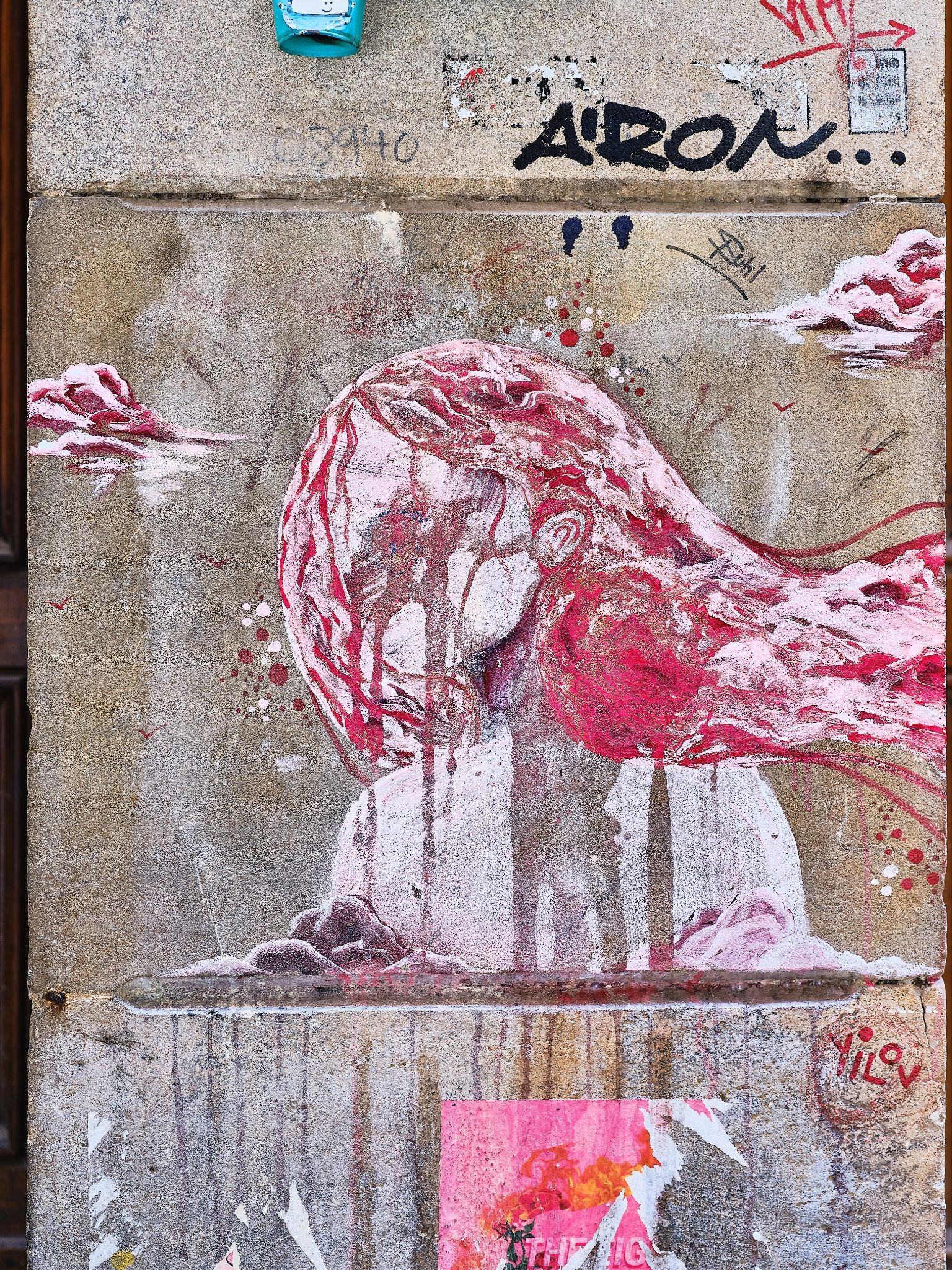
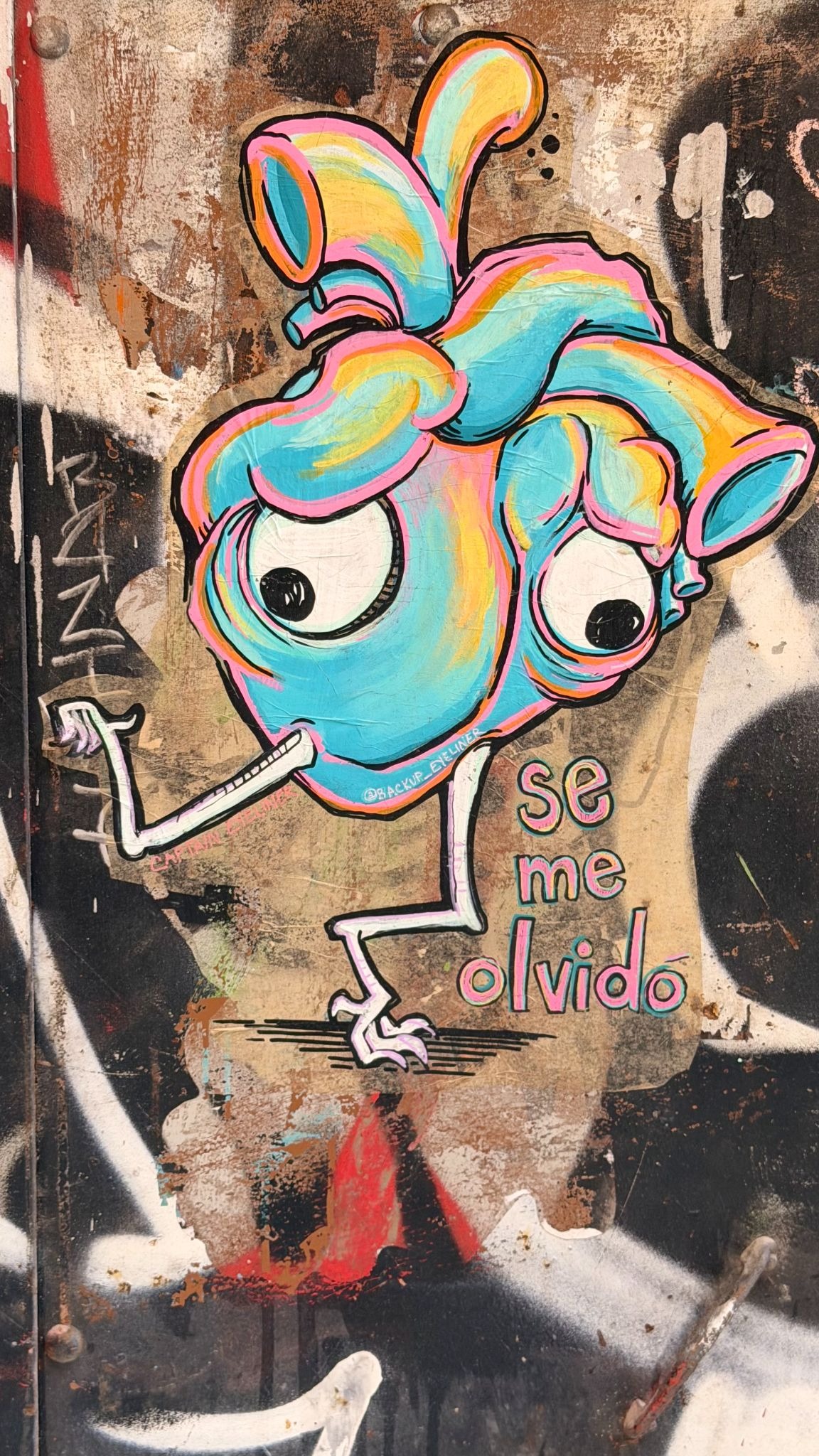
Street art is not trash. Art is tra$h.
Learning From Goya and Picasso
The Prado in Madrid deserves time.
Goya’s Black Paintings carried the most emotional weight for me. He painted the group of fourteen works between about 1819 and 1823 directly onto the walls of his home, the Quinta del Sordo. The paintings were later transferred to canvas and moved to the Prado.
They feel private.
Goya had room to work without pleasing a patron or explaining himself to an audience. The images feel like the result of a lifetime spent looking at people, power, fear, age, and violence. It also feels like someone confronting his own fate and mortality.
The Picasso Museum in Barcelona offered a different lesson. Its collection focuses on Picasso’s formative years and contains about 5,000 works. You see the technical foundation before the huge shifts in style and perspective.
His production as an artist is inspiring with his relentless exploration of form and expression.
Gaudí and the Limits of a Frame
The Sagrada Família is crowded.
But you should totally go anyway.
Gaudí designed spaces for people to move through. This summer marked 100 years since his death.
His columns rise and divide like branching structures. It felt like a forest…because he designed it that way.
I stopped trying to fit the entire building into one photograph.
So – I just looked up.
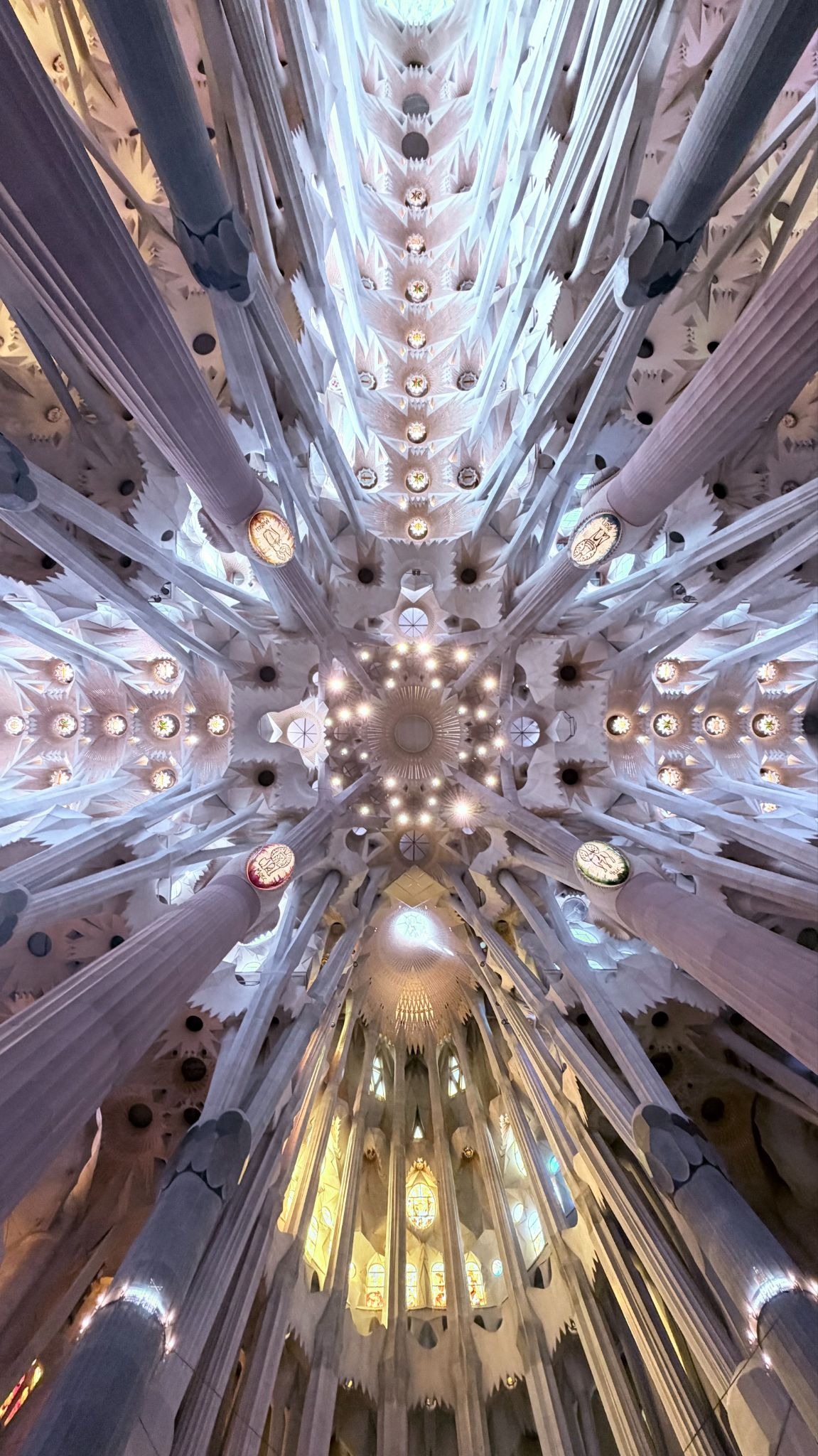
A photograph can describe structure, light, and proportion. However, it cannot reproduce the physical experience of standing inside the space. Awe inspiring.
Gaudí said, “To do things right, first you need love, then technique.”
(Let me write that down!)
Valencia and Architecture Built for Movement
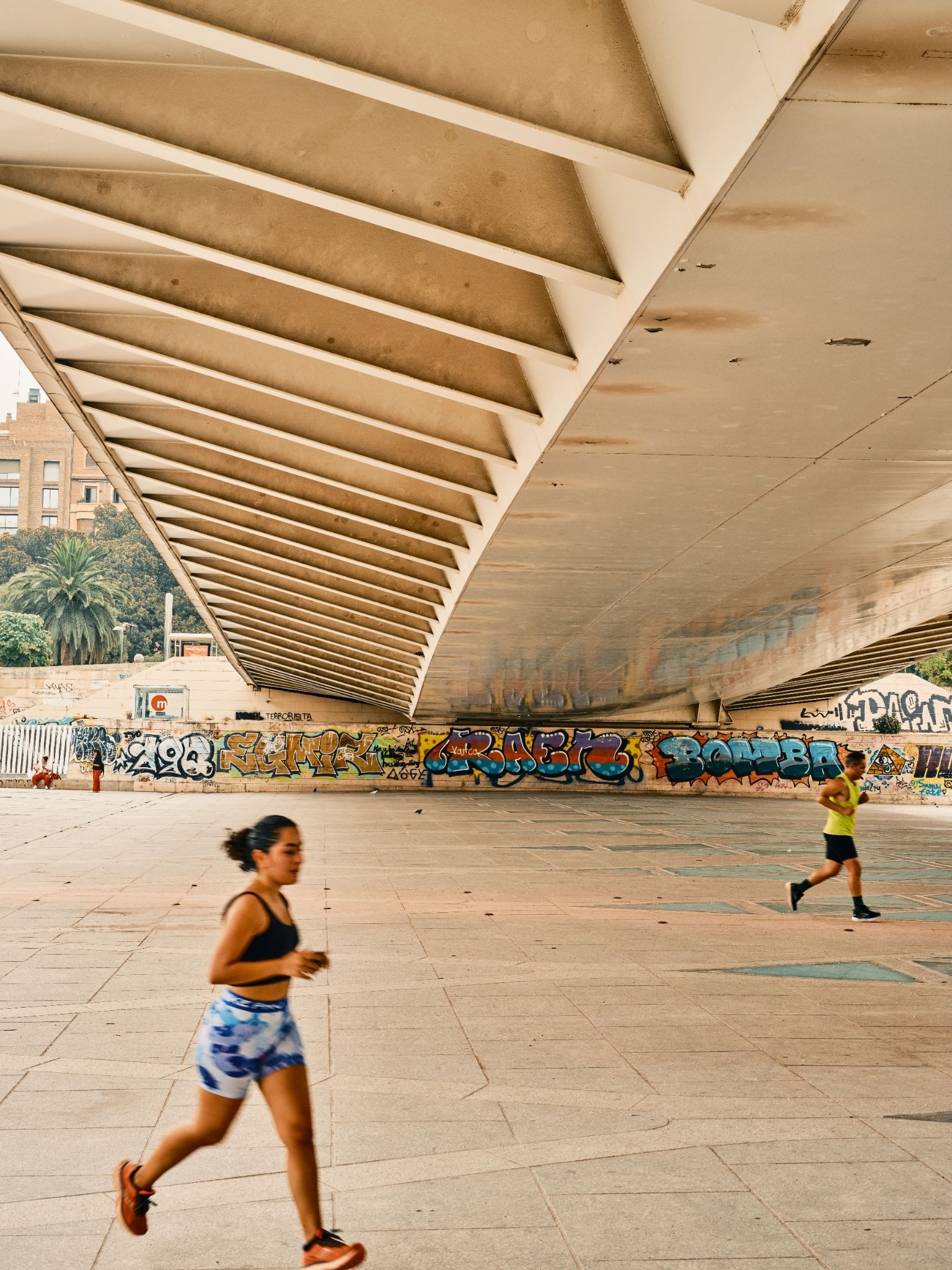
Having a park in the middle of the city was a beautiful decision.
Instead of making it a highway in 1956, they decided the river needed to be diverted because the flooding was so dangerous. They made it a lively park where you can walk, run, walk your dog, look at ancient roman ruins, and ride bikes. There’s an amusement park and soccer practice fields.
At the end of the converted riverbed park, Valencia’s City of Arts and Sciences offers a completely different experience – modernity rising from the Roman past.
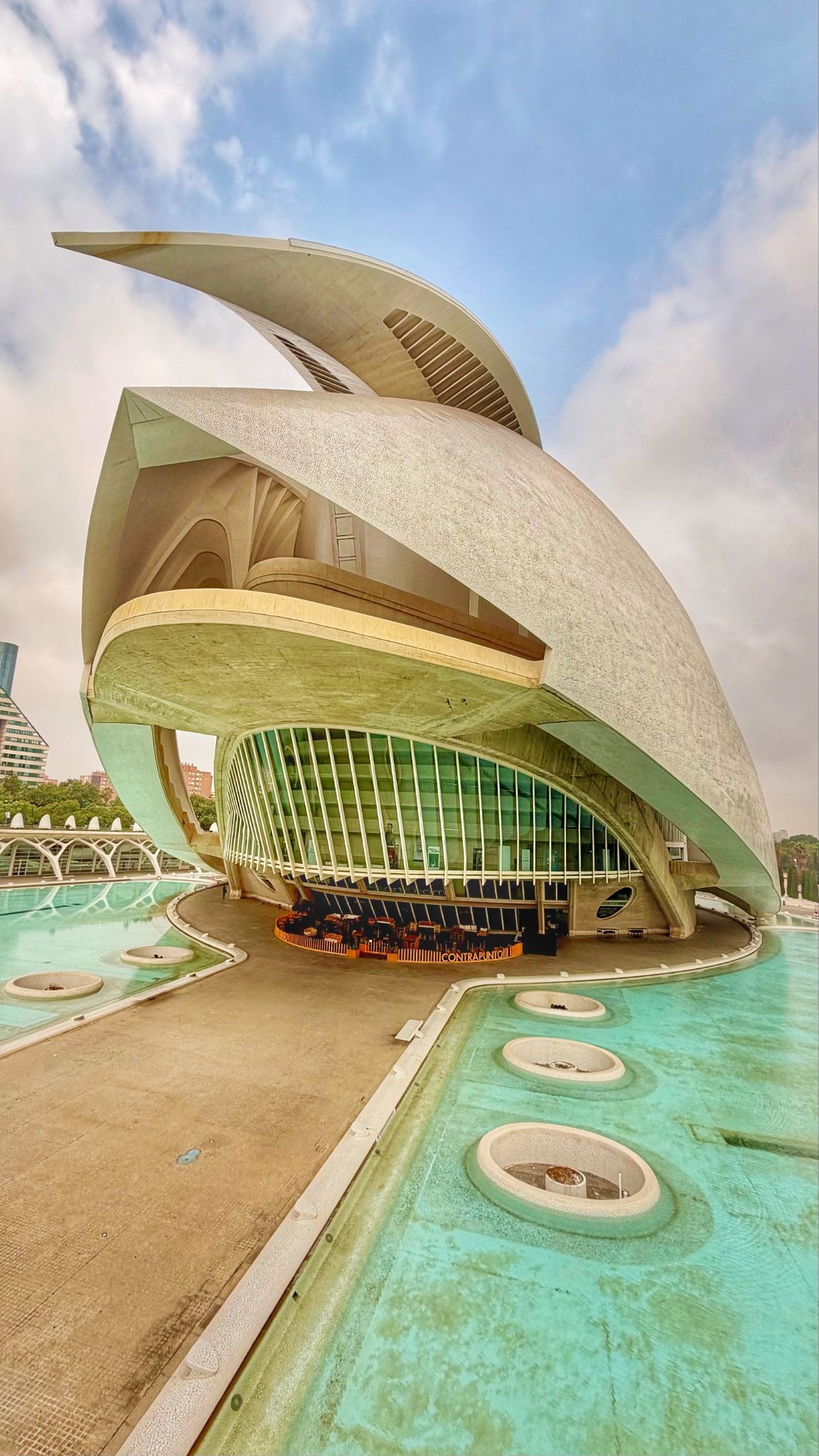
Valencia’s modern complex feels open, graphic, and built around movement.
The Night Madrid Erupted
The most unpredictable photographs came at the beginning of the trip.
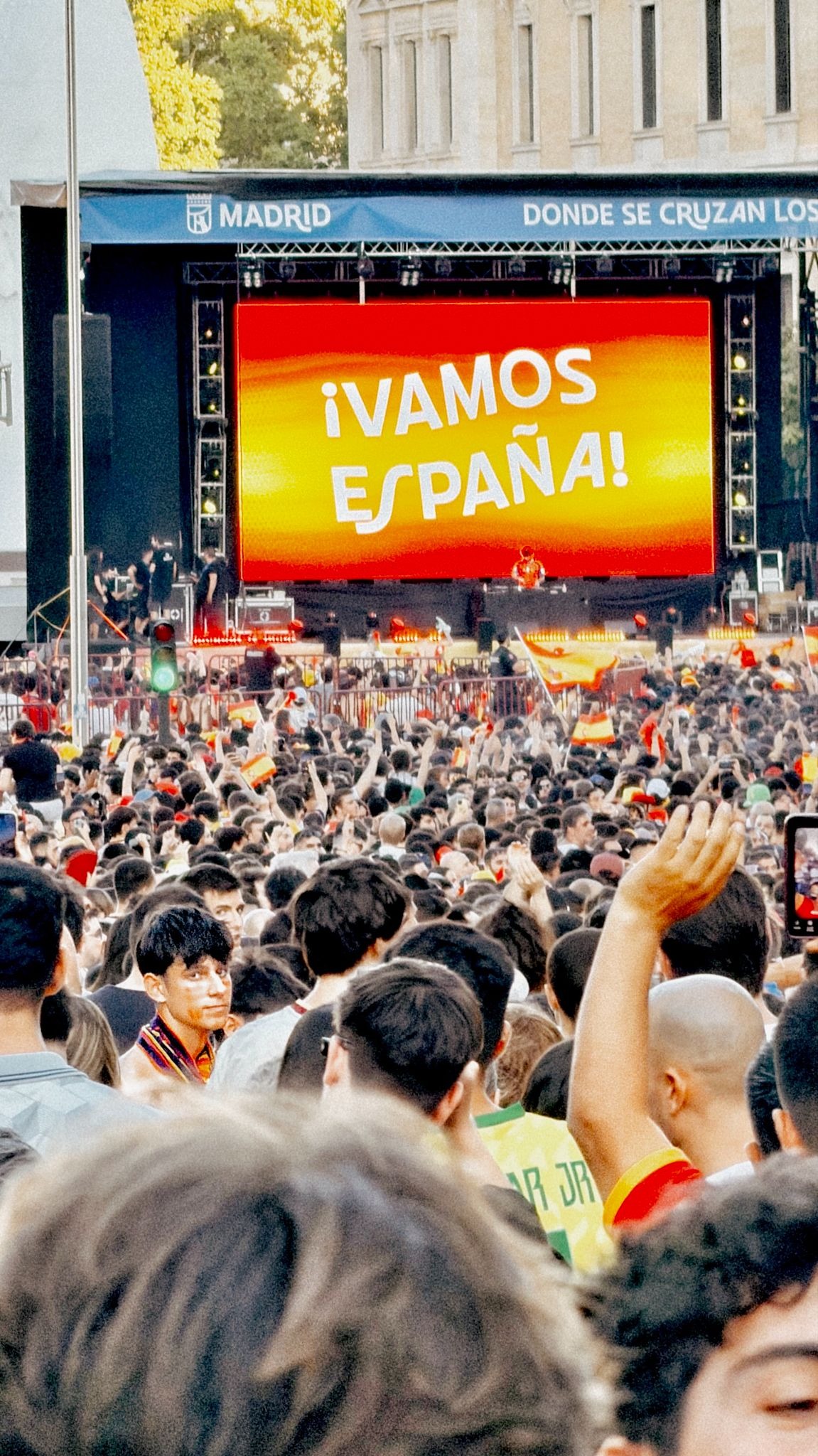
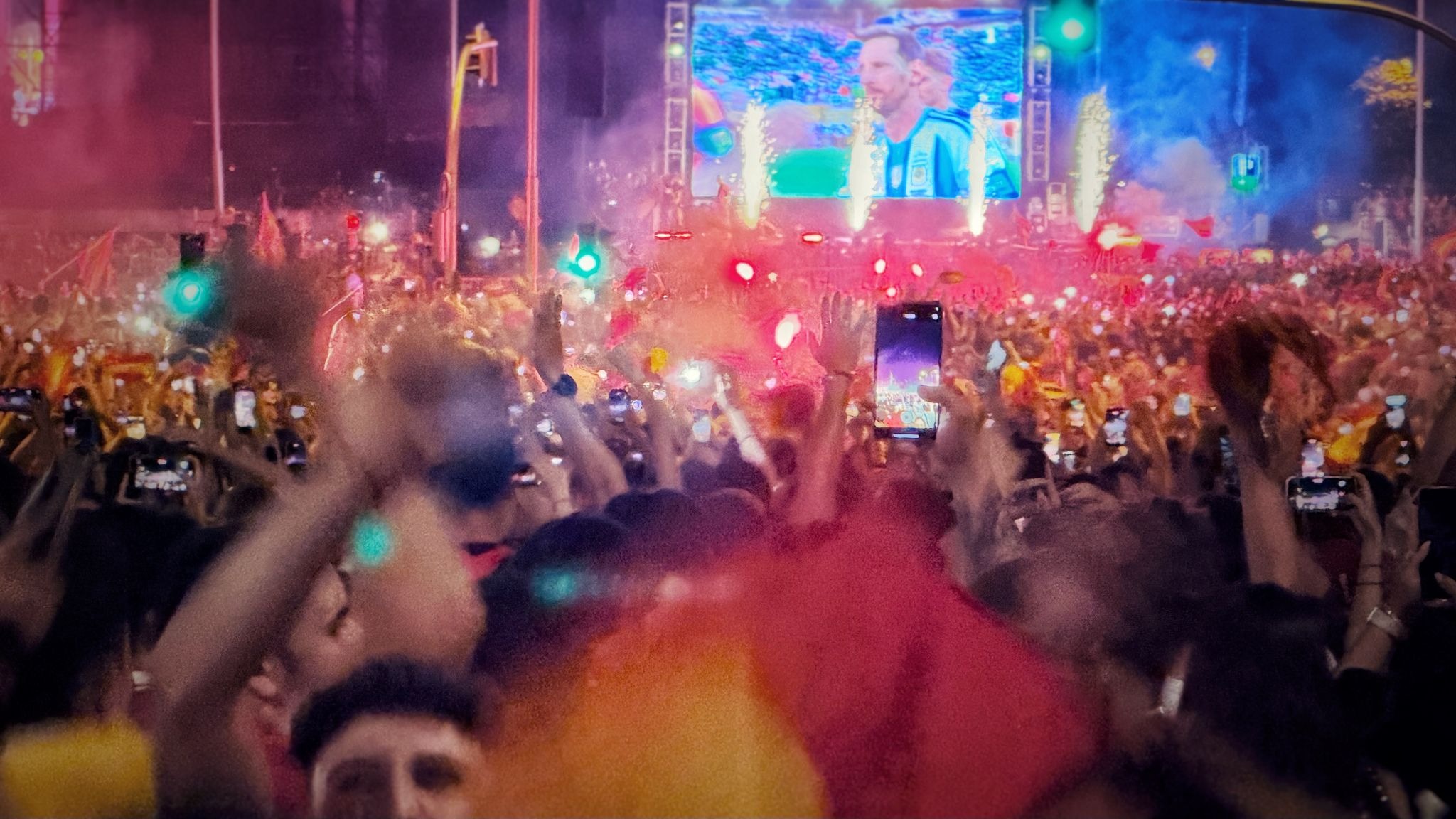
Spain reached the 2026 FIFA World Cup final against Argentina. The match took place on July 19 at New York New Jersey Stadium, while we watched from Plaza de Colón in Madrid.
The city installed large screens around the square and prepared space for about 20,000 people.
We stood shoulder to shoulder with Spanish supporters.
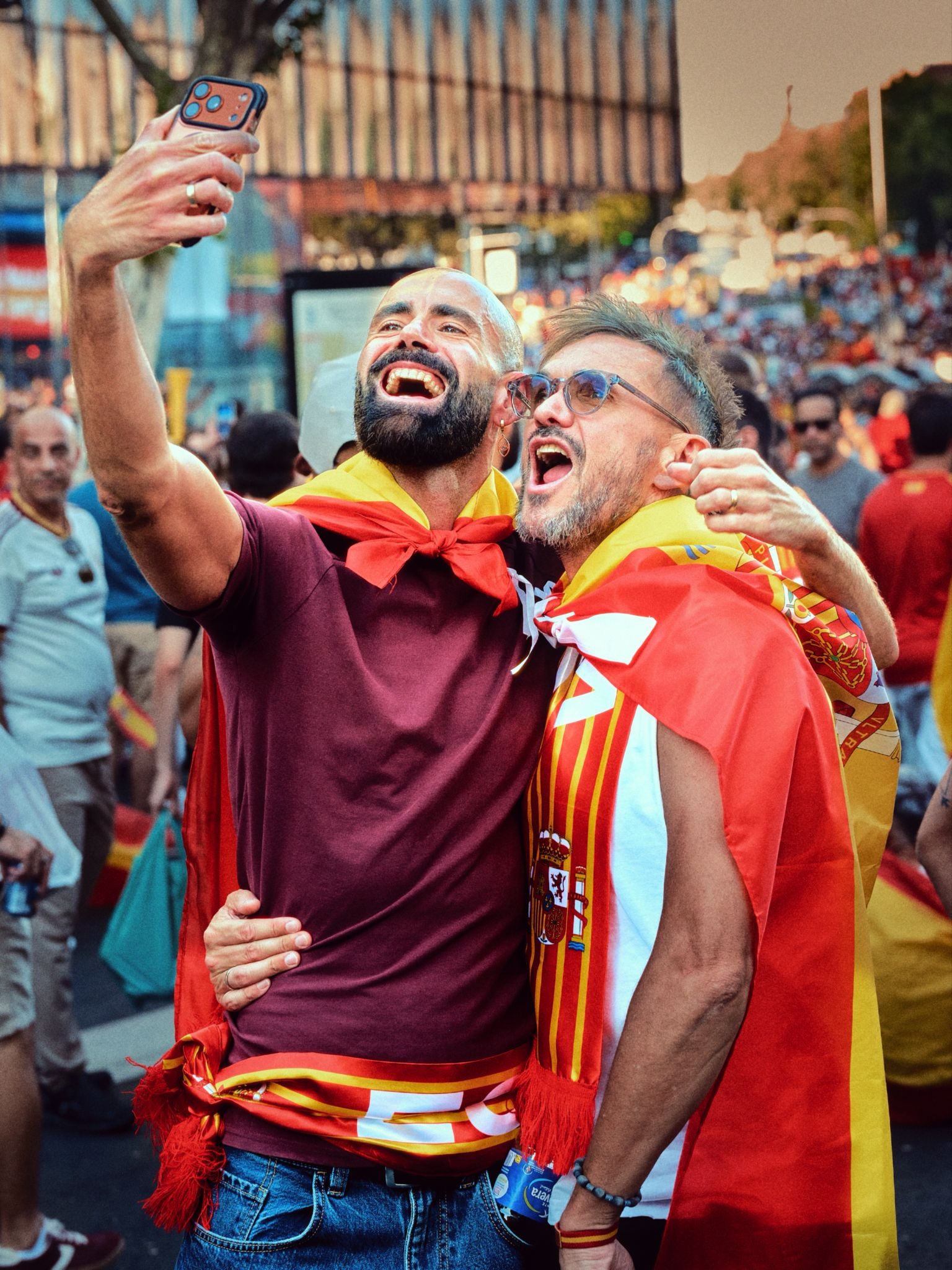
Flags moved above the crowd. People sang, shouted, waited, and watched the screens with full concentration.
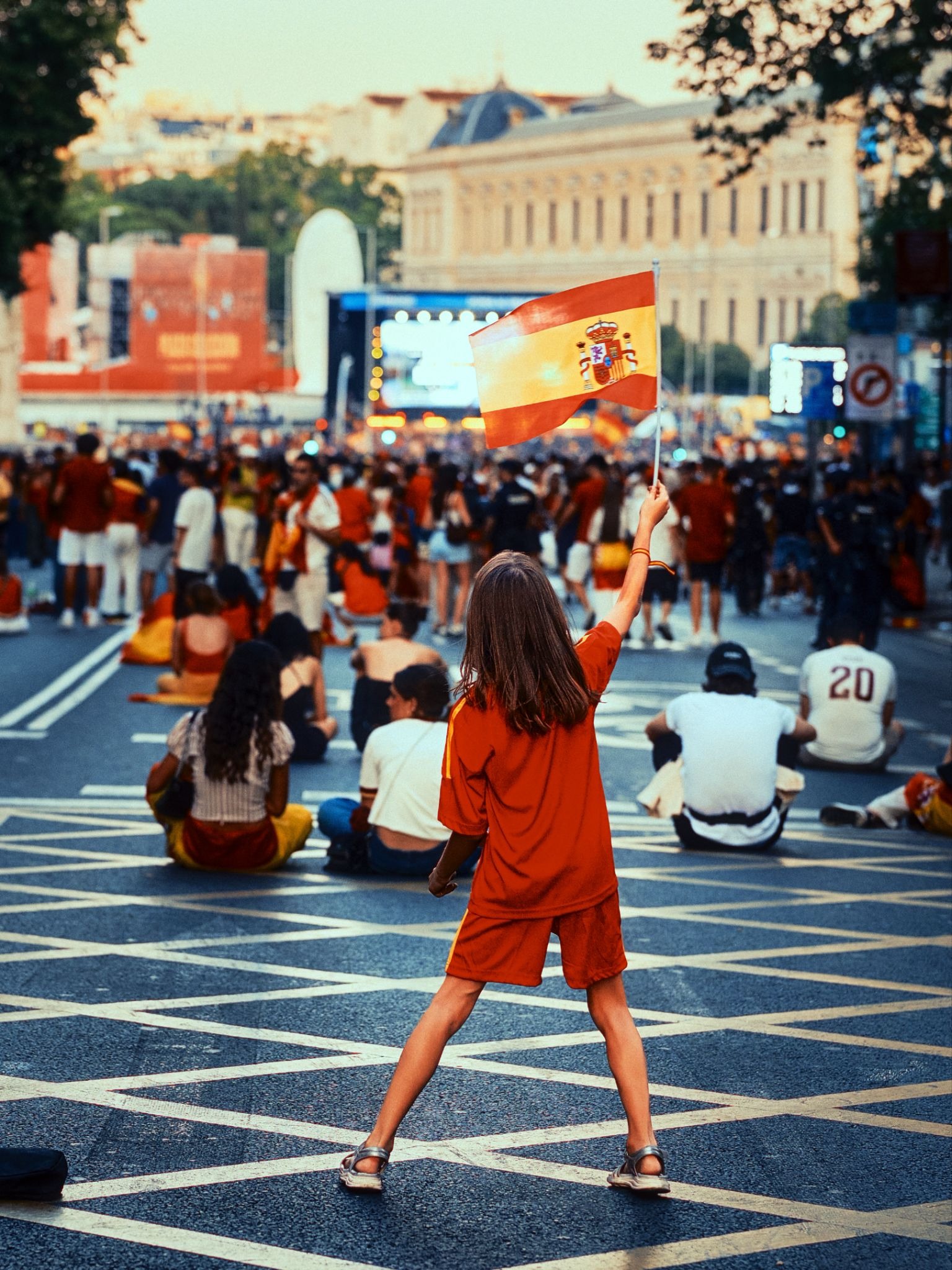
A public celebration gives photographers a rare combination of scale and emotion. It also moves fast.
Spain and Argentina remained scoreless through regulation. Ferran Torres scored in the 106th minute, giving Spain a 1-0 win in extra time and its second men’s World Cup title.
The square erupted. The energy!
Flags filled the air. ¡Celebración!
And yes, I was glad Spain won. The walk home would have carried a different mood.
We walked home from the Plaza de Colón with everyone bursting out of their homes and bars to celebrate in the streets. Singing – cheering- dancing. It was a joyous thing to see how happy everyone was.
Two Cameras and Two Editing Paths
The GFX files and iPhone files asked for different treatment.
I processed the Fujifilm RAW files in Capture One. Some images moved into Luminar Neo for additional work. Others went through DeHancer when I wanted softer color transitions, grain, and a film look style finish.
The iPhone photographs moved faster.
I made basic adjustments in Apple Photos, then finished most images in Snapseed. A smaller group went through Lightroom Mobile.
Snapseed remains my favorite mobile editor. The interface keeps the process direct, and the selective tools offer enough control for a finished image. Rad Drew’s LuLa article on Snapseed is worth reading for a closer look at the workflow.
I did not force both cameras into one matching look. Inner thought: do these Spain pictures need to be visually cohesive?
The GFX images carried more depth, texture, and deliberate framing. Lots of fun to do post work at the desktop computer.
The iPhone images felt immediate and close.
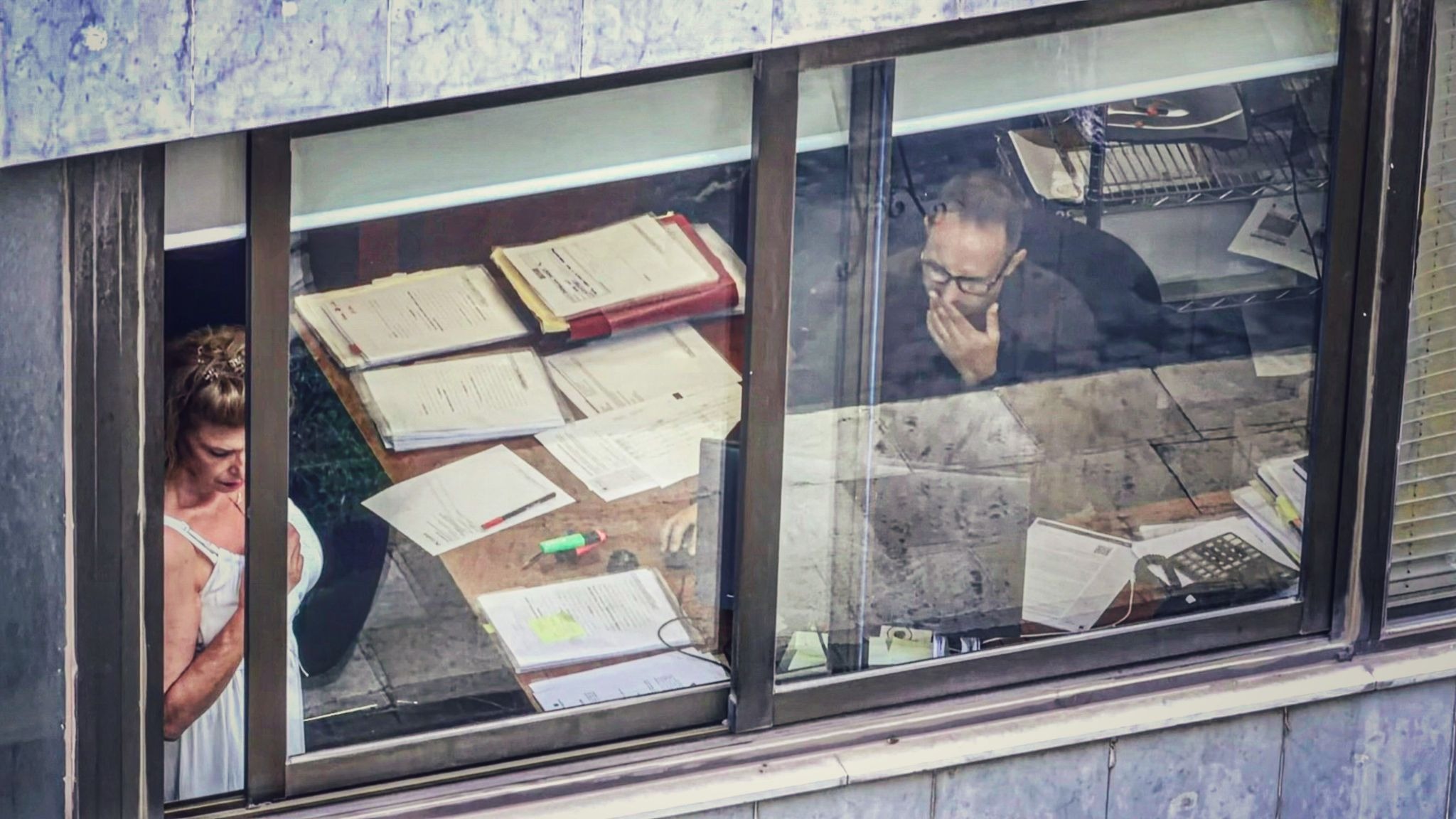
This was an intimate scene I saw from my hotel window. Not sure what was going on but felt serious. I grabbed it with the iPhone.
Some iPhone pictures turned out a little too “HDR-Y”… and that’s…okay.
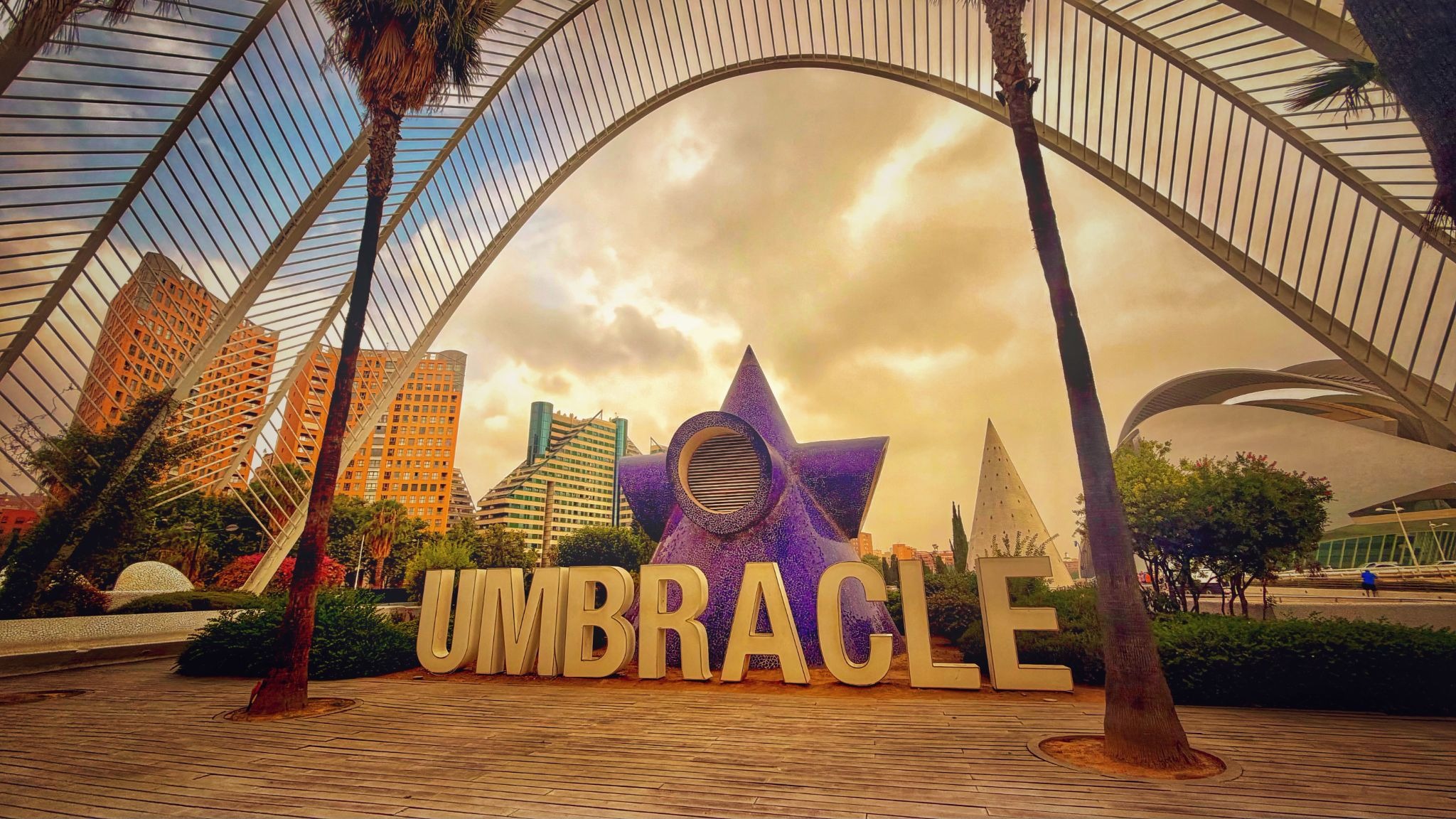
I enjoyed jazzing some of them up a bit – especially when it was overcast.
Trains, Bicycles, and Electric Vespas
Spain made movement easy.
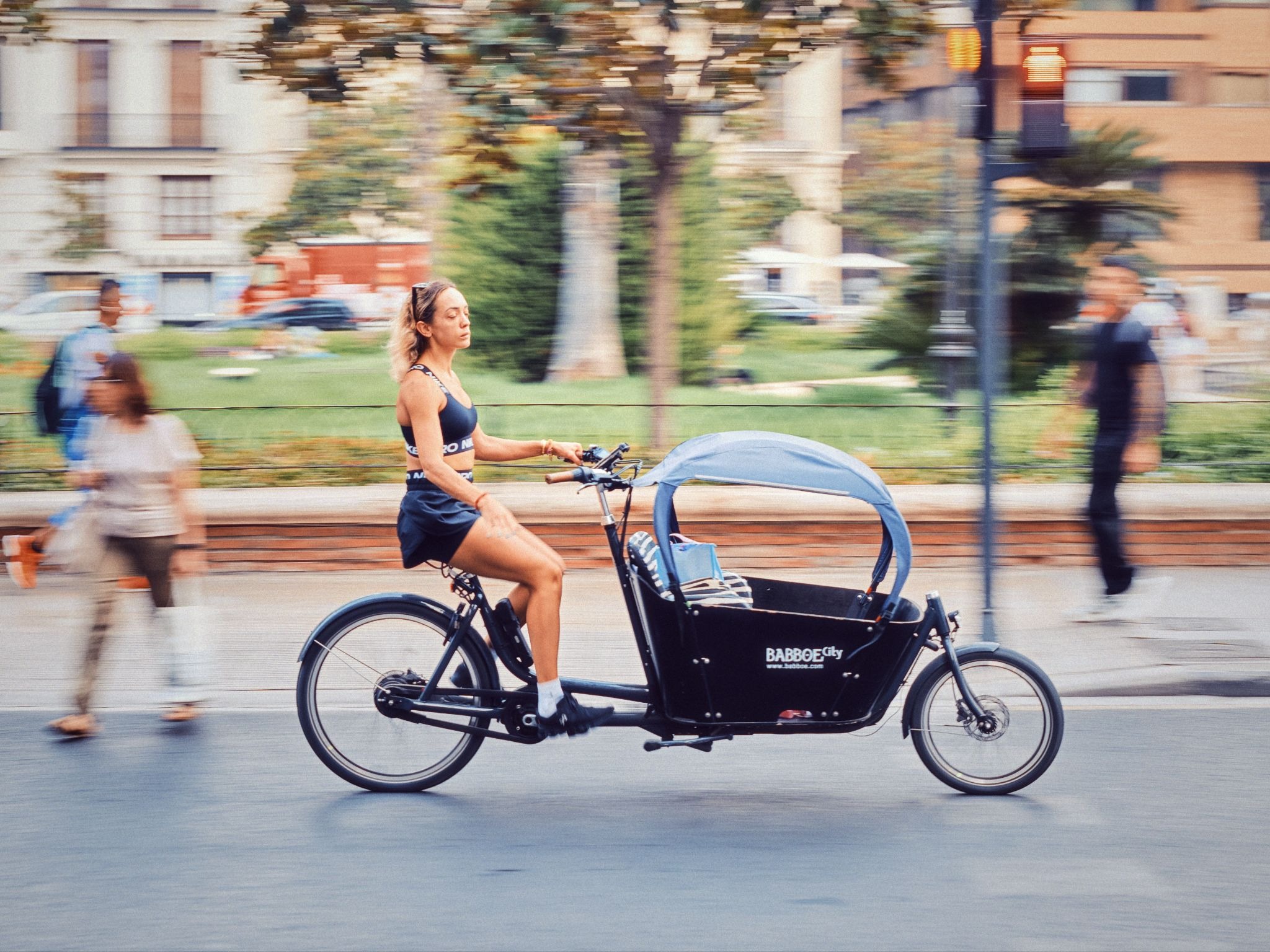
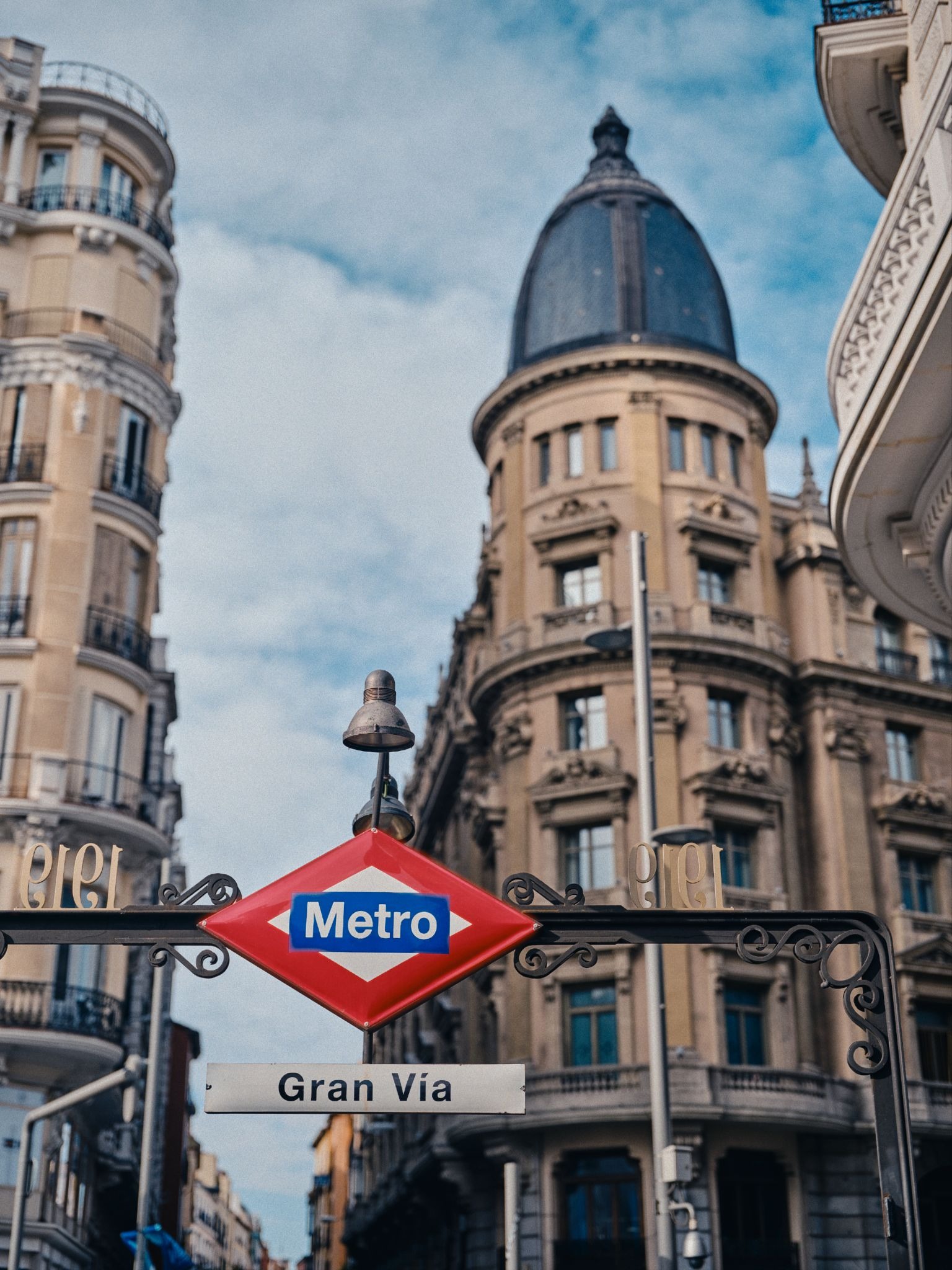
The trains worked well between cities. The subway systems were simple to follow. I was really impressed with Barcelona’s bicycle lanes which gave riders clear routes through much of the city. The way the city blocks are designed is so satisfying and I thought it had a lovely community feel to it.
I also rented an electric Vespa in Barcelona.
Years ago, I shot commercials for a cruise line across Mediterranean cities, including Rome and Barcelona. Those jobs gave me a serious case of Vespa envy. I bought a vintage one when I returned to the United States. I’ll be honest – it was scary riding the older one in Atlanta.
So when the children arrived on the scene, and the white and blue, 1963 VBB Vespa sped off to a new home.
Riding an electric version of this classic scooter through Barcelona brought me so much joy. So simple. Twist the throttle and ZOOM!
And of course – BRAKE at the scenes I wanted to take pictures of. It was a fun and faster way to cover more ground.
For photographers planning a similar route, keep the travel system simple.
- Use trains between cities
- Add more time than the timetable suggests
- Savor the present moment
- Carry water throughout the day
- Use public transit inside the cities – I got a 10 pass train ticket – try and use the ticket machines as little as you can as they are a bit of a pain to use.
- Keep bags zipped and close when on transit and don’t set down your bag at tables while eating – keep close and away from pickpockets.
- Rent two wheels when you need more range
- Bring powdered electrolytes to add to water to keep hydrated
Prepare for heat.
Spain in July was hot. My heart goes out to the people who are hit with fires in the region recently that just started after we left.
What Came Home
I went to Spain expecting to scout a future eclipse expedition – but it turned out to be an art experience expedition. I learned some things.
The GF55mm proved itself as a walkaround lens for photographers willing to carry it.
The iPhone earned an equal place in the kit because it allowed a different relationship with people and details.
Museums gave me time with artists who spent their lives refining a personal way of seeing.
Art is saying something and it all around. Express yourself.
Connect with the music in the streets.
Madrid gave us an unforgettable World Cup experience.
Be present. Be flexible.
Be prepared. I brought a very small flash. Didn’t pull it out once – and that’s okay.
I did return inspired: to create art and to share art.
First love – then technique.
Elevate Your Vision


You may also like